

Nature has a way of surprising us, but some animals leave even scientists completely baffled. Whether it’s a strange behavior, an unexplained ability, or an evolutionary puzzle that doesn’t add up, these creatures challenge everything we think we know about the animal kingdom. Despite years of research, the following ten oddities remain unsolved mysteries in the world of science.
1. The Contagious Yawn Between Dogs and Humans

One of the most intriguing animal behaviors scientists still can’t fully explain is the contagious yawn shared between dogs and humans. When you yawn, your dog might yawn right after, as if catching it from you. Researchers believe this phenomenon reflects a deep social connection and empathy between species. While contagious yawning is common among humans and some primates, dogs’ ability to “catch” yawns from their owners highlights their unique bond with us—an oddity that continues to puzzle scientists exploring animal cognition and communication.
2. Purpose of Narwhals’ Spiral Tusks
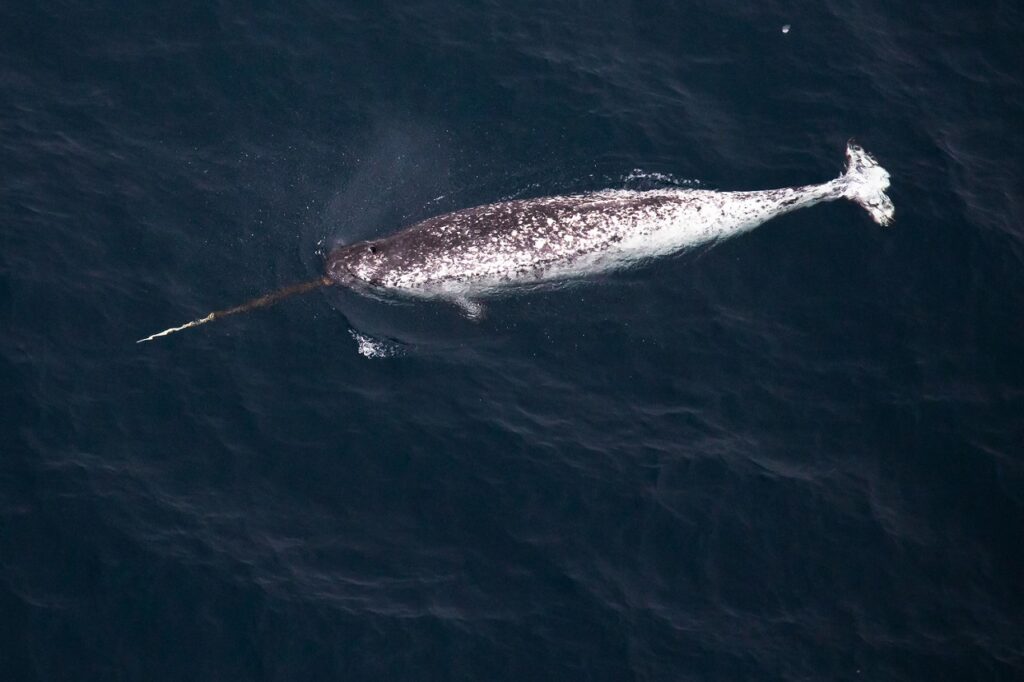
Narwhals’ iconic spiral tusks have puzzled scientists for centuries. While once thought to be simple tools for hunting or defense, recent research suggests these tusks serve multiple purposes. Primarily, they act as sensory organs packed with nerve endings, helping narwhals detect changes in their environment like water temperature and pressure. Additionally, tusks play a role in social interactions, with males using them to establish dominance or attract mates. Despite ongoing studies, many aspects of these mysterious horns remain a captivating enigma.
3. The Deep-Sea Barreleye Fish’s Transparent Head
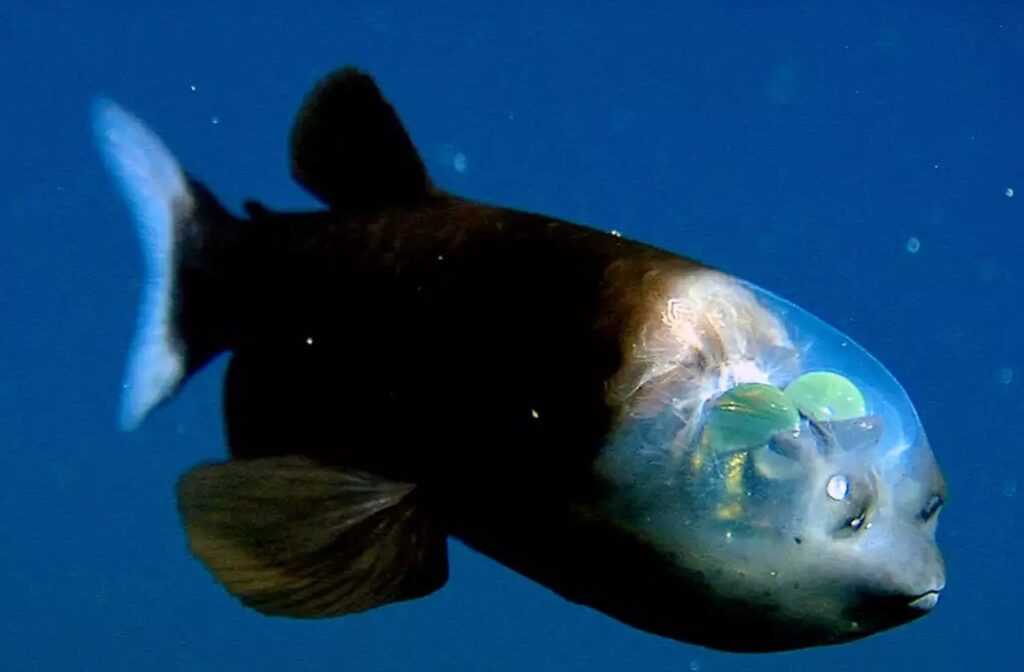
The deep-sea barreleye fish is famous for its extraordinary transparent head, a rare adaptation that continues to puzzle scientists. This clear dome allows the fish to rotate its tubular eyes upward, giving it a unique ability to spot prey silhouetted against the faint light from above. The transparency likely protects its sensitive eyes while offering a wider field of vision in the pitch-black ocean depths—an evolutionary marvel that challenges our understanding of how creatures adapt to extreme environments.
4. Reason Why Dolphins Play With Pufferfish
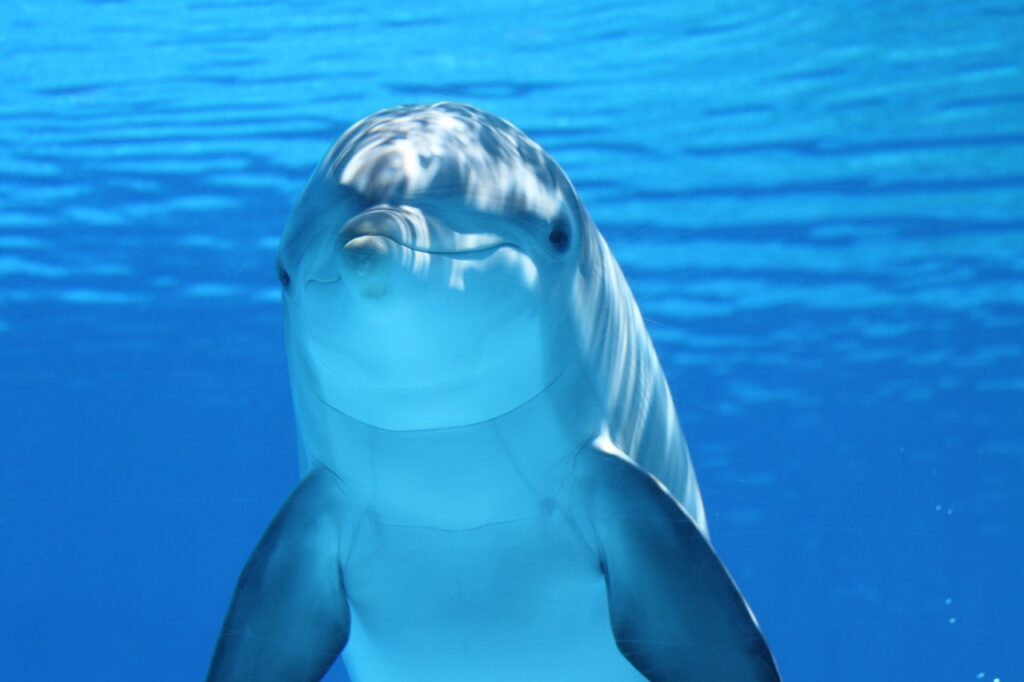
Dolphins interacting with pufferfish is a fascinating behavior that has puzzled scientists. Some researchers believe dolphins gently handle pufferfish to stimulate the release of toxins in small amounts, which may produce a mild narcotic effect. This “playful” interaction could be a form of natural drug use, helping dolphins relax or experience euphoria. However, the exact reasons remain unclear, and ongoing studies continue to explore whether this behavior is purely recreational or serves other social or medicinal purposes.
5. The Dancing “Death Spiral” of Army Ants
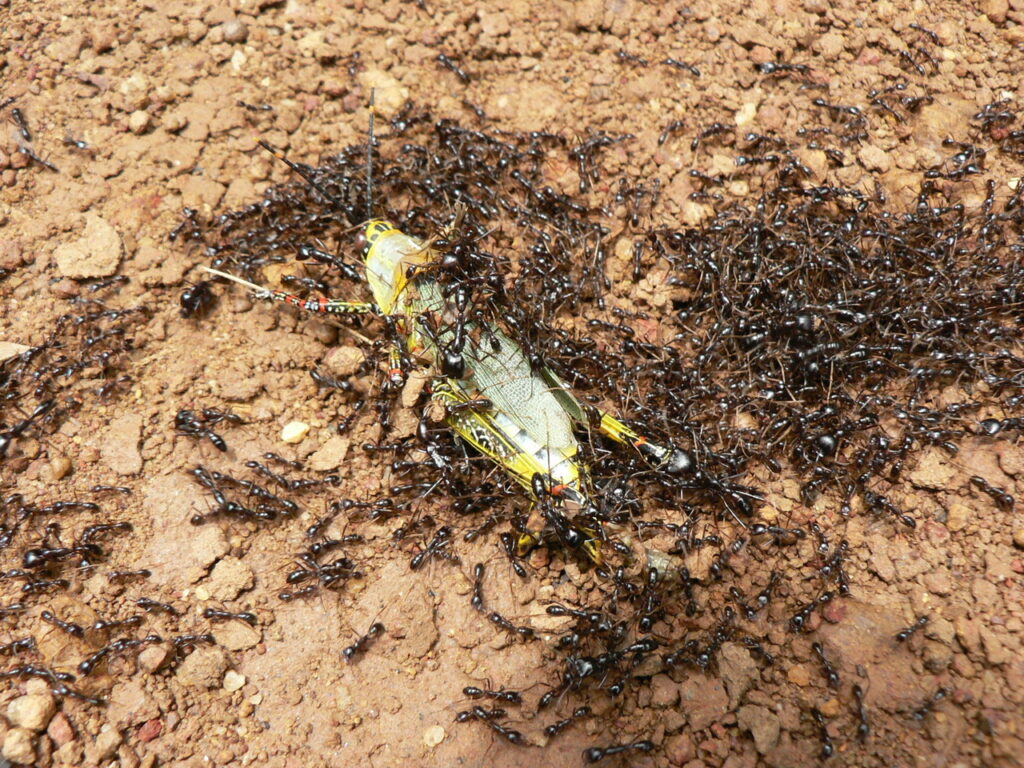
Army ants sometimes get caught in a bizarre and deadly behavior called the “death spiral.” This happens when a group of ants follows each other in a continuous loop, creating a swirling, moving circle that can last for hours. The ants are following pheromone trails left by one another, but a small error causes them to loop endlessly without escape. This tragic dance leads to exhaustion and death, illustrating how even highly organized insect societies can fall victim to simple mistakes in communication.
6. Crows Performing Funerals For Their Dead
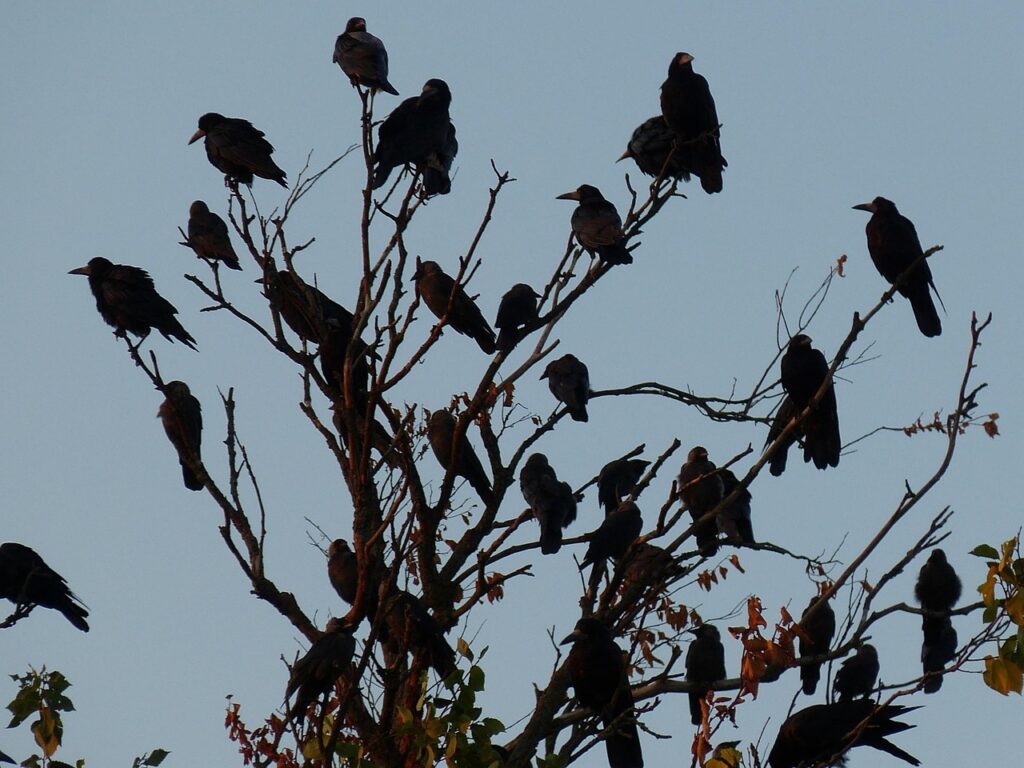
Crows are known for their intelligence, and one of their most intriguing behaviors is gathering around their dead in what looks like a funeral. When a crow dies, nearby crows often come together, making loud calls and staying near the body for a while. Scientists think this gathering helps them understand threats and teaches others to be cautious. It may also reinforce social bonds within the group. Although well documented, the true purpose and emotional meaning behind these gatherings still puzzle researchers.
7. Wombats’ Cube-Shaped Fecal Matter
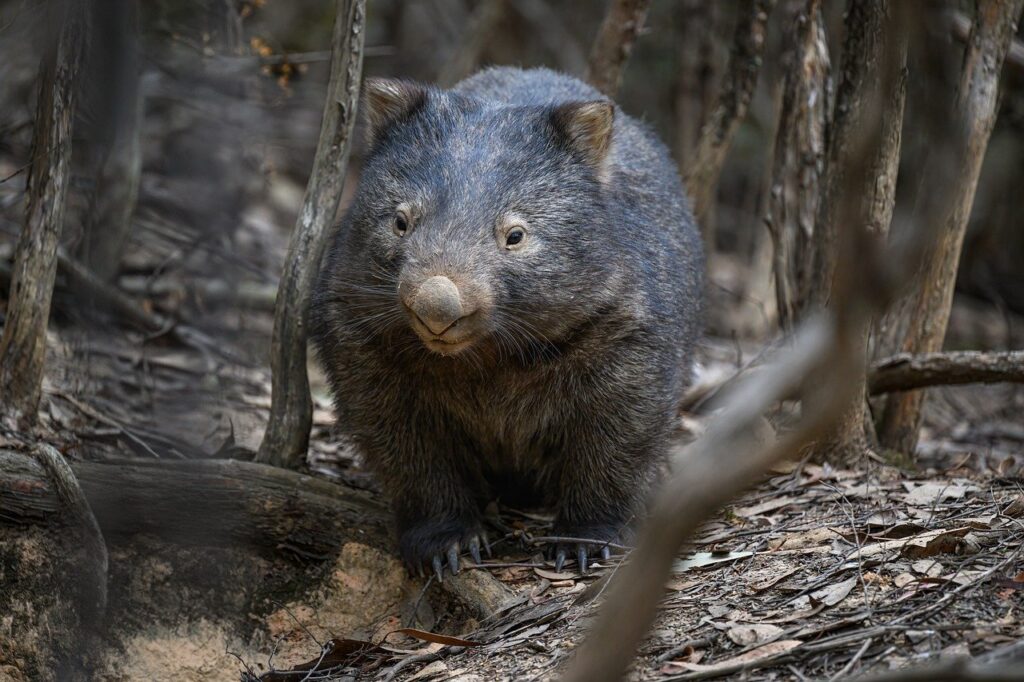
Wombats produce uniquely cube-shaped feces, a biological mystery that has puzzled scientists for years. Unlike the typical round droppings of most animals, wombats’ poop comes out in neat cubes, which helps prevent it from rolling away. This shape is believed to aid in marking their territory, as wombats stack their droppings to communicate with others. Recent research suggests that variations in the elasticity of their intestinal walls cause the distinctive cubed shape—a fascinating example of nature’s surprising adaptations.
8. Froghoppers Producing Their Own “Bubble Homes”
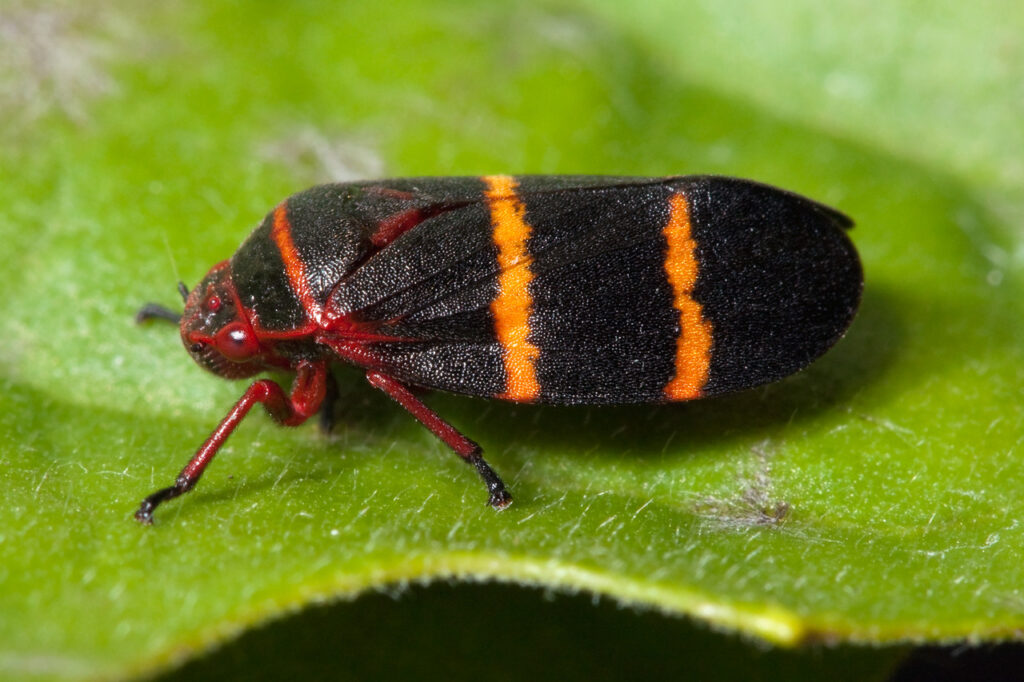
Froghoppers, tiny insects also known as spittlebugs, create remarkable “bubble homes” as nymphs. They produce a frothy foam by mixing air with secreted fluids, forming a protective bubble around themselves on plant stems. This frothy shield helps regulate temperature, prevents dehydration, and deters predators. Scientists are still uncovering exactly how froghoppers generate and maintain these bubbles so efficiently. These natural “bubble homes” remain one of nature’s curious mysteries, showcasing an extraordinary survival strategy.
9. Suicidal Tendencies of Mass-Stranding Whales
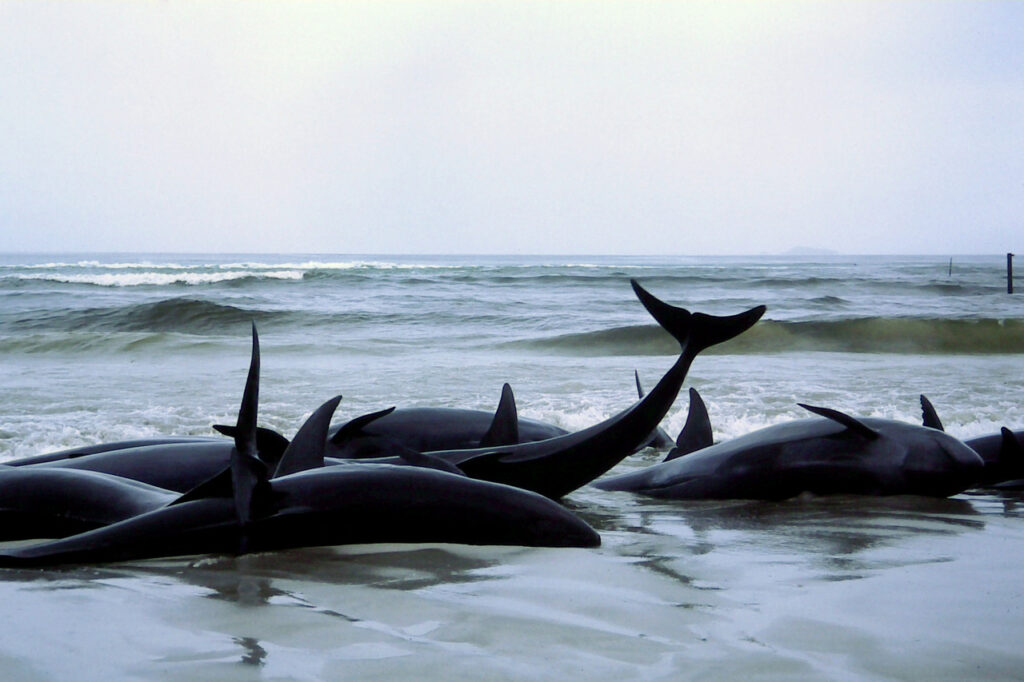
Mass strandings of whales remain one of nature’s most puzzling mysteries. Some scientists suggest these events may be linked to the whales’ strong social bonds, where a distressed leader or sick individual leads the entire pod ashore, sometimes resulting in death. This behavior resembles a form of collective tragedy, almost like a suicidal tendency driven by loyalty or confusion. Despite extensive research, the exact reasons behind these mass strandings and whether they involve intentional self-harm remain unclear.
10. Reason Why Octopuses Punch Fish
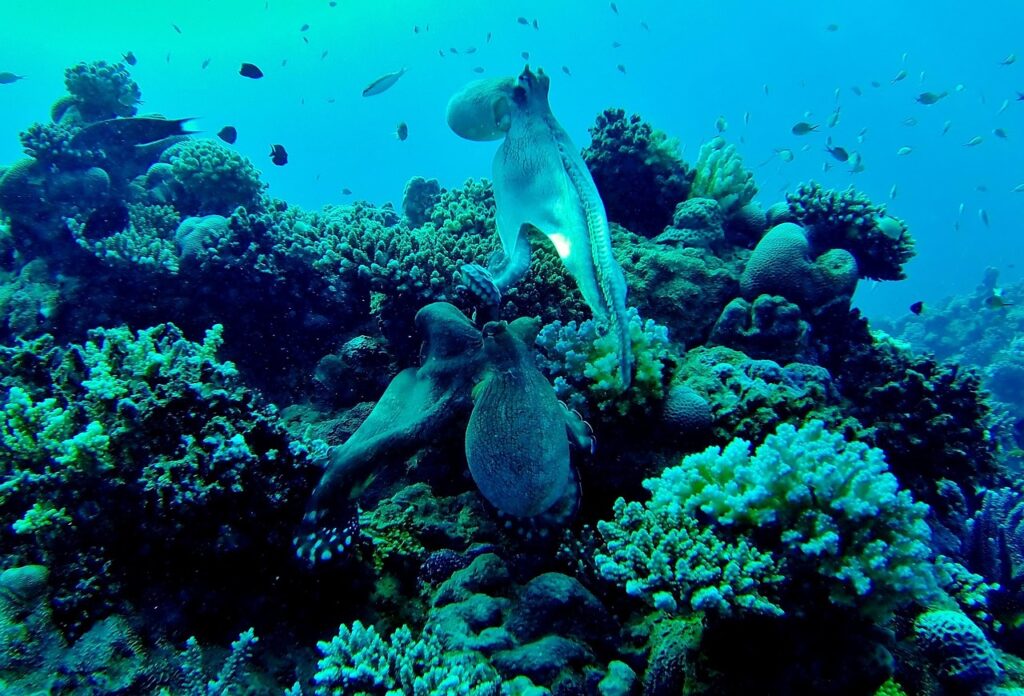
Octopuses are known for their curious and sometimes aggressive behavior, including the surprising act of punching fish. Scientists believe this behavior serves multiple purposes: it may be a way to defend territory, intimidate potential threats, or assert dominance over other marine creatures. Some researchers suggest it could also be a method to stun or confuse prey, making them easier to catch. Despite ongoing studies, the exact reasons behind octopus punching remain a fascinating mystery in marine biology.