
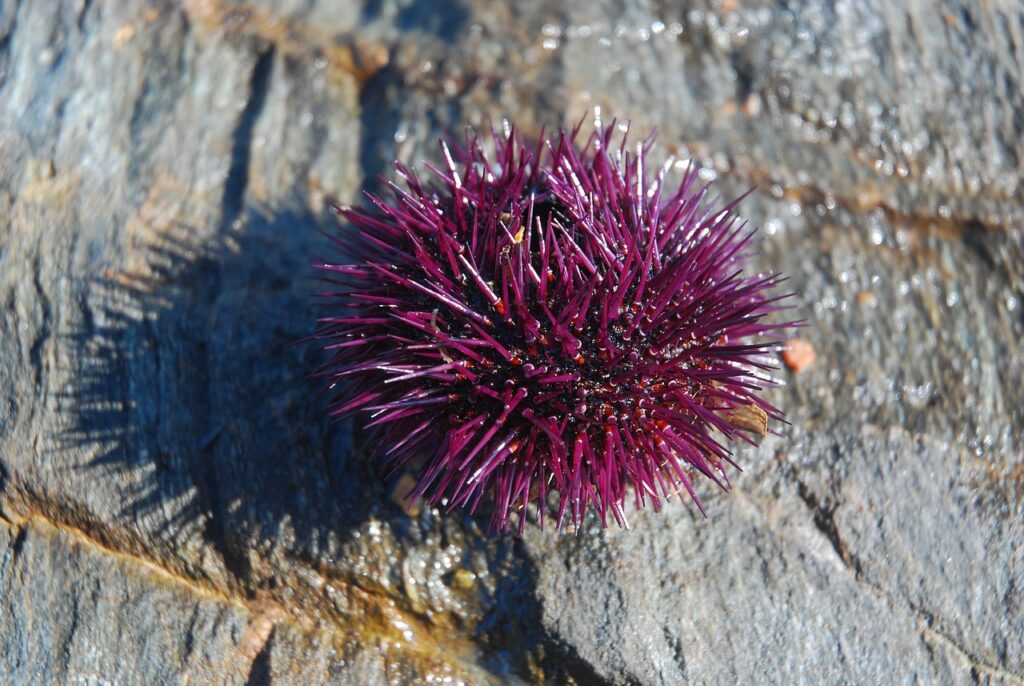
Animals have often found themselves at the center of major scientific milestones, not by choice but through their unexpected impact. From space exploration to breakthroughs in language and genetics, these creatures helped answer some of humanity’s most pressing questions. Though they never sought recognition, their roles in shaping science are unforgettable. Here are ten animals whose legacies continue to influence what we know today.
1. Laika the Space Dog
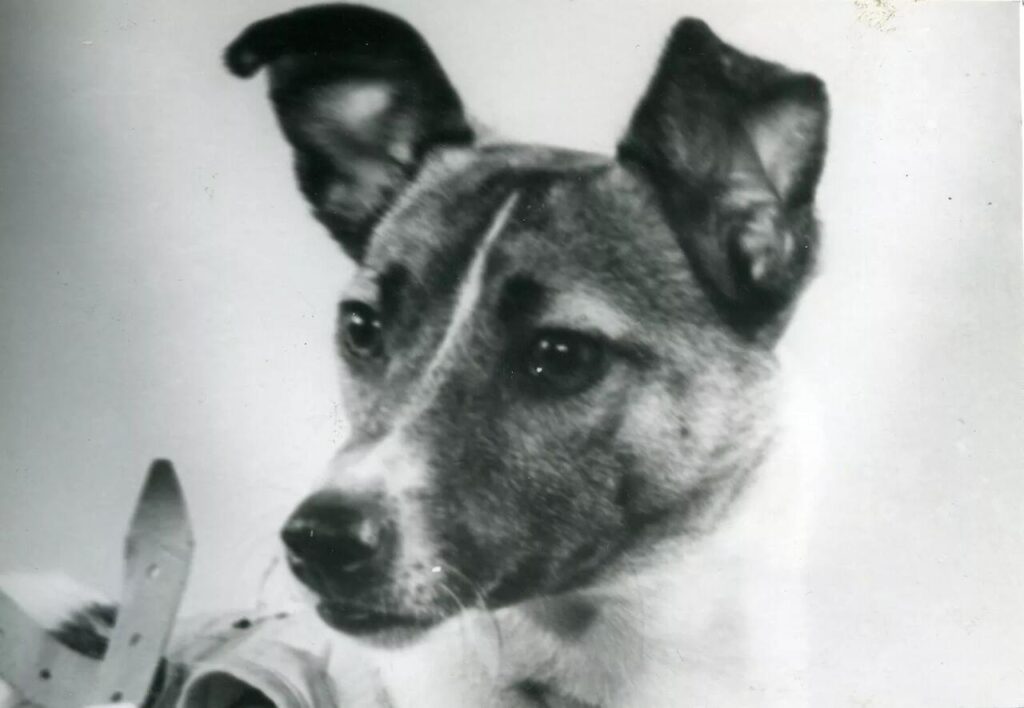
In 1957, Laika became the first creature with life to course Earth, riding with the Soviet Sputnik 2. Selected as a stray from Moscow’s streets, she was selected for her size and calm nature. Though she did not survive the mission, her journey proved that a living organism could withstand launch and space conditions, paving the way for future manned missions. Laika’s sacrifice marked a turning point in the space race and changed how we view both animal welfare and space research.
2. Dolly the Sheep
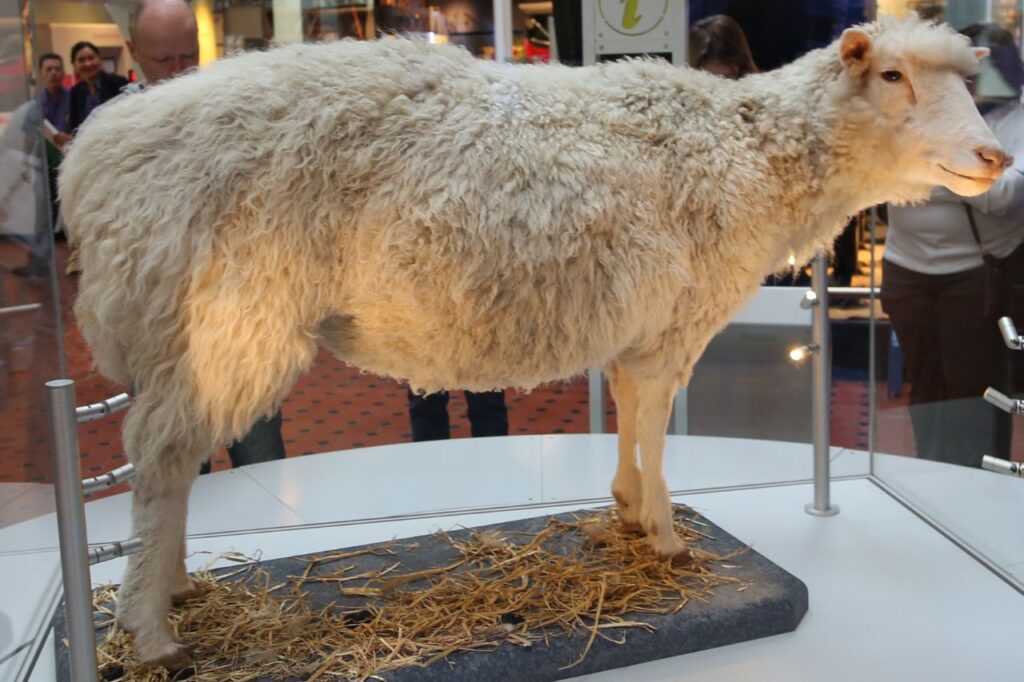
Dolly was the world’s first cloned mammal, created in 1996 using a technique called somatic cell nuclear transfer. Scientists cloned her from a single adult sheep’s udder cell, proving that specialized cells could generate an entirely new organism. Dolly’s birth revolutionized the field of genetics and sparked global discussions about cloning ethics. Her legacy lives on in stem cell research, regenerative medicine, and our deepened understanding of genetic development and cellular memory.
3. Togo the Sled Dog
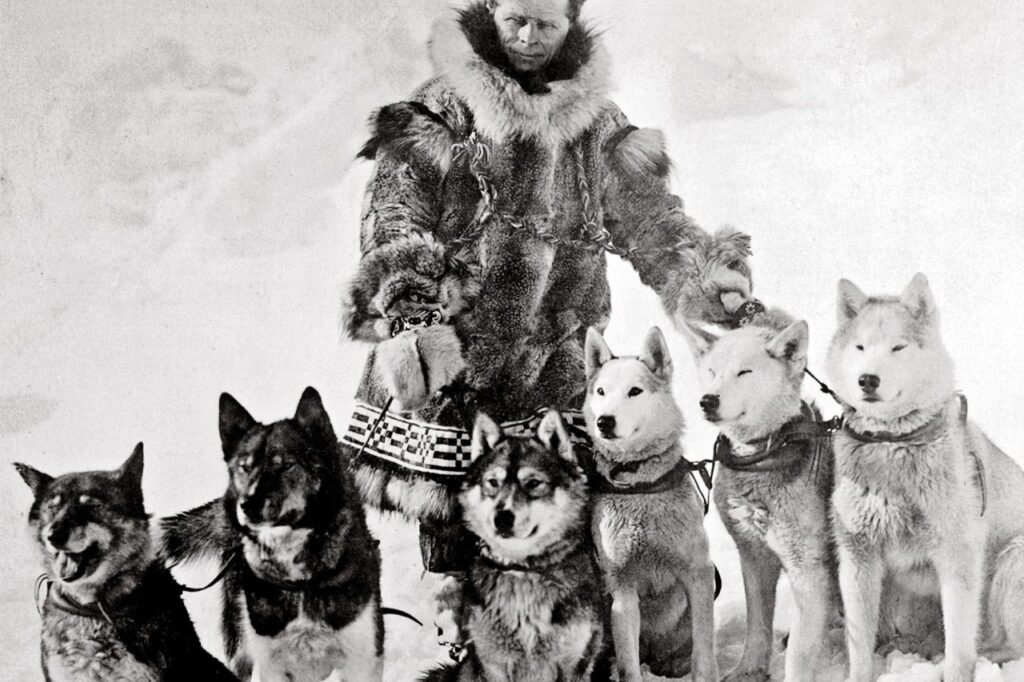
Togo, a Siberian Husky, played a crucial role in the 1925 serum run to Nome, Alaska, helping deliver life-saving diphtheria antitoxin across nearly 260 miles of harsh, frozen terrain. While Balto received most of the fame, Togo led the most dangerous and longest leg of the journey. His strength, intelligence, and stamina helped prove the value of canine transport in extreme environments. Togo’s story inspired further research into animal endurance, teamwork, and survival science.
4. Alex the African Grey Parrot
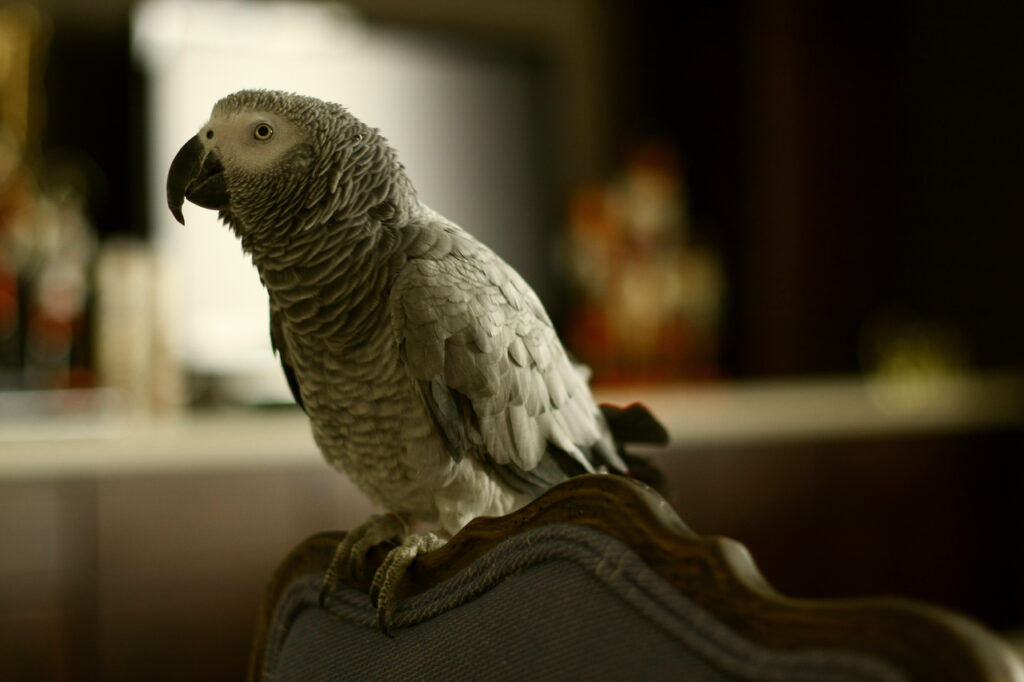
Alex, an African grey parrot studied by Dr. Irene Pepperberg, astonished the world with his communication skills. Over three decades, he learned to recognize objects, count up to six, and even express concepts like “bigger” and “same.” He could identify colors, shapes, and quantities with surprising accuracy. Alex’s intelligence challenged long-held assumptions about avian cognition, showing that birds were capable of reasoning and emotional depth. His work helped redefine how we view animal intelligence.
5. Albert II the Space Monkey
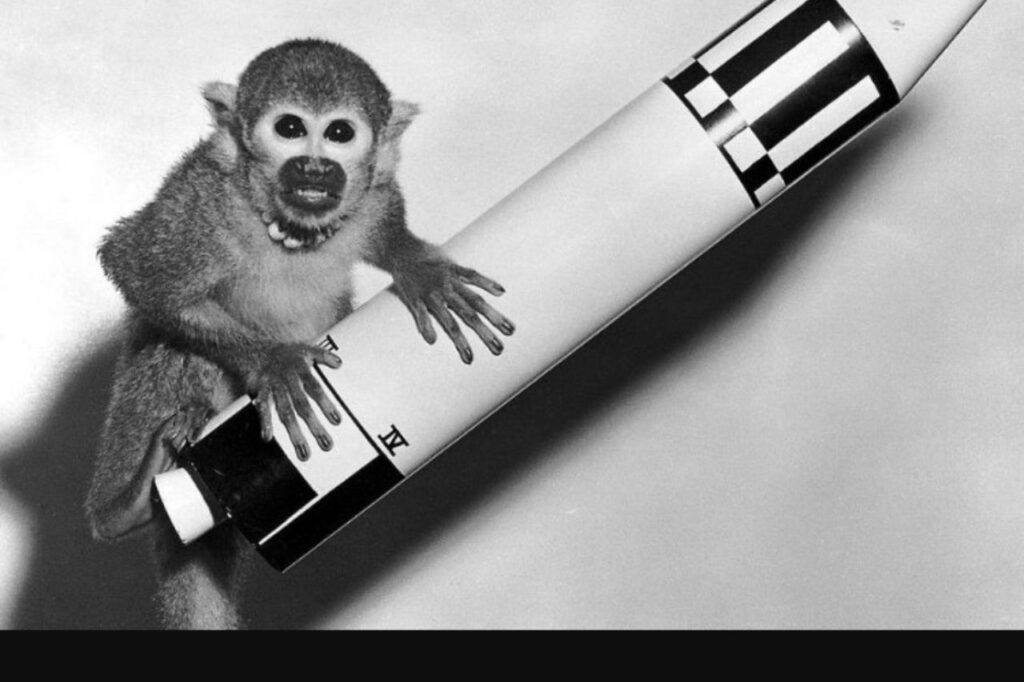
Albert II became the first monkey in space in 1949 when he was launched aboard a U.S. V-2 rocket. Although he didn’t survive reentry due to a parachute failure, his brief journey yielded valuable biological data. Scientists used his mission to study respiration, circulation, and the physical stresses of space travel. Albert II’s flight laid the groundwork for human space missions and helped researchers understand how to prepare living bodies for the harsh realities of outer space.
6. Jim the Wonder Dog

Jim, a Llewellin Setter from the 1920s, astonished spectators by reportedly predicting sporting event winners and understanding complex commands in several languages. Though his abilities remain scientifically unexplained, researchers and skeptics alike examined him in hopes of understanding animal perception. Jim became a local legend and sparked debates about extrasensory perception and animal cognition. Whether psychic or highly intuitive, his case left scientists intrigued by what animals truly understand.
7. Koko the Gorilla
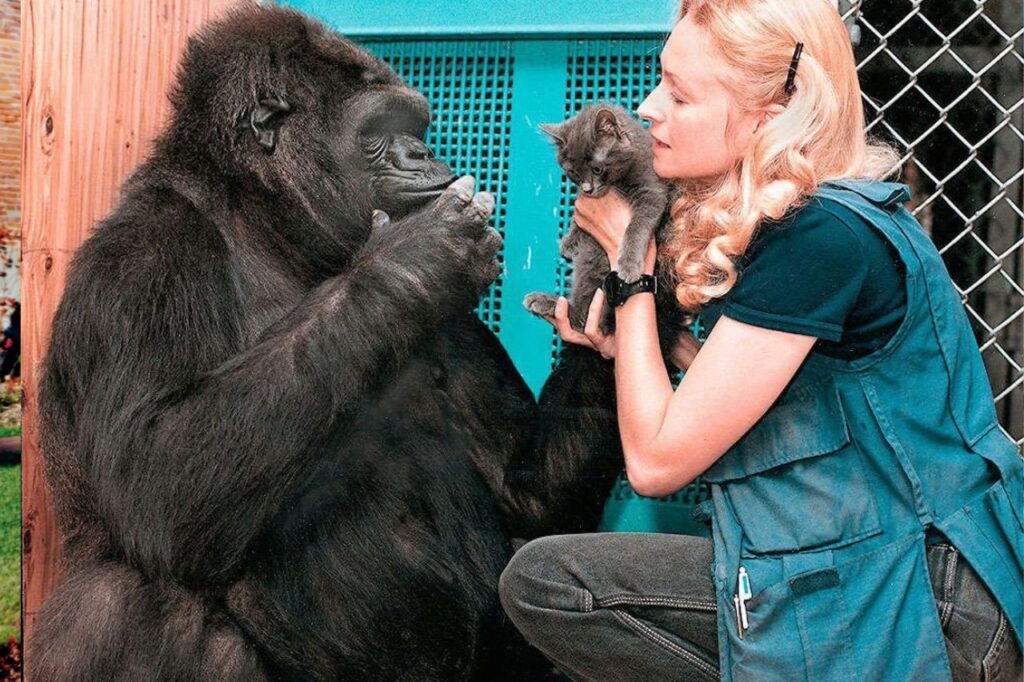
Koko, a western lowland gorilla, became famous for learning over 1,000 signs from American Sign Language. She could also comprehend spoken English and displayed emotions such as joy, sadness, and even grief. Through her close relationship with Dr. Francine Patterson, Koko offered a window into primate empathy, intelligence, and communication. Her story transformed how we view animal sentience and sparked global interest in gorilla conservation and the ethical treatment of great apes in research.
8. Fruit Flies in Genetics
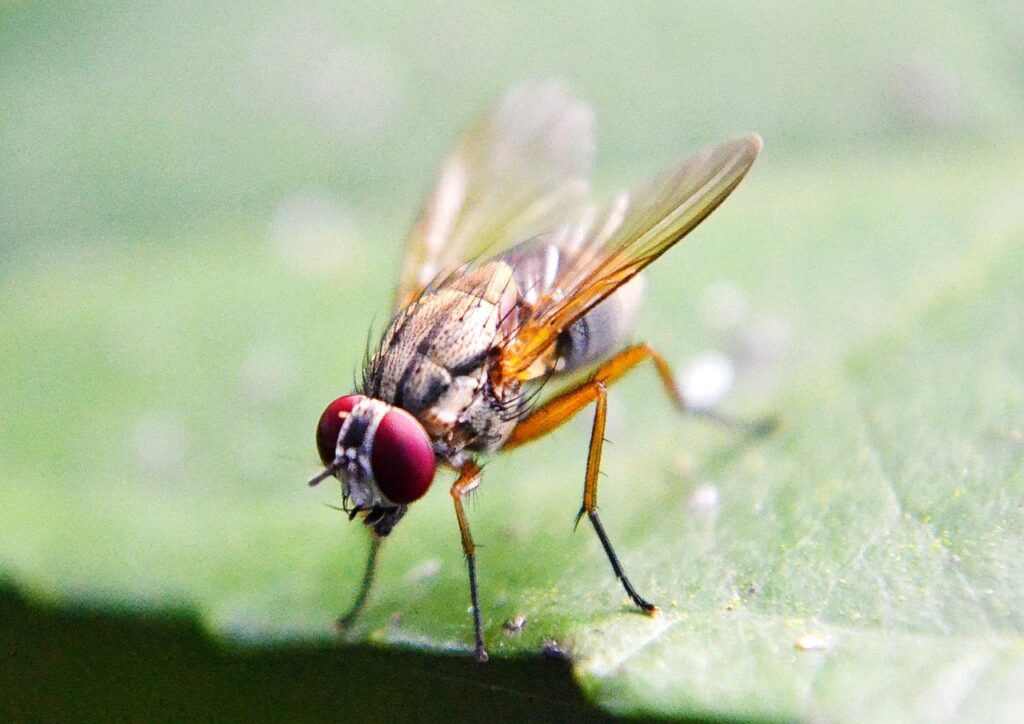
Drosophila melanogaster, or the common fruit fly, has been a cornerstone of genetic research for over a century. These tiny insects reproduce rapidly and have a simple genome, making them ideal for studying inheritance and mutations. Pioneering work with fruit flies revealed key principles such as gene mapping and chromosomal behavior. Their continued use in labs around the world helps scientists uncover the genetic roots of disease, development, and evolution with incredible efficiency.
9. Nim Chimpsky the Chimpanzee
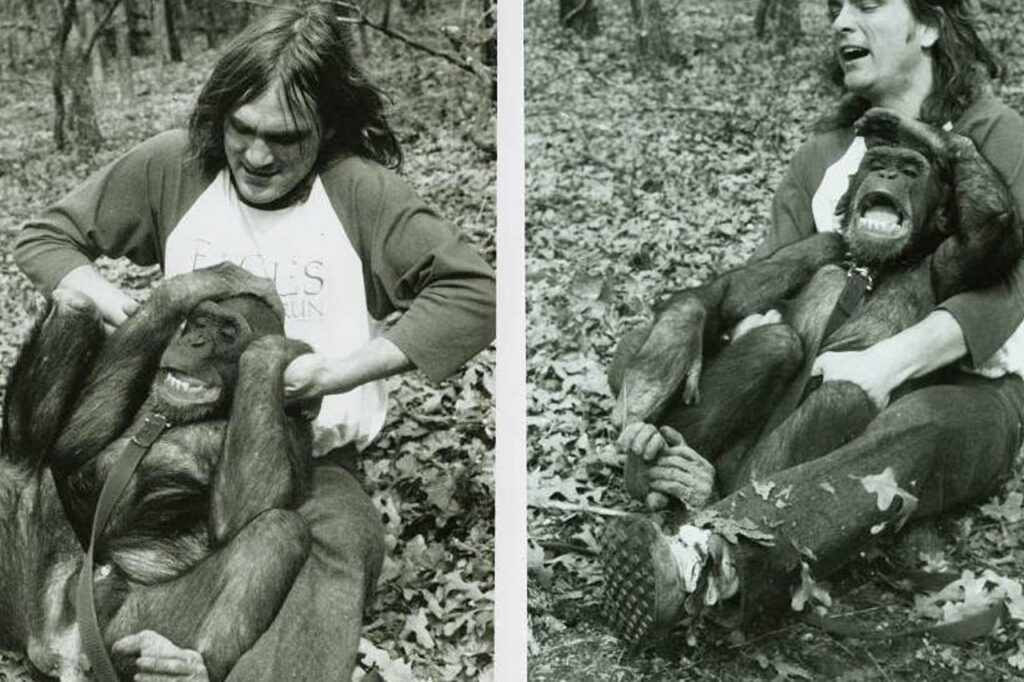
Nim Chimpsky was raised in a human household as part of a 1970s experiment to see if chimpanzees could learn language. While he did learn to use many signs, researchers concluded that his use of language lacked grammatical structure. Still, Nim’s life raised ethical concerns about how animals are treated in research. The project sparked important discussions about language, cognition, and the limits of human-animal communication, influencing future studies and scientific approaches to primate care.
10. Sea Urchins and Embryology
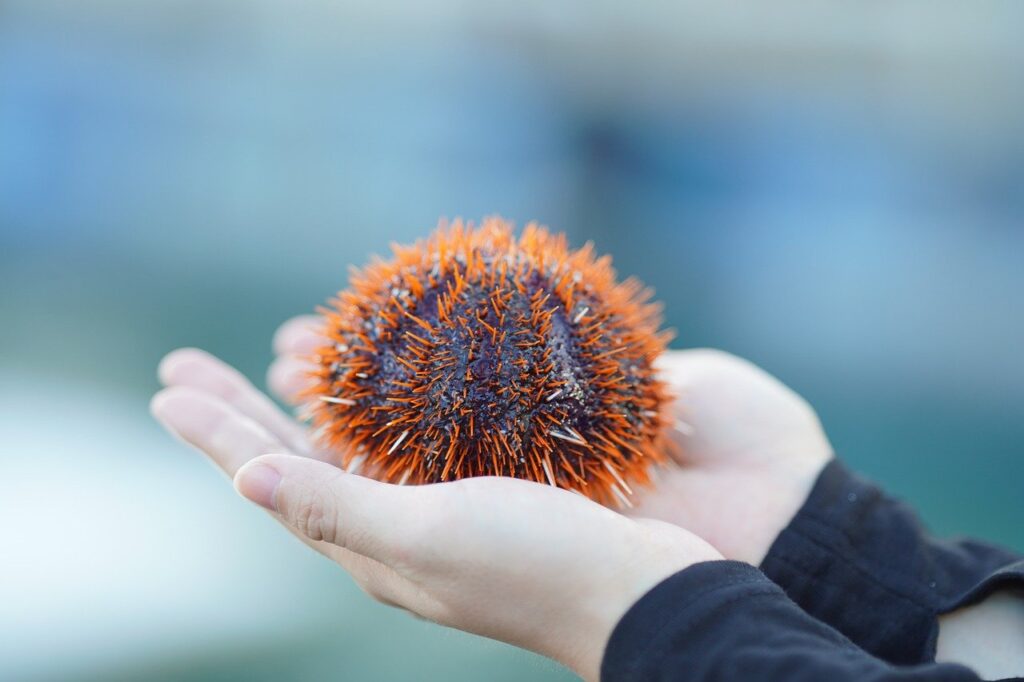
Though small and spiny, sea urchins have played a huge role in developmental biology. Their transparent embryos allowed early scientists to watch cell division in real time, leading to discoveries about fertilization, gene expression, and differentiation. Sea urchins remain essential in studying early development and cellular function. Their contribution to our understanding of how life begins and evolves continues to influence cancer research, stem cell studies, and reproductive biology today.