
Nature never ceases to amaze, and among its many wonders are animals with blue blood. Unlike our iron-based red blood, these creatures have copper-based hemocyanin, giving their blood a bluish hue. This unique trait isn’t just for show—it’s a key adaptation for oxygen transport in their specific environments. Let’s explore some of these unique beings that captivate our curiosity.
1. Horseshoe Crab: Ancient Survivor
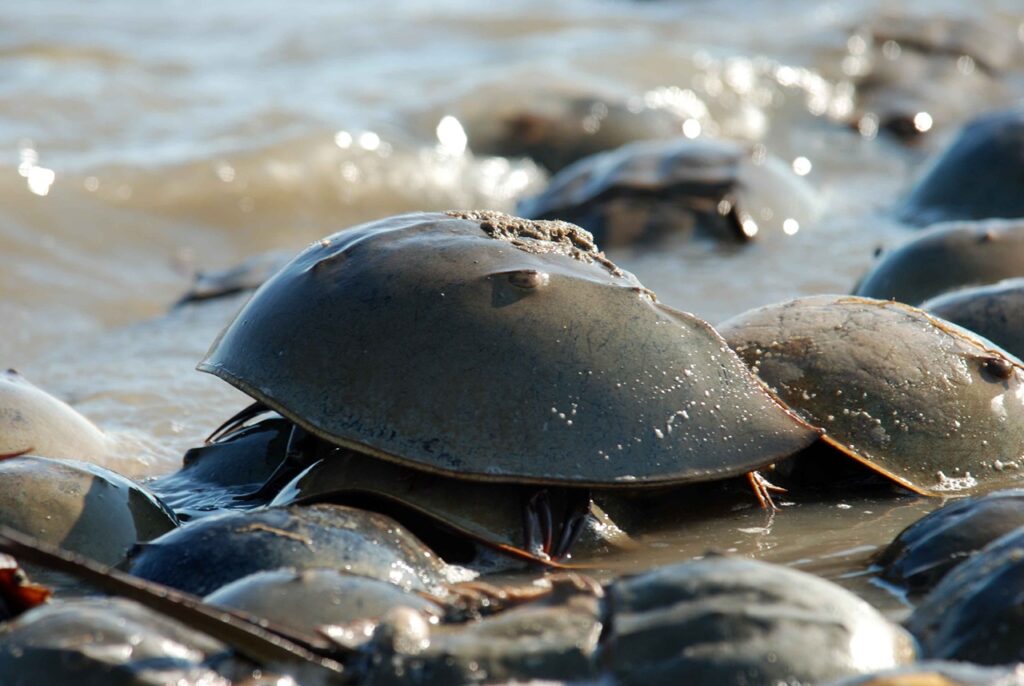
The horseshoe crab, often called a living fossil, has roamed the Earth for over 450 million years. Its blue blood plays a critical role in medical research due to its ability to detect bacterial endotoxins. Found along North American and Asian coasts, these creatures utilize their blue blood to thrive in low-oxygen environments. As they scuttle along the seabed, they offer scientists insights into evolution and environmental adaptations.
2. Octopus: Intelligent Invertebrate
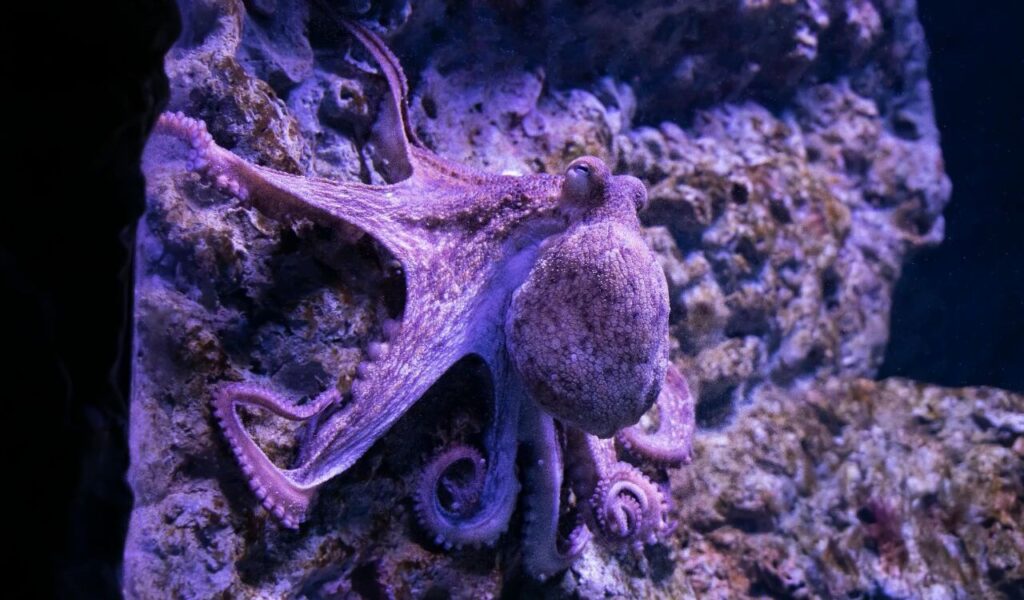
Octopuses are renowned for their intelligence and captivating behaviors, such as problem-solving and camouflage. Their blue blood helps them survive in cold, deep waters by efficiently transporting oxygen. Equipped with three hearts, they are masters of their underwater domain. Observing an octopus navigate its surroundings is like witnessing a dance of nature—full of mystery and fascination.
3. Squid: Swift Swimmers
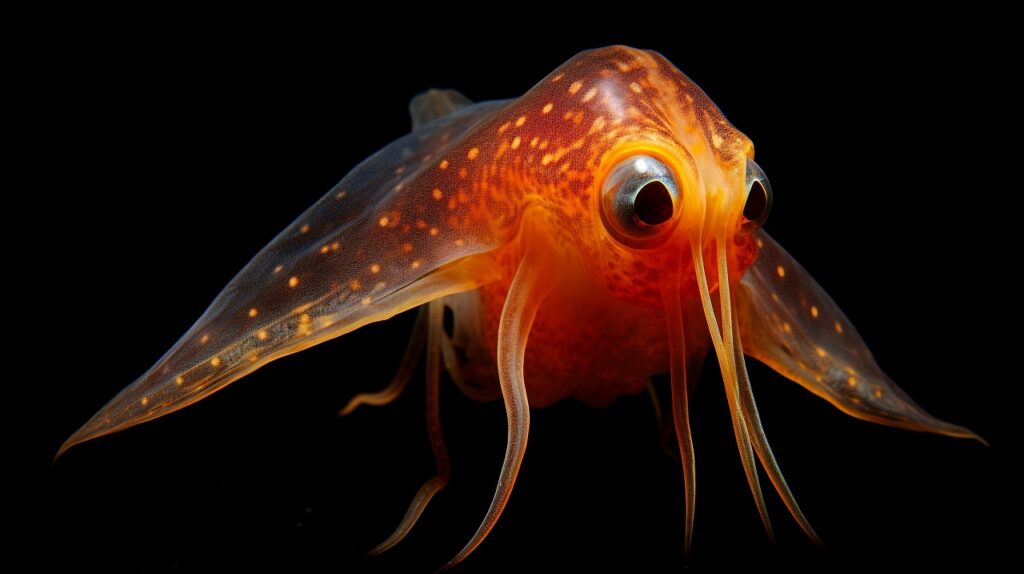
Squid are the speed demons of the ocean, jetting through water with remarkable agility. Their blue blood enables them to thrive in deep, oxygen-poor environments. Armed with tentacles and a sharp beak, squid utilize their incredible swimming prowess to evade predators and hunt prey. Watching a squid glide through the ocean is akin to seeing an underwater ballet, showcasing precision and grace.
4. Spiders: Eight-Legged Wonders

While spiders may not initially come to mind, some have blue blood due to hemocyanin, especially found in more primitive species. Aside from their unique blood, spiders are ecological powerhouses, controlling insect populations and sustaining food webs. Their diverse forms and fascinating web-spinning abilities highlight the complexity of nature, making them both feared and admired in the animal kingdom.
5. Scorpions: Nighttime Predators
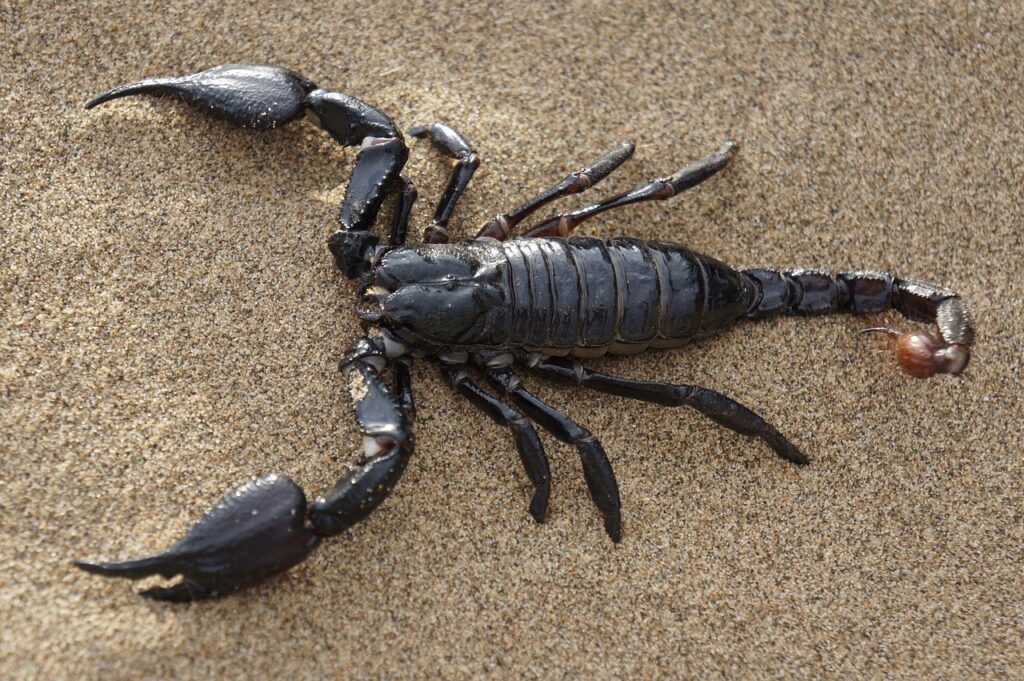
Under the moonlit desert, scorpions become the stealthy predators of the night. These arachnids have a fascinating adaptation: their blue blood. It’s due to hemocyanin, which uses copper to transport oxygen, unlike the iron-based hemoglobin in humans. This copper-based blood allows scorpions to thrive in low-oxygen environments. Scorpions possess a remarkable glow under UV light, a mysterious feature that adds to their allure and enables them to hunt their prey with precision in their arid habitats.
6. Snails: Slow and Steady
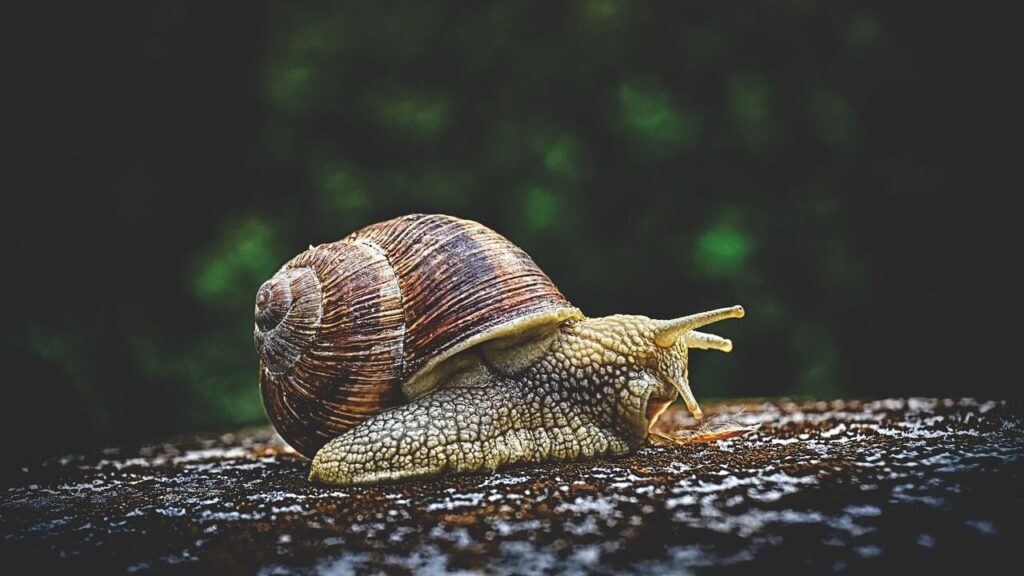
With a rhythmic pace that defines them, snails glide across garden paths, leaving a silvery trail behind. Like scorpions, they boast blue blood thanks to hemocyanin. This unique feature supports their survival in both terrestrial and aquatic ecosystems by efficiently distributing oxygen. Snails are critical decomposers, munching on leaves and detritus, and play a pivotal role in nutrient cycling. Their spiral shells provide protection and serve as mobile homes, a testament to their adaptability and tenacity.
7. Mussels: Underwater Filterers
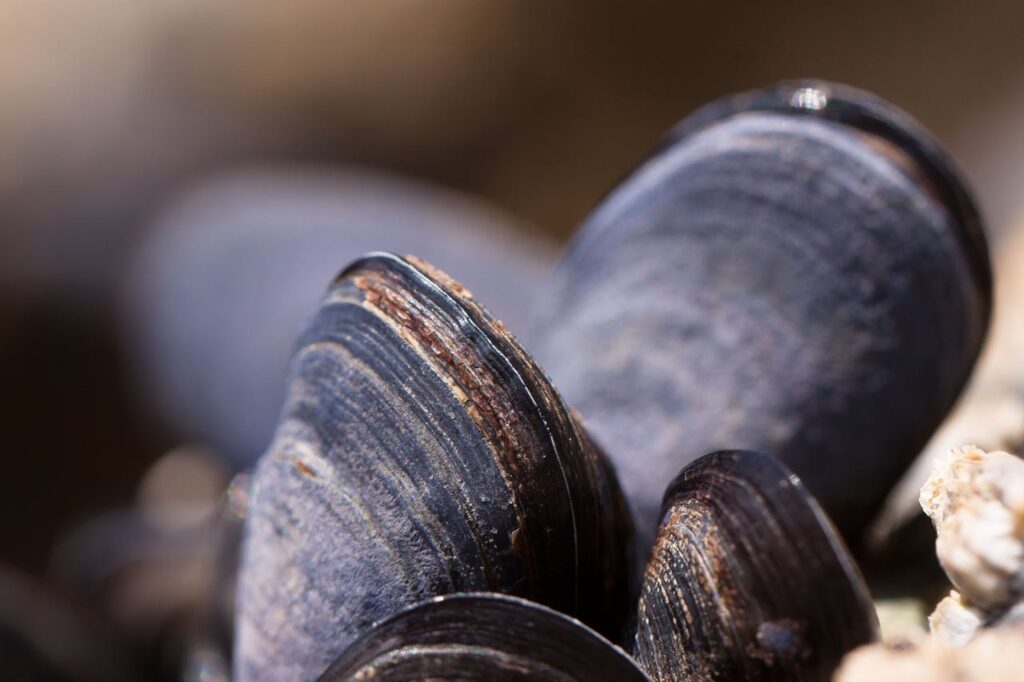
Anchored to rocks or buried in sand, mussels are nature’s water purifiers. Their blue blood, equipped with hemocyanin, enables them to thrive in oxygen-poor aquatic environments. Mussels filter water to feed, effectively removing pollutants and clarifying their habitat. This not only benefits their own survival but also enhances the entire aquatic ecosystem. Their ability to cling to surfaces using byssal threads showcases their resilience and crucial ecological role in maintaining water quality.
8. Lobsters: King of Crustaceans
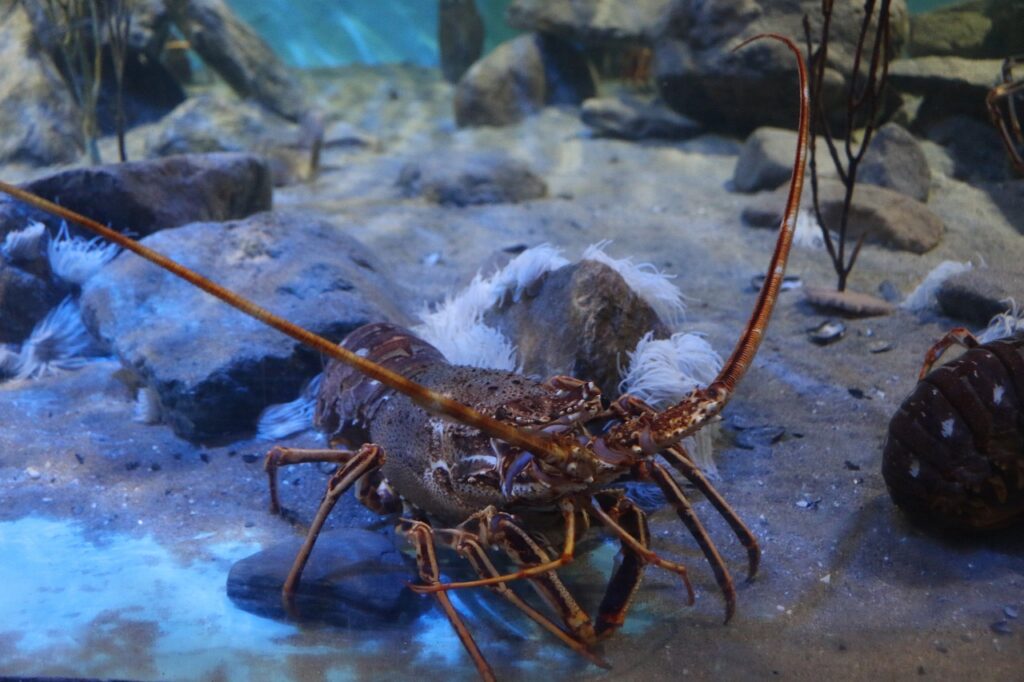
Beneath the ocean waves, lobsters reign supreme as formidable crustaceans. Their blue blood, rich with hemocyanin, supports their oceanic dominance. Lobsters are predominantly nocturnal hunters, using their powerful claws to capture prey. They exhibit fascinating behaviors such as molting, which allows growth and regeneration. Their long lifespans and complex social structures demonstrate a sophisticated and adaptable nature, making them a fascinating subject of marine biology and ecology.
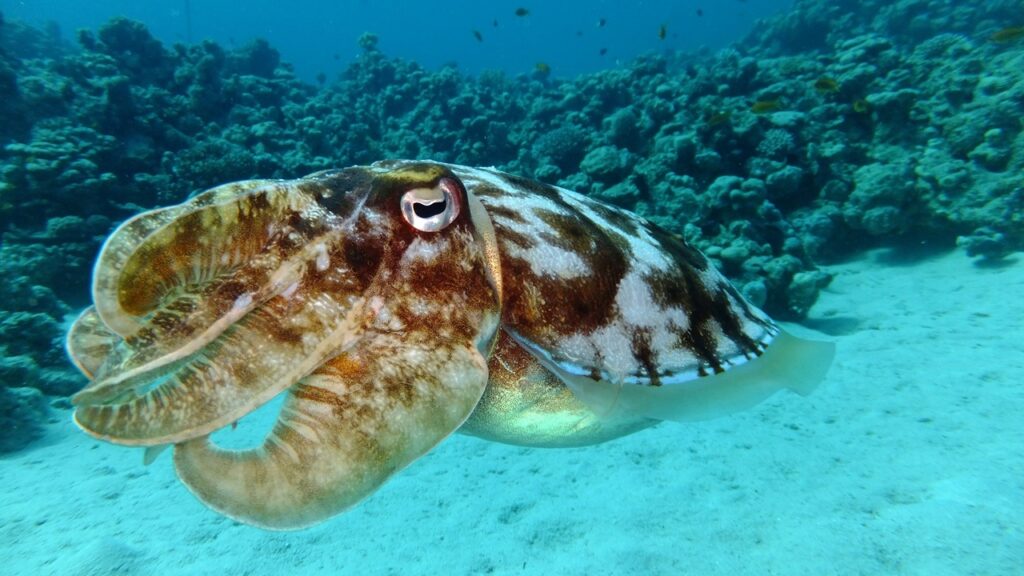
9. Cuttlefish: Masters of Camouflage
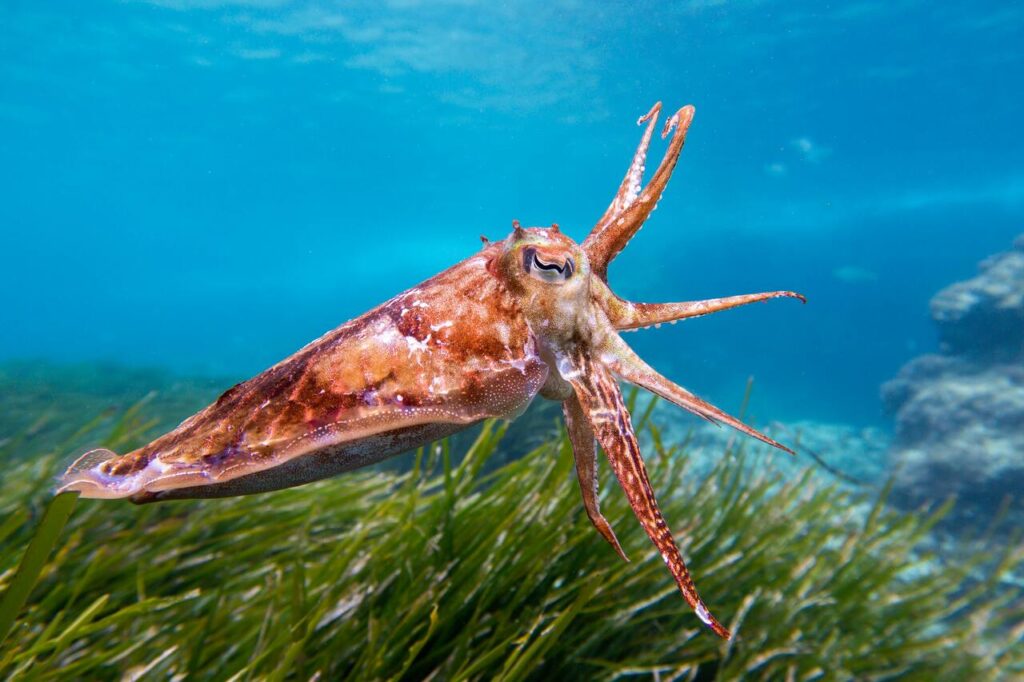
In the dynamic depths of the sea, cuttlefish are the elusive masters of disguise. Their unique blue blood is powered by hemocyanin, a trait shared with many marine invertebrates, enabling them to excel in their watery domain. Cuttlefish are renowned for their remarkable ability to change color and texture, a skill used for communication, hunting, and evasion from predators. Their intelligence is unparalleled among cephalopods, with complex learning behaviors that captivate scientists and ocean enthusiasts alike.
10. Crabs: Coastal Dwellers
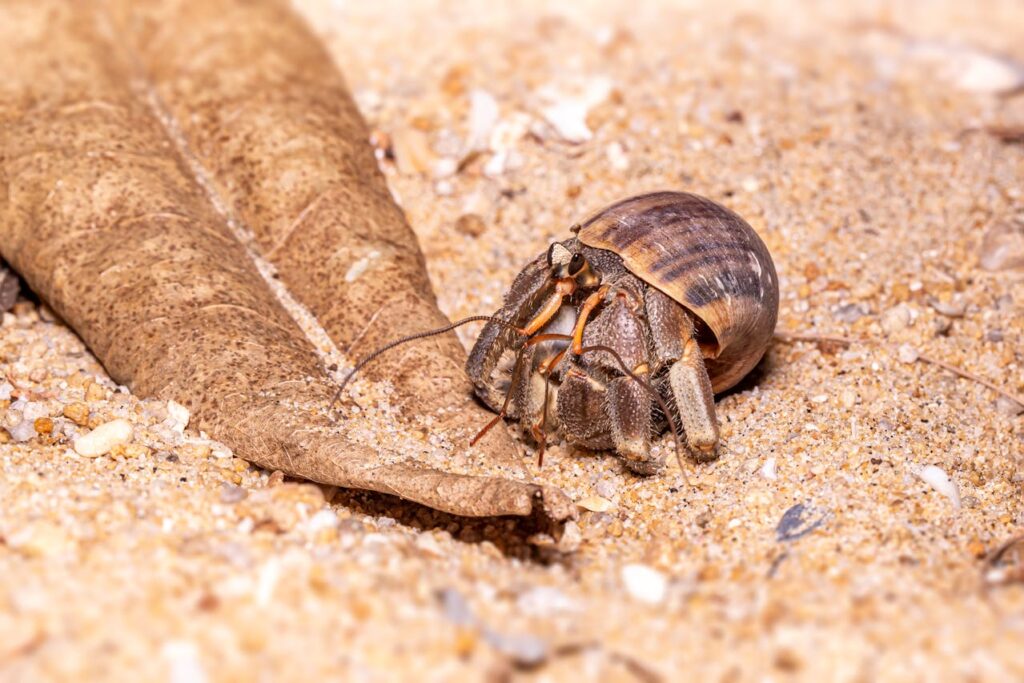
Crabs scuttle along the seashores as some of the most fascinating creatures with a remarkable feature—blue blood. Unlike humans, crabs utilize copper instead of iron in their blood, resulting in a striking blue hue when oxygenated. This unique adaptation allows them to thrive in low-oxygen environments and makes them invaluable for medical research. Instead of being kept as pets, crabs are better admired in their natural habitat. Their quirky sideways walk and ability to blend with rocky shores make them nature’s agile climbers, deserving respect and conservation.