

Heart rates vary greatly across animals, ranging from the rapid-fire flutter of a hummingbird’s heart to the steady, repetitive thud of a blue whale. Understanding these extremes not only gives us a deeper appreciation for animal biology but also offers insights into what’s normal—or dangerous—for our pets. According to a study published in ELSEVIER, metabolic rates and heart rhythms are closely linked to body size, activity levels and perception of temporal information. Let’s explore 10 animals with wildly unusual heart rates and what lessons they hold for keeping your own pet healthy.
1. Hummingbird – Tiny Bird, Turbo Heart
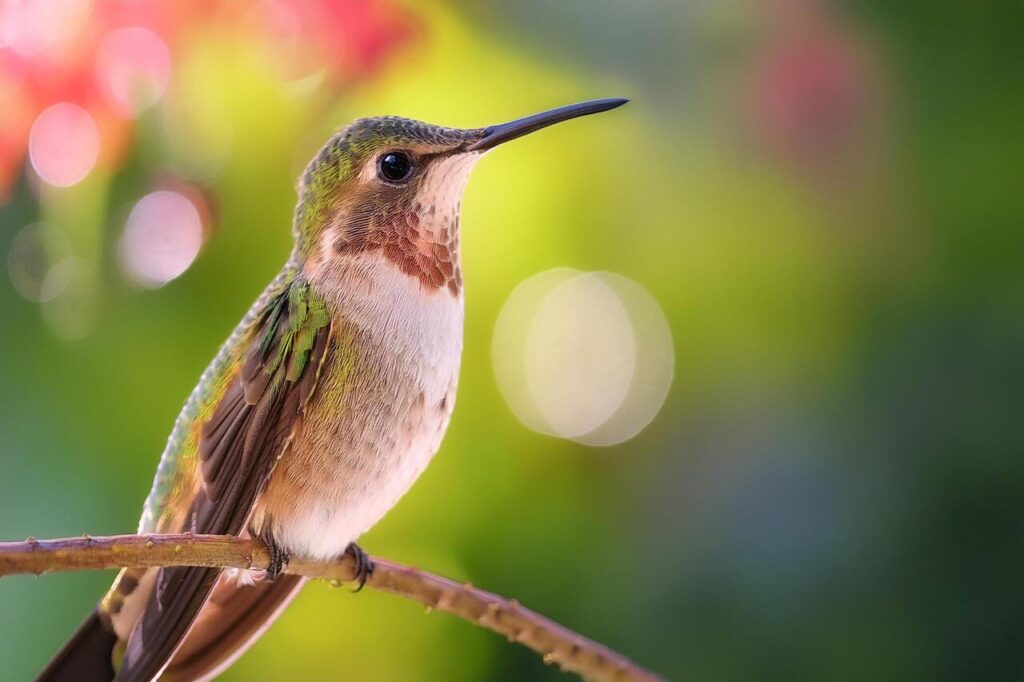
Imagine your heart beating 1,200 times per minute. That’s the life of a hummingbird, whose rapid-fire heart keeps pace with its frantic wingbeats. These birds have the highest heart rate of any bird species, necessary to sustain their energy-intensive hovering. For pet bird owners, this highlights the importance of calm, stress-free environments—sudden noise or changes can spike their heart rate dangerously high. It also underlines the need for high-energy diets in active, small pets like finches or parakeets.
2. Blue Whale – The Ocean’s Slow and Steady Giant

At the other end of the spectrum is the blue whale, whose heart beats just 2–10 times per minute while diving. This ultra-low heart rate allows it to conserve oxygen while submerged for extended periods. While most of us don’t own aquatic mammals, this points to how heart rate adapts to activity. Large dog breeds, for example, often have slower resting heart rates than small breeds, and understanding this can help pet owners detect abnormalities more easily during vet visits.
3. Elephant – Big Body, Big Heart, Low BPM
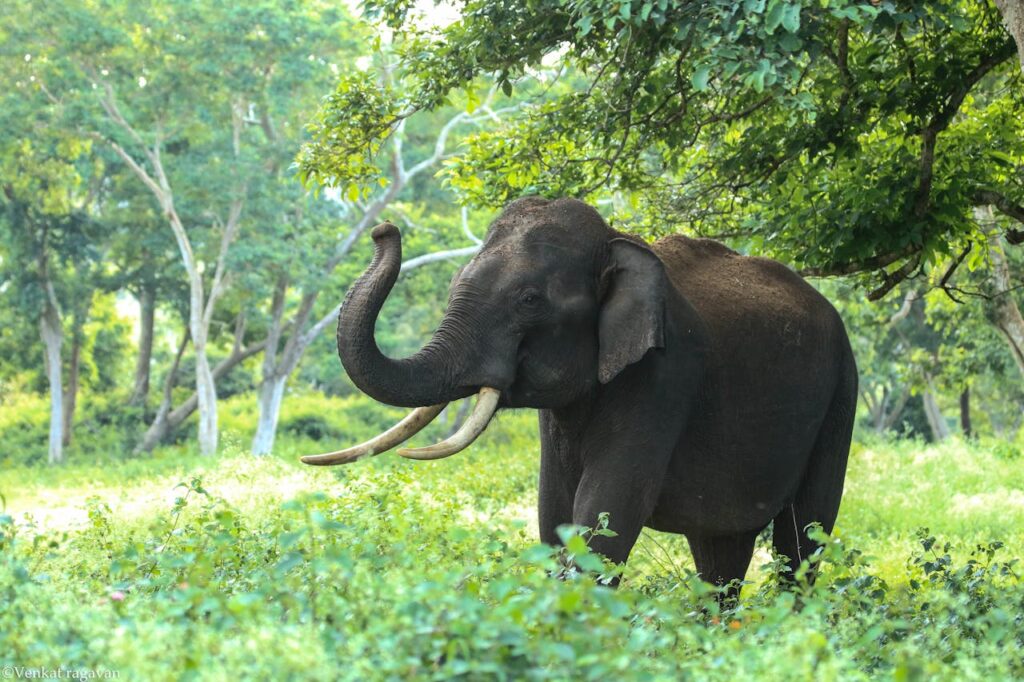
With a heart weighing up to 30 pounds, the elephant’s pulse remains around 25–35 beats per minute. Its massive body size means it doesn’t need a fast beat to pump blood effectively. For owners of large dog breeds like Great Danes or Mastiffs, this is a crucial comparison. A lower-than-expected heart rate may be perfectly normal—but only if it’s consistent with breed norms. Always ask your vet what’s normal for your pet’s size and age.
4. Ferret – Fast Beaters With Hidden Risk

Ferrets average 200–250 beats per minute, rivaling the pace of a rabbit or small dog. That’s because they’re active, high-energy carnivores with fast metabolisms. Their elevated heart rate makes them vulnerable to stress-induced cardiac issues. For pet owners, this emphasizes the importance of gentle handling and routine vet checkups, especially since ferrets often hide symptoms until problems are advanced.
5. Sloth – The Master of Chill
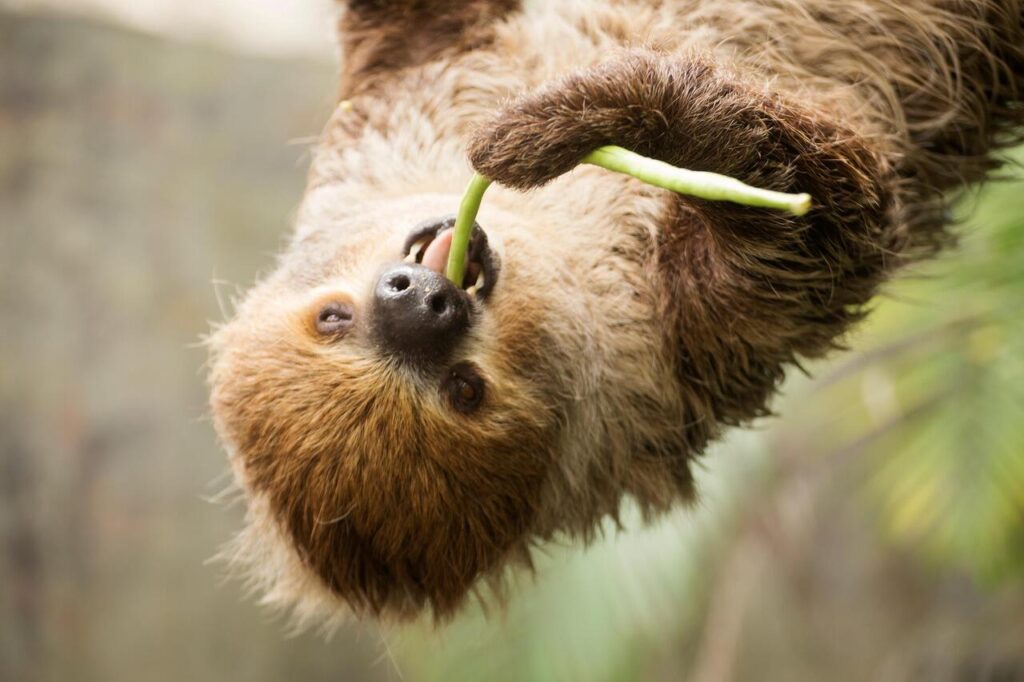
Sloths take the slow life to a new level, with heart rates as low as 20 bpm. Their sluggish metabolism helps them conserve energy in the treetops of Central and South America. While your cat or dog might not be a sloth, overly low heart rates in pets can signal problems—especially if accompanied by lethargy. This is why knowing your pet’s normal energy level and resting pulse is essential for spotting illness early.
6. Rabbit – Fragile and Fast

With a heart rate ranging from 130–325 bpm, rabbits are delicate creatures prone to stress. Even minor handling or environmental changes can send their pulse soaring. If you have a rabbit or similar prey animal, remember they’re wired for flight. Quiet environments, slow movements, and regular health checks can prevent panic-induced heart issues. Their rapid hearts also mean they metabolize medication differently—something your vet must always account for.
7. Dog – From Chihuahua to Great Dane

Dog breed and size have a significant impact on heart rates. A Chihuahua might tick along at 120 bpm, while a large Mastiff could rest closer to 60. Excitement, fear, or illness can swing these numbers fast. Knowing your specific dog’s norm is vital. If your dog pants excessively, becomes suddenly lethargic, or has irregular rhythms, it could be a red flag. Tech-savvy pet owners are increasingly using smart collars that measure vital signs.
8. Cat – Quiet, Steady, but Sensitive
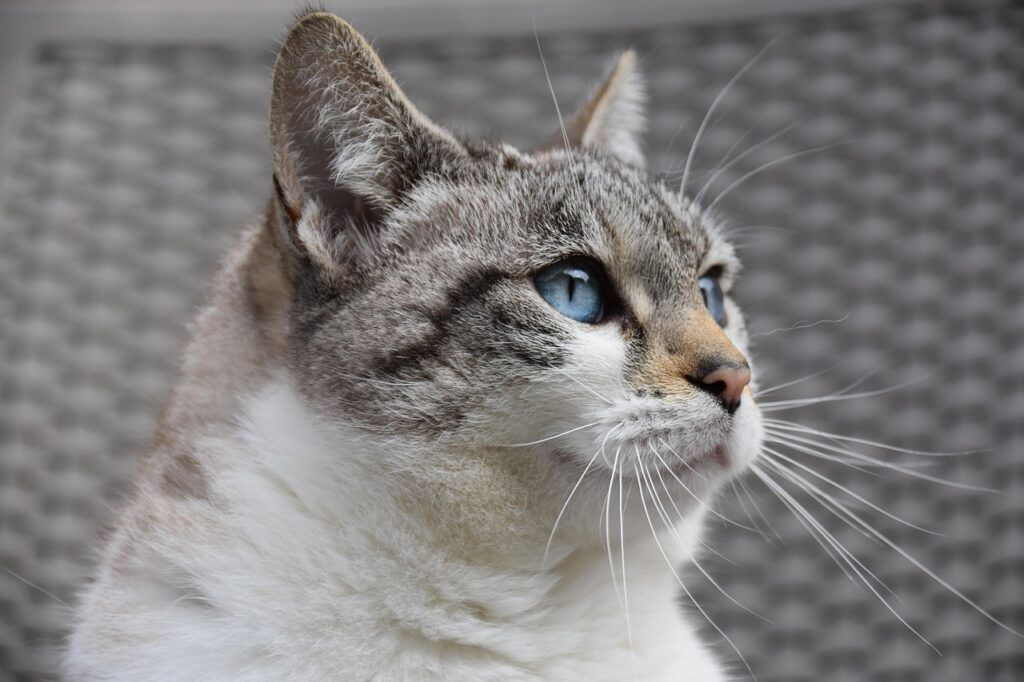
Cats have resting heart rates between 140–220 bpm. They’re stealthy and quiet, but stress and illness can spike their heart rate quickly. Unlike dogs, cats often hide pain or discomfort, making subtle changes in heart rate a useful diagnostic clue. If your cat’s pulse seems too fast or too weak—or if they’re breathing heavily—it’s time to visit the vet. Monitoring heart rate during grooming or cuddle time can be a great early warning system.
9. Guinea Pig – High-Energy in a Compact Package

Guinea pigs might look docile, but their hearts beat fast—between 240–310 bpm. Like rabbits, they’re prey animals designed for rapid response. Stress can be deadly for them. Even loud noises or rough handling can cause dangerous spikes in blood pressure and heart activity. As a guinea pig owner, you need to prioritize calm environments and routine checkups, since cardiovascular issues are not uncommon in older piggies.
10. Horse – Built for Power, Balanced by Calm

With a heart rate around 28–44 bpm, horses have strong, efficient cardiovascular systems. But under stress or exertion, their heart rate can skyrocket. Monitoring your horse’s resting pulse is part of basic equine care. Spikes can indicate pain, illness, or even colic. Like athletes, horses need time to recover from exertion, and knowing their baseline heart rate helps detect early warning signs before visible symptoms appear.