

Freshwater fish captivate aquarists with their vibrant colors, fascinating behaviors, and the tranquility they bring to a home aquarium. But behind the allure of these aquatic gems lies a reality that can surprise even seasoned hobbyists: some of the most beautiful species are also the hardest to keep alive. From delicate water requirements to specific diets and temperaments, these fish demand more than just admiration—they require expertise and dedication. Let’s dive into the hidden challenges of these breathtaking yet fragile creatures.
1. Discus Fish

Often referred to as the “kings of the aquarium,” Discus fish are breathtaking with their vibrant colors and elegant shapes. However, their beauty comes at a cost—they’re among the most sensitive freshwater fish. Discus require pristine water conditions with specific parameters, including soft, slightly acidic water and consistent temperatures between 82-86°F. They are also highly susceptible to stress, which weakens their immune system and makes them prone to diseases. Even minor fluctuations in water quality or temperature can lead to severe health issues, making their care a challenge even for experienced aquarists.
2. Neon Tetra

Neon Tetras are a popular choice for aquariums due to their striking colors and peaceful nature. Yet, their small size and delicate physiology make them surprisingly hard to keep alive. They are extremely sensitive to changes in water parameters and require a stable environment with low nitrates and consistent pH levels. Neon Tetra disease, a condition unique to this species, can spread rapidly and is often fatal. Additionally, their schooling behavior means they need to be kept in groups, which amplifies the need for a larger, well-maintained tank.
3. Freshwater Stingray

Freshwater stingrays are undeniably fascinating, with their smooth, disc-shaped bodies and unique behaviors. However, they demand a level of care that few aquarists can provide. These rays require large tanks with ample floor space and pristine water quality. They are highly sensitive to ammonia and nitrate levels, and their diet of live or frozen food can complicate feeding routines. Their sensitive underbellies are prone to injury, and even a slight mistake in handling or tank setup can lead to their demise.
4. Clown Loach

Clown Loaches are beloved for their playful personalities and striking striped patterns. Despite their hardy appearance, they are surprisingly delicate. These fish are highly social and thrive in groups, requiring a large tank to accommodate their active nature. They are also susceptible to ich, a common parasitic disease, especially when stressed. Maintaining stable water conditions and a proper diet is critical, but their sensitivity to poor water quality and tendency to outgrow smaller tanks make them challenging to keep.
5. Killifish

Killifish are known for their stunning colors and unique patterns, making them a favorite among enthusiasts. However, their care is complicated by their short lifespans, with many species living only a year or two. They require very specific water conditions, often mimicking seasonal changes, and some species are finicky eaters, only accepting live food. Their breeding habits, while fascinating, also demand careful attention to water quality and temperature, making them a poor choice for beginners.
6. Elephant Nose Fish
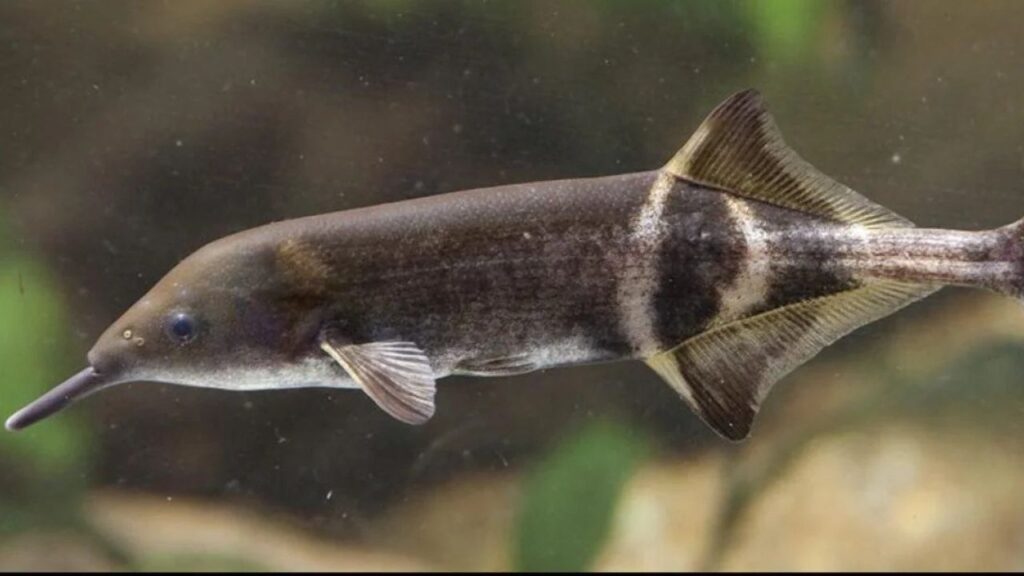
The Elephant Nose Fish stands out with its distinctive snout and high level of intelligence. Yet, these fish are notoriously difficult to care for. They require dim lighting, soft and acidic water, and a peaceful tank environment to thrive. Their diet consists of live or frozen food, which can be challenging to source consistently. Additionally, their reliance on electrical signals for navigation and communication means they are highly sensitive to stress and environmental changes, which can quickly lead to health problems.
7. German Blue Ram

The German Blue Ram is a vibrant, colorful fish that adds beauty to any aquarium. Unfortunately, their stunning appearance is matched by their sensitivity. They require warm, soft, and slightly acidic water to thrive, and even minor fluctuations can cause stress or illness. They are also prone to internal parasites and other diseases, making quarantine and careful monitoring essential. Their peaceful nature means they can be easily bullied by more aggressive tank mates, further complicating their care.
8. Otocinclus Catfish

Otocinclus Catfish are tiny algae eaters often chosen for their ability to keep tanks clean. Despite their utility, they are fragile and require highly specific conditions to survive. They thrive in stable, well-established tanks with plenty of algae and minimal competition for food. Sudden changes in water parameters or a lack of sufficient algae can quickly lead to their decline. Additionally, they are sensitive to medications and other chemicals, making their care particularly challenging for new aquarists.
9. Silver Arowana
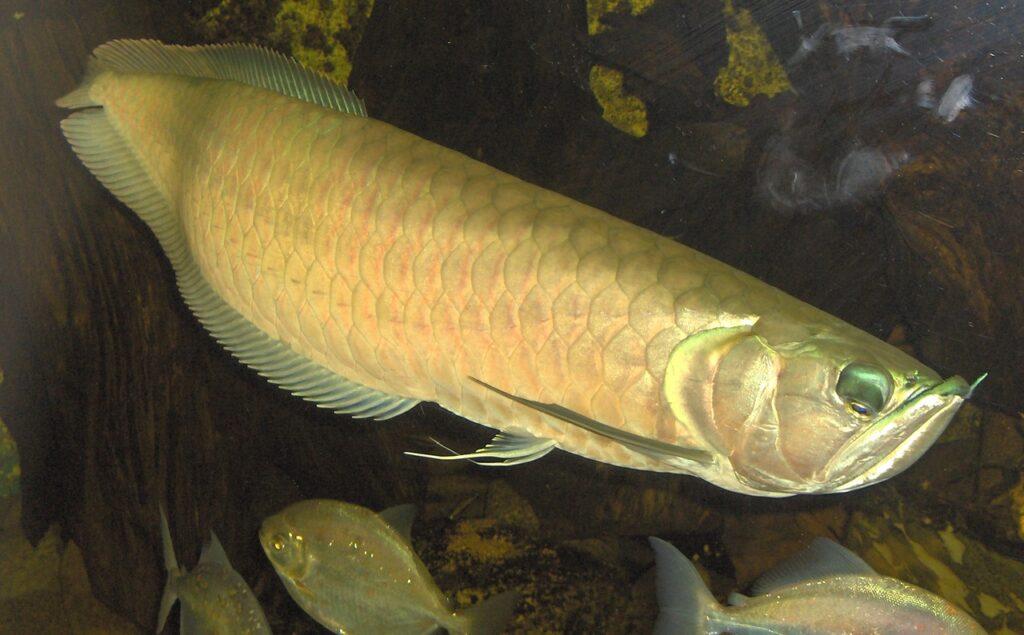
The Silver Arowana is a showstopper with its sleek body and graceful movements. However, this majestic fish grows up to three feet long, requiring massive tanks to accommodate its size and active nature. They are powerful jumpers, necessitating secure lids, and are highly predatory, making them incompatible with most tank mates. Their diet of live prey can be expensive and difficult to manage, and their sensitivity to water quality means constant monitoring and maintenance are crucial.
10. Scarlet Badis

The Scarlet Badis is a jewel-like fish known for its vibrant red coloration and small size. However, their care is far from simple. They are highly territorial, especially among males, and require carefully planned tank setups to minimize aggression. They are also notoriously picky eaters, often refusing anything other than live food. Their small size and low tolerance for poor water quality make them particularly susceptible to stress and disease, demanding meticulous care and attention from their owners.
Love Pets as Much as We Do?

Scroll up and click the ‘Follow’ button to stay updated with the latest heartwarming, hilarious, and helpful pet posts from Pawdown, delivered straight to your Microsoft Start feed and MSN homepage!