
Alaska’s frigid winters require horses that can withstand extreme temperatures, deep snow, and scarce forage. The best cold-weather horse breeds have thick coats, strong hooves, and a resilient metabolism that helps them conserve energy in harsh conditions. Let’s look at ten of the most cold-resistant horse breeds, along with what makes them so well-suited for Alaska’s unforgiving environment.
1. Icelandic Horse

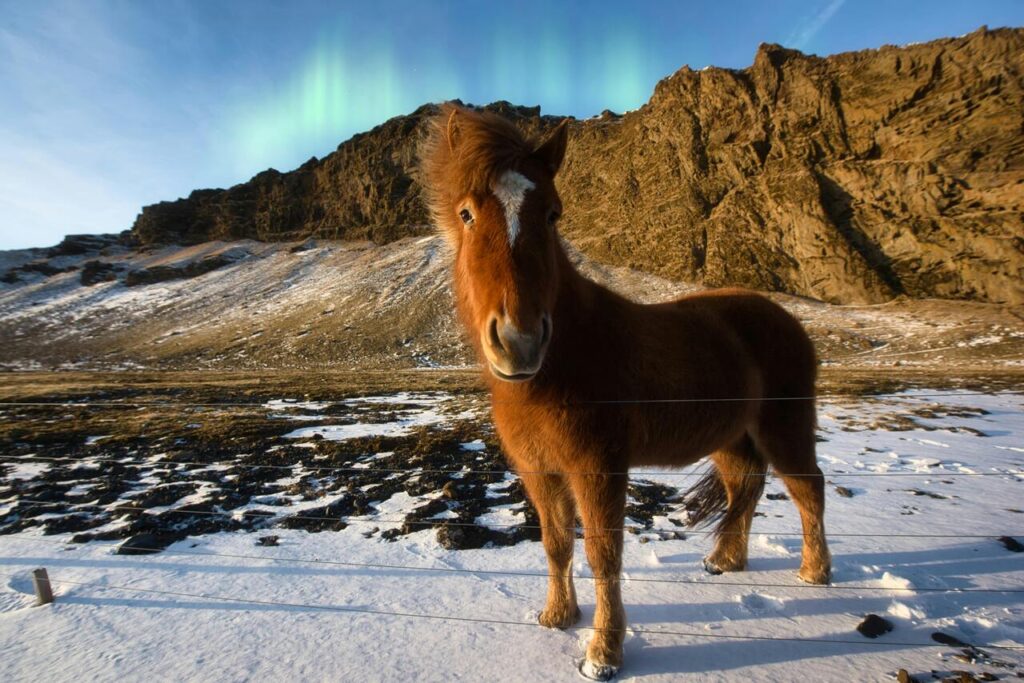
Icelandic Horses are one of the hardiest breeds, having developed in the freezing climate of Iceland. Their dense double-layered coat provides excellent insulation against frigid temperatures, keeping them warm even in severe conditions. Their small but sturdy build allows them to navigate deep snow with ease, and their strong hooves provide traction on icy terrain. Known for their stamina and surefootedness, Icelandic Horses are incredibly resilient and can survive with minimal shelter. Their ability to naturally grow and shed a thick winter coat makes them perfectly suited for Alaska’s cold climate.
2. Yakutian Horse
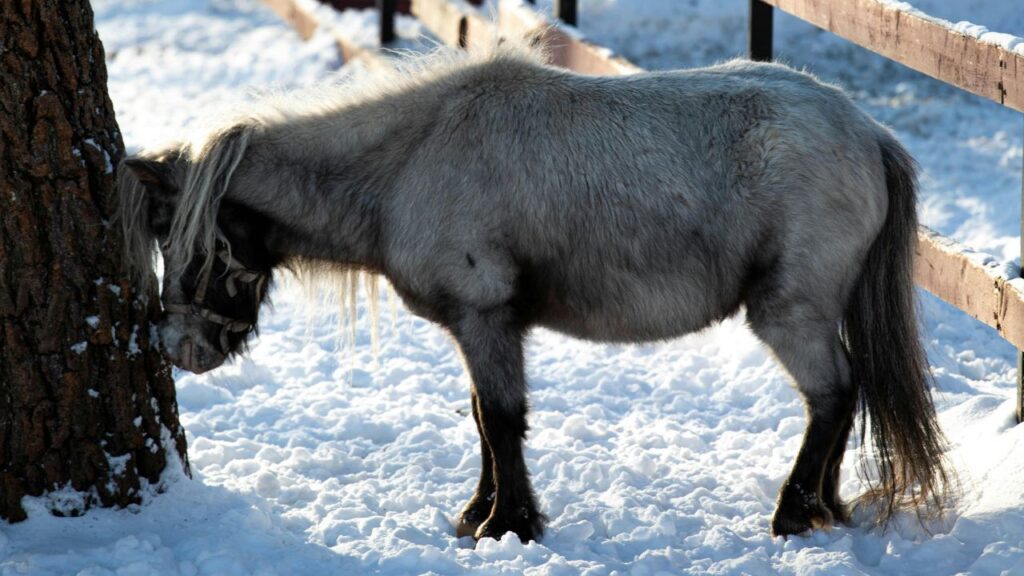
Native to Siberia, the Yakutian Horse is one of the most cold-resistant horse breeds in the world. They can survive temperatures as low as -70°F (-56°C), thanks to their exceptionally thick, shaggy winter coat that provides superior insulation. Their compact build helps retain body heat, and their slow metabolism enables them to survive on limited forage, a crucial trait for winter survival. Additionally, their strong legs and sturdy hooves allow them to traverse snow-covered terrain effortlessly. These horses are self-sufficient and highly adaptable, making them an excellent choice for Alaskan conditions.
3. Fjord Horse

Originating in Norway, Fjord Horses are naturally adapted to cold weather. Their thick, double-layered coat provides warmth in extreme temperatures, while their strong hooves enable them to navigate icy landscapes safely. They are compact yet powerful, making them well-suited for pulling heavy loads in snowy conditions. Fjords are also known for their calm and easygoing temperament, which makes them reliable in tough environments. Their ability to thrive on minimal feed and endure harsh weather conditions makes them an ideal choice for Alaska’s rugged terrain.
4. Bashkir Curly
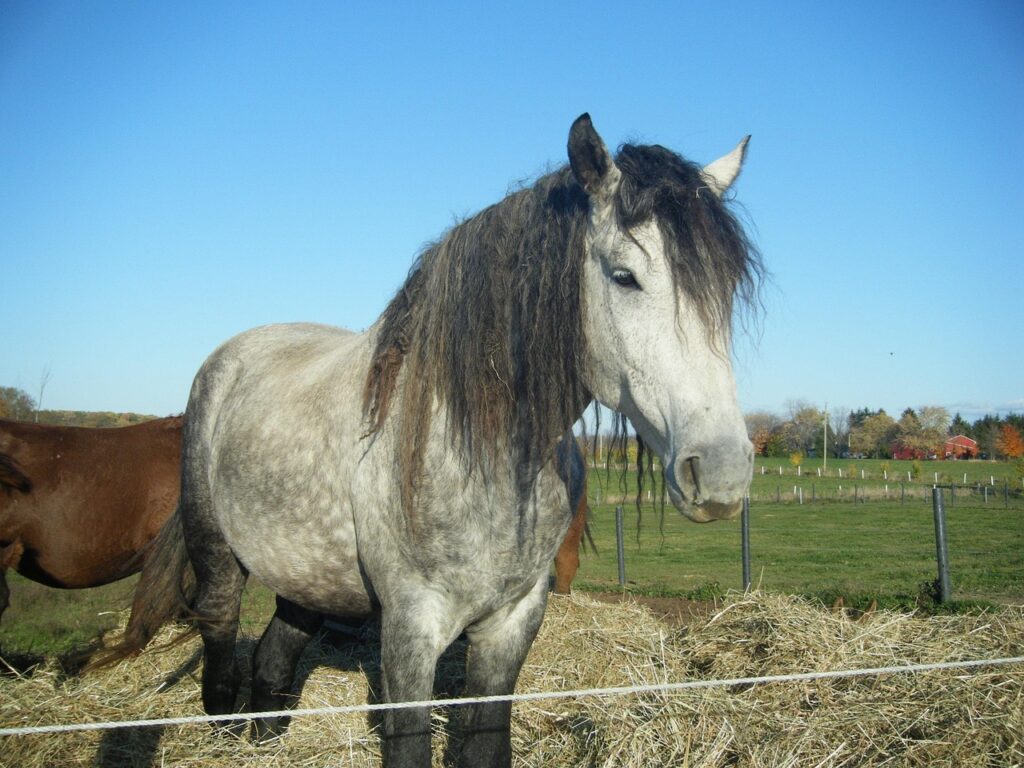
Bashkir Curlies stand out due to their unique curly winter coat, which provides exceptional insulation against the cold. This breed is known for being hypoallergenic and resistant to common equine diseases, making them a low-maintenance choice for cold climates. Their sturdy hooves are well-adapted for traversing snow and ice, and their strong build allows them to endure long winters with minimal food. Bashkir Curlies are highly adaptable, possessing an inherent toughness that allows them to handle extreme weather conditions with ease, making them perfect for Alaska’s challenging environment.
5. Percheron

Percherons are a powerful draft breed known for their endurance in cold weather. Their large, muscular build helps them conserve body heat, while their thick winter coat provides additional insulation against freezing temperatures. They have strong, durable hooves that enable them to move through deep snow and icy conditions without difficulty. These horses were originally bred for heavy farm work, meaning they are highly resilient and can pull heavy loads in extreme conditions. Their calm demeanor and ability to thrive in cold climates make them an excellent choice for Alaska’s harsh winters.
6. Highland Pony
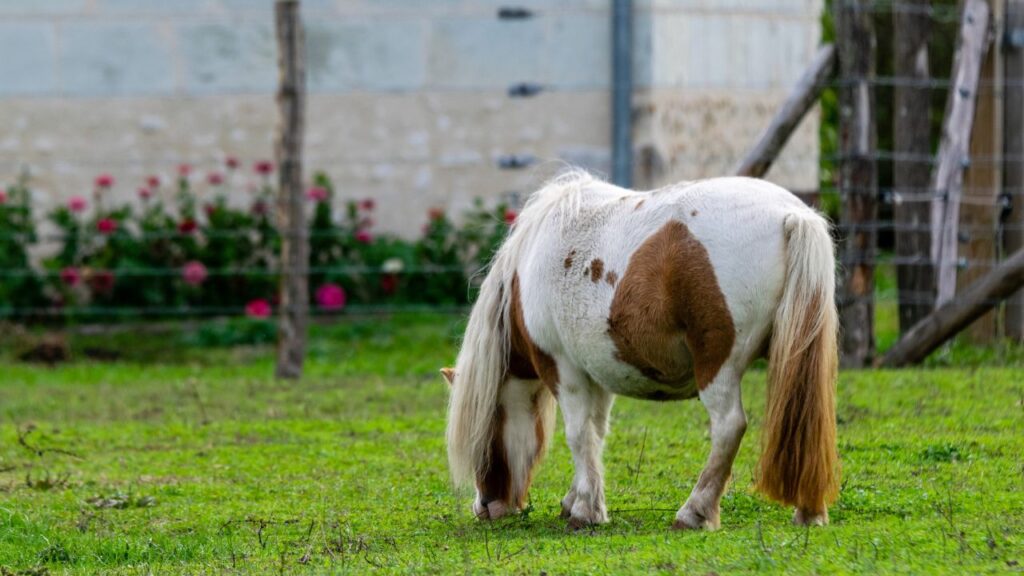
Originating in Scotland, the Highland Pony is naturally adapted to cold, rugged landscapes. Their thick double coat offers protection against freezing temperatures, and their stocky build helps them retain body heat. They have strong hooves that allow them to navigate icy and rocky terrain, making them highly versatile. Highland Ponies are known for their endurance and ability to survive on sparse forage, which is essential in Alaska’s long winters. Their independent nature and self-sufficiency allow them to thrive in cold environments with minimal human intervention.
7. Russian Heavy Draft

Bred for endurance in Russia’s harsh winters, the Russian Heavy Draft is a robust and cold-resistant breed. Their thick coat provides warmth, and their compact, muscular frame helps them retain body heat. They are incredibly strong and capable of pulling heavy loads, making them useful for working in snowy conditions. These horses are known for their resilience and ability to withstand extreme temperatures with minimal shelter. Their efficient metabolism allows them to survive on limited forage, making them well-suited for the challenging conditions of Alaska’s winter landscape.
8. Morgan Horse

Morgan Horses are highly adaptable and capable of thriving in various climates, including extreme cold. Their thick winter coat provides insulation against freezing temperatures, while their strong, compact build makes them resilient against harsh conditions. Morgans are surefooted and agile, making them excellent for navigating snow-covered terrain. They are also known for their exceptional endurance and willingness to work, making them reliable in demanding environments. With proper care, Morgans can easily adapt to Alaska’s cold climate and remain healthy throughout long winters.
9. Haflinger

The Haflinger originates from the Austrian Alps, where they developed their hardiness for cold and mountainous terrain. Their thick winter coat helps them stay warm, and their strong hooves enable them to traverse icy paths with ease. Despite their small size, Haflingers are incredibly powerful and have excellent endurance. They can survive on minimal forage, making them ideal for regions where food supplies are limited. Their calm temperament and ability to adapt to harsh weather conditions make them a great option for Alaska’s cold environment.
10. Exmoor Pony

Exmoor Ponies have evolved to withstand extreme cold due to their origins in England’s rugged moorlands. Their thick double-layered coat provides superior insulation against freezing temperatures, while their stocky build helps them retain body heat. They are naturally independent and require minimal care, making them highly self-sufficient in cold environments. Their strong hooves enable them to navigate snowy and uneven terrain with ease. Exmoor Ponies are known for their hardiness and ability to survive in harsh conditions, making them well-suited for the challenges of an Alaskan winter.
Love Pets as Much as We Do?

Scroll up and click the ‘Follow’ button to stay updated with the latest heart-warming, hilarious, and helpful pet posts from Pawdown, delivered straight to your Microsoft Start feed and MSN homepage!