
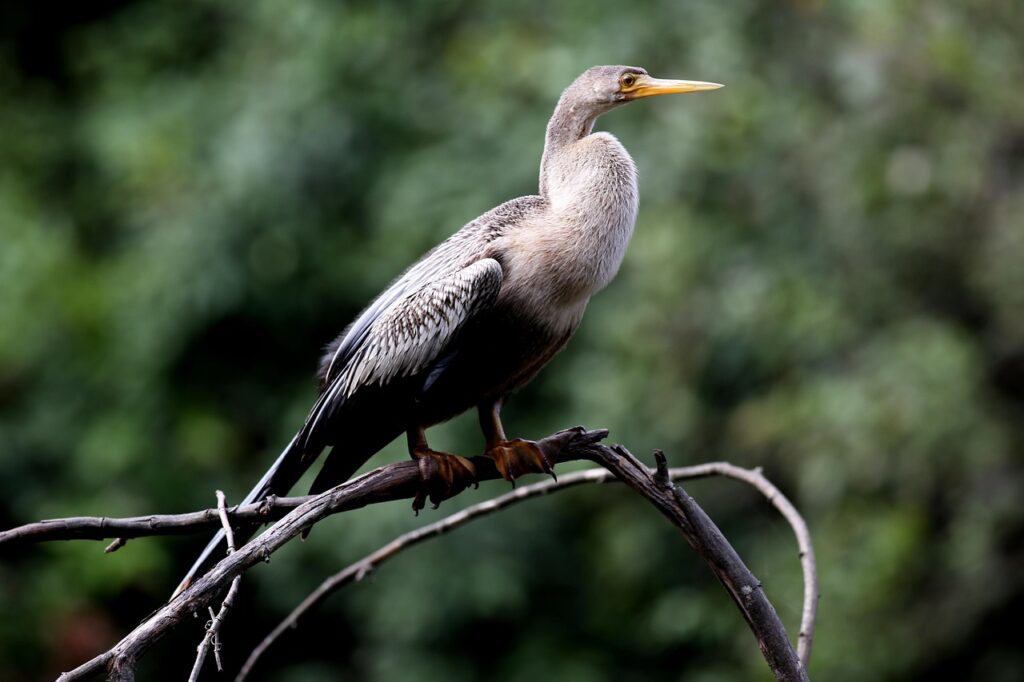
Birdsong is nature’s soundtrack, but not all birds stick to sweet melodies. Some have calls so bizarre they sound like science fiction — from the lyrebird’s incredible mimicry to the white bellbird’s deafening shriek. On the flip side, others produce familiar tunes, like the mourning dove’s soft coo or the northern cardinal’s cheerful whistle. Whether strange or soothing, each bird’s voice tells a story, reminding us how wildly diverse — yet sometimes comfortingly familiar — nature can be.
1. Lyrebird

The Lyrebird, native to Australia, is an unparalleled mimic. Their calls are an impressive orchestra of sounds that go far beyond the typical bird call. It’s not just the call of other birds; they can imitate chainsaws, car alarms, camera shutters, and even human speech. The Superb Lyrebird is particularly renowned for its musical and mechanical imitations. These birds don’t just repeat sounds; they weave them together into a performance, earning them the title of the world’s best imitators in the bird world.
2. Kākāpō

The Kākāpō, a flightless parrot from New Zealand, is an oddity among birds. Its call, deep and booming, resonates through the forests during its nocturnal mating ritual. This large, ground-dwelling bird’s mating call is a low, rhythmic booming sound, almost like distant thunder. It’s a sound that echoes the Kākāpō’s mysterious and rare nature, as it is considered critically endangered. The Kākāpō’s vocalizations are so distinct that hearing one in the wild is a rare privilege.
3. Superb Lyrebird
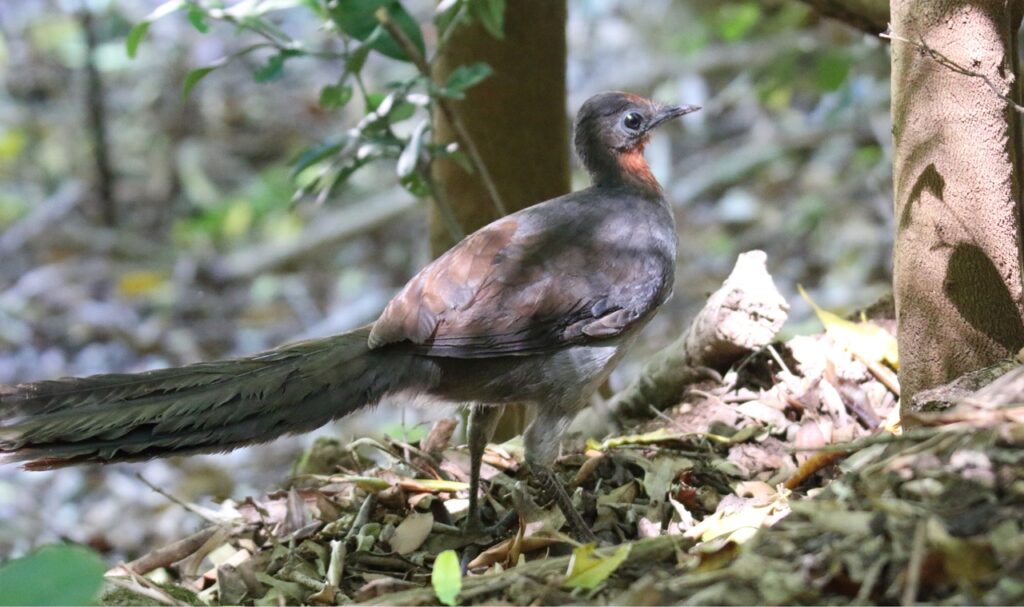
Renowned for its incredible ability to mimic, the Superb Lyrebird’s call is more than just a bird noise—it’s a symphony of sounds. This species can replicate a variety of animal calls, including those of mammals, insects, and other birds, as well as human-made noises like car engines or camera clicks. What sets the Superb Lyrebird apart is its elaborate courtship display, where the male presents his mimicry to impress potential mates. Their mimicry is not just a survival tactic; it’s a showcase of creativity in the avian world.
4. White Bellbird

The White Bellbird from South America holds the record for the loudest bird call in the world. Its distinctive, piercing “yelp” can reach over 125 decibels, louder than a chainsaw or a jet engine. This bird’s call is so remarkable because it’s not just about volume—it’s a call designed to cut through the dense rainforests where these birds live. This volume is necessary to communicate across great distances in their tropical environments, making the White Bellbird a truly unique vocal performer in the bird world.
5. Common Loon

The Common Loon’s call is a symbol of tranquility and mystery, often associated with serene lakes in northern regions of North America. Its haunting, eerie wail echoes across the water, making it unmistakable and deeply evocative. The call of the Common Loon isn’t just for communication—it’s used to mark territory and to bond with mates. Its distinctive, long, tremulous cry has become an iconic sound of wilderness, often invoking feelings of solitude and the natural beauty of the wild.
6. Laughing Kookaburra
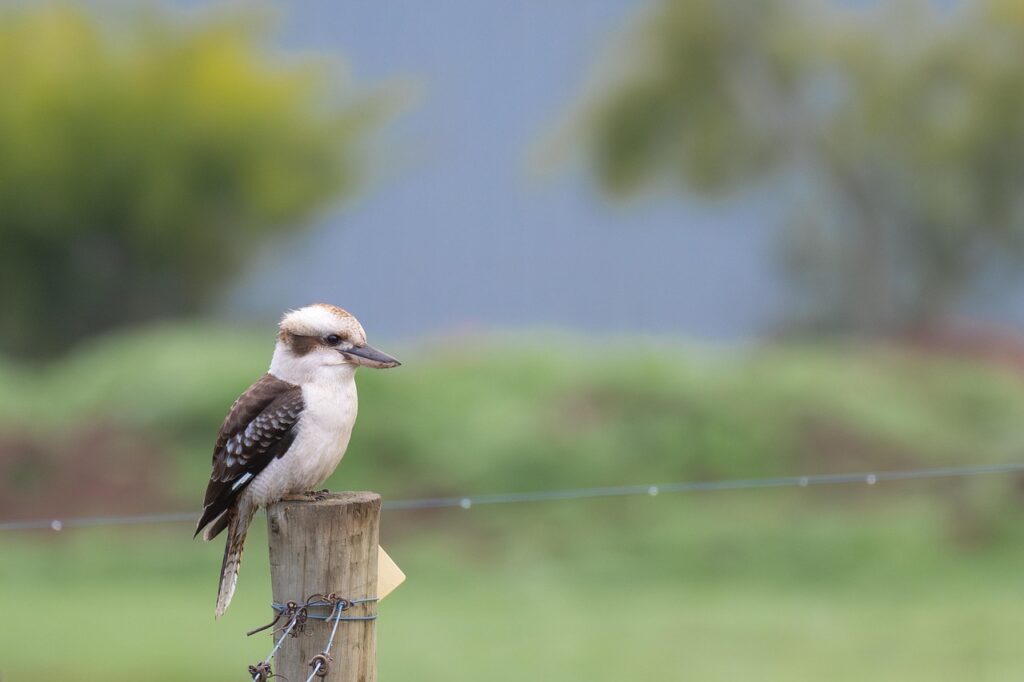
The Laughing Kookaburra is known for its distinctive, echoing call, which sounds remarkably like human laughter. This bird’s call is used to establish territory and communicate with other kookaburras. The sound is often described as a hearty laugh, and it echoes through the Australian bush, making it one of the most recognizable bird calls in the country. It’s a sound that brings a sense of joy and sometimes a little surprise when heard in the wild. The kookaburra’s call is as lively as its personality.
7. Greater Sage-Grouse
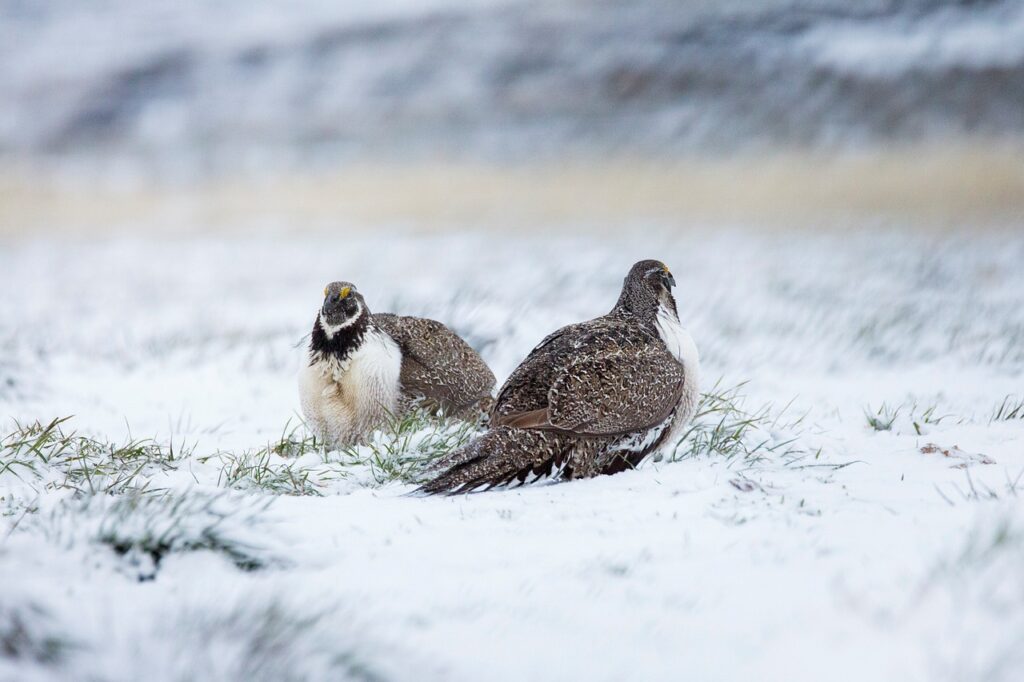
The Greater Sage-Grouse’s call is an impressive display of courtship vocalizations. Males perform a complex mating ritual where they inflate their chest and make a series of popping, bubbling, and whistling sounds. These calls are not only unique but also essential for attracting females. The booming sounds travel through the sagebrush to announce the male’s presence, creating an unforgettable soundscape in the open deserts of the American West. The Greater Sage-Grouse’s vocalizations are a mix of mechanical and organic tones, showing off nature’s creativity in communication.
8. Western Screech Owl
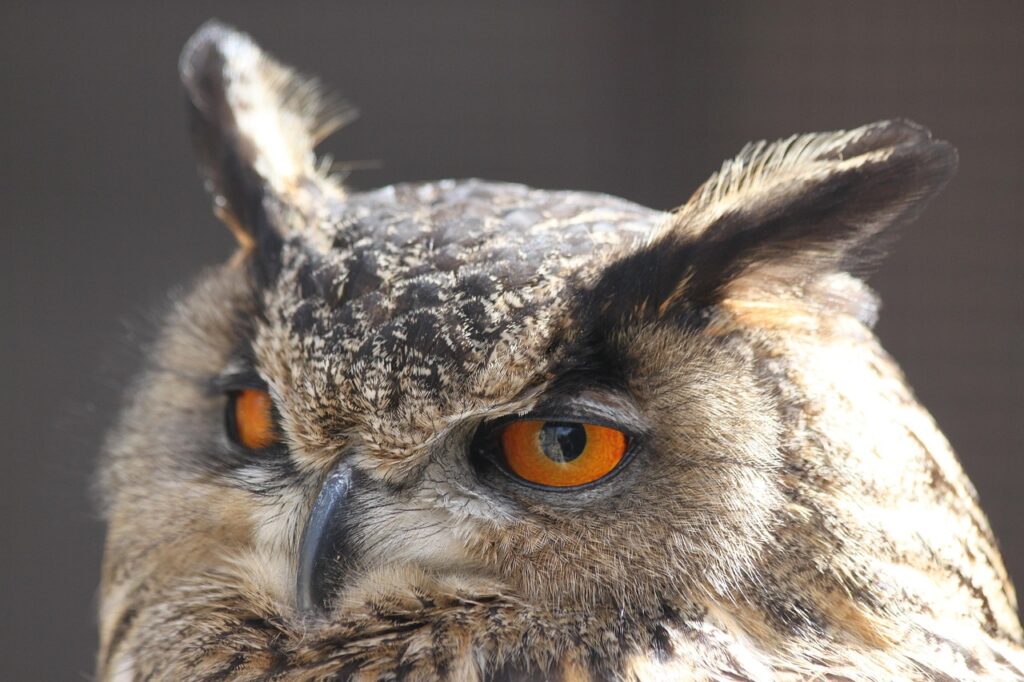
Unlike most owls that are known for their hoots, the Western Screech Owl’s call is a sharp, fast trilling whistle that is often mistaken for the sound of a distant animal. This small owl uses its vocalizations primarily to communicate with other owls in its territory. The call is high-pitched and rapid, almost like a rapid series of “barks” or whistles, surprising those who are unfamiliar with it. It’s a sound that can stop you in your tracks, despite the owl itself being quite small and elusive in nature.
9. Southern Cassowary
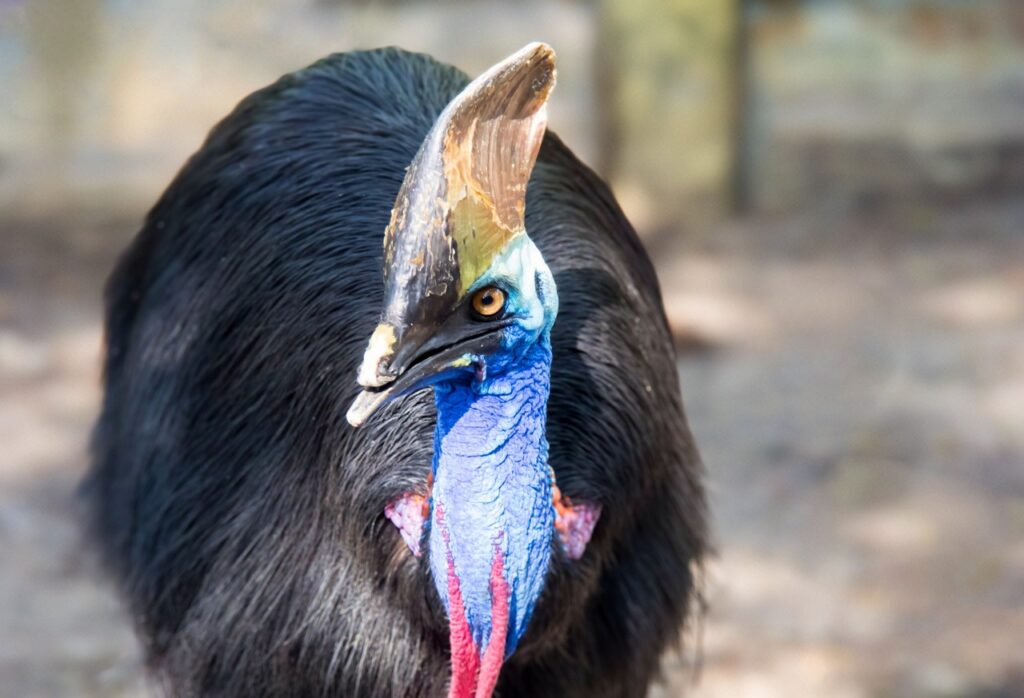
The Southern Cassowary’s call is as intimidating as the bird itself. This large, flightless bird from northern Australia and New Guinea produces a deep, resonating sound, almost like a low, droning growl. While the call isn’t frequent, it is unmistakable, and the deep resonance travels through the dense rainforest, letting other cassowaries know of their presence. The Southern Cassowary’s call mirrors its imposing physical presence—a rare bird whose vocalizations are equally powerful.
10. Trumpeter Swan
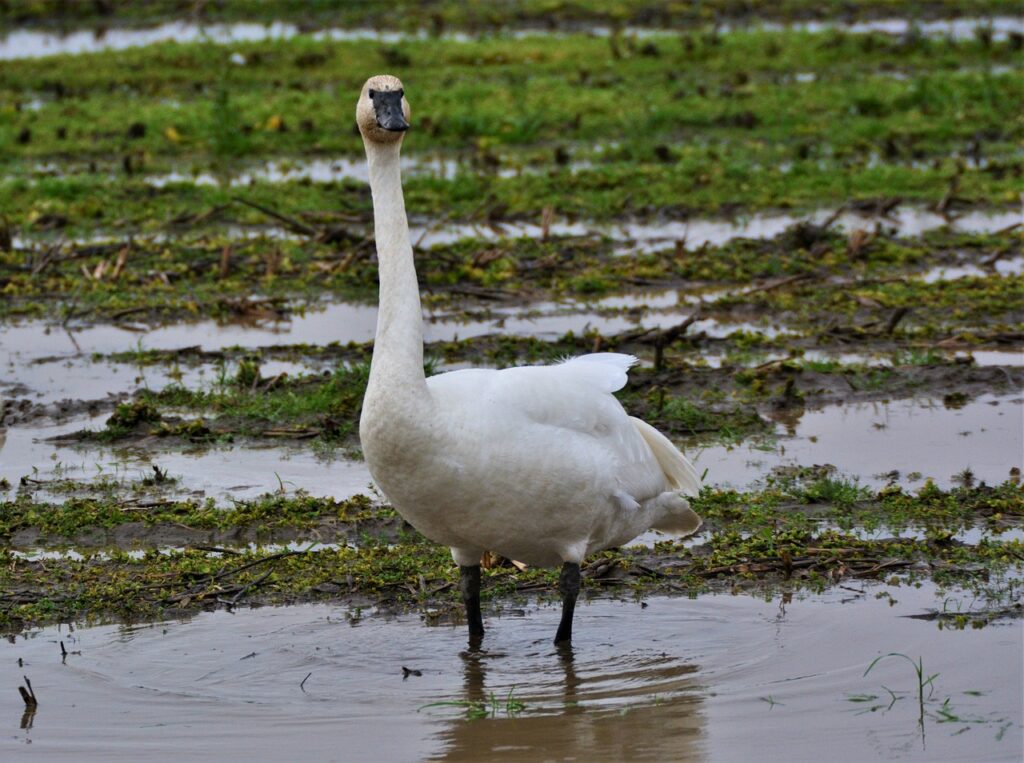
The Trumpeter Swan’s call is one of the most serene and elegant sounds in the avian world. Its name comes from the deep, resonant, trumpet-like call it makes, which is loud enough to be heard over long distances. This vocalization is used by the swan to communicate during migration and in its breeding season. The swan’s call is clear and melodic, echoing across lakes and rivers, reflecting the graceful beauty of these majestic birds. Its voice is as impressive as its wing span.
Birds With Calls That Sound Surprisingly Familiar

Not all bird calls are strange or otherworldly—some feel surprisingly familiar, like a comforting soundtrack to daily life. These birds sing the songs of morning sunrises, quiet afternoons, and peaceful evenings, blending seamlessly into the background. Their soft coos, cheerful whistles, and gentle chirps often go unnoticed, yet they shape the soundscape around us. It’s a reminder that nature’s music isn’t always distant or wild—it’s right outside our windows, singing softly every day.
1. Northern Cardinal
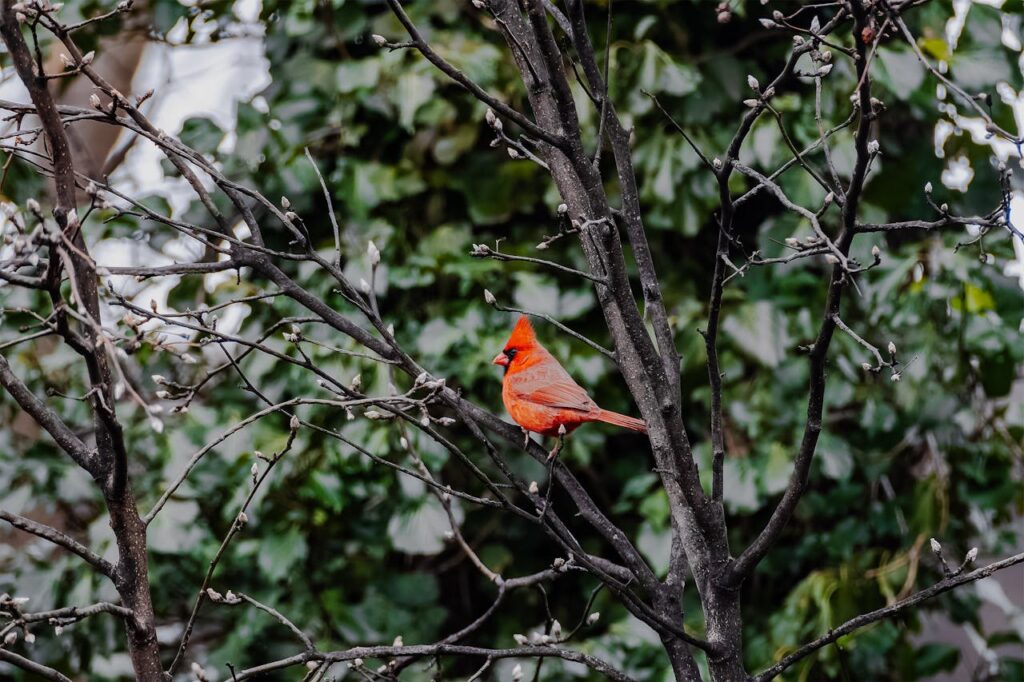
The Northern Cardinal’s call is a cheerful, melodious whistle that is unmistakable in suburban and rural areas. Its song is a series of clear, high-pitched whistles, often described as “cheer, cheer, cheer.” This bird’s call sounds remarkably familiar to many who live in North America, especially during the spring and summer months. The cardinal’s call is not just a pleasant melody, but also serves as an important way to establish territory. Its familiarity makes it a beloved symbol of warmth and life in the colder months.
2. Eastern Phoebe
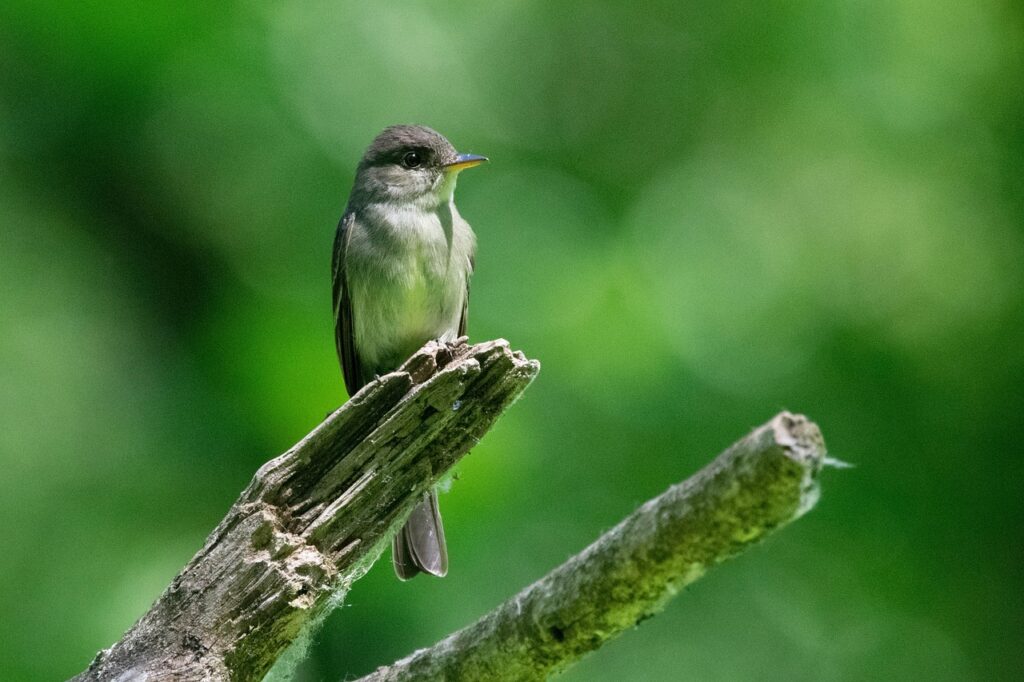
The Eastern Phoebe is known for its distinctive “fee-bee” call, which sounds almost like a friendly greeting. Its song is simple but carries a sense of warmth, making it a familiar sound across eastern North America. Often perched in trees or near buildings, the phoebe’s call is one that many birdwatchers recognize easily. It’s a call that evokes feelings of spring and renewal, as the phoebe migrates back each year to settle in familiar spots, always bringing its distinctive song with it.
3. Black-capped Chickadee

The Black-capped Chickadee’s call is perhaps one of the most cheerful and familiar sounds in North American forests. Its “chick-a-dee-dee-dee” call, which intensifies based on its mood, is both its name and a common sound during the day. Chickadees use this call for everything from warning other birds to simply communicating with each other. Its adaptability to various environments makes it a sound that many people recognize in a variety of habitats, from dense woodlands to suburban backyards.
4. Northern Flicker
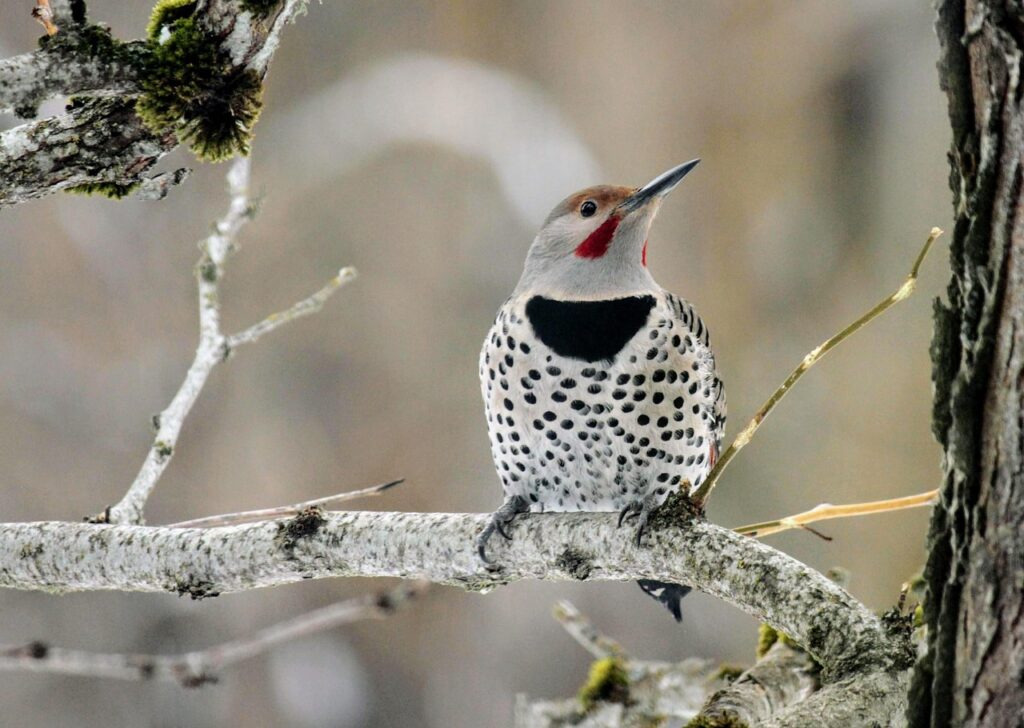
The Northern Flicker, a type of woodpecker, is often heard tapping on trees and making a distinctive “wick-a-wick-a-wick” call. While its drumming on tree trunks is one of the most characteristic sounds it makes, its vocalization is surprisingly soft and mellow compared to other woodpeckers. The flicker’s call is a series of high-pitched notes, often heard in suburban and rural areas, where they search for ants in the ground. It’s a sound that is familiar to many bird enthusiasts, especially those who appreciate the subtlety of woodpecker calls.
5. Mourning Dove

The Mourning Dove’s call is a low, cooing sound that evokes a sense of peace and calm. Its mournful song, which can be heard during the early morning or evening hours, is a soft, rhythmic cooing that is easily recognizable in woodlands, fields, and suburban areas. This gentle sound is often associated with quiet, tranquil settings, and the mourning dove’s call is familiar to many who live in North America. It’s a soft, familiar lullaby of nature, offering a sense of serenity wherever it’s heard.
6. Common Grackle
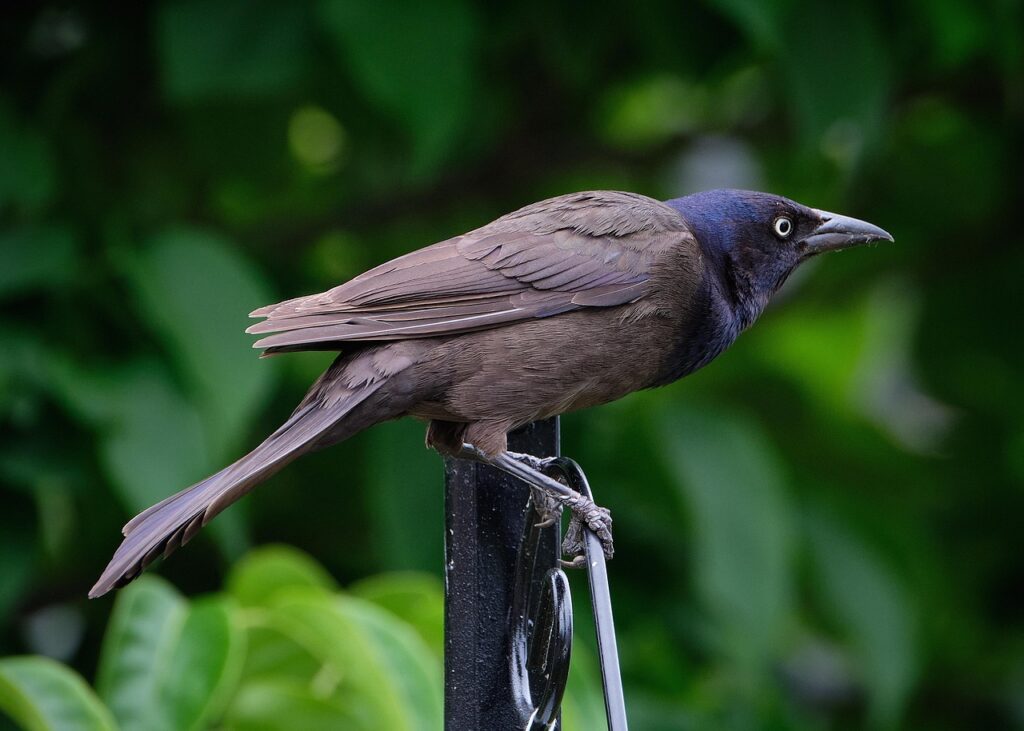
The Common Grackle’s call is a mix of harsh, metallic sounds and whistles. While its song isn’t as melodic as other birds, it’s still quite familiar to those living in urban and rural settings. The grackle’s call can sound like a mix of a squeaky wheel and a series of harsh squawks. This bird is known for its large flocks, and its raucous calls can often be heard as they gather in numbers. It’s a sound that is very much associated with the busy atmosphere of human settlements and rural farmlands alike.
7. Blue Tit
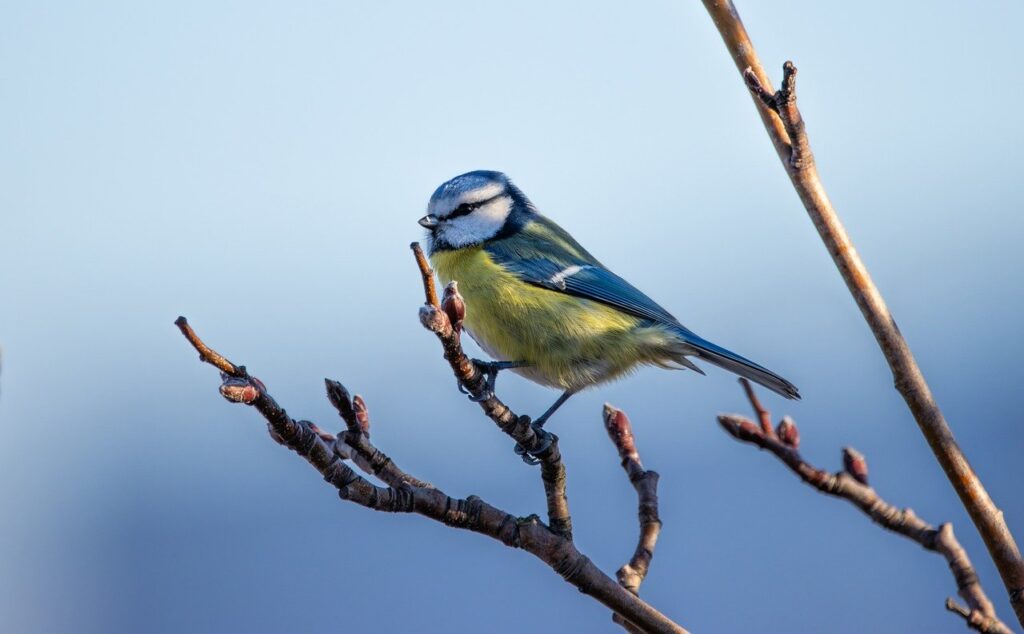
The Blue Tit’s call is a sharp, high-pitched “tsee-tsee-tsee” sound that echoes through European woodlands. While it’s not as melodic as some other birds, it’s a call that many birdwatchers will recognize immediately. This small, active bird is commonly found in gardens and wooded areas, and its call is an integral part of its communication. The Blue Tit’s vocalizations help to mark its territory and communicate with other members of its species, making it a familiar sound to those who frequent the forests of Europe.
8. Redshank
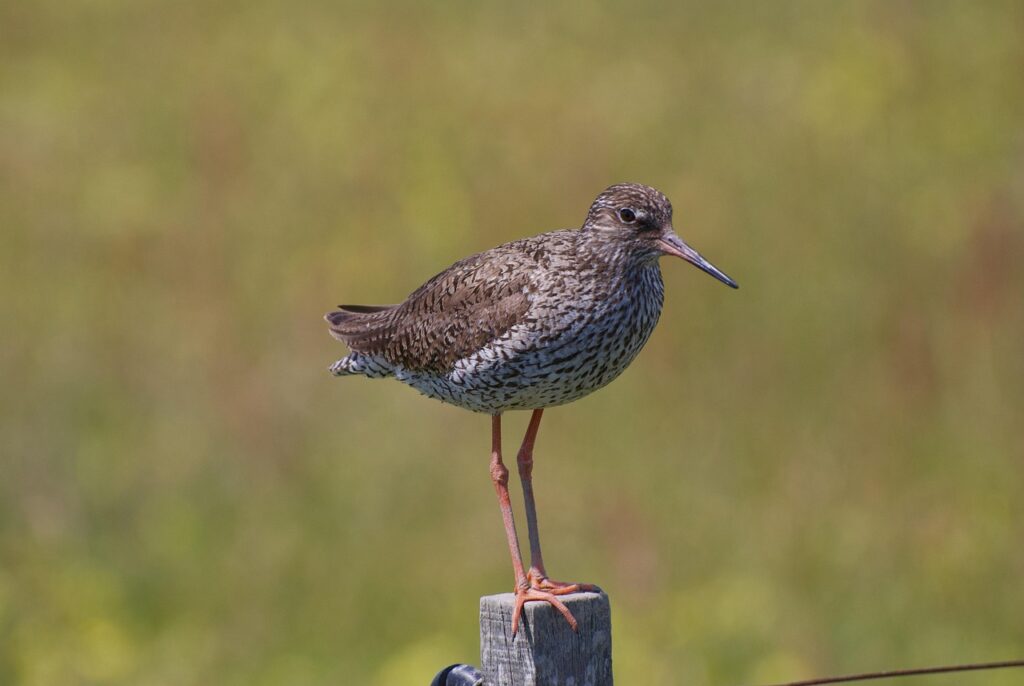
The Redshank’s call is a loud, high-pitched whistle that is commonly heard in coastal wetlands and marshes. Its sharp, repetitive “weet-weet-weet” cry is often associated with open, watery landscapes. This bird’s call is distinctive and familiar to anyone who spends time in wetland areas, as it is often heard calling from the marshes. The Redshank’s sound is not just a signal of its presence; it’s a territorial call that can be heard as the bird moves through its habitat, searching for food or protecting its nesting area.
9. Raven
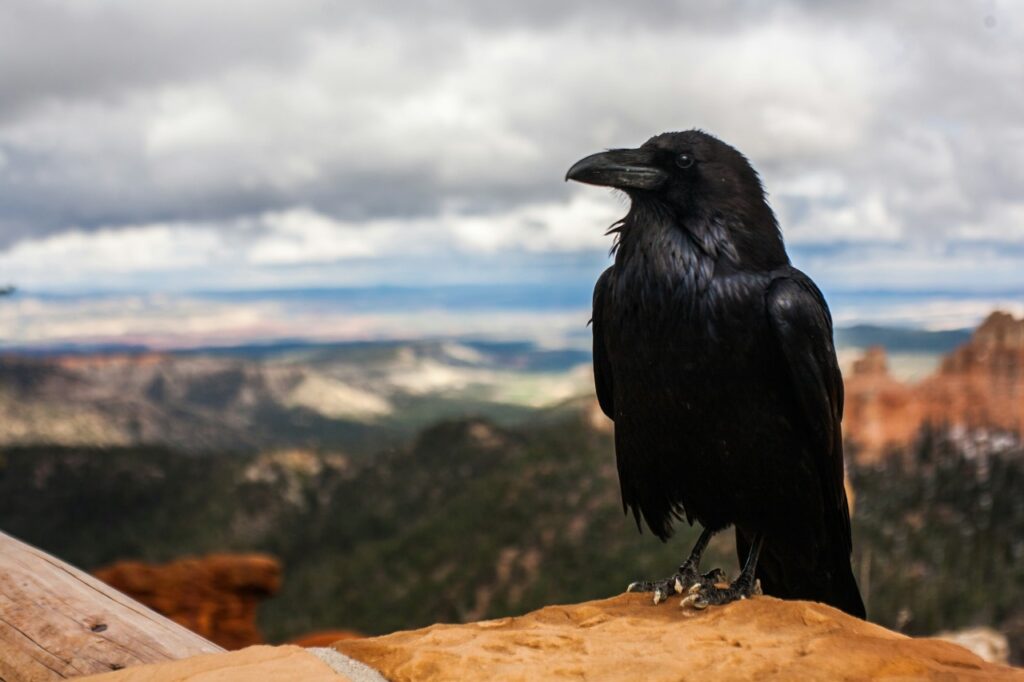
The Raven’s call is deep, resonant, and often described as a croaky “caw.” This bird’s vocalizations are familiar to those who live in mountainous or forested regions, where the raven has a wide range of calls for different situations. From harsh caws to softer croaks, ravens use their vocal range to communicate with other ravens and to assert dominance. Its call is powerful and carries over long distances, making it one of the most recognizable bird calls in the wilderness. It’s a sound that suggests mystery and intelligence.
10. Sandhill Crane
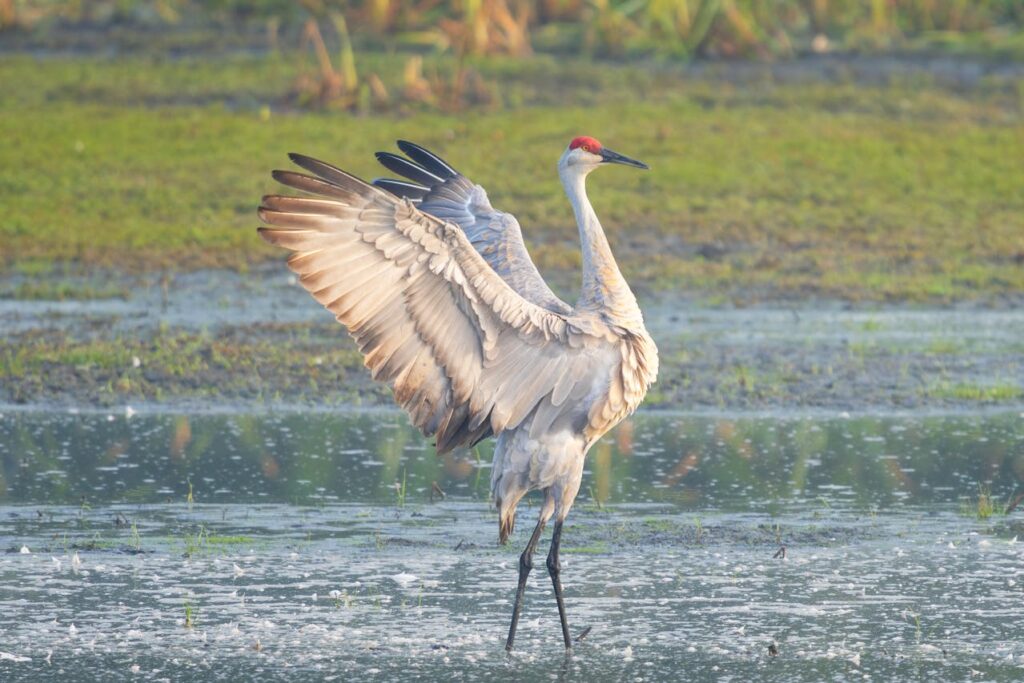
The Sandhill Crane’s call is a loud, bugling trumpet-like sound that echoes across the plains and wetlands of North America. This call is one of the most iconic in the bird world, and its high-pitched tone is both dramatic and familiar to those who live near migratory paths. The Sandhill Crane’s vocalization is not only a call of communication but also an expression of their majestic migration. Its sound signals the arrival of spring for many bird enthusiasts, making it a familiar and welcome sound.
Love Pets as Much as We Do?

Scroll up and click the ‘Follow’ button to stay updated with the latest heartwarming, hilarious, and helpful pet posts from Pawdown, delivered straight to your Microsoft Start feed and MSN homepage!