

Cats bring joy and companionship to millions of households, but some breeds are genetically predisposed to certain health conditions. Understanding these risks can help pet owners provide better care and early intervention. Moreover, Genetic research and veterinary studies have identified specific breeds that face higher chances of hereditary diseases, such as respiratory problems and heart conditions, which can cause health issues that can impact a cat’s lifespan and quality of life. Knowing what to expect can make a significant difference in managing your pet’s well-being.
1. Persian – Breathing And Eye Problems
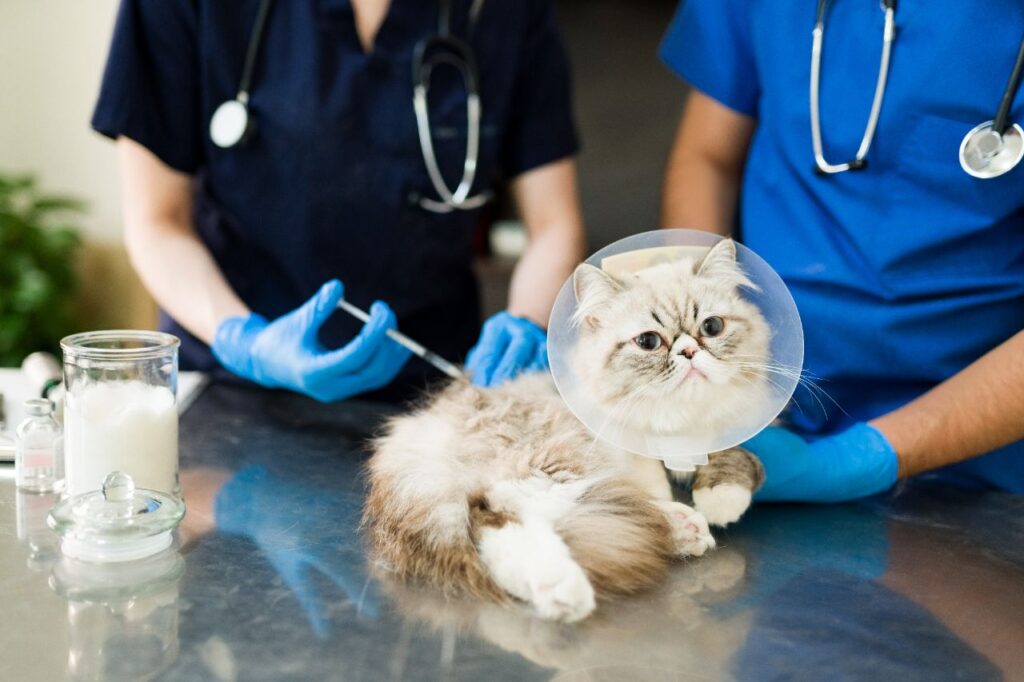
Persian cats, known for their luxurious coats and flat faces, frequently suffer from brachycephalic airway syndrome, which leads to breathing difficulties. Additionally, they are prone to progressive retinal atrophy (PRA), a genetic condition that causes blindness over time. According to a study published in the Journal of Feline Medicine and Surgery, Persians have a high prevalence of eye-related disorders due to their facial structure. Furthermore, their long fur requires constant grooming to prevent painful matting, which can cause skin infections and discomfort.
2. Maine Coon – Hypertrophic Cardiomyopathy (HCM)

Maine Coons, one of the largest domesticated cat breeds, are highly susceptible to hypertrophic cardiomyopathy (HCM), the most common heart disease in cats. Research from the American Journal of Veterinary Research shows that nearly 30% of Maine Coons carry a genetic mutation linked to HCM. This condition thickens the heart muscle, reducing its ability to pump blood efficiently. Early symptoms include lethargy and difficulty breathing. Fortunately, genetic testing can help identify at-risk cats, and regular veterinary checkups can improve life expectancy.
3. Scottish Fold – Joint And Bone Issues

Scottish Folds are adored for their unique folded ears, but this genetic mutation comes with serious health consequences. These cats are prone to osteochondrodysplasia, a painful condition affecting cartilage and bone development. A study in Veterinary Record found that even heterozygous Scottish Folds—those with only one copy of the mutation—experience early-onset arthritis. This leads to chronic joint pain and limited mobility. Because of this, ethical concerns exist regarding breeding practices, as many Scottish Folds endure lifelong discomfort.
4. Sphynx – Skin And Heart Problems

Although the Sphynx is known for its hairless appearance, this breed is highly vulnerable to skin infections and hypertrophic cardiomyopathy (HCM). Without fur for protection, Sphynx cats often develop rashes, fungal infections, and sunburn. A study published in The Veterinary Journal highlights that Sphynx cats have a significantly higher risk of HCM than other breeds. Since their skin produces excessive oils, they require regular bathing to prevent bacterial buildup. Ensuring proper skincare and routine heart screenings can help manage their health.
5. Siamese – Respiratory And Dental Issues

Siamese cats, with their sleek bodies and striking blue eyes, frequently suffer from respiratory problems due to their elongated facial structure. Additionally, they are prone to chronic dental issues, including gingivitis and periodontal disease. Research from the Journal of Veterinary Dentistry states that Siamese cats are more likely to experience severe dental decay by middle age. Furthermore, they have a higher risk of asthma, which can lead to persistent coughing and wheezing. Regular dental cleanings and proper airway management can reduce complications.
6. Bengal – Progressive Retinal Atrophy (PRA) And Heart Disease

Bengal cats are admired for their wild appearance, but they are genetically predisposed to progressive retinal atrophy (PRA) and hypertrophic cardiomyopathy (HCM). According to a study in Genetics in Medicine, PRA in Bengals can cause irreversible vision loss within a few years. Additionally, heart disease is common in this breed, leading to increased risks of heart failure. Early genetic screening and proactive veterinary care can help detect these conditions before they become severe, ensuring Bengals live healthier lives.
7. Ragdoll – Bladder And Kidney Issues

Ragdolls are affectionate cats that often suffer from polycystic kidney disease (PKD) and bladder stones. PKD is an inherited disorder that causes fluid-filled cysts to develop in the kidneys, eventually leading to kidney failure. Data from the International Cat Care Organization suggests that nearly 6% of Ragdolls carry the gene responsible for PKD. Meanwhile, bladder stones are another common issue, often requiring dietary changes or surgery. Regular kidney function tests and proper hydration play crucial roles in preventing complications.
8. British Shorthair – Hemophilia And Obesity

British Shorthairs, known for their round faces and plush coats, have a higher risk of hemophilia B, a bleeding disorder that prevents blood from clotting properly. A genetic study in BMC Veterinary Research found that this breed has a notable predisposition to the disease. Additionally, British Shorthairs tend to gain weight easily, increasing their risk of diabetes and joint problems. Ensuring a well-balanced diet and engaging them in regular exercise can help mitigate these health risks.
9. Burmese – Diabetes And Cranial Deformities

Burmese cats are affectionate companions but are particularly prone to diabetes mellitus. Research from The Journal of Feline Endocrinology indicates that Burmese cats have four times the risk of developing diabetes compared to other breeds. Furthermore, some Burmese kittens are born with cranial deformities, leading to neurological issues. Early blood sugar monitoring and a controlled diet can significantly reduce the impact of diabetes, while responsible breeding practices help minimize the occurrence of birth defects in this breed.
10. Devon Rex – Muscle Weakness And Skin Conditions

Devon Rex cats are known for their large ears and curly coats, but they often face muscular disorders like hereditary myopathy, which weakens their muscles over time. According to the University of California, Davis Veterinary Genetics Laboratory, Devon Rex myopathy can cause difficulty in walking and swallowing. Additionally, they are prone to skin problems, such as fungal infections and excessive oil production. Regular vet visits and skin care routines are essential to keeping these cats comfortable and healthy.
Love Pets as Much as We Do?

Scroll up and click the ‘Follow’ button to stay updated with the latest heartwarming, hilarious, and helpful pet posts from Pawdown, delivered straight to your Microsoft Start feed and MSN homepage!