
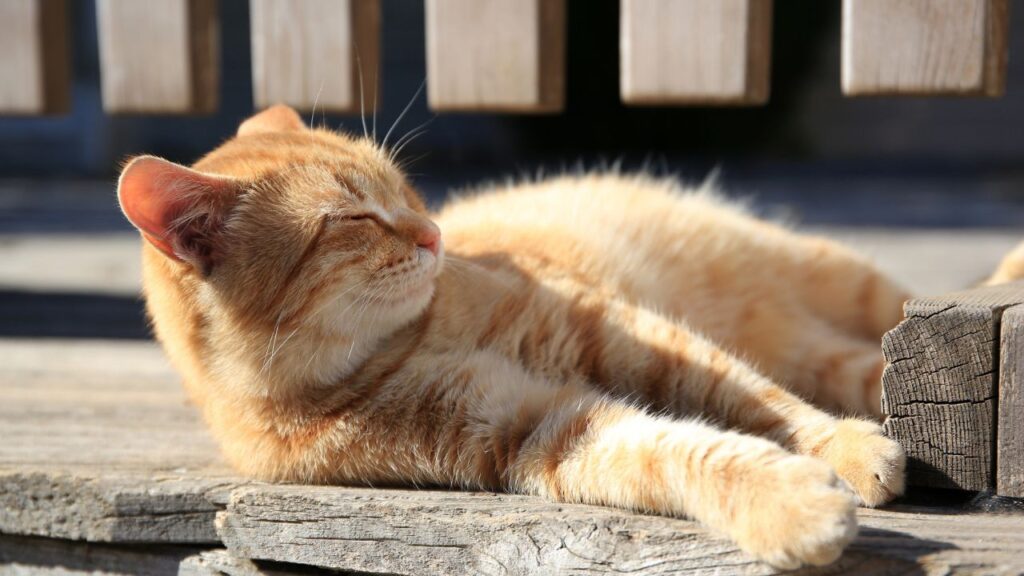
Cats have a natural instinct to seek out the most comfortable resting places, whether basking in warm sunlight or hiding in the coolest corners of a home. Their preferences often stem from evolutionary traits and genetic history, particularly their desert-dwelling ancestors who thrived in hot climates. While some felines crave warmth to maintain body temperature and comfort, others prefer shade to avoid overheating. Here’s a look at 10 cat breeds that adore sunbathing and 10 that prefer the chill.
1. Abyssinian

The Abyssinian cat, believed to have descended from Egyptian felines, has a natural affinity for warmth. Their short, fine coat makes them susceptible to cold, leading them to seek out sunny spots for comfort. These highly active and inquisitive cats will often be found lounging on windowsills or any area where the sun’s rays can reach them. In addition to their love for warmth, Abyssinians thrive on interactive play and require mental stimulation. Owners can create sunlit play areas with climbing shelves or puzzle toys to keep them engaged while they soak in the sun’s warmth.
2. Sphynx
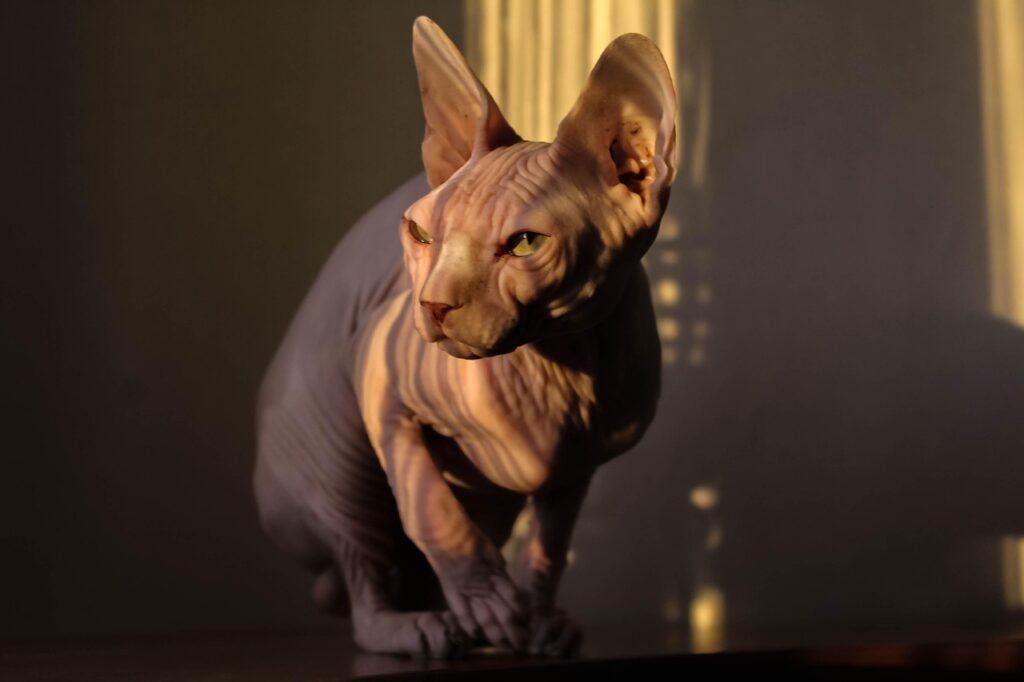
With their nearly hairless bodies, Sphynx cats require external heat sources to stay warm. Sunbathing is their favorite pastime, as it helps regulate body temperature and provides the warmth their skin craves. Without fur for insulation, they are highly sensitive to cold and will seek out the coziest, sunniest places in a home. They enjoy perching near windows, curling up in heated beds, or even snuggling under blankets. Due to their love for warmth, owners should be cautious about prolonged sun exposure, as their exposed skin is prone to sunburn and dehydration.
3. Bengal
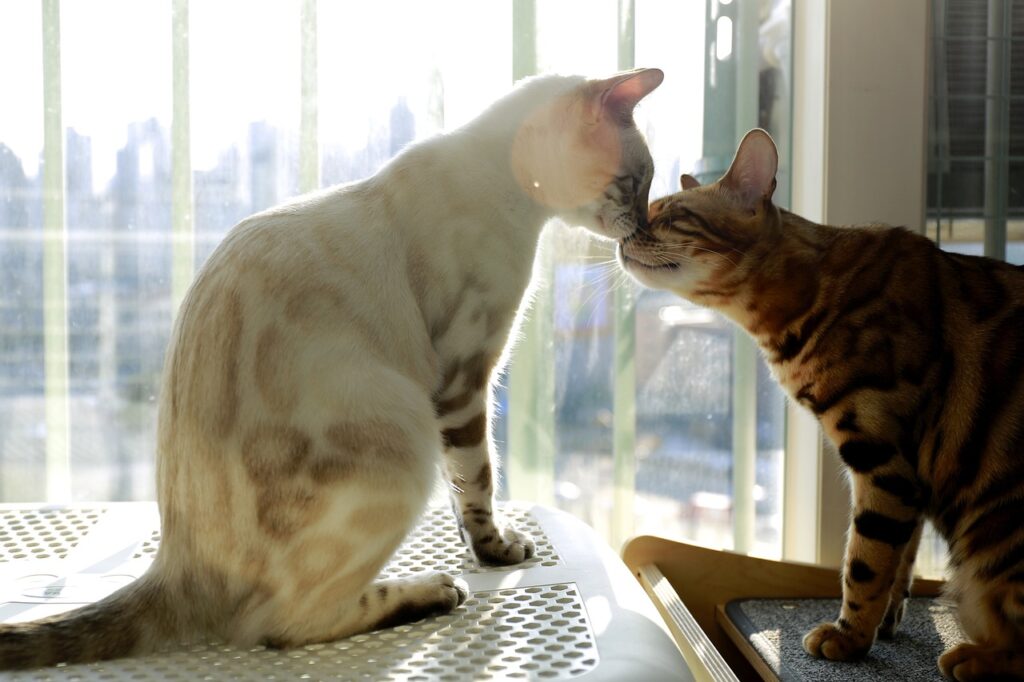
Bengals are highly energetic cats with short, sleek coats that make them natural sun-seekers. Their wild ancestry, linked to the Asian leopard cat, gives them an instinct to bask in the warmth much like their jungle-dwelling relatives. Bengals love to sprawl out in sunbeams, particularly on high perches where they can enjoy an uninterrupted sunbath. Their short fur does little to retain heat, so they frequently seek warm spots. Because they are active and playful, Bengals appreciate outdoor enclosures where they can enjoy the warmth while staying safe from excessive sun exposure.
4. Siamese
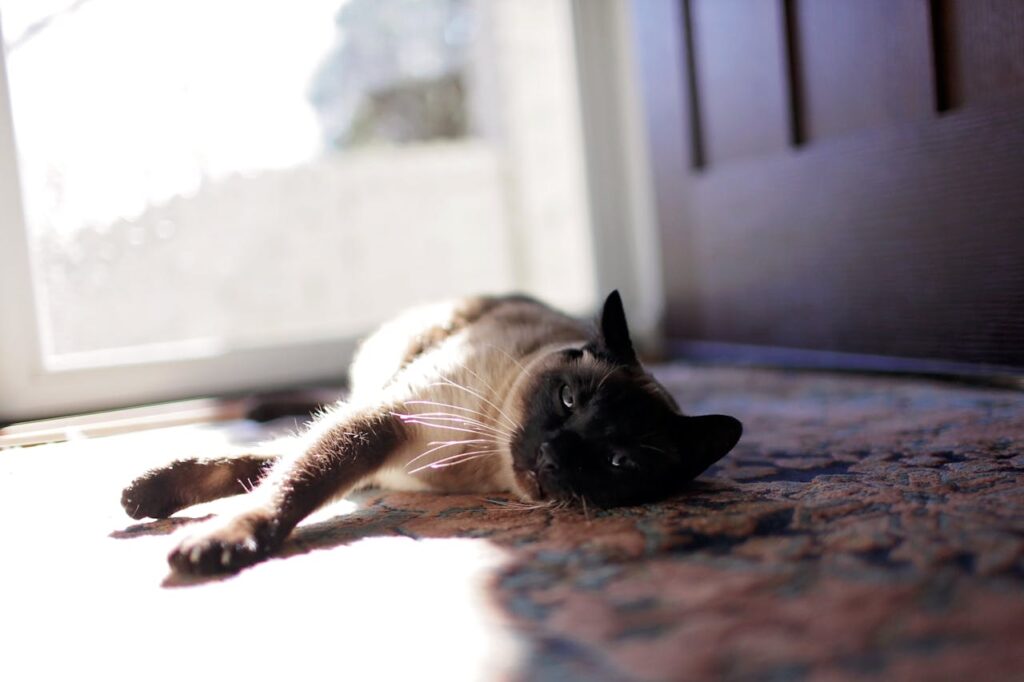
Originating from the warm climates of Thailand, Siamese cats are naturally drawn to the heat. Their sleek, short coat offers minimal insulation, making them more prone to cold discomfort. This breed is often found stretching out under sunlit windows or cuddling up in warm blankets. Siamese cats thrive in environments with plenty of sunlight, and their distinctively social nature means they will often follow their owners to find the coziest, sunniest spot in the house. They also enjoy snuggling with their humans to share warmth, making them excellent lap cats in cooler months.
5. Savannah

A hybrid breed descended from African servals, the Savannah cat has a high tolerance for heat. Their short coats and wild lineage contribute to their preference for warm spaces. These intelligent and athletic cats enjoy lounging in sunny areas, often taking advantage of any available outdoor enclosures. Their love for warmth aligns with their high activity levels, as they tend to sunbathe between bursts of play. Savannahs are also known to seek heat sources at night, curling up in warm bedding or snuggling close to their owners to maintain body warmth.
6. Devon Rex
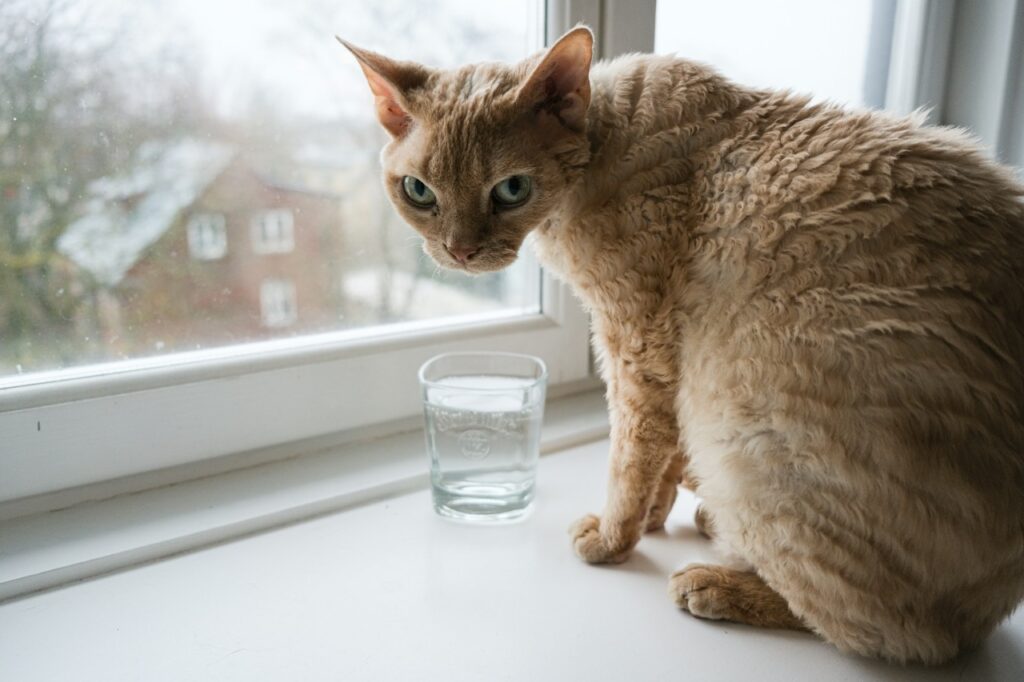
With their fine, wavy coat, Devon Rex cats have minimal insulation, making them prone to chills. They actively seek warmth, often basking in the sun for extended periods to absorb heat. Their unique fur texture doesn’t provide much protection against the cold, so they prefer sunny spots or snuggling under blankets. Devon Rexes are also known for their affectionate nature, often curling up on laps or pressing against warm surfaces for extra comfort. Owners should monitor their sun exposure to prevent overheating, but providing a sunny perch will keep them content.
7. Cornish Rex
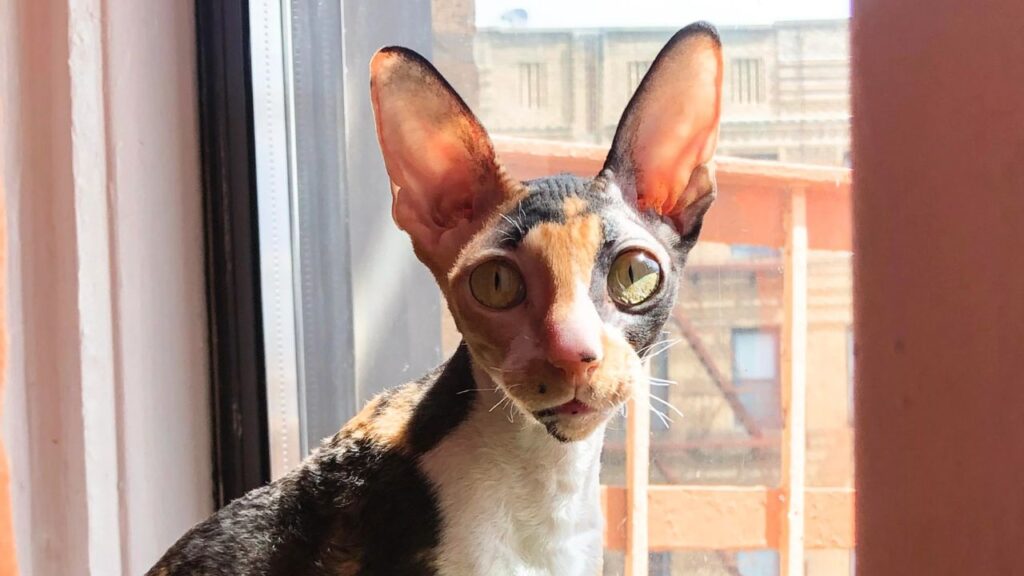
Much like the Devon Rex, the Cornish Rex has a soft, thin coat that lacks sufficient insulation. They are heat-seeking felines, often drawn to sunny windows, heated beds, and even human warmth. Their high-energy nature means they burn calories quickly, making sunbathing an essential method for conserving body heat. Cornish Rexes enjoy interactive play in warm environments and will eagerly claim any sun-drenched spot in a home. Because of their love for warmth, they are well-suited to households with ample natural light and cozy resting areas.
8. Ocicat
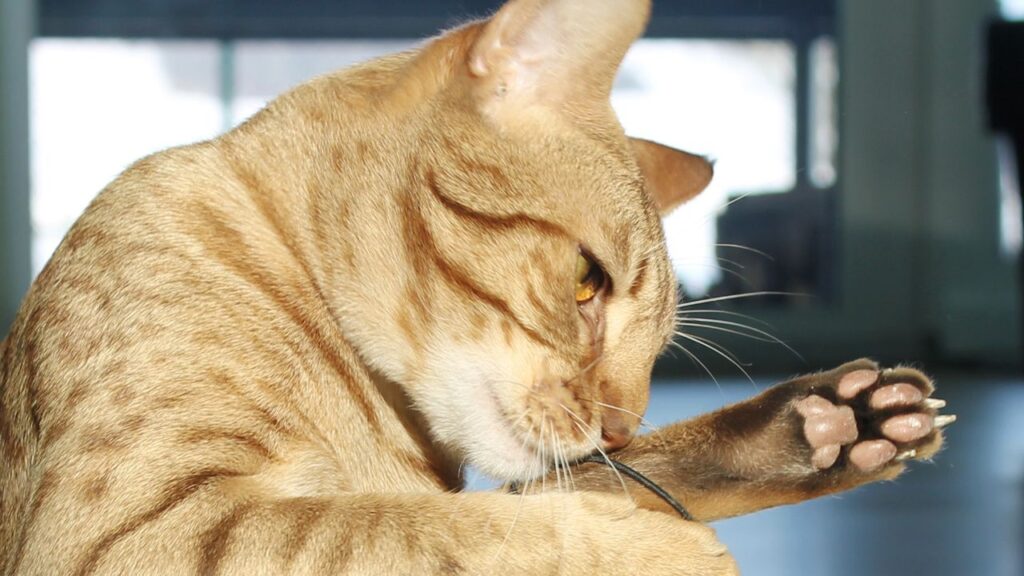
Ocicats, with their short, dense coats, enjoy the warmth of the sun and prefer lounging in well-lit areas. Their ancestors include Siamese and Abyssinians, both of which have a strong affinity for heat. These muscular, agile cats appreciate the chance to bask in the sun after an active play session. Ocicats are also known for their social nature, often seeking warmth by curling up beside their human companions. Their preference for warmth makes them ideal for sunny indoor environments where they can enjoy both comfort and stimulation.
9. Burmese
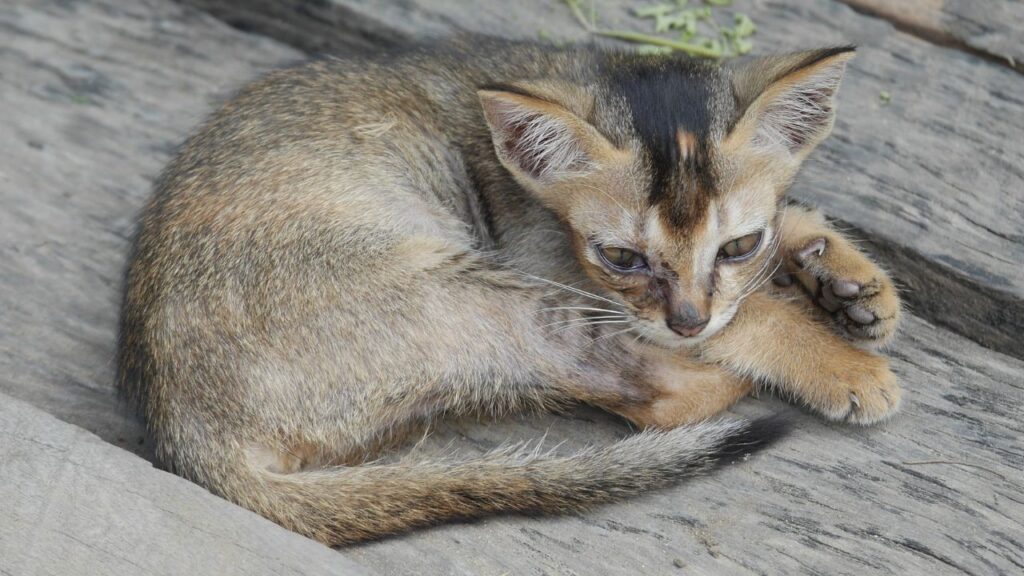
Burmese cats thrive in warm climates and are naturally drawn to sunny areas. Their sleek, short coats provide minimal insulation, leading them to seek external heat sources. Whether sprawled on a sunny windowsill or snuggled under blankets, they always find ways to stay warm. Burmese cats also have a playful and affectionate nature, often choosing to nap in the warmest spots near their favorite humans. Their love for warmth is rooted in their tropical origins, making them one of the most sun-loving cat breeds.
10. Singapura
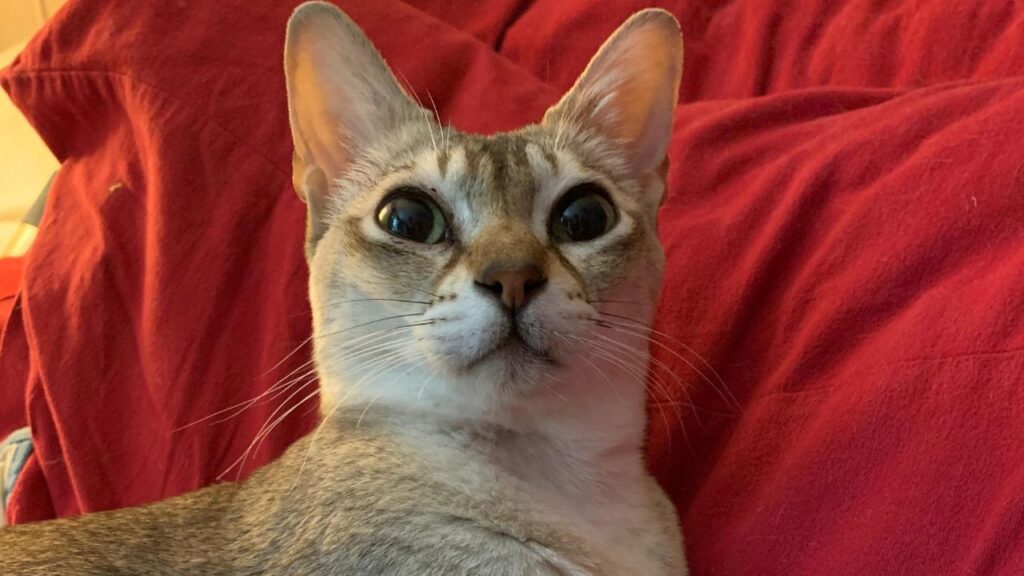
The Singapura, one of the smallest cat breeds, originates from the hot and humid regions of Singapore. Their short, fine coat offers little protection against cold temperatures, prompting them to seek out the sun’s warmth. These tiny, active cats enjoy curling up in sunlit areas, often perching by windows to absorb heat. Beyond their love for warmth, Singapuras are highly social and enjoy interactive play. They adapt well to busy households and love being part of family activities. Owners can provide sun-drenched perches to satisfy their warmth-seeking tendencies while keeping them entertained.
10 Cat Breeds That Prefer the Coolest Spots in the House
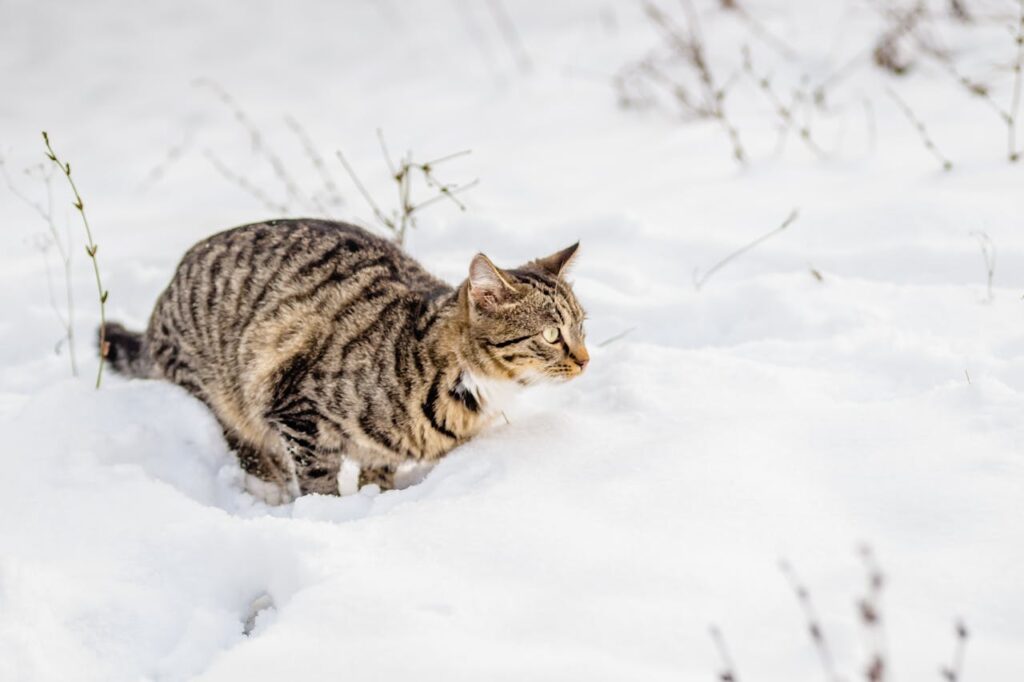
While some cats adore basking in the sunlight to stay warm, others instinctively seek out cool, shaded areas to avoid overheating. These breeds often originate from colder regions or have dense fur that makes them less tolerant of heat. Unlike their sun-loving counterparts, they prefer tiled floors, breezy windows, or shaded corners to maintain comfort. Understanding these preferences helps cat owners create an ideal environment for their feline companions. Here are 10 cat breeds that thrive in the coolest spots in the house.
1. Maine Coon
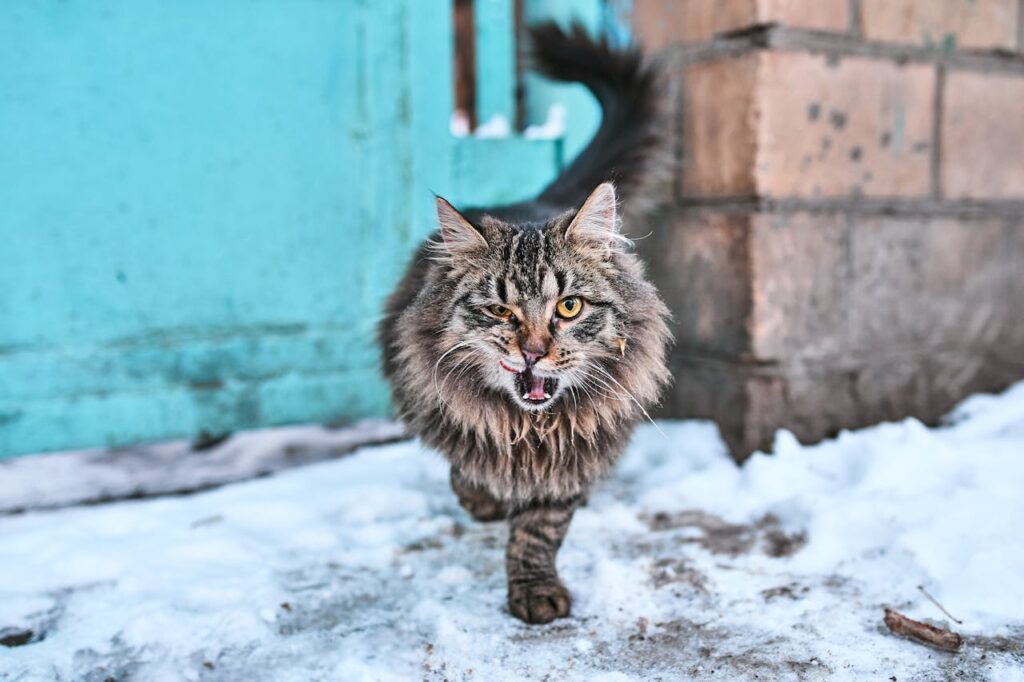
Maine Coons, known for their thick, water-resistant fur, are naturally equipped for cold climates. Their dense coat insulates them from harsh winter conditions, making them more tolerant of cool temperatures than heat. Unlike sun-seeking breeds, they prefer resting in shaded, cooler spots to prevent overheating. Maine Coons often sprawl out on cool tile floors or near air vents, ensuring they remain comfortable even in warm weather. Owners should monitor them during hot months to avoid overheating and ensure they always have access to fresh, cool water and well-ventilated spaces.
2. Norwegian Forest Cat
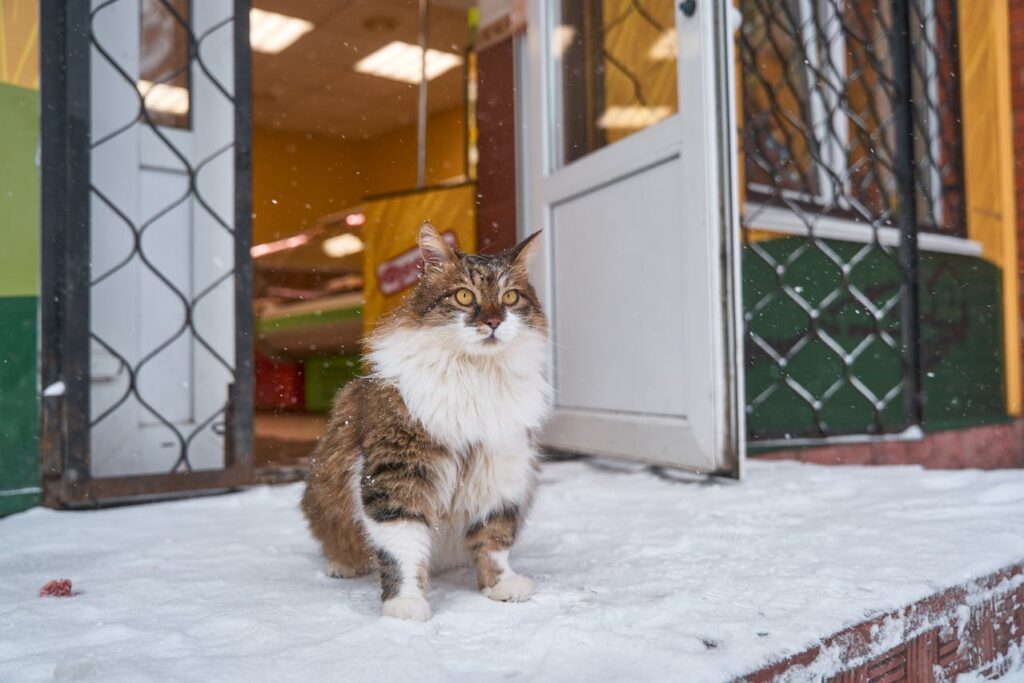
Hailing from Scandinavia, Norwegian Forest Cats have evolved to withstand extreme cold. Their thick double coats help regulate body temperature, making them more suited to cooler environments. These cats instinctively seek out shaded or cool areas in the home, especially during warmer months. They prefer resting on cold floors, under furniture, or near fans to keep from overheating. Despite their tolerance for cold, they still enjoy a cozy, dry shelter. Keeping them hydrated and brushing their thick fur helps manage shedding and maintain comfort, especially in warmer climates.
3. Russian Blue

The Russian Blue is known for its short, dense double coat that provides natural insulation against cold weather. Their plush fur helps them retain body heat, meaning they are less inclined to seek warmth from the sun. Instead, they gravitate towards cool and shaded environments, often napping in breezy spots or on cool fabric surfaces. Russian Blues are also known for their calm and reserved nature, preferring quiet, shaded corners of the house where they can relax undisturbed. Providing cool resting areas ensures they remain comfortable throughout the year.
4. British Shorthair
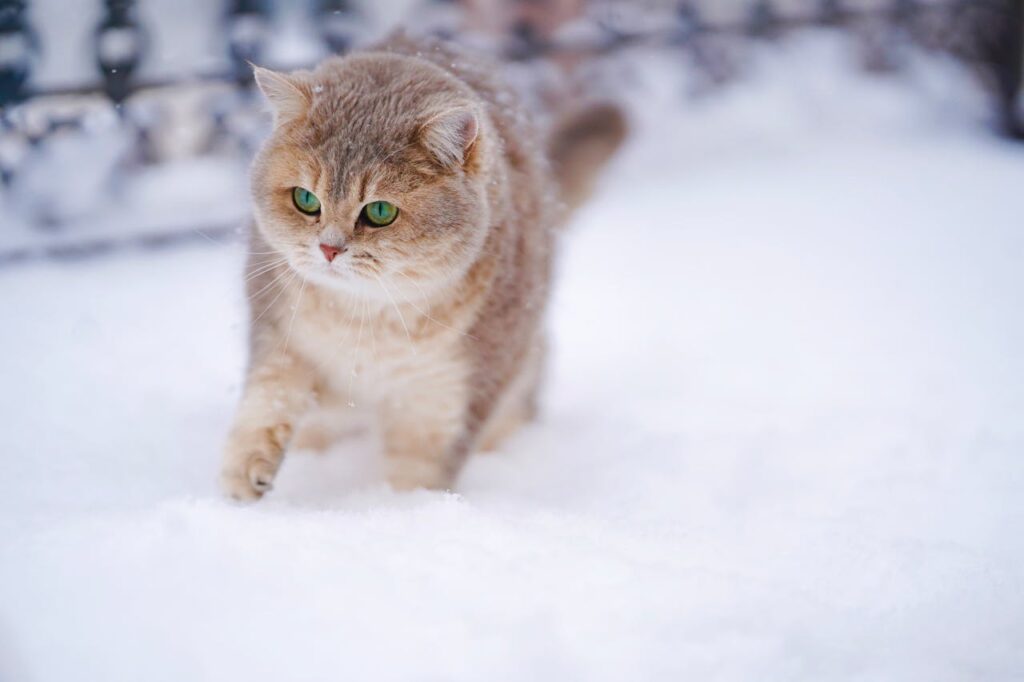
British Shorthairs possess a thick, plush coat that provides excellent insulation, making them more comfortable in cool spaces. They prefer lying on tile floors, near windows with a breeze, or in shaded corners to avoid excessive warmth. This breed is relatively low-energy, meaning they don’t generate as much body heat as more active breeds, further reinforcing their preference for cool environments. While they may occasionally enjoy lounging in the sun, they quickly retreat to cooler areas to regulate their body temperature and stay comfortable.
5. Siberian

A natural cold-weather breed, the Siberian cat has a thick, triple-layered coat designed to protect them from freezing temperatures. While this fur is great for winter, it can make them prone to overheating in warm weather. To stay comfortable, Siberians often seek out the coolest areas in a home, such as tiled floors, shaded patios, or breezy windows. Unlike sun-loving cats, they tend to avoid direct sunlight for prolonged periods. Regular grooming helps manage their thick coat, preventing excessive shedding and overheating in hot months.
6. Scottish Fold
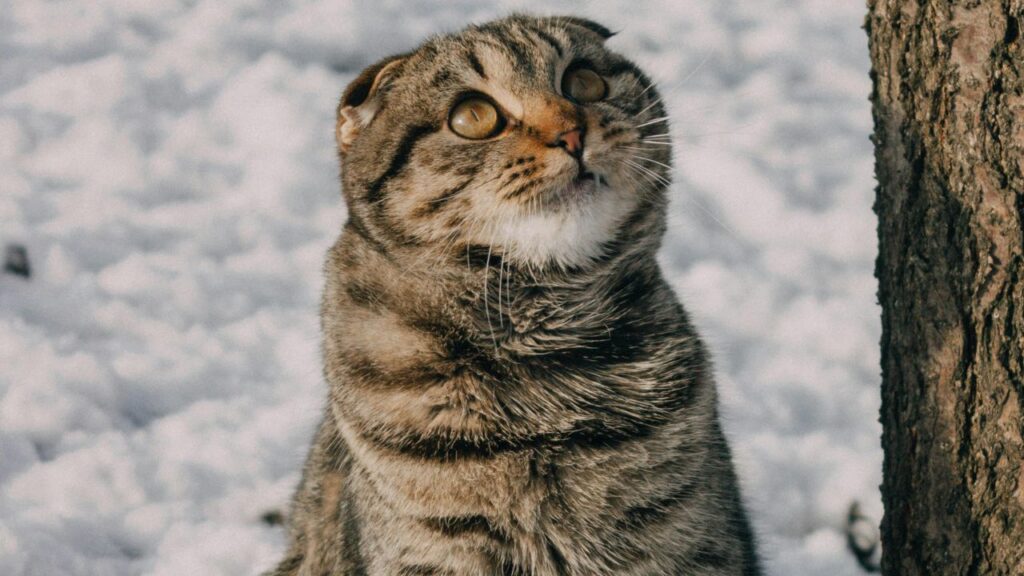
Scottish Folds have dense, plush fur that keeps them warm in cold weather, making them more prone to overheating in hot conditions. They naturally seek out cool spaces like tiled floors, shaded corners, and breezy spots to maintain comfort. Unlike some sun-loving breeds, they are content resting in well-ventilated areas where they can stay cool. Scottish Folds are generally calm and prefer cozy, cool spaces over sunbathing. Keeping their fur well-groomed and ensuring they stay hydrated helps prevent overheating, particularly in warmer climates.
7. American Shorthair

American Shorthairs have a dense coat that provides moderate insulation, making them adaptable to varying temperatures. However, they are not overly fond of heat and often seek out cool spots in the home. Their love for comfort means they prefer lounging in shaded areas, on cool surfaces, or near fans. This breed is independent yet affectionate, often choosing a quiet, cool place to rest rather than basking in the sun. Maintaining a cool indoor environment helps keep American Shorthairs comfortable, particularly in summer months.
8. Turkish Van

Despite originating from Turkey, the Turkish Van prefers cooler environments and is known for its love of water. Their semi-long fur provides some insulation but isn’t overly dense, making them sensitive to heat. They often seek out cool, airy spaces to avoid overheating, and some even enjoy splashing in water to stay cool. Owners may notice their Turkish Van lounging on tile floors or shaded patios rather than sunbathing. Providing fresh water and access to cool resting spots ensures they remain comfortable, especially in hot weather.
9. Chartreux

The Chartreux, a rare French breed, has a thick, water-resistant coat that keeps it warm in cooler climates. Because of this natural insulation, they prefer staying in shaded, cool environments rather than seeking out the sun. This breed is known for its relaxed and reserved nature, often choosing quiet, cool corners of the house for naps. Chartreux cats enjoy cool, well-ventilated rooms and may sleep on cool surfaces like wooden floors or stone tiles to regulate body temperature. Keeping them in a comfortable, shaded environment helps prevent overheating.
10. Manx

The Manx cat, native to the Isle of Man, is built for cooler climates with its dense double coat. These tailless felines tend to avoid sunbathing and instead favor cool, shaded areas to lounge in. Their love for cooler spaces is linked to their natural environment, where they evolved to withstand wind and cooler temperatures. In warmer weather, Manx cats will seek out tiled floors, breezy spots, or even burrow into cool bedding. Ensuring they stay hydrated and keeping their fur well-groomed helps maintain comfort in hotter months.
Love Pets as Much as We Do?

Scroll up and click the ‘Follow’ button to stay updated with the latest heart-warming, hilarious, and helpful pet posts from Pawdown, delivered straight to your Microsoft Start feed and MSN homepage!