

Keeping fish can be an incredibly fulfilling and relaxing hobby, but diving into fishkeeping without preparation can lead to unintended mistakes. According to a study, maintaining a stable and healthy aquatic environment is key to successful fishkeeping. Let’s explore ten common mistakes beginners make and how to avoid them for a thriving aquarium.
1. Choosing the Wrong Tank Size
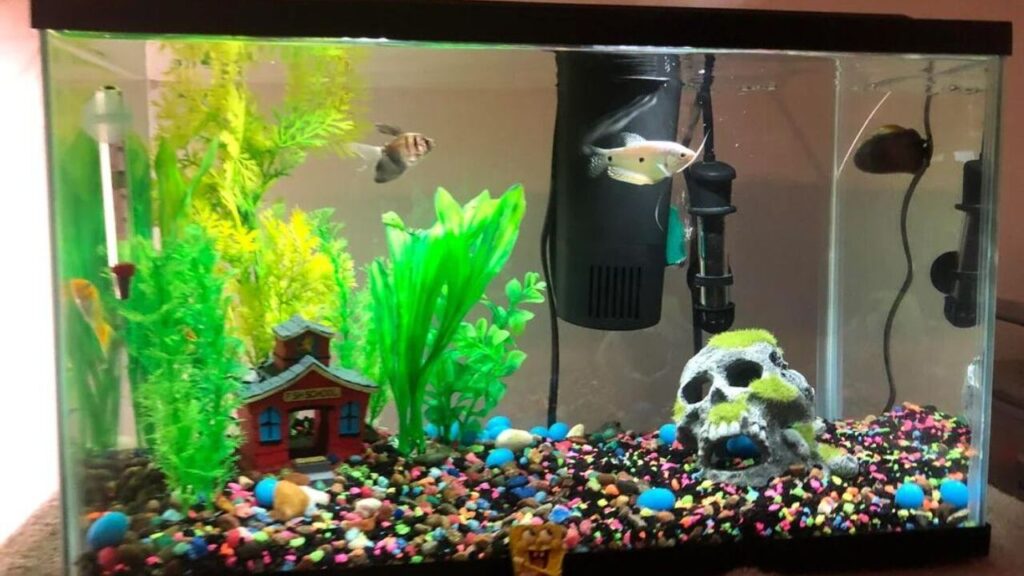
Starting with a small tank might seem manageable for beginners, but it often creates more challenges than solutions. Smaller tanks are more prone to fluctuations in water temperature and quality, making it harder to maintain a stable environment for your fish. For instance, if you opt for a five-gallon tank, even slight overfeeding or a missed water change can lead to a rapid ammonia spike, endangering your fish. A tank of at least 20-22 gallons is recommended for beginners. Larger tanks not only offer more room for your fish to swim but also create a more forgiving environment for water quality fluctuations. They’re easier to maintain, provide a better aesthetic, and give you room to experiment as your skills grow.
2. Overcrowding the Tank
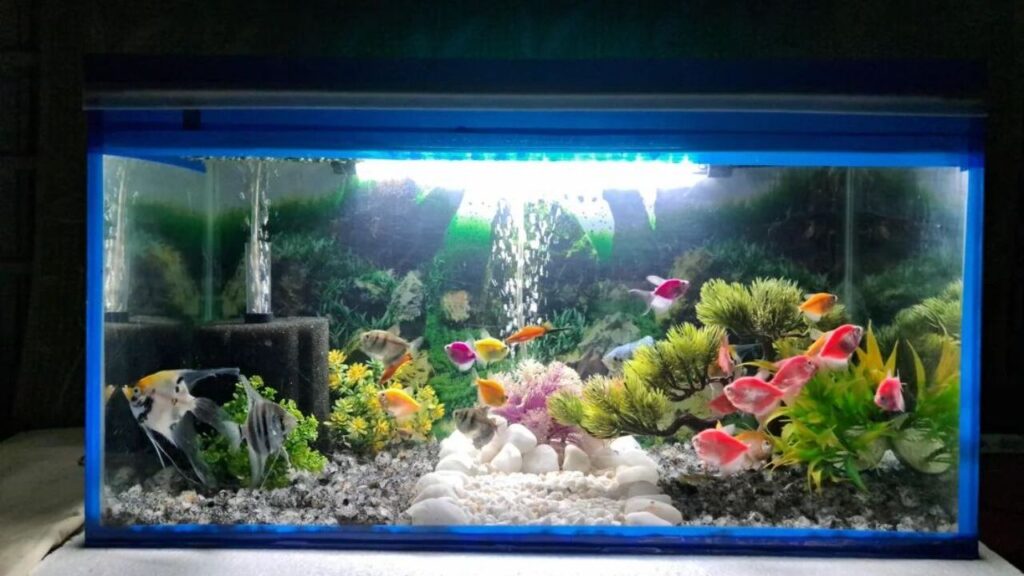
It’s easy to fall for the allure of a vibrant, bustling aquarium filled with colorful fish. However, adding too many fish to your tank can lead to poor water quality, increased aggression, and stress among tank inhabitants. Overcrowding is like throwing a big party in a tiny room—it looks exciting at first, but soon becomes chaotic and uncomfortable. Each fish species has unique space requirements. A commonly used rule is one inch of fish per gallon of water, but this is not a one-size-fits-all guideline. For example, goldfish produce more waste than guppies and need more space to thrive. Research your fish species beforehand and err on the side of caution to maintain a harmonious and healthy aquarium.
3. Skipping the Nitrogen Cycle
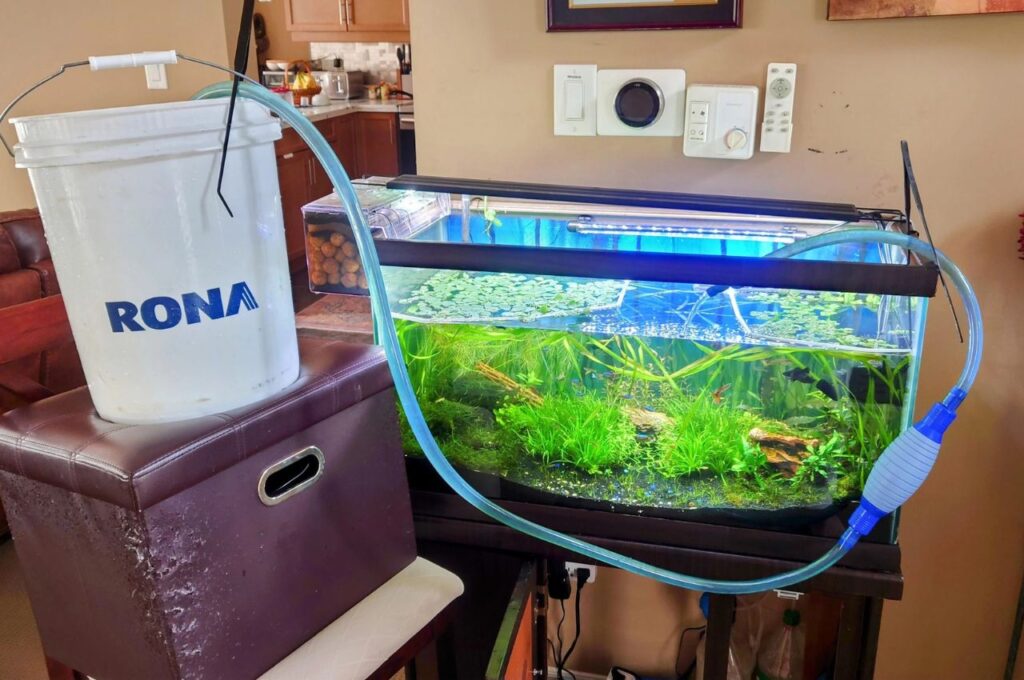
The nitrogen cycle is the foundation of a healthy aquarium, yet many beginners rush to add fish before this critical process is established. Without beneficial bacteria to break down ammonia and nitrites into less harmful nitrates, your fish will be swimming in toxic water. Cycling your tank involves creating a biological filter to handle waste. Use a good quality water testing kit to monitor nitrite, ammonia, and nitrate levels. Wait until the ammonia and nitrite levels drop to zero before introducing fish. Patience here is crucial to avoid unnecessary stress or loss of your aquatic pets.
4. Using Tap Water Without Conditioning
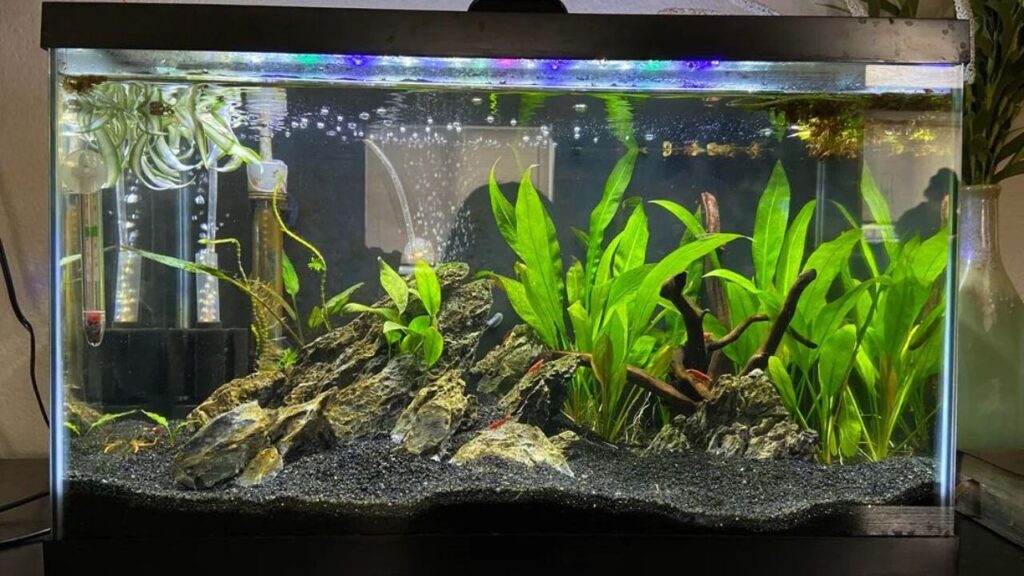
Straight tap water might seem harmless, but it’s often filled with chlorine and heavy metals that can be lethal to fish. These elements, while safe for human consumption, are harmful to the delicate gills and systems of your aquatic pets. To make tap water safe, always use a water conditioner that neutralizes chlorine and binds heavy metals. This simple step ensures a clean and safe environment, setting the stage for a thriving aquarium. Additionally, make sure the water temperature matches the tank’s environment before adding it.
5. Overfeeding the Fish
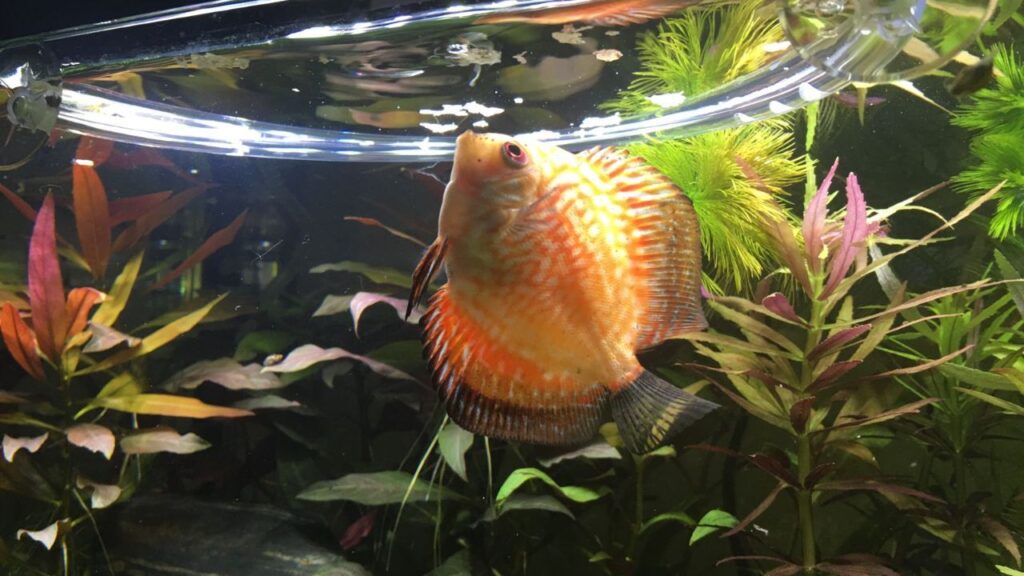
Overfeeding is one of the most common beginner mistakes. Uneaten food quickly breaks down into harmful ammonia, spiking toxin levels and compromising water quality. It’s like leaving food to rot on your dining table—it’s unsightly and invites trouble. Feed your fish only what they can consume in two to three minutes, once or twice a day. Regular feeding schedules and portion control are vital for maintaining both the health of your fish and the cleanliness of the tank. Take away any leftover food right away to stop it from rotting.
6. Neglecting Regular Maintenance
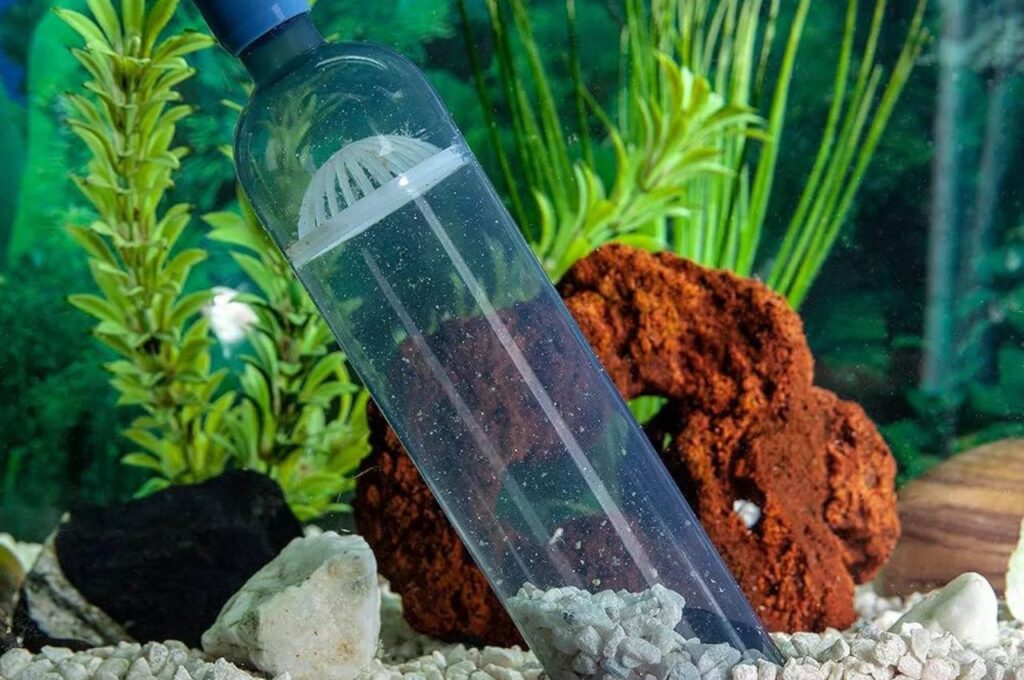
Many beginners view aquariums as low-maintenance setups, but this couldn’t be further from the truth. Skipping weekly maintenance tasks like water changes, cleaning the substrate, and checking equipment can lead to deteriorating water conditions. Commit to weekly water changes of 10-20% and clean your tank’s glass, decorations, and substrate as needed. A consistent maintenance routine keeps water parameters stable and prevents the buildup of harmful substances, ensuring your fish stay happy and healthy.
7. Mixing Incompatible Species
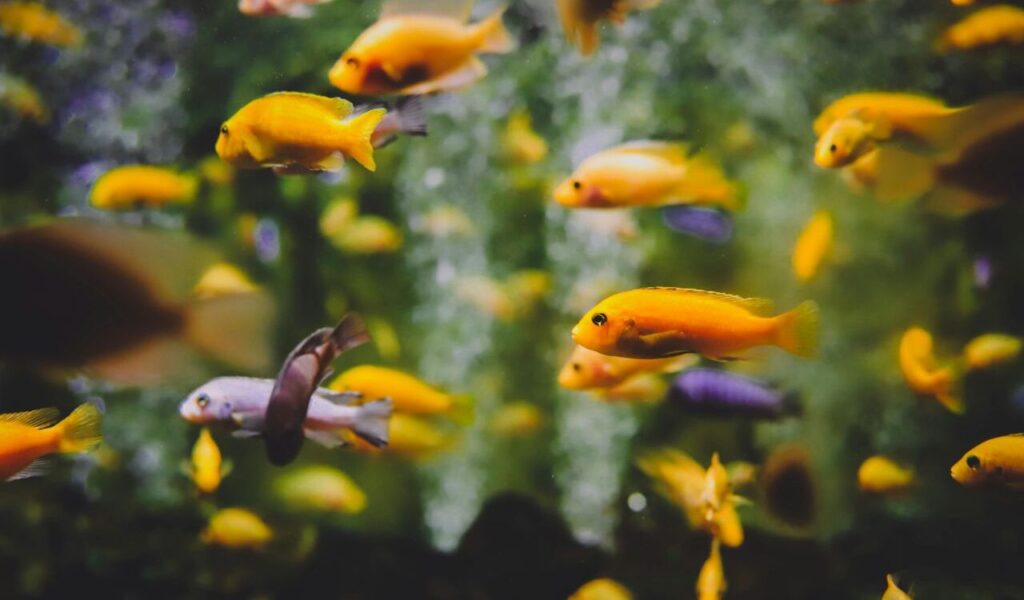
Not all fish are meant to share a tank. Some species are aggressive, territorial, or require vastly different water conditions, leading to stress and conflict. It’s like trying to keep a lion and a lamb in the same space—it just doesn’t work. Research compatibility before selecting tankmates. Peaceful community fish like tetras and guppies usually coexist well, but always double-check their specific needs and temperaments. Introducing compatible species ensures a stress-free and harmonious environment for all.
8. Ignoring Water Parameters

Maintaining proper water parameters like pH, temperature, and hardness is crucial for fish health. Ignoring these can lead to stress, disease, and premature death. Each fish species has specific requirements, and sudden changes in parameters can be fatal. Invest in a reliable water testing kit to regularly monitor and adjust parameters. Stability is key, so avoid drastic changes and ensure that water conditions align with the needs of your fish. A consistent environment fosters long-term health and vitality.
9. Using Inadequate Filtration
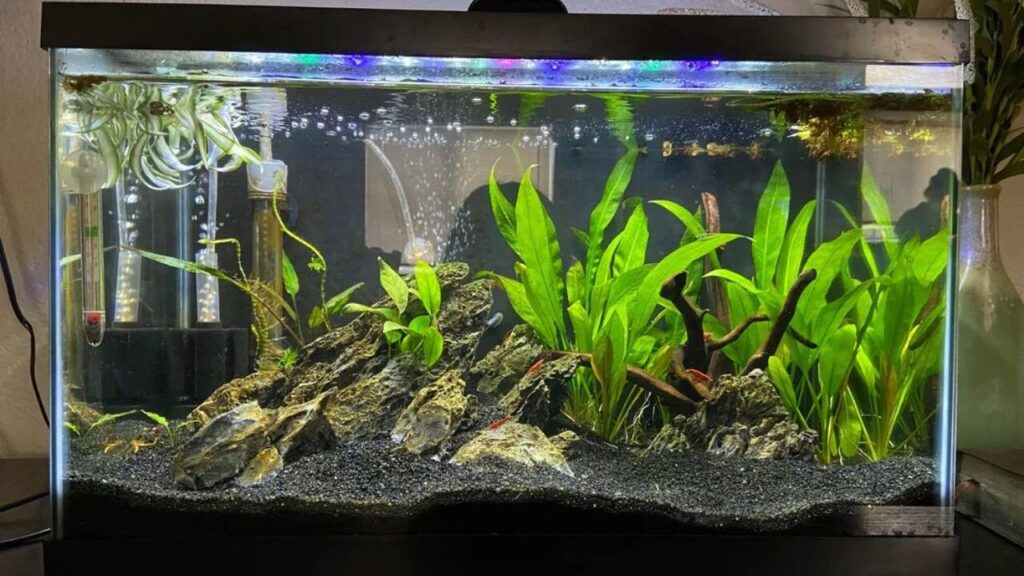
A proper filtration system is the backbone of any healthy aquarium. Choosing a filter that’s too small or ineffective can lead to poor water quality, algae blooms, and stressed fish. It’s like trying to clean a pool with a handheld vacuum—insufficient and frustrating. Select a filter rated for your tank size, or better yet, slightly above. A good filter not only removes waste but also supports beneficial bacteria growth. Regularly clean and maintain the filter to ensure it’s functioning optimally.
10. Impulse Buying Fish
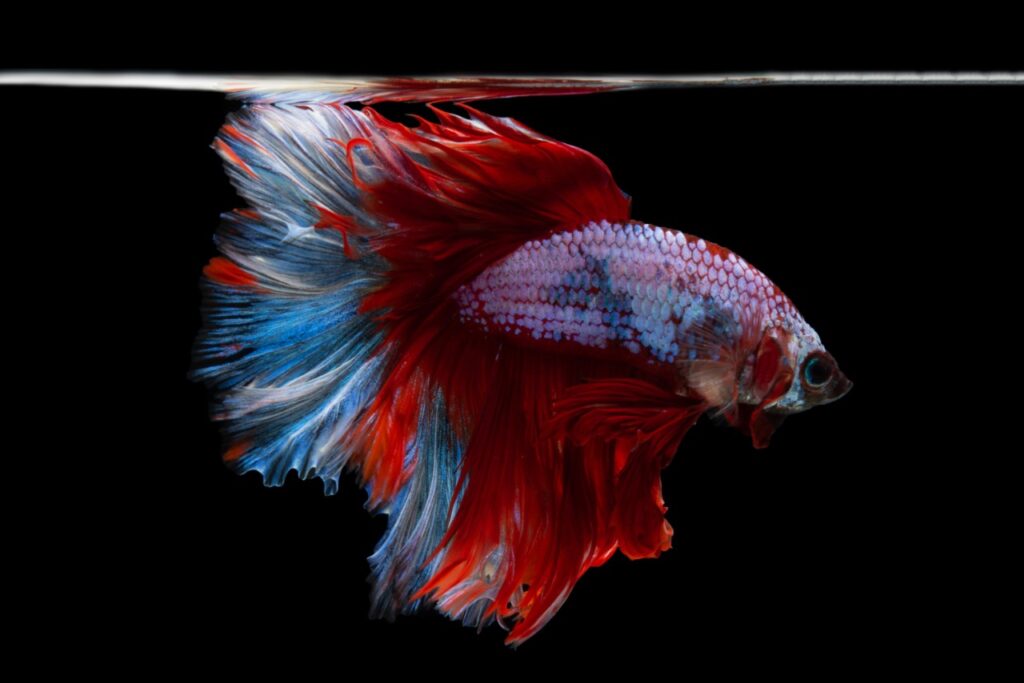
Seeing a stunning fish at the store and bringing it home without preparation is a common mistake. Impulse purchases often lead to housing fish in unsuitable conditions or introducing diseases to your tank. Always research a fish’s care requirements before buying. Quarantine new fish for at least two weeks to observe for signs of illness before adding them to your main tank. Preparation and caution go a long way in maintaining a healthy and beautiful aquarium.
Love Pets as Much as We Do?
Scroll up and click the ‘Follow’ button to stay updated with the latest heart-warming, hilarious, and helpful pet posts from Pawdown, delivered straight to your Microsoft Start feed and MSN homepage!