
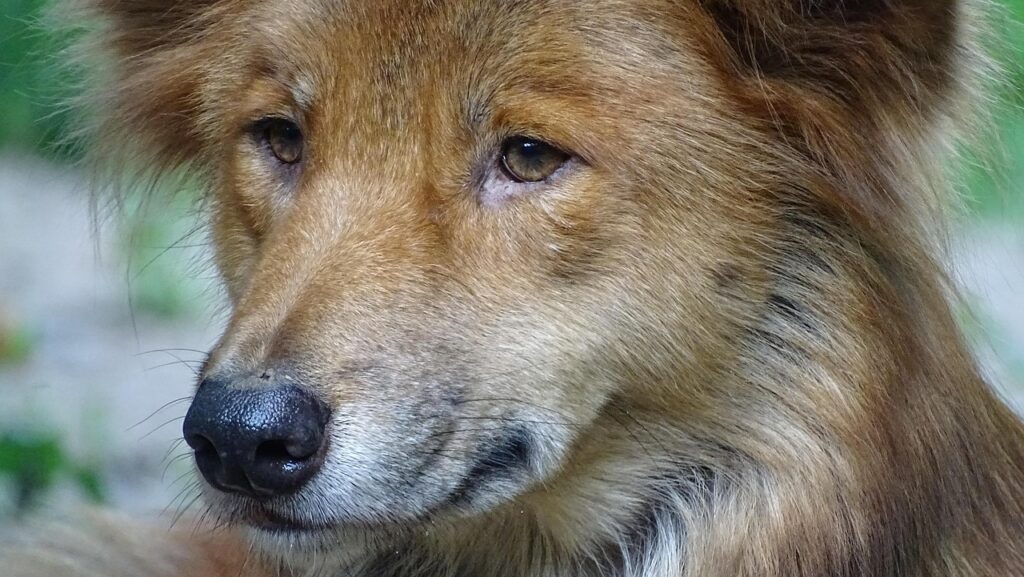
Wild canines are fascinating creatures but not meant to be pets. From their complex social structures to their powerful instincts, these animals thrive in environments that allow them to roam freely and hunt. Despite their similarities to domestic dogs, wild canines are far more dangerous and unpredictable. So, let’s explore 10 wild canines that should never be kept as pets. Their strength, behavior, and unique needs make them impossible to domesticate and unsuitable for home life.
1. African Wild Dog

The African wild dog, also known as the painted wolf, is one of the most efficient hunters in the animal kingdom. With their strong pack mentality and relentless hunting strategies, these animals can take down prey much larger than themselves. Their social structure is complex, and they thrive in large packs. Although they may seem captivating, keeping one as a pet is a dangerous idea. These animals require vast territories and highly structured packs to thrive, making them impossible to domesticate and unsuitable for human environments.
2. Gray Wolf

While gray wolves are beautiful creatures, they are not domesticated dogs. Wolves are strong, wild predators with instincts that make them dangerous in a domestic setting. Their size and strength alone pose a significant threat to anyone who attempts to keep them as a pet. Wolves are not solitary creatures, and their need for vast territories, constant mental stimulation, and exercise makes them a poor fit for home life. They can also display aggressive behaviors, especially when they feel threatened or cornered, making them dangerous companions.
3. Ethiopian Wolf

The Ethiopian wolf is an endangered species that lives in the highlands of Ethiopia. These canines have adapted to living in some of the harshest environments, where they hunt smaller prey like rodents. They are solitary hunters and are highly territorial. While they may seem more approachable due to their small size, their wild instincts and need for space make them unsuitable as pets. Keeping an Ethiopian wolf would require specialized care that most pet owners are unprepared for, including managing their complex diet and need for vast, undisturbed land.
4. Dingo

Dingos, native to Australia, are wild dogs known for their ability to adapt to diverse environments. Although they may appear similar to domestic dogs, they have retained strong hunting instincts that can make them unpredictable and dangerous. Their wild nature and tendency to form close-knit packs mean they are not well-suited for life with humans. Dingoes can be aggressive and possess a strong prey drive, which makes them a threat to small pets and children. Attempts to domesticate them have often failed, leading to aggressive behavior.
5. Jackal

Jackals are highly intelligent and adaptable canines that thrive in a wide range of environments, from deserts to savannas. Despite their small to medium size, they are skilled hunters, known for scavenging and hunting in pairs or small groups. While they may seem like smaller, more manageable pets, jackals are unpredictable and dangerous due to their aggressive tendencies and sharp instincts. Their diet requires specialized care, and they are known to be territorial, which could cause conflict in a household with other pets or children.
6. Red Fox
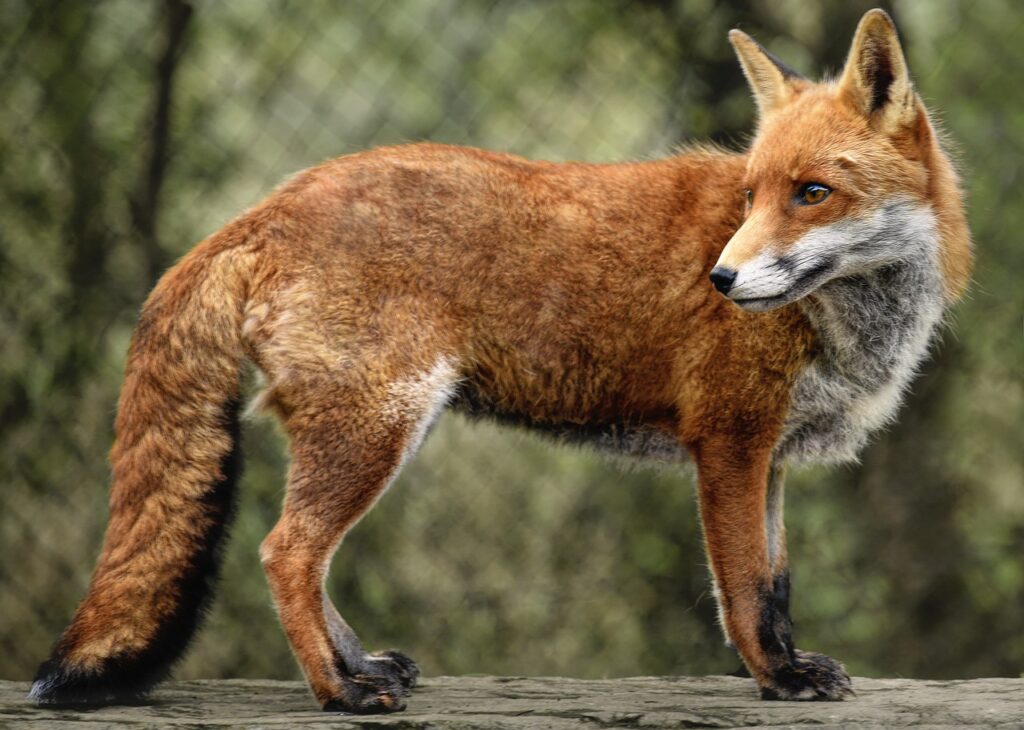
Though foxes are often portrayed as cute and playful, they are wild animals with strong survival instincts. Red foxes are highly intelligent and capable hunters, and their sharp teeth and claws make them a serious threat if threatened. Their natural behavior includes scavenging, hunting, and marking territory, making them difficult to manage in a domestic setting. While some people may try to domesticate foxes, their wild instincts are impossible to fully suppress, making them unsafe and challenging to care for in a home.
7. Coyotes
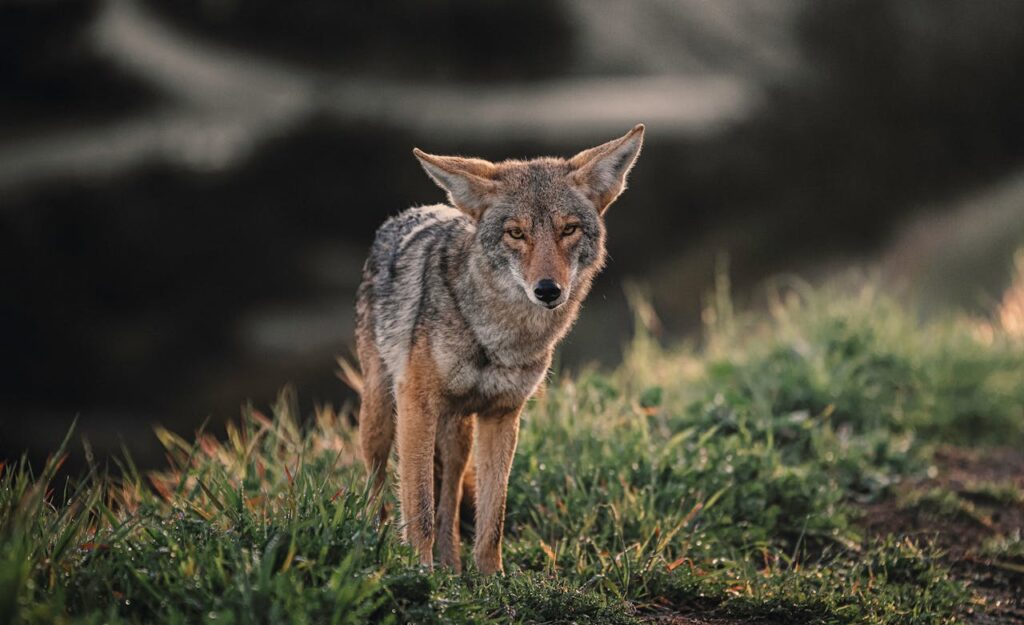
Coyotes are one of the most adaptable wild canines, thriving in urban environments and rural areas alike. Their diet is varied, and they are known for hunting smaller prey, scavenging, and even raiding trash cans. Coyotes can be aggressive, especially when they feel their territory or pups are threatened. Though they may resemble domestic dogs, their unpredictable nature and wild instincts make them dangerous and difficult to care for as pets. Coyotes can transmit diseases like rabies, and their hunting drive can pose risks to small pets.
8. Gray Fox
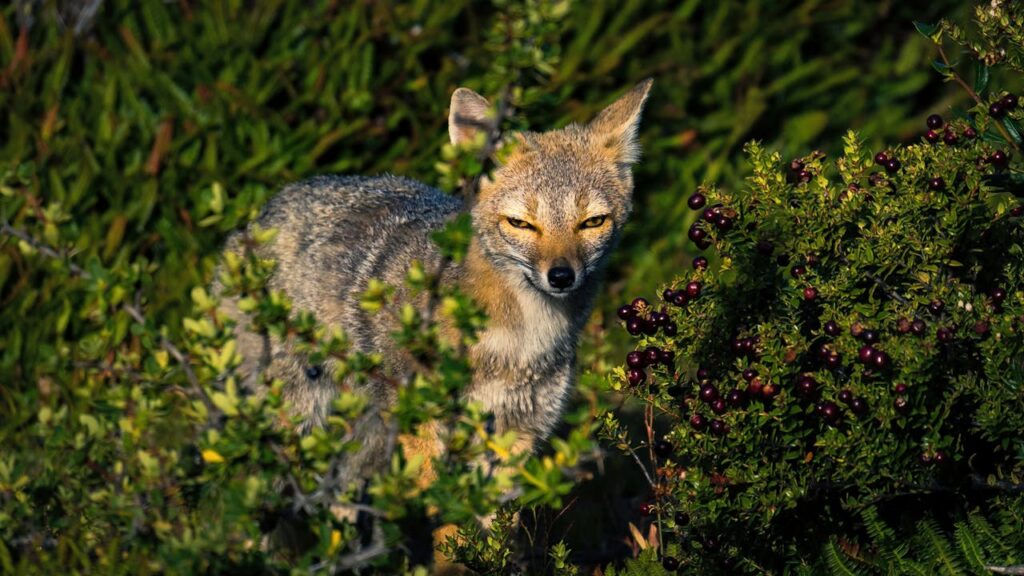
The gray fox is a small but clever wild canine that can climb trees and navigate difficult terrains with ease. Their adaptability allows them to live in a variety of habitats, from forests to urban areas. Gray foxes are highly territorial, and their sharp instincts make them unpredictable in a domestic setting. While they may seem like they could be tamed, their wild behavior, coupled with their need for space and natural diet, makes them unsuitable as pets. The challenges of keeping one in captivity would be overwhelming for most pet owners.
9. Asian Wild Dog (Dhole)

The dhole, or Asian wild dog, is a social and highly intelligent species found in parts of Asia. Known for their pack mentality and efficient hunting skills, dholes can take down large prey and communicate effectively within their group. However, they are not suited for life in captivity. Dholes require large territories and specialized care that most pet owners are unprepared for. Their aggressive nature, combined with their pack-oriented behavior, can make them dangerous to handle, especially in a home environment.
10. New Guinea Singing Dog

Native to the forests of New Guinea, the New Guinea singing dog is a rare and elusive breed known for its distinct vocalizations. These wild canines are highly territorial and are skilled hunters. They are not suited for domestication, as their natural behavior and instincts make them challenging to manage in a household. Despite their appealing appearance and unique vocalizations, the New Guinea singing dog’s wild nature means they would never be a safe or practical choice for a pet. Their needs and instincts are simply too complex for home life.
Love Pets as Much as We Do?

Scroll up and click the ‘Follow’ button to stay updated with the latest heartwarming, hilarious, and helpful pet posts from Pawdown, delivered straight to your Microsoft Start feed and MSN homepage!