
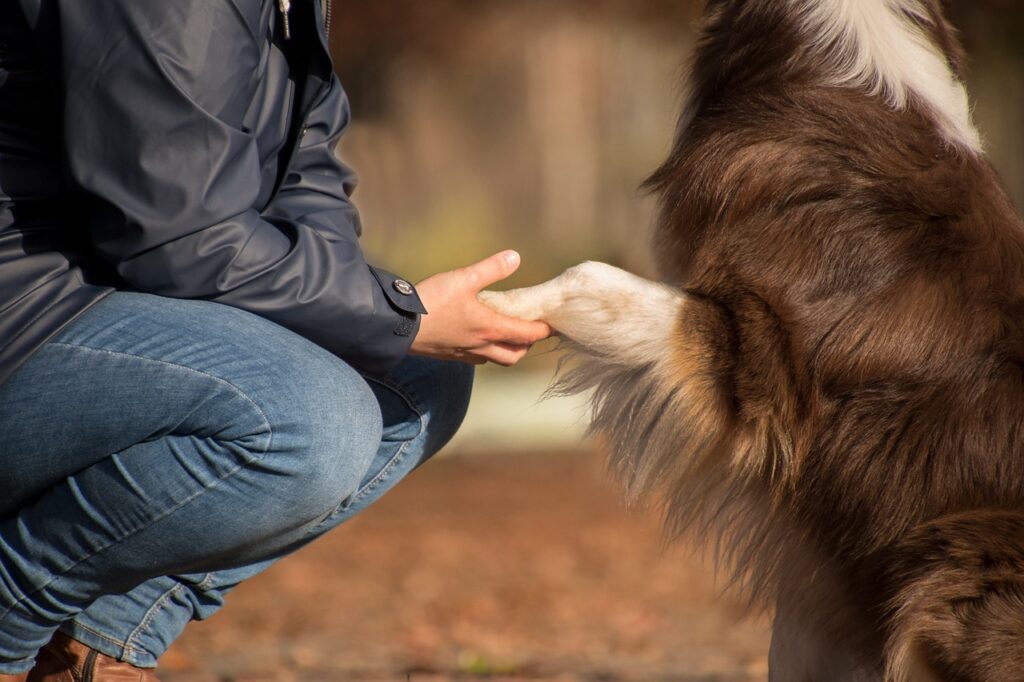
Dogs are more than just pets—they’re our companions, confidants, and family members. But while some breeds are perfectly content to snooze the day away while you’re at work, others see even a few minutes of separation as a lifetime. Understanding your dog’s ability to cope with solitude is essential for their happiness and well-being. Whether you’re a busy professional looking for an independent canine partner or a stay-at-home pet parent catering to a constant cuddle buddy, we will explore the breeds that thrive in their own company and those that need a little extra love and attention when left alone.
1. Toy Poodle

The Toy Poodle is a petite powerhouse of intelligence and charm, but its strong attachment to its owner makes it a breed that struggles when left alone. Known for their “Velcro dog” tendencies, Toy Poodles thrive on constant interaction and attention. When left in solitude, they often develop separation anxiety, which can lead to barking, destructive chewing, or attempts to escape. Their need for mental stimulation and physical activity also plays a role in their restlessness during alone time. Owners should consider engaging toys or professional pet care when absence is unavoidable.
2. Australian Shepherd

Australian Shepherds are energetic, intelligent, and deeply loyal dogs bred to work alongside humans in herding tasks. This history of close companionship has fostered a breed that thrives on interaction and purpose. Leaving an Australian Shepherd alone can quickly lead to frustration, as their high energy levels demand physical and mental activity. Without these outlets, they may resort to destructive behavior, excessive barking, or even trying to escape. Aussies require a lot of exercise and stimulation to keep them happy, so leaving them alone should be minimized. If unavoidable, consider tiring them out with a long walk or engaging puzzle toys to curb their restlessness.
3. American Pit Bull Terrier

American Pit Bull Terriers are often misunderstood, but one thing is clear—they love their people. Known for their affectionate and loyal nature, they thrive on human interaction and struggle with long stretches of solitude. When left alone for too long, they can develop anxiety, which might manifest as whining, chewing, or destructive digging. This breed bonds deeply with its family and craves physical touch and verbal reassurance. Owners who work long hours should provide enrichment like toys, treat puzzles, or even consider doggy daycare to keep their Pit Bull happy and mentally stimulated.
4. Chihuahua

Don’t let their size fool you—Chihuahuas have enormous personalities and an equally strong attachment to their owners. These tiny dogs are known for being “people-centric,” often forming a close bond with one specific person. As a result, they can become anxious and even depressed when left alone. Chihuahuas are prone to destructive chewing or excessive barking as a response to their solitude. Their small size makes them portable, so many owners find it easier to take them along rather than leave them behind. When alone time is unavoidable, a cozy environment with familiar scents and toys can help ease their anxiety.
5. Bichon Frise

Bichon Frises are as cheerful as they are fluffy, but their bubbly personalities make them ill-suited for long periods of alone time. This breed craves social interaction, whether it’s with humans or other pets, and they can become deeply distressed if left by themselves. Signs of separation anxiety in Bichons include barking, destructive behavior, or pacing. Their affectionate nature and love of companionship mean they thrive in homes where someone is frequently present. If you must leave them alone, ensure they have comforting toys, soothing music, or even another pet to keep them company.
6. Italian Greyhound

Italian Greyhounds are elegant and sensitive dogs that form deep emotional bonds with their families. They are known for their gentle temperament and tendency to seek constant closeness with their humans. When left alone, they can become anxious and display signs of distress like whining or trembling. Italian Greyhounds also require a fair amount of exercise, and without proper outlets for their energy, they might resort to destructive behaviors. A consistent routine, plenty of physical activity, and comforting items like blankets or familiar toys can help ease their anxiety during short absences.
7. Maltese

Maltese dogs are affectionate lapdogs who adore being around their families. This breed does not handle solitude well, often becoming anxious or depressed when left alone for too long. Maltese are known to bark excessively, chew on household items, or sulk in response to loneliness. Their small size and gentle nature make them ideal for homes where someone is usually present. If time apart is unavoidable, providing engaging toys or leaving the TV or radio on can help them feel less isolated. This breed truly thrives in environments filled with love and attention.
8. French Bulldog

French Bulldogs are charming and playful companions, but they don’t cope well with being left alone. Known for their affectionate and social nature, Frenchies thrive on human interaction and can become anxious when separated from their family. Loneliness in this breed often results in whining, barking, or chewing. Due to their brachycephalic nature, stress from being alone can also exacerbate breathing issues. To ensure their happiness, limit the time they spend alone and provide them with toys or even a dog walker if necessary.
9. Fox Terrier

Fox Terriers are lively, curious dogs with a strong need for activity and companionship. Their energetic nature means they require plenty of exercise and mental stimulation, and being left alone for extended periods doesn’t suit them. When bored or lonely, Fox Terriers are known to become destructive, digging up the yard or chewing on furniture. They thrive in active households where they can be part of the action. Owners should consider interactive toys or puzzle feeders to keep their Fox Terrier engaged during short absences.
10. Pomeranian

Pomeranians may be tiny, but their personalities are larger than life—and so is their need for attention. This breed forms strong bonds with their owners, often following them around the house. When left alone, Pomeranians can become anxious, leading to excessive barking or even aggressive behavior. Their intelligent nature requires mental stimulation, so providing toys, treat puzzles, or short training sessions before leaving can help them cope. With proper care and planning, Pomeranians can manage short periods of solitude, but they’re happiest when they’re with their people.
11. Basenji

Basenjis, often called the “barkless dog,” are known for their cat-like independence and self-sufficient nature. Unlike many breeds, Basenjis handle being alone with remarkable poise, provided they’ve been properly trained. They are naturally curious and can occupy themselves for short periods, making them a good choice for people who can’t always be home. However, their intelligence requires mental stimulation, so interactive toys or puzzle feeders are a must. While they tolerate solitude better than most, extended periods alone can lead to mischief if their minds aren’t kept busy.
12. Chow Chow

Chow Chows are as independent as they come. With their aloof and dignified demeanor, they are often compared to cats in their ability to handle solitude. These dogs are perfectly content to relax at home while their owners are away, provided their basic needs have been met. Chow Chows do not crave constant interaction and are less prone to separation anxiety than other breeds. That said, their independence doesn’t mean they don’t need attention; a structured routine and daily walks ensure they remain well-balanced and happy.
13. Bullmastiff

Bullmastiffs are gentle giants that adapt well to being left alone, thanks to their calm and laid-back nature. Unlike high-energy breeds, Bullmastiffs are content to nap and lounge for hours, making them ideal for households where the owners work during the day. They form strong bonds with their families but are not prone to separation anxiety if properly trained and socialized. However, these dogs need regular exercise and mental stimulation when their owners are home to keep them healthy and happy.
14. Boston Terrier

Boston Terriers are adaptable and low-maintenance dogs that can handle being left alone better than most breeds. Their calm and easygoing nature makes them ideal for individuals who work during the day, provided their needs for exercise and interaction are met. Boston Terriers are intelligent and can entertain themselves for short periods, especially if provided with engaging toys or a safe space to relax. While they tolerate solitude, they thrive on human companionship and are happiest when they can spend time with their families.
15. Basset Hound
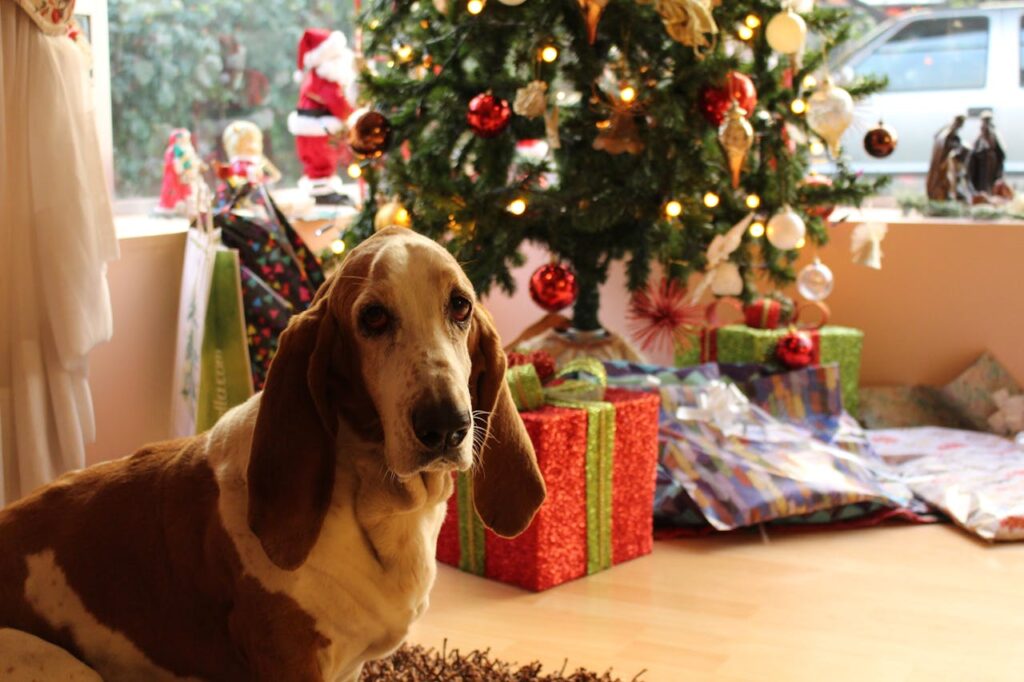
Basset Hounds are known for their relaxed and easygoing nature, which makes them well-suited to spending time alone. These dogs are not overly energetic and are content to nap for much of the day. However, their keen sense of smell can lead to curiosity-driven mischief if they’re left without mental stimulation. While they tolerate solitude better than many breeds, Basset Hounds still require attention and exercise when their owners are home to keep them happy and healthy.
16. Shiba Inu

Shiba Inus are famously independent and self-reliant, often described as the “cat-like” dog breed. Their reserved and aloof nature allows them to handle solitude exceptionally well, provided they have enough toys and mental stimulation. While they enjoy the company of their families, they are not overly clingy or prone to separation anxiety. However, Shibas are intelligent and can become bored if left alone for extended periods, so it’s essential to provide them with engaging activities to keep their minds occupied.
17. Shar Pei

Shar Peis are dignified and independent dogs that are naturally content being left alone. Their calm demeanor and low energy levels mean they’re happy to relax at home while their owners are out. Shar Peis are not overly demanding of attention, but they do require regular exercise and mental stimulation to stay balanced. With proper training and a consistent routine, they can handle solitude better than most breeds. That said, they still enjoy the companionship of their families and thrive in a loving environment.
18. Lhasa Apso

Lhasa Apsos are independent little dogs that can manage periods of alone time quite well. Originally bred as guard dogs in Tibetan monasteries, they are naturally alert and self-assured. While they enjoy the company of their families, they are not overly clingy or prone to separation anxiety. Providing a safe and stimulating environment with toys and cozy bedding can help them stay comfortable while their owners are away. Lhasa Apsos are adaptable and thrive in homes that balance independence with affection.
19. Scottish Terrier

Scottish Terriers, or “Scotties,” are known for their independent spirit and strong sense of self. While they form close bonds with their families, they are not overly dependent on constant attention, making them well-suited for households where owners are occasionally away. Scotties are intelligent and can entertain themselves, especially if provided with engaging toys or activities. However, like all dogs, they benefit from routine exercise and mental stimulation to prevent boredom. Their independence makes them resilient, but their loyalty ensures they’re always thrilled to reunite with their loved ones.
20. Afghan Hound

The Afghan Hound is the embodiment of independence and grace. Known for their regal appearance and aloof personality, these dogs are content spending time alone, a trait inherited from their hunting origins. While they form bonds with their families, Afghan Hounds value personal space and autonomy. They need regular exercise and grooming but are generally low-maintenance in terms of emotional attachment. Ideal for those who appreciate a serene, self-reliant companion.
Love Pets as Much as We Do?

Scroll up and click the ‘Follow’ button to stay updated with the latest heartwarming, hilarious, and helpful pet posts from Pawdown, delivered straight to your Microsoft Start feed and MSN homepage!