
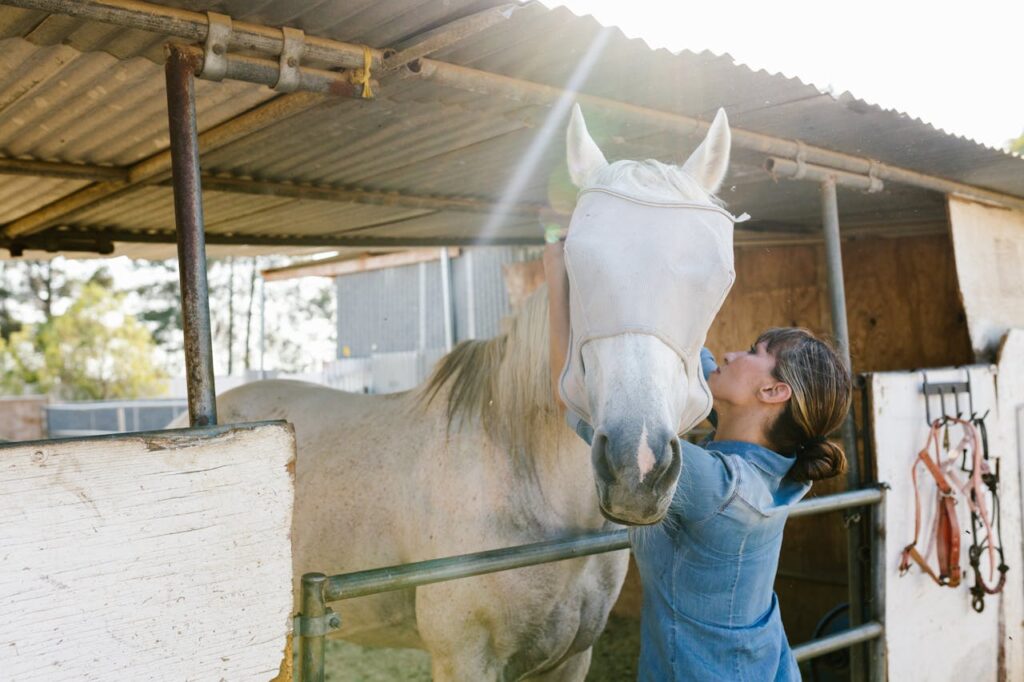
Horses are intelligent and sensitive animals that thrive on trust and connection. Building a strong bond with your horse takes time, patience, and understanding. However, certain common mistakes can weaken this relationship, making your horse anxious, unresponsive, or even fearful. Research has shown that positive reinforcement and consistent communication significantly improve horse-human interactions. Avoiding these ten pitfalls can ensure a healthier, happier partnership with your horse.
1. Not Spending Enough Ground Time

Many riders focus solely on saddle time, neglecting the importance of groundwork. Horses learn a lot about their handlers when they interact from the ground, which helps establish trust and respect. When you only engage with your horse during riding sessions, they might see you more as a demand-driven figure rather than a trusted partner. Spending time leading, grooming, and simply being present around your horse fosters a deeper connection. Activities like liberty work, lunging with positive reinforcement, or even just hanging out in their paddock can strengthen your bond in ways riding alone cannot.
2. Inconsistent Training Methods

Horses thrive on consistency. If you constantly change your cues, expectations, or training techniques, your horse will become confused and uncertain. Imagine trying to learn a new language where words change meaning every day—it would be frustrating, right? Horses feel the same way. Sticking to a clear set of commands and responses allows your horse to understand what you’re asking, leading to a more willing and confident partner. If multiple people handle your horse, make sure everyone follows the same training approach to avoid sending mixed signals.
3. Using Harsh Equipment or Training Aids
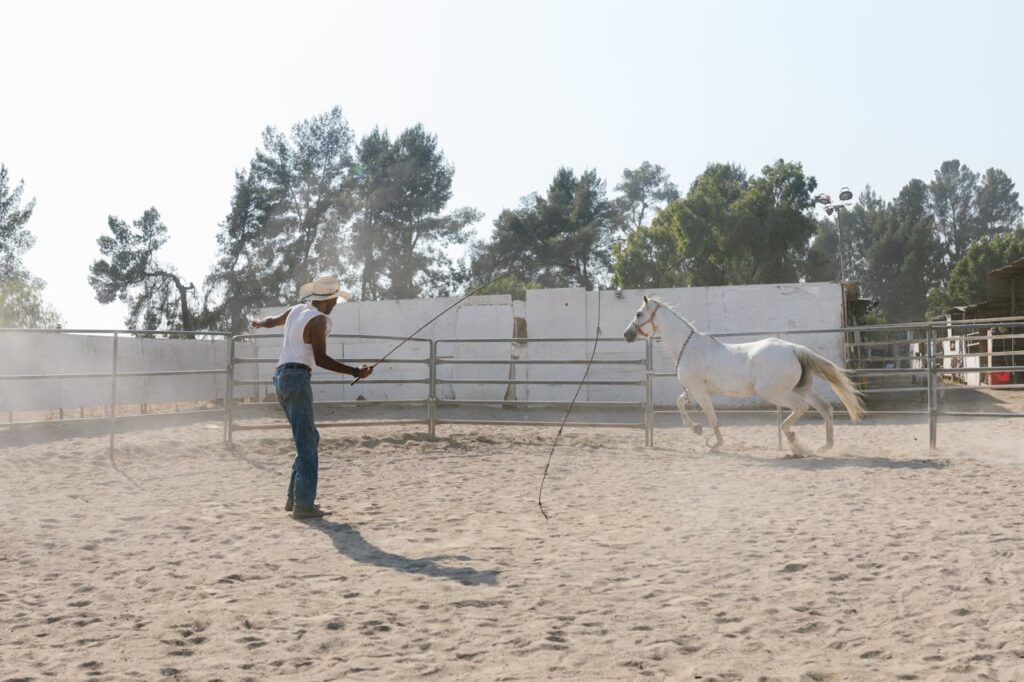
Many riders resort to harsh bits, tight nosebands, or excessive use of spurs and whips to control their horses. While these tools can serve a purpose when used correctly, relying on them too heavily can cause discomfort, pain, and even fear. A horse that associates handling with discomfort will eventually become resistant, tense, or even aggressive. Instead of relying on force, focus on improving your communication, seat, and balance. A well-trained horse responds to subtle cues and trusts its rider without needing excessive pressure.
4. Ignoring Your Horse’s Body Language
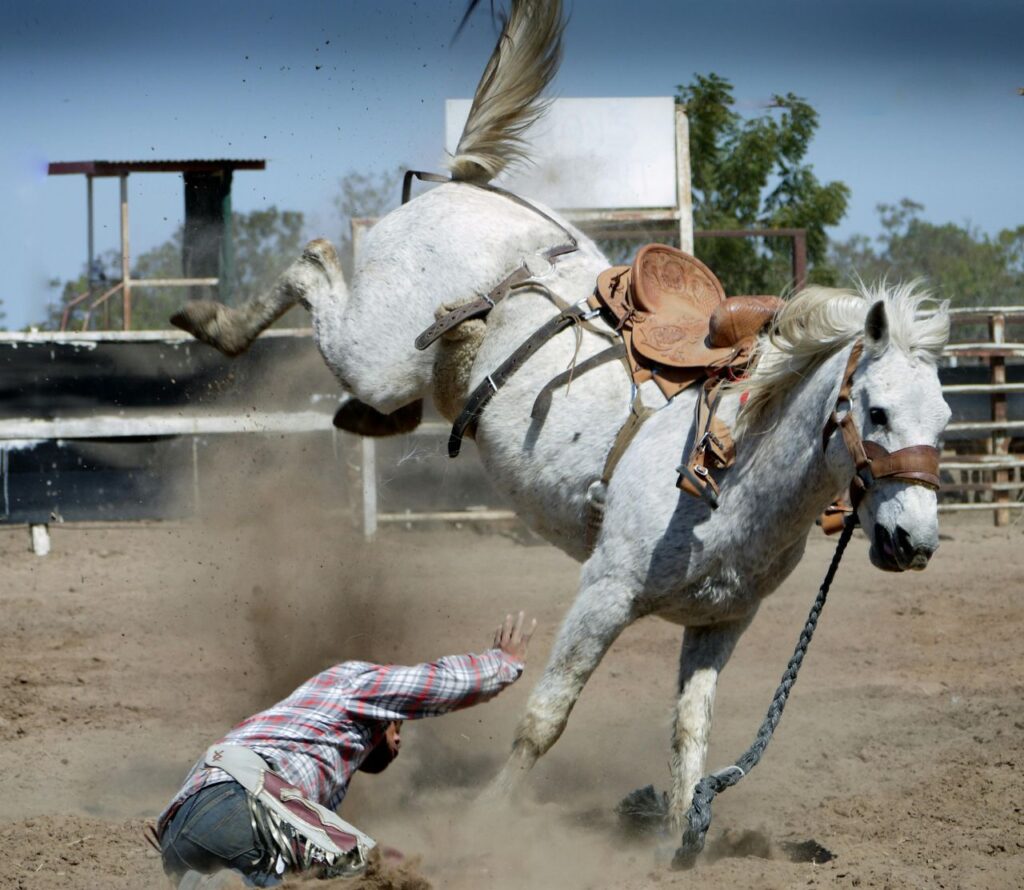
Horses communicate primarily through body language, and ignoring their signals can lead to frustration or even dangerous situations. If your horse pins its ears, swishes its tail, or moves away from you, it’s trying to tell you something. Many riders dismiss these signs as mere attitude when, in reality, the horse may be in pain, uncomfortable, or stressed. Taking the time to read and respond to your horse’s nonverbal cues helps build mutual trust and prevent behavioral issues down the line.
5. Overworking or Underworking Your Horse

Just like people, horses need a balance between work and rest. Overworking a horse without adequate breaks can lead to physical exhaustion, burnout, and resentment towards training. On the other hand, underworking a horse can result in boredom, stiffness, and pent-up energy that manifests in undesirable behaviors. Understanding your horse’s fitness level, adjusting workouts accordingly, and incorporating variety in their routine keeps them engaged and physically healthy.
6. Neglecting Proper Saddle Fit

An ill-fitting saddle can cause serious discomfort and long-term physical issues for your horse. If your horse suddenly starts acting out under the saddle—pinning ears, bucking, or resisting—it may not be a training issue but rather a pain response. Regularly checking your saddle fit with the help of a professional ensures your horse remains comfortable and happy during rides. Small adjustments, such as using a properly fitting saddle pad or ensuring the gullet isn’t pinching, can make a huge difference in your horse’s willingness to work.
7. Losing Patience and Getting Frustrated

Horses are incredibly perceptive and can sense frustration or anger in their handlers. If you lose patience and react harshly, your horse may become anxious and less willing to cooperate. Instead of letting frustration take over, take a deep breath, step back, and reassess the situation. Sometimes, giving your horse a break or approaching the task differently can yield better results than forcing the issue. Remember, building a bond is about understanding and teamwork, not dominance.
8. Skipping Routine Health Checks

A horse in pain cannot perform at its best, and neglecting health issues can create a disconnect between you and your equine partner. Subtle signs like reluctance to move forward, uneven gaits, or changes in appetite could indicate discomfort. Regular vet checkups, dental exams, and hoof care are crucial for ensuring your horse stays comfortable and pain-free. The more in tune you are with your horse’s health, the better you can address any issues before they become major problems.
9. Expecting Too Much Too Soon

Building a strong bond with your horse takes time, and expecting immediate results can lead to disappointment and unnecessary pressure. Every horse learns at its own pace, and rushing training can lead to confusion and resistance. Instead of focusing on how quickly your horse progresses, celebrate small improvements. A patient and understanding approach builds trust, creating a willing and eager partner rather than one that feels pressured or overwhelmed.
10. Neglecting Social Interaction with Other Horses

Horses are herd animals and need social interaction to thrive. Isolating a horse from companions can lead to stress, anxiety, and behavioral issues. Even if your horse is bonded with you, they still need time with their own kind. If turnout with other horses isn’t an option, consider allowing them to interact over a safe fence line or spending time alongside another horse during groundwork sessions. A socially fulfilled horse is a happier, more relaxed partner.
Love Pets as Much as We Do?

Scroll up and click the ‘Follow’ button to stay updated with the latest heart-warming, hilarious, and helpful pet posts from Pawdown, delivered straight to your Microsoft Start feed and MSN homepage!