
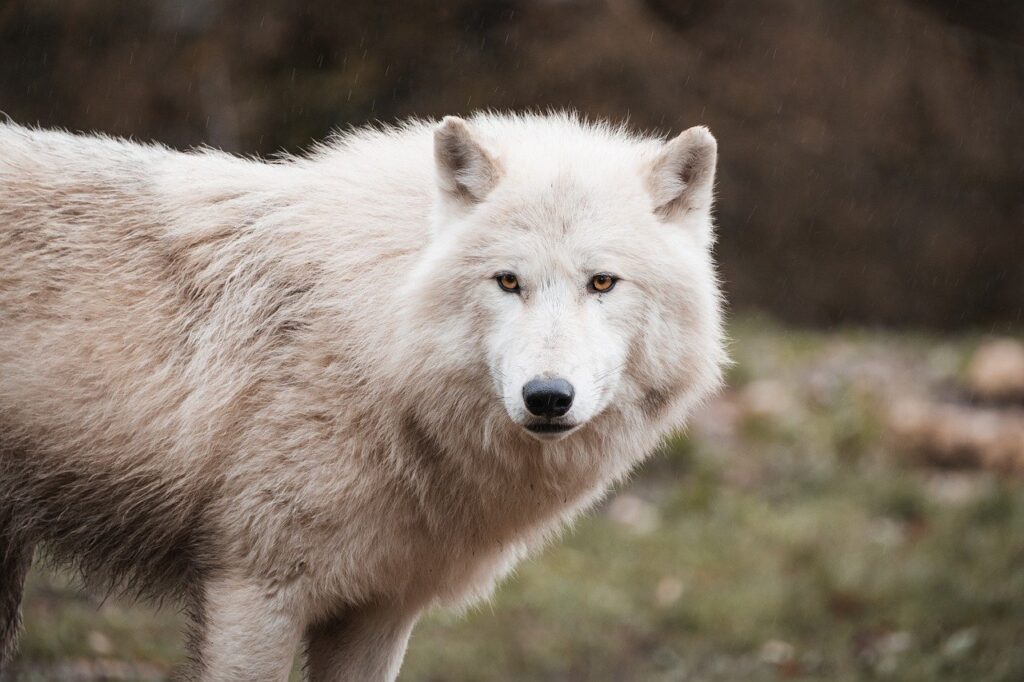
North America is home to some of the most fascinating and elusive wolf species, each with its own unique traits and survival strategies. From the towering gray wolves of the Rocky Mountains to the rare and endangered red wolves of the Southeast, these apex predators shape ecosystems and captivate wildlife enthusiasts. Whether roaming the frozen tundra or dense forests, these ten wolf species showcase the wild beauty of North America like no other.
1. Hybrid Species

Not all canines in North America fit neatly into the wolf category—some are fascinating hybrids. Wolf-dogs, a mix of domestic dogs and wolves, inherit traits from both, making them unpredictable in behavior and difficult to care for as pets. Meanwhile, coywolves are natural hybrids of coyotes and wolves, primarily found in the eastern U.S. and Canada. These adaptable animals combine the cunning survival skills of coyotes with the strength and pack instincts of wolves, allowing them to thrive in both wild and urban environments.
2. Mexican Gray Wolf
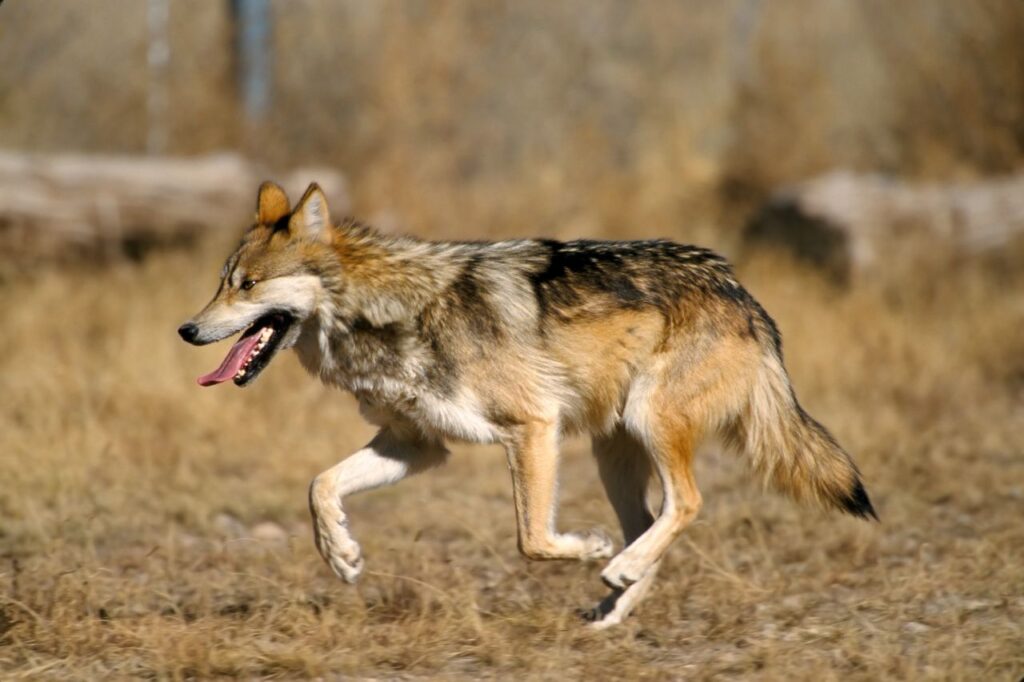
The Mexican gray wolf, often called “el lobo,” is the rarest and most endangered gray wolf in North America. Once widespread across the southwestern U.S. and northern Mexico, habitat loss and hunting nearly wiped out the species. Thanks to conservation efforts, small but growing populations now roam parts of Arizona, New Mexico, and Mexico. Smaller than other gray wolves, the Mexican wolf has a lean build, a mix of gray, tan, and rust-colored fur, and a sharp hunting instinct, primarily preying on deer and smaller mammals.
3. Red Wolf

The red wolf is one of the rarest and most endangered canids in the world, native to the southeastern United States. Smaller than gray wolves but larger than coyotes, it has a slender frame, long legs, and a distinctive reddish coat. Once widespread, habitat destruction and hybridization with coyotes pushed the species to near extinction. Thanks to reintroduction efforts, small populations now exist in North Carolina. Red wolves are highly adaptable hunters, preying on deer, rabbits, and rodents while playing a vital role in balancing local ecosystems.
4. Arctic Wolf

The Arctic wolf is a resilient predator perfectly adapted to the harsh conditions of the Far North. Found in Canada’s Arctic islands and parts of Greenland, this subspecies thrives in freezing temperatures and treeless tundra. Unlike other wolves, Arctic wolves have thick white fur that helps them blend into the snow, smaller ears to retain heat, and a stocky build for enduring extreme cold. They primarily hunt muskoxen, Arctic hares, and caribou, relying on teamwork and endurance to survive in one of the planet’s most unforgiving environments.
5. Eastern Wolf
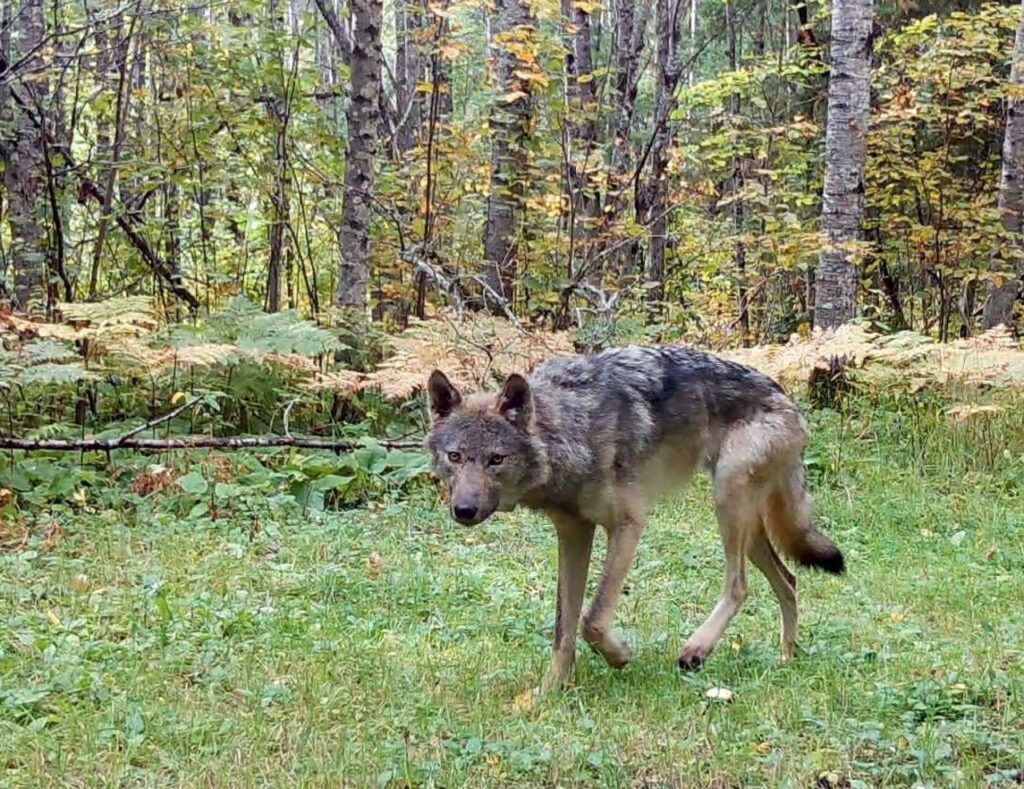
The Eastern wolf is a mid-sized wolf species native to the Great Lakes region and southeastern Canada, particularly in Ontario’s Algonquin Park. It has a slender build, a reddish-brown and gray coat, and is smaller than the gray wolf but larger than the coyote. Some researchers believe it’s a distinct species, while others classify it as a gray wolf-coyote hybrid. Highly adaptable, the Eastern wolf hunts deer, beavers, and small mammals. Though threatened by habitat loss and interbreeding with coyotes, conservation efforts aim to protect its dwindling numbers.
6. Great Plains Wolf
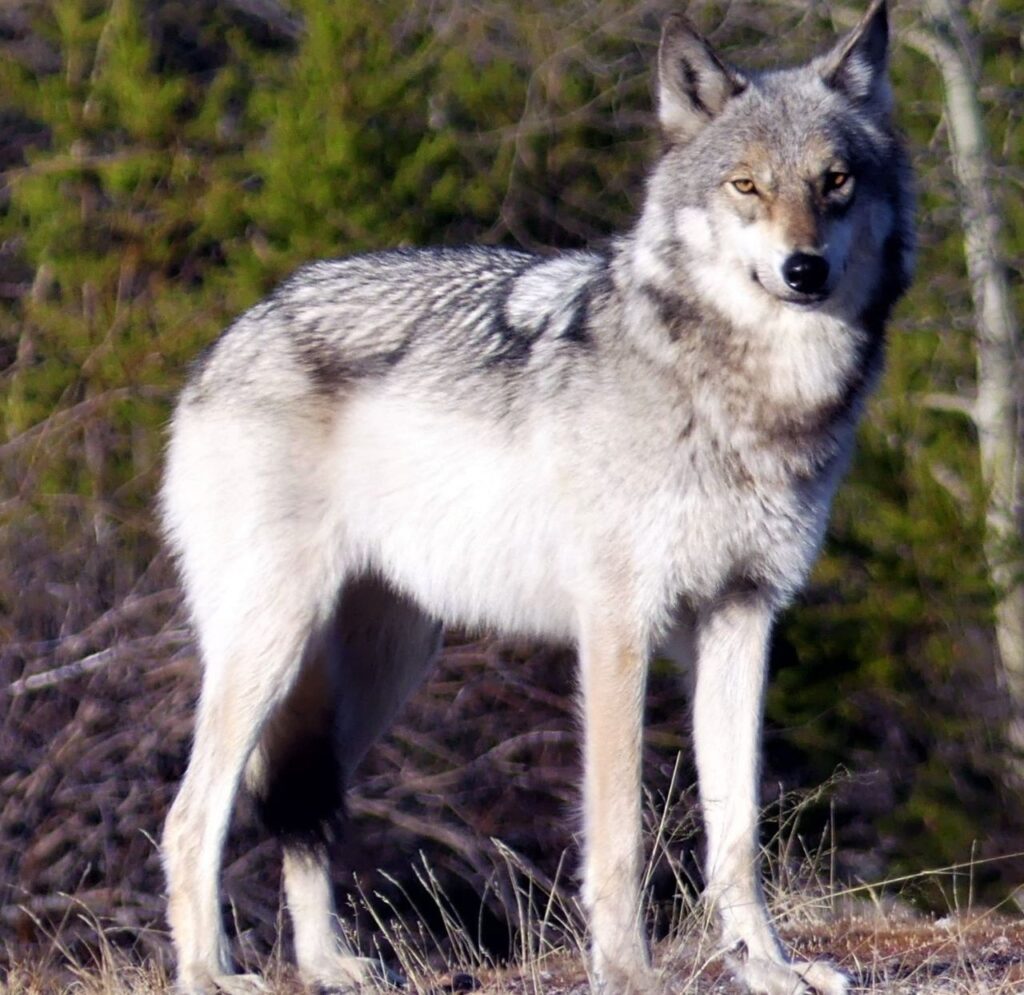
The Great Plains wolf, also known as the buffalo wolf, once roamed vast areas of central North America, from southern Canada to Texas. It was one of the most widespread wolf subspecies, thriving in grasslands where it hunted bison, deer, and smaller prey. Known for its lean build, long legs, and thick grayish-brown fur, this wolf was highly adaptable. Unfortunately, by the early 20th century, habitat destruction and aggressive hunting led to its extinction. Today, gray wolves have been reintroduced to parts of its former range, keeping its legacy alive.
7. Rocky Mountain Wolf
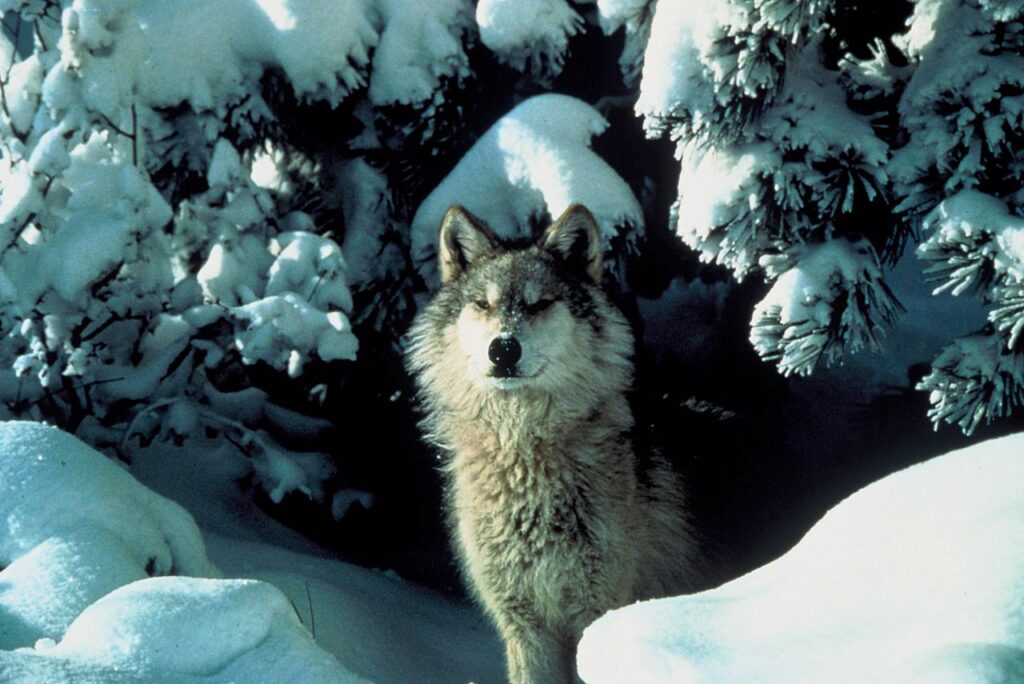
The Rocky Mountain wolf is a powerful and resilient predator found in the rugged landscapes of the northern Rocky Mountains, including parts of the U.S. and Canada. Larger than many other wolf subspecies, it boasts a thick coat of gray, black, or brown fur, helping it endure harsh winters. These wolves are skilled pack hunters, preying on elk, deer, and other large mammals. Once nearly eradicated, reintroduction programs have helped their numbers recover, making them a vital part of the region’s ecosystem by keeping prey populations in balance.
8. Alexander Archipelago Wolf
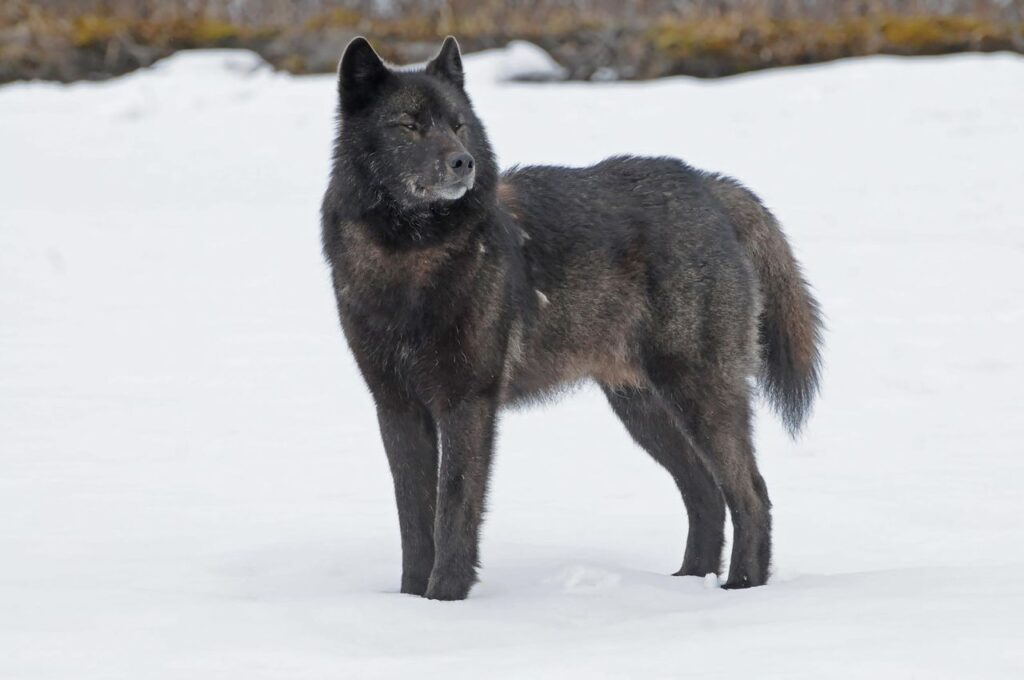
The Alexander Archipelago wolf is a unique subspecies found only on the islands of southeastern Alaska. This elusive wolf is adapted to the dense forests and rugged terrain of its island home, with a coat that blends well with its environment, ranging from gray to dark brown. Smaller than mainland gray wolves, it preys mainly on deer, seals, and small mammals. Due to its limited range and dependence on the health of local ecosystems, the Alexander Archipelago wolf is considered a vulnerable species, facing threats from habitat loss and climate change.
9. Northwestern Wolf
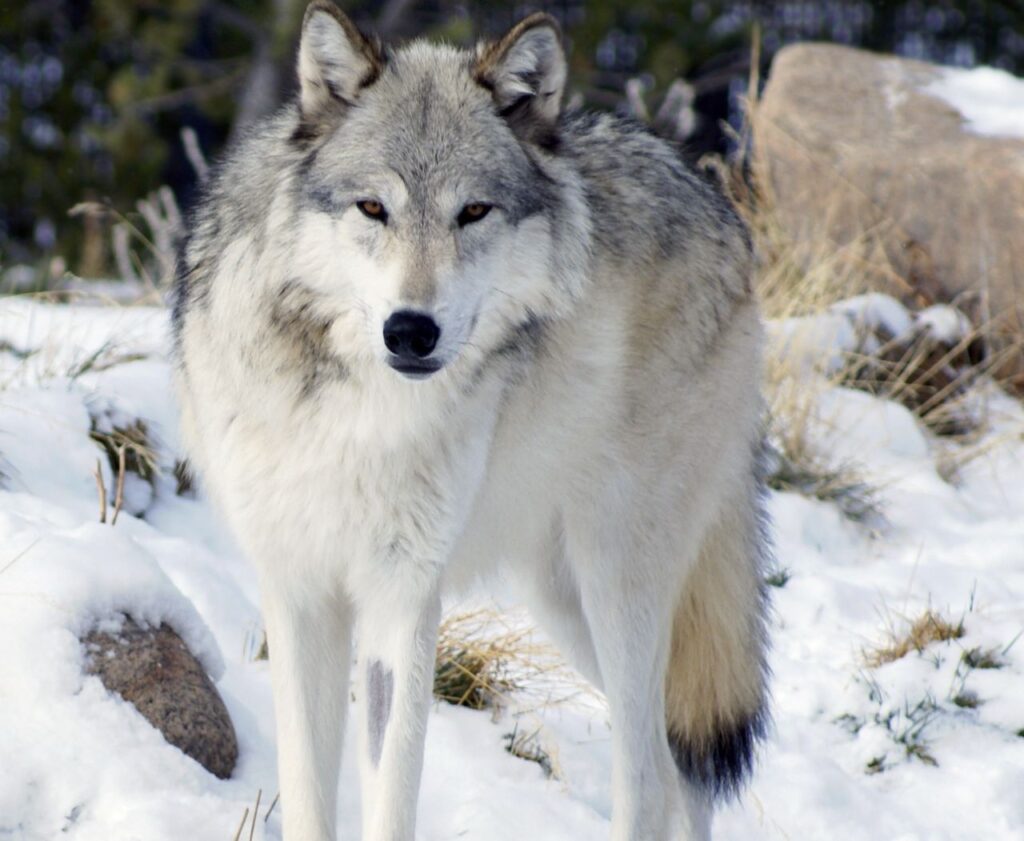
The Northwestern wolf, native to the rugged landscapes of the Pacific Northwest, is one of the largest wolf subspecies in North America. Found primarily in regions of British Columbia, Alaska, and parts of Washington and Oregon, this powerful predator thrives in dense forests and coastal habitats. Characterized by its thick fur, which ranges from dark gray to black, the Northwestern wolf is known for its intelligence and adaptability. It preys on a variety of animals, including deer, moose, and elk, playing a crucial role in maintaining ecological balance.
10. Vancouver Coastal Sea Wolf
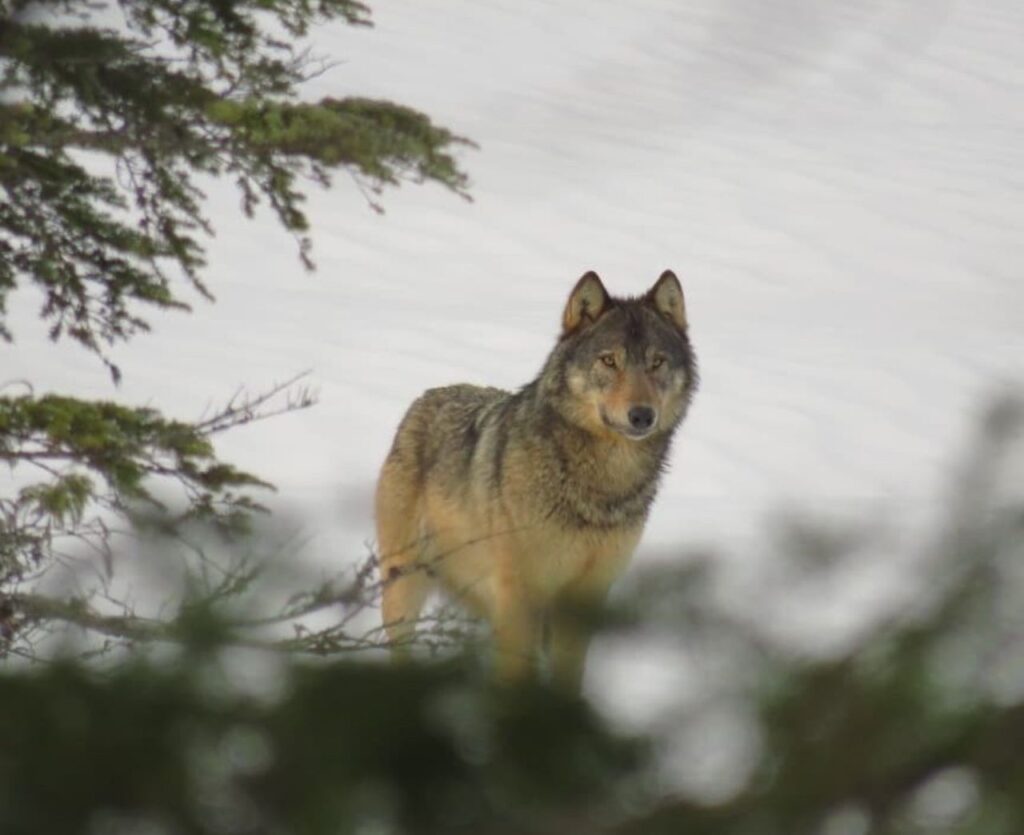
The Vancouver Coastal sea wolf, a unique subspecies of gray wolf, is found along the rugged coastline of British Columbia, Canada. Unlike other wolves, these coastal predators have adapted to a more aquatic lifestyle, relying heavily on marine resources. They hunt a variety of prey, including fish, seals, and even sea otters, along with terrestrial animals like deer. With a thicker, water-resistant coat and powerful swimming abilities, the Vancouver Coastal sea wolf is perfectly suited to thrive in the coastal rainforests and islands of this remote region.
Love Pets as Much as We Do?

Scroll up and click the ‘Follow’ button to stay updated with the latest heartwarming, hilarious, and helpful pet posts from Pawdown, delivered straight to your Microsoft Start feed and MSN homepage!