
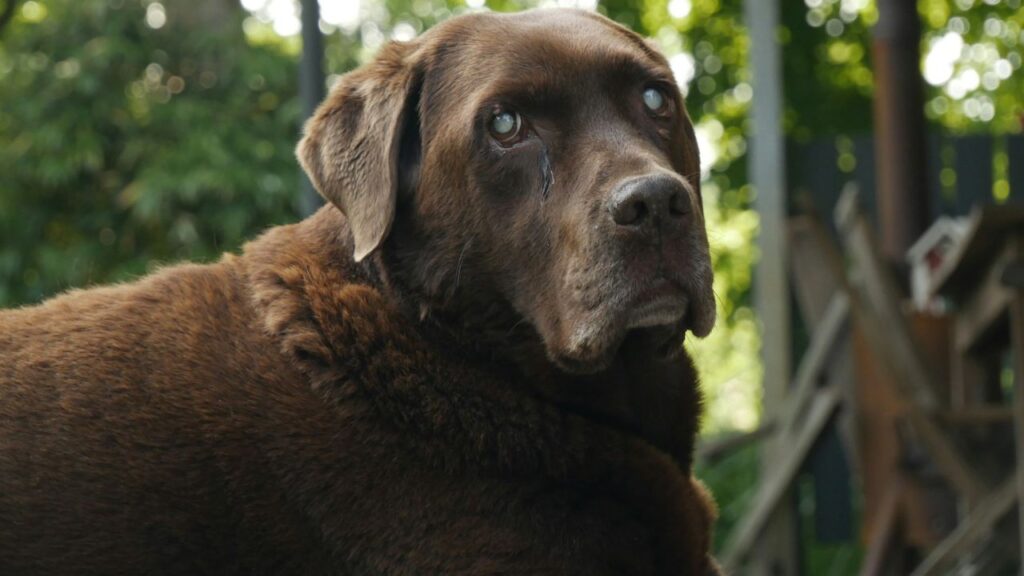
Watching our beloved canine companions grow older can be both heartwarming and bittersweet. With a wag of the tail and a twinkle in their eye, they remain our steadfast friends as the years pass by. However, as dogs age, their needs and behaviors change. Being aware of these changes can help you provide them with the comfort and care they deserve. Let’s delve into the world of aging dogs and uncover ten essential things every pet parent should know.
1. Understanding Canine Aging
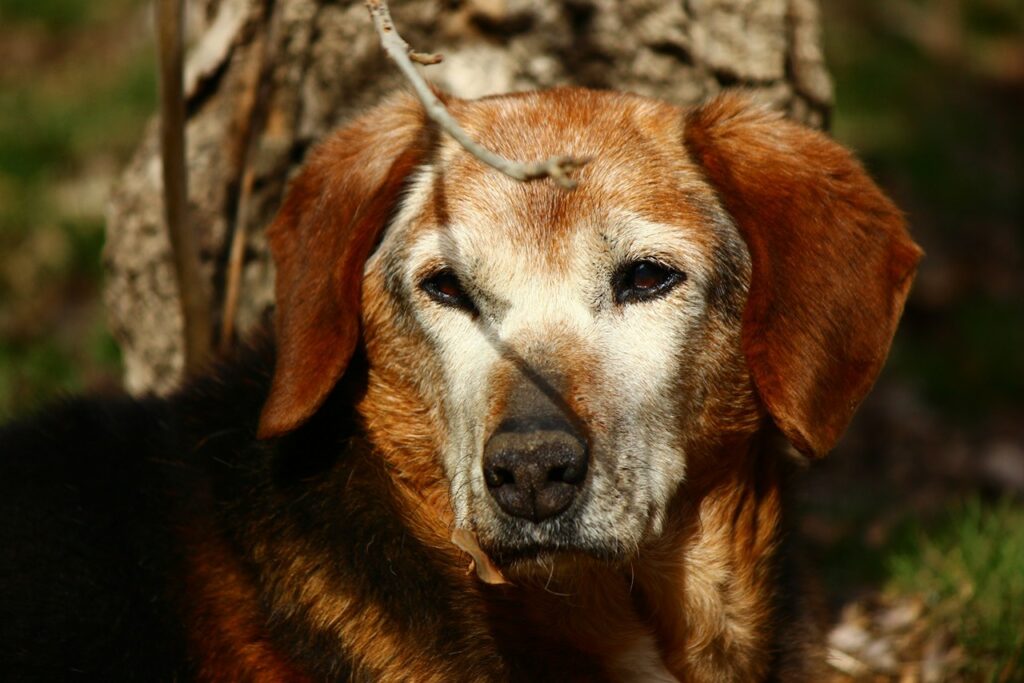
Just like humans, dogs age at different rates depending on factors like breed, size, and overall health. Smaller breeds often enjoy longer lives, while larger breeds age more quickly. Understanding the process of aging in dogs involves noticing gradual changes in energy levels, behavior, and even cognitive functions. Embracing these changes and adapting our routines can enhance the quality of life for our senior pups, making sure their twilight years are as joyful as their youth.
2. Signs of Aging in Dogs
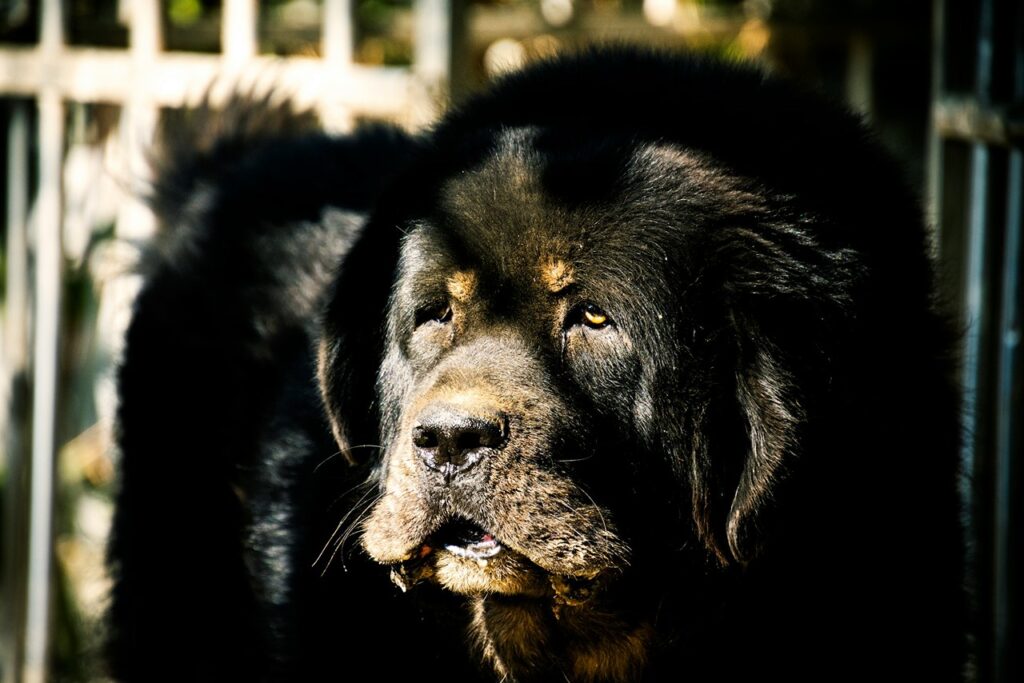
Recognizing the signs of aging is key to ensuring your canine companion thrives. Senior dogs may exhibit gray fur, especially around the muzzle, and slower movements. They might sleep more or experience changes in appetite. Behavioral changes like increased anxiety or confusion can indicate cognitive decline. Monitoring these signs and consulting with your vet ensures a proactive approach to their well-being, allowing for care tailored to their evolving needs. Early detection can make all the difference.
3. Nutritional Needs for Older Dogs
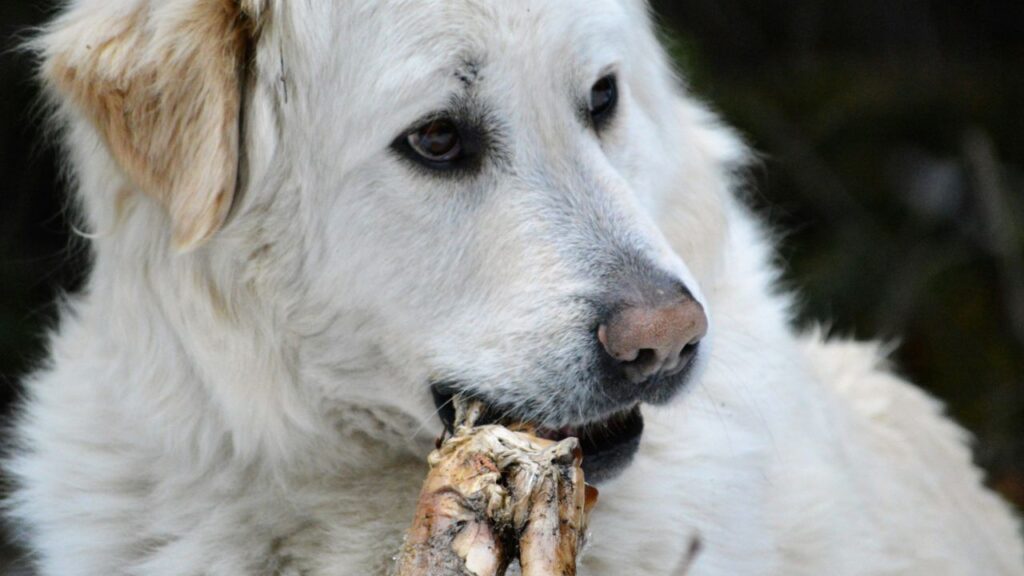
As dogs age, their nutritional requirements shift. Older dogs benefit from a diet rich in easily digestible proteins and fibers to support muscle maintenance and digestive health. Omega-3 fatty acids can aid joint health, and antioxidants support cognitive function. Tailoring their diet to these needs not only helps manage weight but also ensures they receive vital nutrients. Regular check-ups with your vet will help in selecting the best diet plan, promoting a long and healthy life for your furry friend.
4. Exercise and Mobility
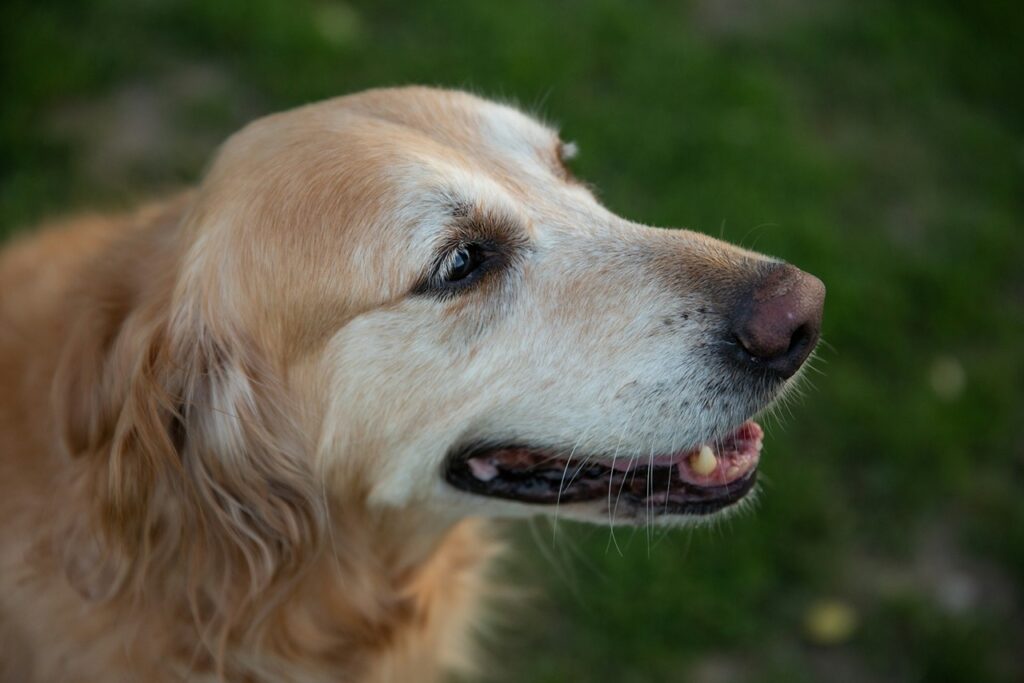
Regular exercise remains crucial for aging dogs, though it may require adjustments to fit their changing capabilities. Gentle activities like short walks or swimming can help maintain muscle tone and joint flexibility without straining their bodies. Paying attention to mobility issues is vital; signs of stiffness or reluctance to move signal it’s time to consult your vet. Adaptive equipment, like ramps or orthopedic beds, can enhance comfort, keeping your aging dog happy and active, even in their golden years.
5. Health Monitoring and Vet Visits
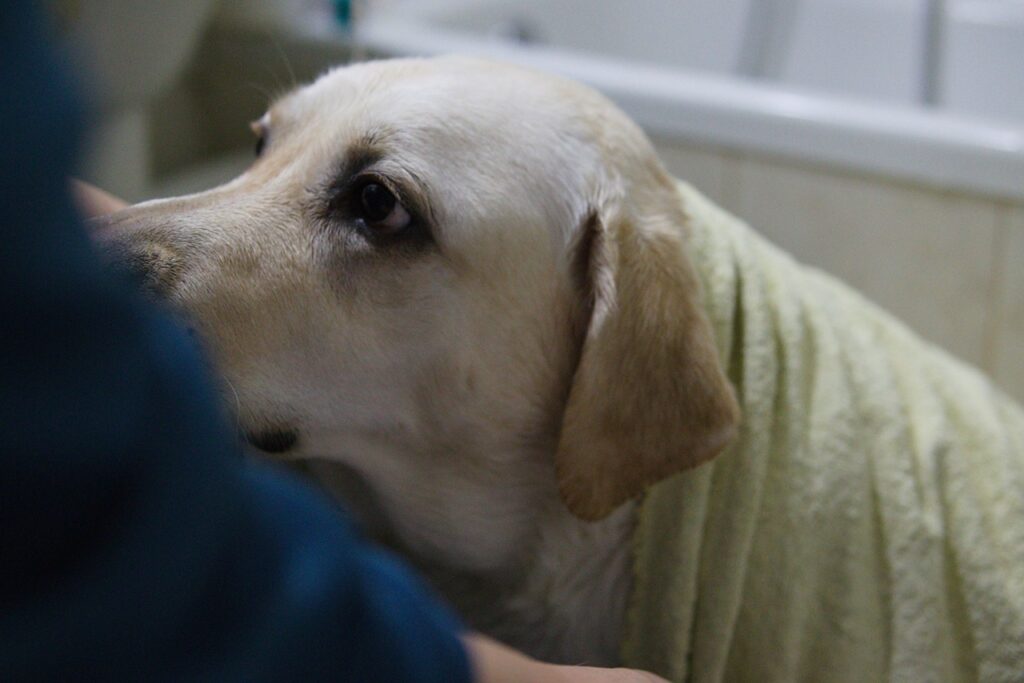
Regular vet check-ups become even more crucial as dogs age. Just like in humans, their immune systems may weaken over time, making them prone to various ailments. Annual or biannual check-ups can catch potential health issues early, like arthritis or dental problems. Your vet may recommend blood tests to monitor organ function or screenings for common age-related diseases. Keep an eye out for changes in behavior or diet, as these can often indicate underlying health concerns. Your vigilance and care can make a significant difference in their well-being.
6. Cognitive Changes
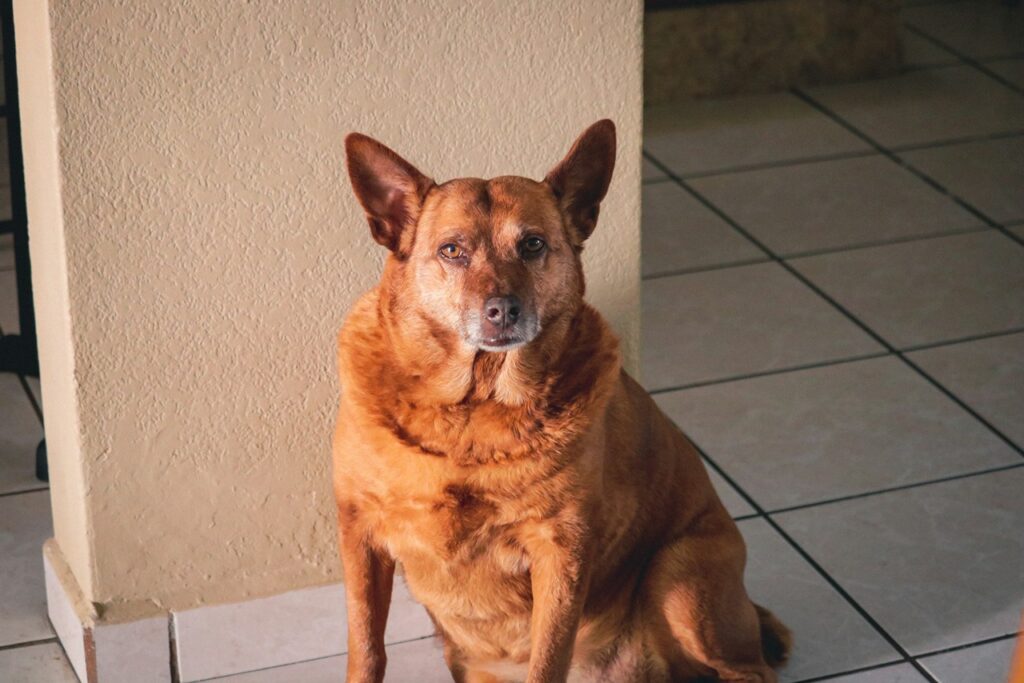
Just as with humans, aging dogs may experience cognitive changes that affect their memory and behavior. This condition, often referred to as canine cognitive dysfunction, is similar to dementia in humans. You might notice your dog becoming disoriented or forgetting familiar routines. Engage them with brain-stimulating activities and toys to help keep their minds sharp. Additionally, maintaining familiar routines can provide comfort and reduce stress. Awareness and patience are key to managing these changes gracefully.
7. Adjusting Living Environments
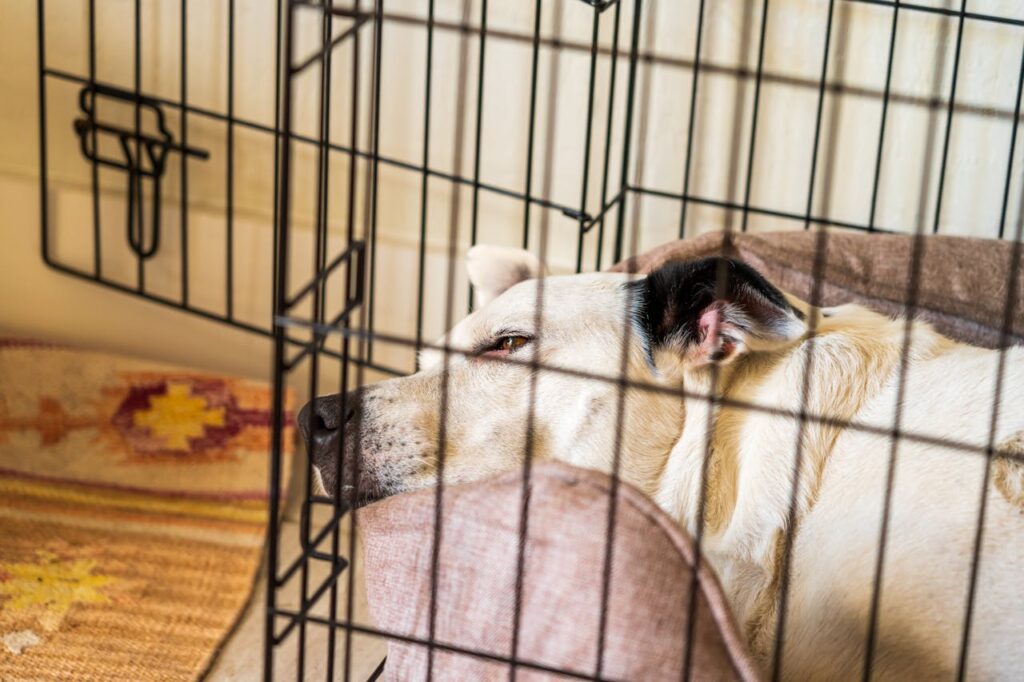
As physical abilities decline, it’s essential to modify your dog’s living environment to accommodate their needs. Consider adding ramps to help them navigate stairs or reach their favorite spot on the couch. Soft bedding can ease joint pain, while non-slip mats prevent accidents on slick floors. Ensure their water and food bowls are easily accessible, reducing unnecessary strain. Small adjustments can create a sanctuary that supports their changing physical capabilities, ensuring they remain comfortable and happy at home.
8. Importance of Companionship
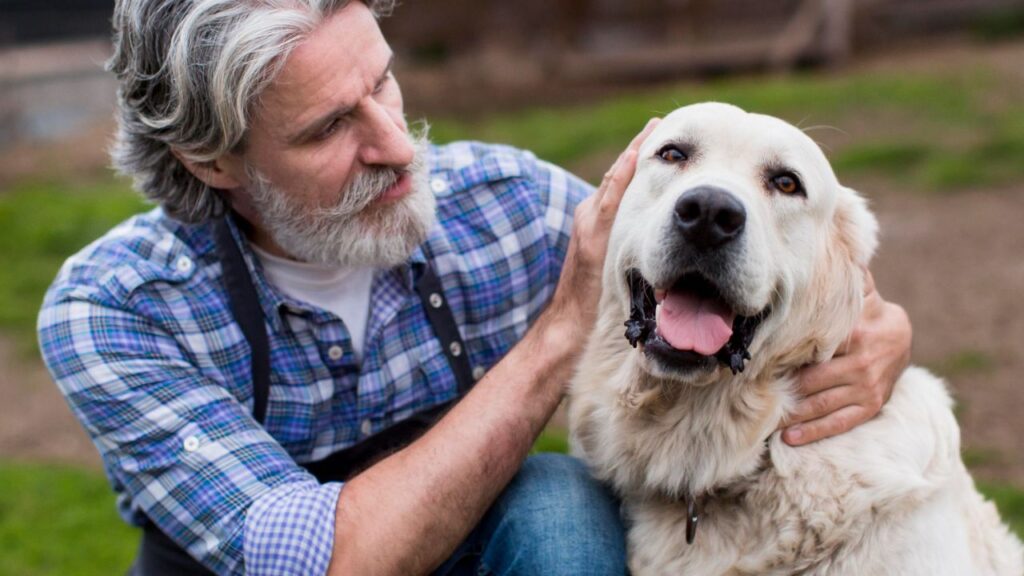
Aging doesn’t diminish a dog’s need for love and companionship; if anything, it amplifies it. As some dogs might slow down or become less playful, your presence becomes even more vital. Spend quality time with them through gentle play or simply being by their side. Socialization, whether with humans or other pets, is essential for their mental health. Building a strong, comforting bond can alleviate anxiety and improve the overall quality of life, ensuring their twilight years are full of love and warmth.
9. Behavioral Changes
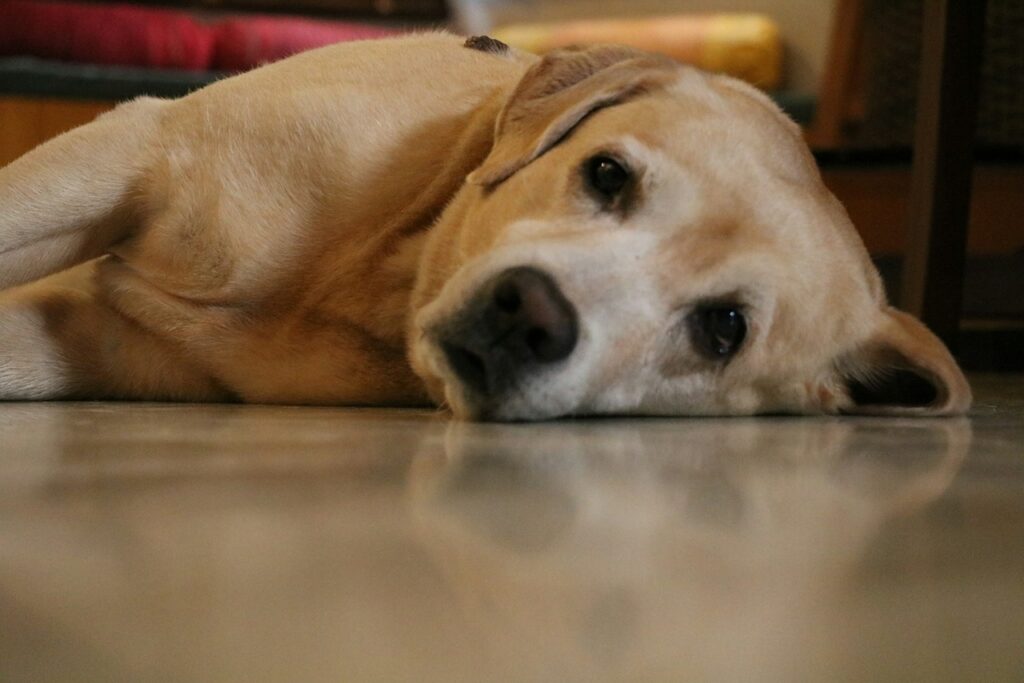
As dogs age, their behavior evolves in subtle ways that warrant attention. Less energy might mean more time lounging rather than frolicking in the park. This doesn’t just stem from fatigue—older dogs often find comfort in quieter environments as their senses dim. If your once-vibrant canine seems withdrawn, it’s not just maturity; consider it a signal to enhance their living space with familiarity and routine. Understanding these shifts is essential in ensuring they feel safe and secure as they age gracefully. Recognizing behavioral changes early can lead to happier golden years for your loyal friend.
10. Managing Chronic Conditions
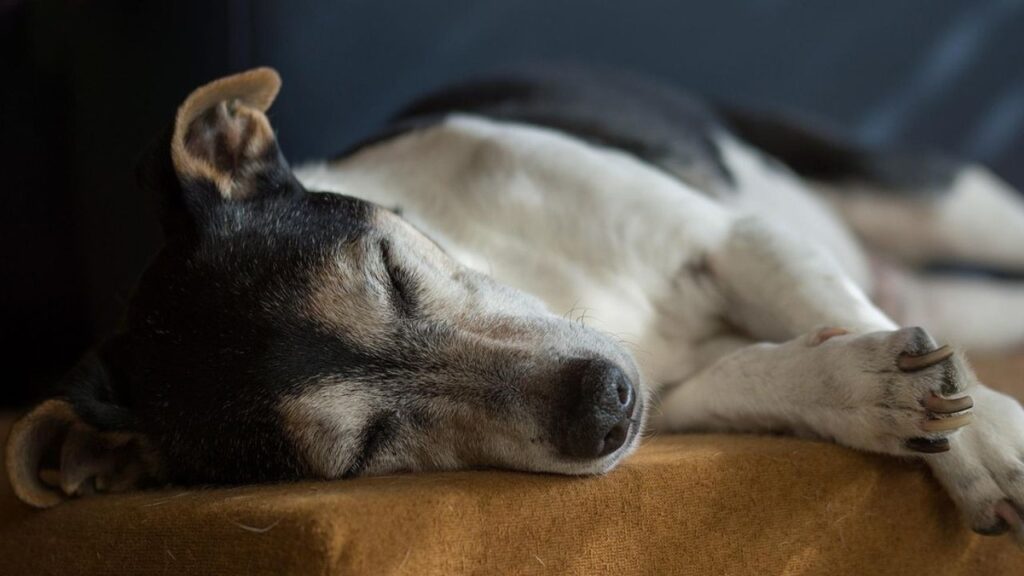
Aging brings increased health challenges for dogs, just as it does for humans. Conditions like arthritis, diabetes, or heart disease become more prevalent, requiring consistent veterinary check-ups and tailored care strategies. Watch for signs like limping, excessive thirst, or coughing, as they may indicate underlying issues. Effective management includes medication, lifestyle adjustments, and specialized diets, all designed to minimize discomfort and enhance quality of life. Partnering with your vet to create a proactive care plan ensures your senior dog remains comfortable and happy, allowing for more cherished years together.