
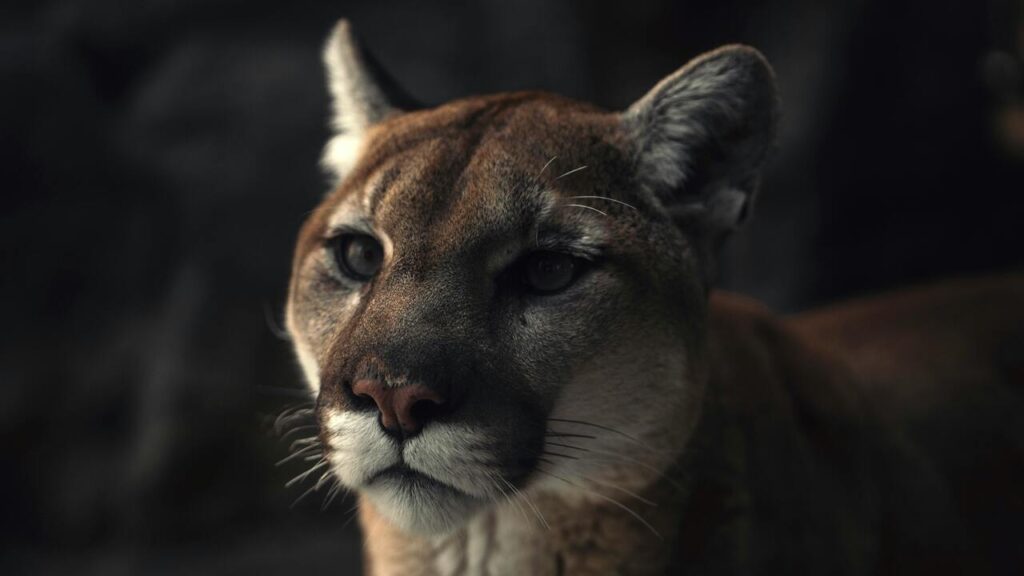
Texas is one of the most biodiverse states in the U.S., home to an incredible variety of wildlife. From dense forests to vast deserts and coastal marshes, the Lone Star State provides the perfect habitat for many fascinating creatures. While these animals may seem interesting or even cute, they belong in the wild. Keeping them as pets is dangerous, unethical, and often illegal. Here are ten amazing wild animals you can find in Texas and why they should never be kept as pets.
1. Bobcat

Bobcats are elusive and skilled hunters with tufted ears and striking spotted coats. They are found throughout Texas, often in wooded areas and rocky terrain. These wild felines are solitary and territorial, using their keen senses to stalk prey such as rabbits and rodents. Though they may resemble large house cats, they are far from tame. Bobcats can become highly aggressive when threatened and have powerful claws and teeth. Additionally, their need for a large hunting range makes captivity unsuitable and inhumane.
2. Coyote
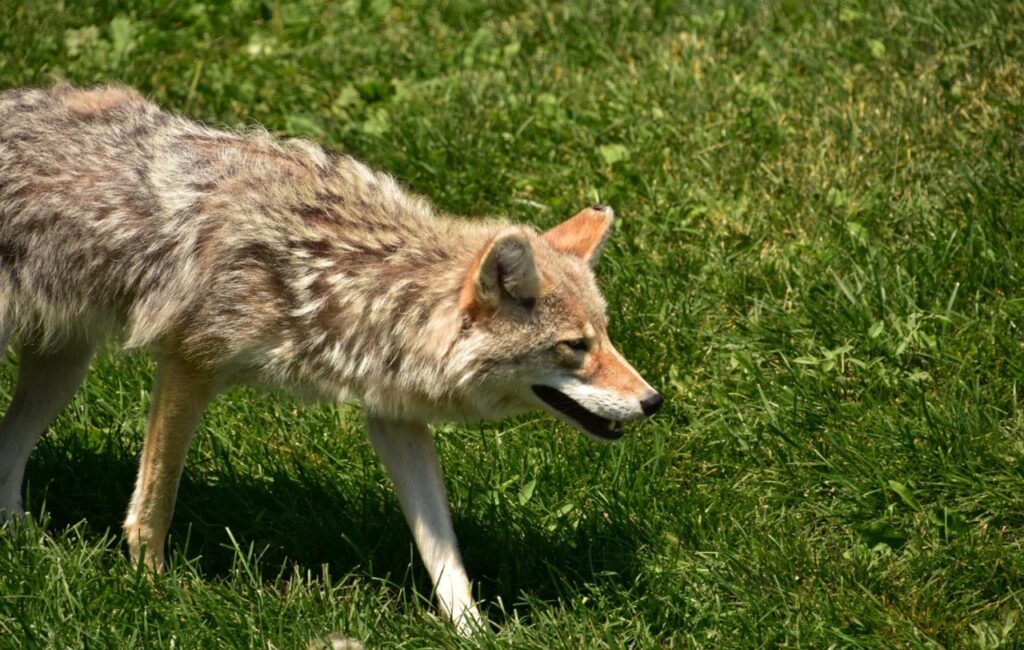
Coyotes are highly adaptable predators, thriving in Texas’ deserts, forests, and even urban areas. Known for their intelligence and resourcefulness, they hunt small animals and scavenge for food. While some may see them as nuisances, coyotes play an essential role in maintaining ecological balance by controlling rodent populations. Despite their sometimes dog-like appearance, they are wild animals with unpredictable behavior. Their natural wariness of humans makes them unsuitable as pets, and attempting to domesticate them can lead to serious safety risks.
3. Ocelot

The ocelot is one of the rarest wild cats in Texas, with a dwindling population primarily found in the Rio Grande Valley. This small, beautifully spotted feline is an expert climber and hunter, preying on rodents and birds. Ocelots are protected under federal law due to their endangered status, making it illegal to capture or own them. Additionally, they require vast, undisturbed habitats and specialized diets, which are impossible to replicate in captivity. Keeping an ocelot as a pet disrupts conservation efforts and threatens their already fragile population.
4. Armadillo
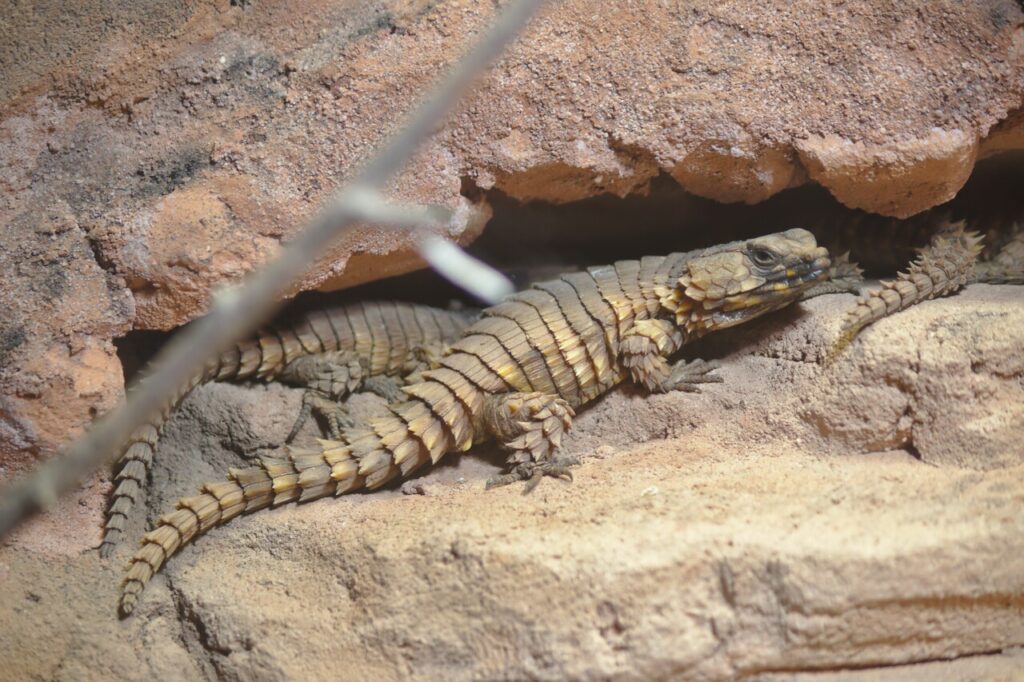
The nine-banded armadillo is a unique, armor-plated mammal commonly seen scurrying across Texas roads and fields. Known for their digging abilities, they create burrows to seek shelter and hunt for insects. Despite their quirky appearance, armadillos should never be kept as pets. They can carry diseases, including leprosy, which poses risks to humans. Additionally, their natural diet and nocturnal lifestyle make them difficult to care for. Captivity causes extreme stress for these creatures, often leading to health issues and shortened lifespans.
5. Alligator
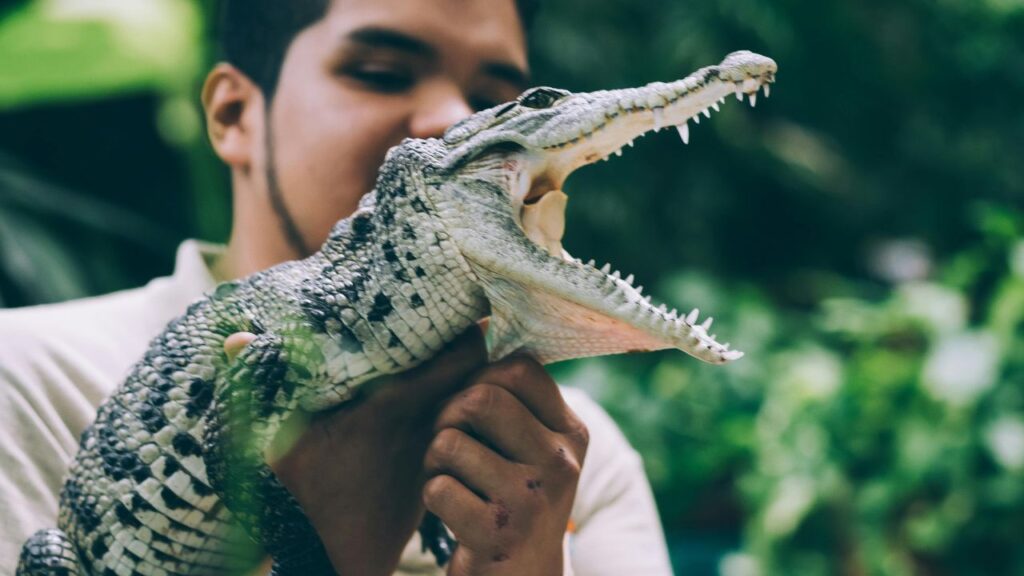
American alligators are formidable reptiles found in Texas’ swamps, rivers, and marshes. These ancient predators can grow up to 14 feet long and have incredibly strong jaws, making them dangerous to humans and animals alike. Some people mistakenly believe baby alligators can be tamed, but they quickly outgrow enclosures and become unmanageable. Their aggressive nature and specialized diet make them unsuitable as pets. Additionally, Texas law strictly regulates alligator ownership, making it illegal without special permits.
6. Mexican Free-Tailed Bat
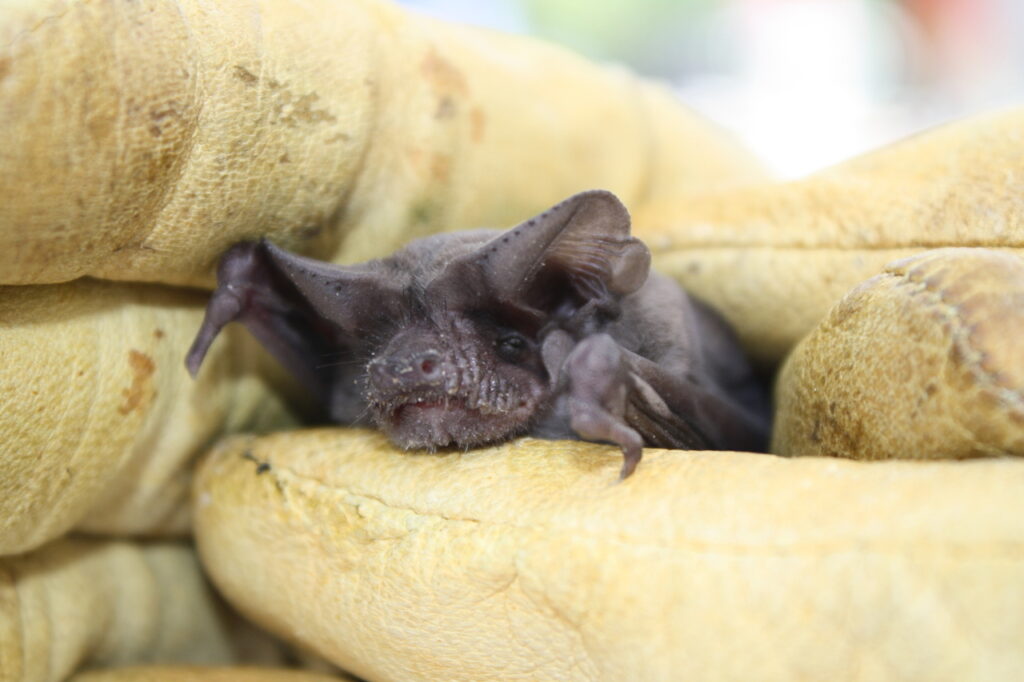
Texas is home to the largest bat colony in the world at Bracken Cave, where millions of Mexican free-tailed bats emerge at dusk. These nocturnal creatures play a vital role in controlling insect populations, especially mosquitoes. While they are fascinating to observe, they should never be handled or kept as pets. Bats can carry diseases such as rabies and require large, open spaces to thrive. Interfering with their colonies can harm ecosystems, making conservation efforts crucial to their survival and continued ecological benefits.
7. Texas Coral Snake

The Texas coral snake is one of the most venomous snakes in North America, easily recognized by its red, yellow, and black banding. Though they are reclusive and rarely bite humans, their neurotoxic venom is potent. Despite their striking appearance, they should never be kept as pets. Coral snakes require a specialized diet of small reptiles, making captive care nearly impossible. Additionally, their venomous nature poses a serious risk to inexperienced handlers. Leaving them in the wild ensures both human safety and the preservation of native ecosystems.
8. Javelina (Collared Peccary)
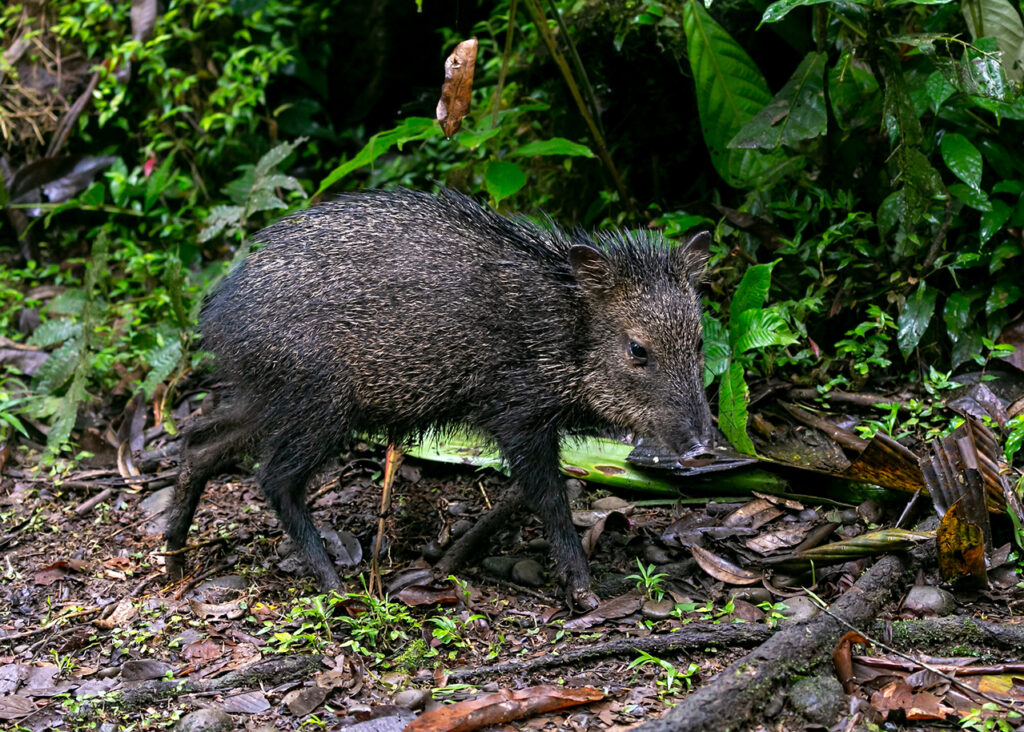
Javelinas are pig-like mammals found throughout Texas, often roaming in herds. These tough creatures have strong jaws and sharp tusks, which they use to defend themselves against predators. Although some people mistake them for wild pigs, they are an entirely different species with unique social structures. Javelinas can be aggressive when threatened and have strong territorial instincts. Attempting to domesticate them is not only dangerous but also impractical. They require vast open spaces and specific diets that are difficult to maintain in captivity.
9. Rattlesnake

Texas is home to several species of rattlesnakes, including the Western Diamondback, which is known for its signature warning rattle. These snakes are crucial for maintaining the balance of local ecosystems by controlling rodent populations. While some reptile enthusiasts attempt to keep them, rattlesnakes are highly dangerous due to their venomous bite. Proper care requires expert handling, making them unsuitable for the average pet owner. Their presence in the wild is vital, and disturbing them can lead to unnecessary human-wildlife conflicts.
10. Mountain Lion
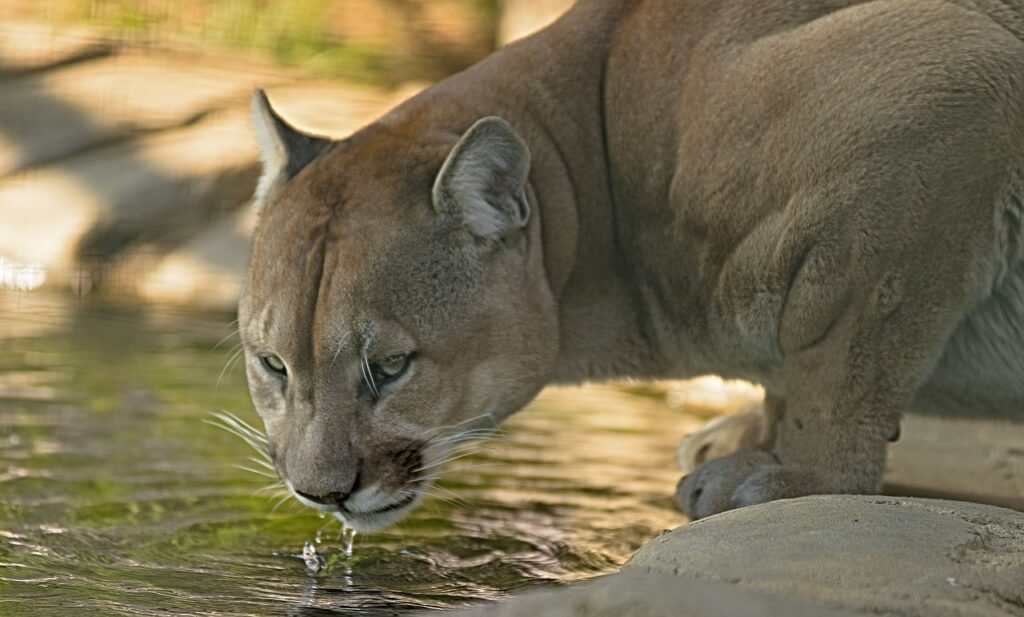
Mountain lions, also known as cougars or pumas, are apex predators found in Texas’ remote mountain ranges and forests. These powerful cats can travel vast distances and require large territories to hunt deer and other prey. While some exotic pet owners have attempted to raise mountain lions, they remain unpredictable and dangerous. They have immense strength, making them a serious safety risk. Additionally, mountain lions are protected wildlife, and removing them from their natural environment disrupts delicate ecosystems and conservation efforts.
Love Pets as Much as We Do?

Scroll up and click the ‘Follow’ button to stay updated with the latest heart-warming, hilarious, and helpful pet posts from Pawdown, delivered straight to your Microsoft Start feed and MSN homepage!