
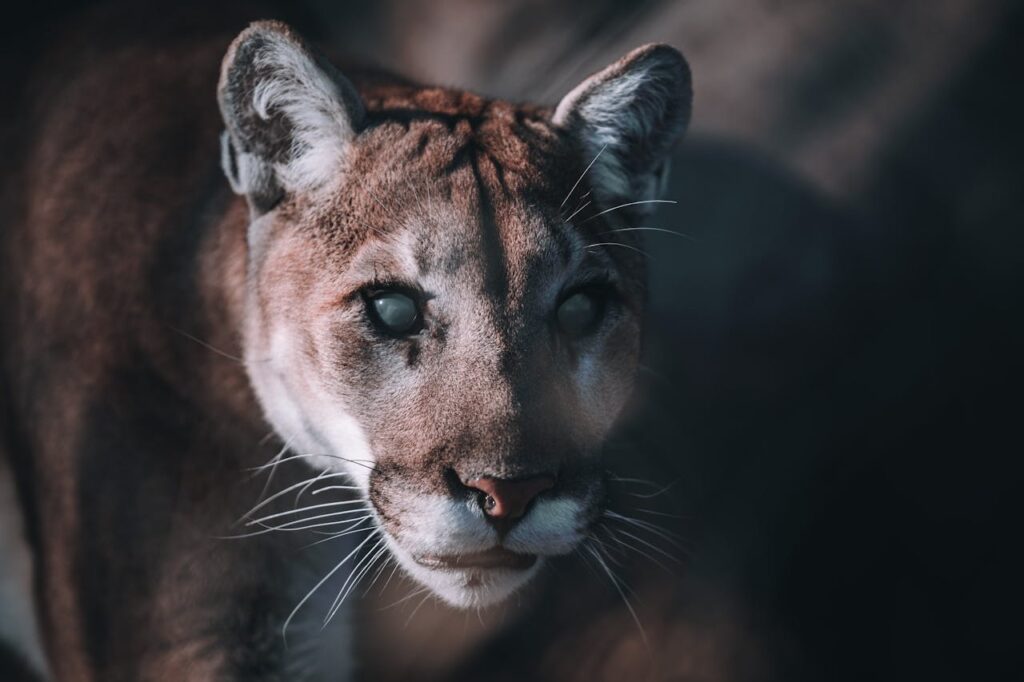
North America is home to a diverse array of wild cat species, each uniquely adapted to its environment. While these majestic creatures play vital roles in their ecosystems, they are not suited for domestication. Attempting to keep them as pets poses significant risks to both humans and the animals themselves. Here are ten incredible wild cats you might encounter in North America and reasons why they should remain in the wild.
1. Bobcat (Lynx rufus)

The bobcat is a medium-sized feline native to North America, characterized by its tufted ears, spotted coat, and distinctive short “bobbed” tail. Highly adaptable, bobcats inhabit various environments, from forests and swamps to deserts and suburban areas. Their elusive nature and nocturnal habits make them seldom seen by humans. Despite their adaptability, bobcats are wild predators with behaviors and needs that cannot be met in a domestic setting. Keeping a bobcat as a pet can lead to unpredictable aggression and poses legal and ethical challenges.
2. Canada Lynx (Lynx canadensis)
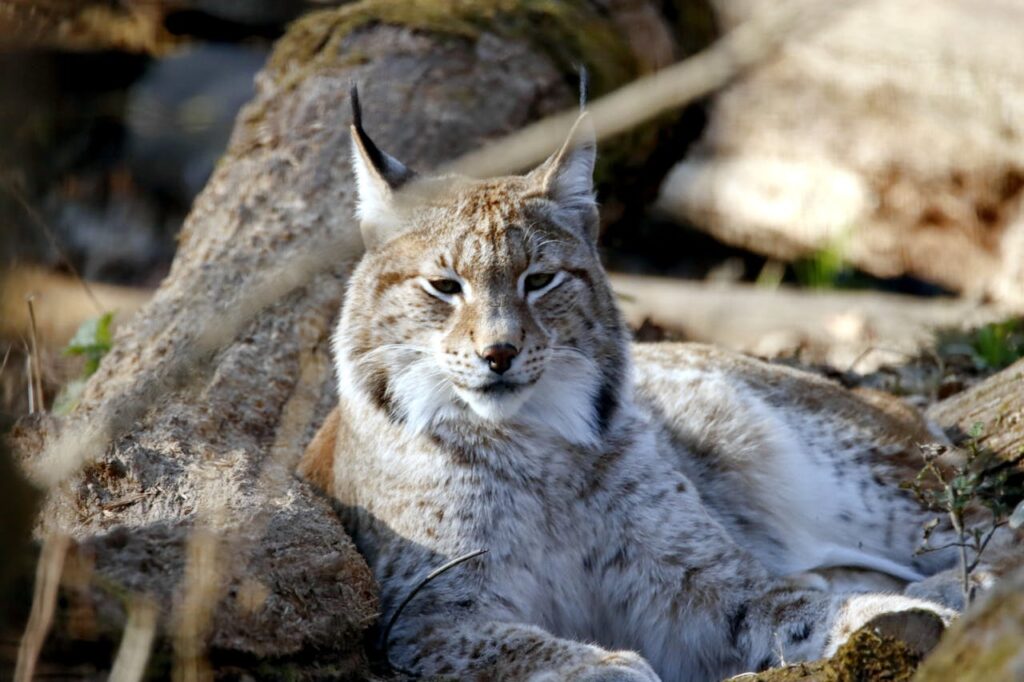
The Canada lynx is known for its thick fur, large paws, and long ear tufts, adaptations that help it survive in the snowy forests of Canada and the northern United States. Specializing in hunting snowshoe hares, the lynx’s population fluctuates in response to hare numbers. Their solitary and territorial nature makes them unsuitable for captivity. Attempting to domesticate a Canada lynx can result in stress and health issues for the animal, as well as safety risks for humans.
3. Cougar (Puma concolor)

Also known as mountain lions or pumas, cougars are the largest wild cats in North America. They possess a slender, agile build, allowing them to thrive in diverse habitats, from forests to deserts. As apex predators, cougars play a crucial role in maintaining ecological balance by controlling prey populations. Their size, strength, and territorial behavior make them exceedingly dangerous in captivity. Cougars require vast territories and specialized diets, needs that cannot be met in a domestic environment, leading to potential harm to both the animal and the owner.
4. Ocelot (Leopardus pardalis)

The ocelot is a small, spotted wild cat found in parts of Texas and throughout Central and South America. With striking dappled fur and a nocturnal lifestyle, ocelots are adept climbers and hunters. Their specialized diet and solitary nature make them unsuitable as pets. Captivity can cause significant stress and behavioral issues in ocelots, and their declining populations in the U.S. make it imperative to protect them in their natural habitats rather than exploit them for the pet trade.
5. Jaguar (Panthera onca)

Jaguars are the largest cats in the Americas, known for their powerful build and beautiful rosette-patterned coats. Historically ranging into the southwestern United States, their numbers have significantly dwindled due to habitat loss and hunting. As apex predators, jaguars require large territories and have complex behavioral needs that cannot be replicated in captivity. Keeping a jaguar as a pet is not only illegal but also poses severe safety risks and ethical concerns, as these majestic animals belong in the wild where they can fulfill their ecological roles.
6. Jaguarundi (Herpailurus yagouaroundi)

The jaguarundi is a small, sleek wild cat native to Central and South America, with a range extending into southern Texas. Unlike other wild cats, jaguarundis are diurnal, being active during the day. Their unique appearance, resembling an otter or weasel, and their elusive nature make them intriguing yet unsuitable as pets. Jaguarundis have specialized diets and behaviors that cannot be accommodated in a domestic setting, and capturing them for the pet trade threatens their already vulnerable populations.
7. Margay (Leopardus wiedii)

The margay is a small, nocturnal wild cat native to Central and South America, with historical sightings in southern Texas. Renowned for its exceptional climbing abilities, the margay can rotate its ankles to descend trees headfirst. Their solitary and arboreal lifestyle makes them ill-suited for captivity. Margays have specialized diets and require large territories to thrive, conditions that cannot be met in a domestic environment. Keeping a margay as a pet is detrimental to its well-being and poses legal and ethical issues.
8. Eurasian Lynx (Lynx lynx)
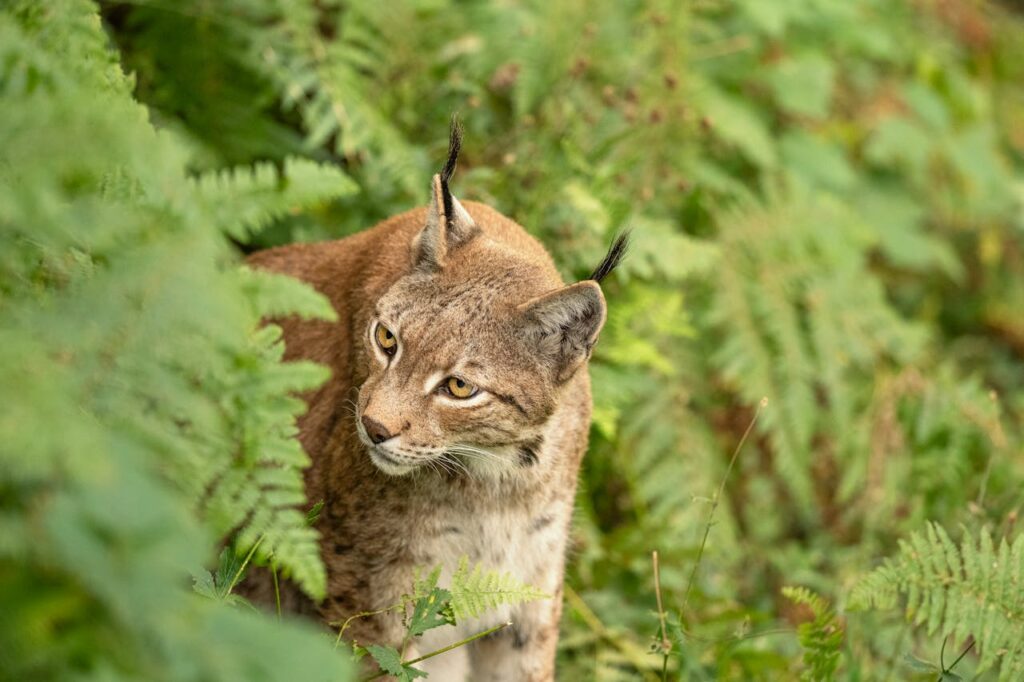
While primarily found in Europe and Asia, the Eurasian lynx has been occasionally spotted in the northernmost parts of North America. This large lynx species has a robust build, tufted ears, and a short tail. Eurasian lynxes are solitary hunters, preying on ungulates and small mammals. Their size, strength, and reclusive nature make them unsuitable for domestication. Captivity can lead to stress, health issues, and aggressive behavior, posing risks to human safety.
9. Iberian Lynx (Lynx pardinus)
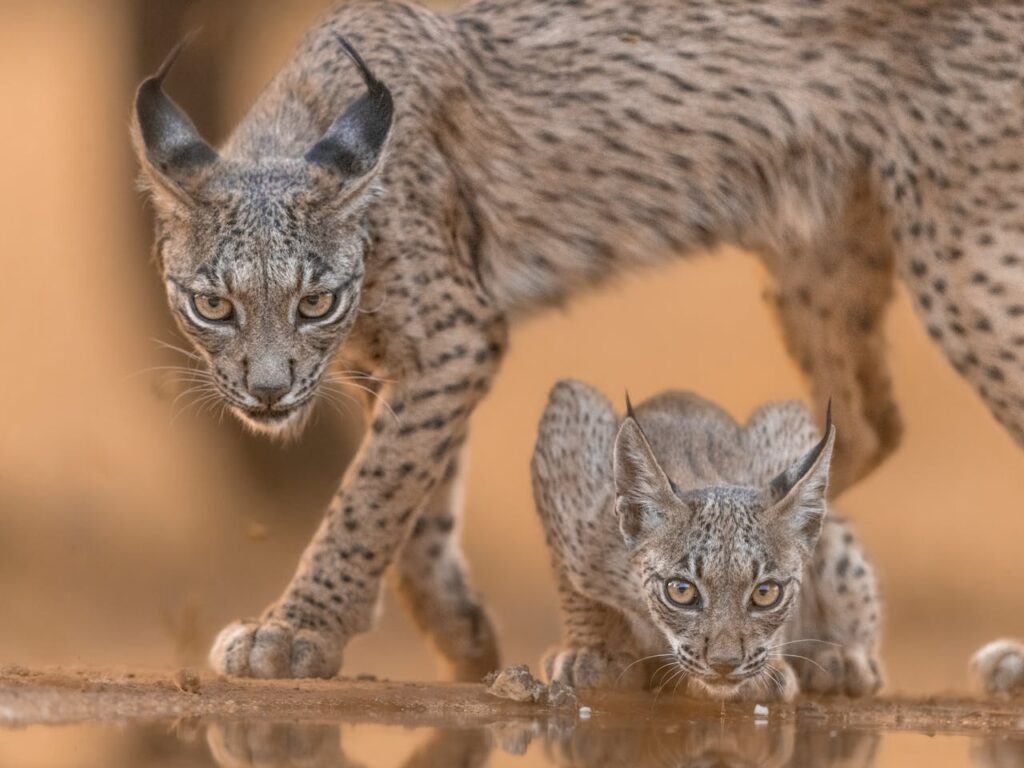
The Iberian lynx is native to the Iberian Peninsula in Europe and is one of the most endangered wild cats. While not native to North America, there have been rare instances of Iberian lynxes in captivity within the continent. These lynxes have a spotted coat, tufted ears, and a short tail with a black tip. Their specialized diet, primarily consisting of rabbits, and their need for specific habitats make them unsuitable for captivity.
Love Pets as Much as We Do?

Scroll up and click the ‘Follow’ button to stay updated with the latest heartwarming, hilarious, and helpful pet posts from Pawdown, delivered straight to your Microsoft Start feed and MSN homepage!