
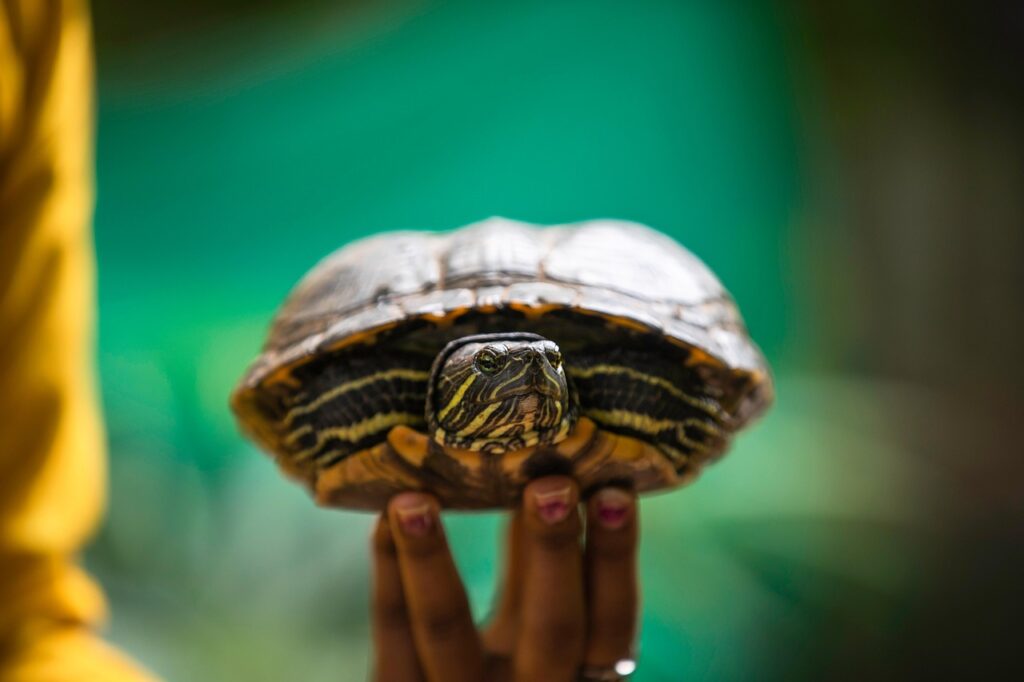
Bringing home a box turtle in New York might seem simple, but the laws say otherwise. Before you set up that cozy terrarium, it’s crucial to know that box turtles—along with many other native reptiles—are protected by a complex web of local and state regulations. What’s legal in one part of New York might be strictly prohibited in another. From permits to possession limits and even restrictions on where you got the turtle, these laws are in place to protect native wildlife. Here are 11 local rules every potential box turtle owner in New York should understand before making that commitment.
1. Regulations on Reptile Ownership
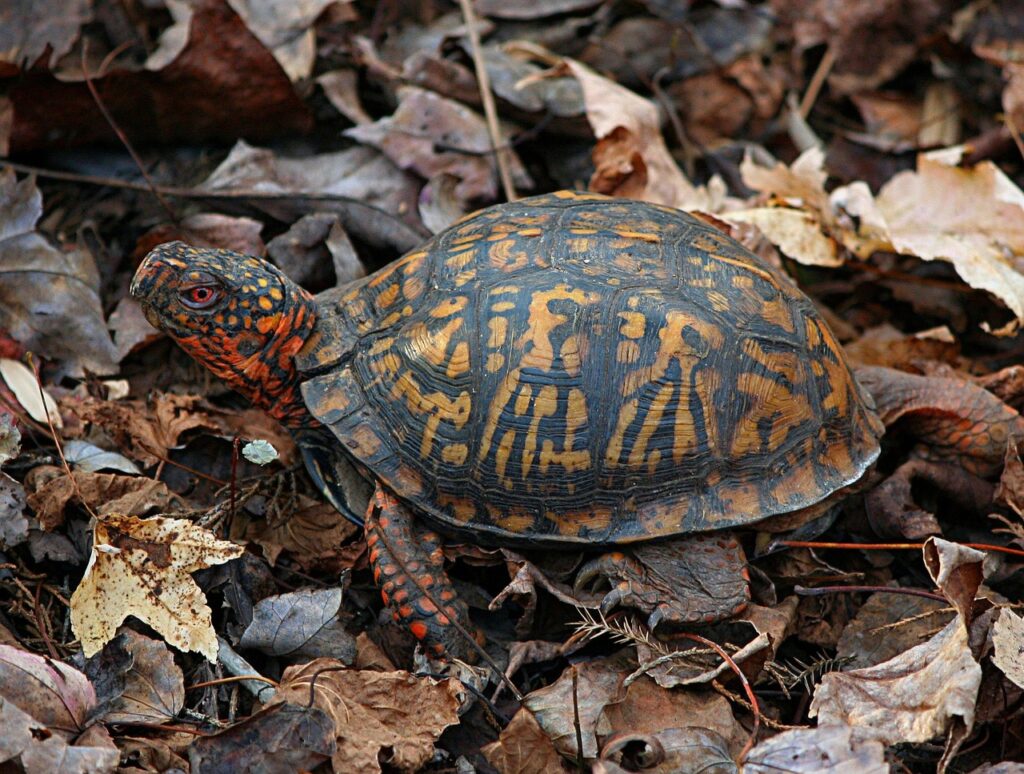
In New York, owning a reptile isn’t as simple as bringing home a new pet, whether a snake or a box turtle. It’s bound by specific local laws that aim to protect both the animals and the environment. These regulations ensure that reptiles are housed safely and mitigate potential hazards to native wildlife. Understanding these laws can prevent legal complications and promote responsible pet ownership. Reptiles such as Box Turtles face habitat loss and should be kept with awareness of their ecological needs.
2. License Requirements for Reptile Owners
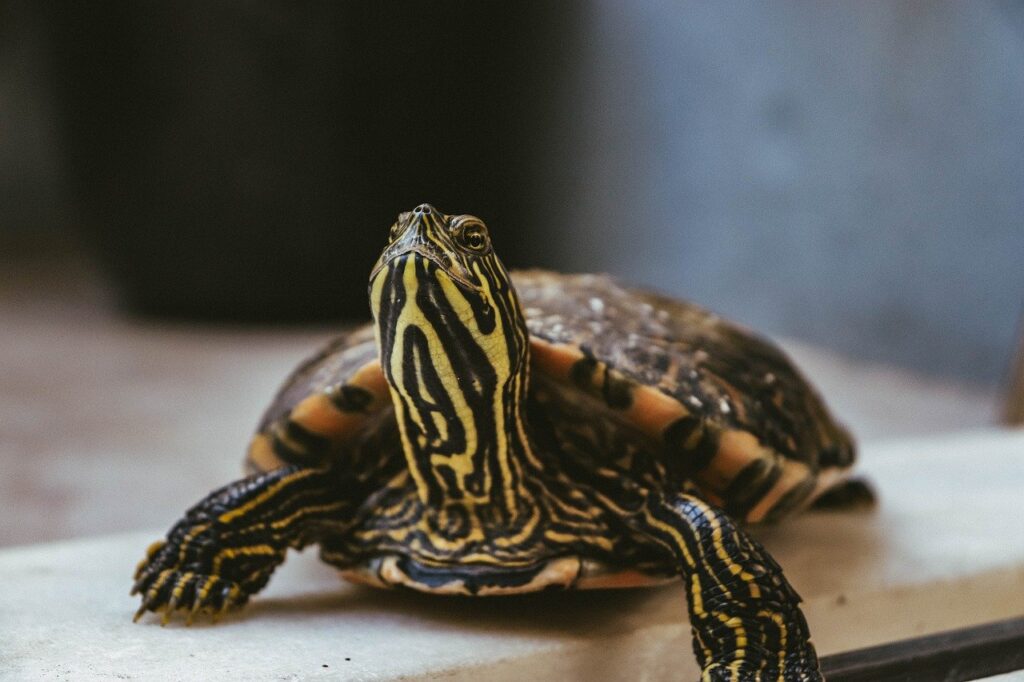
To legally own certain reptiles in New York, prospective owners must acquire the necessary licenses. This process typically involves proof of adequate housing and care plans. Licenses help authorities track exotic pet ownership, reducing the risks of neglect or illegal trading. Box Turtles, among others, need specific attention, and having proper documentation ensures they are raised in a suitable environment. It encourages transparency and fosters responsible ownership.
3. Species Restrictions: What’s Allowed?
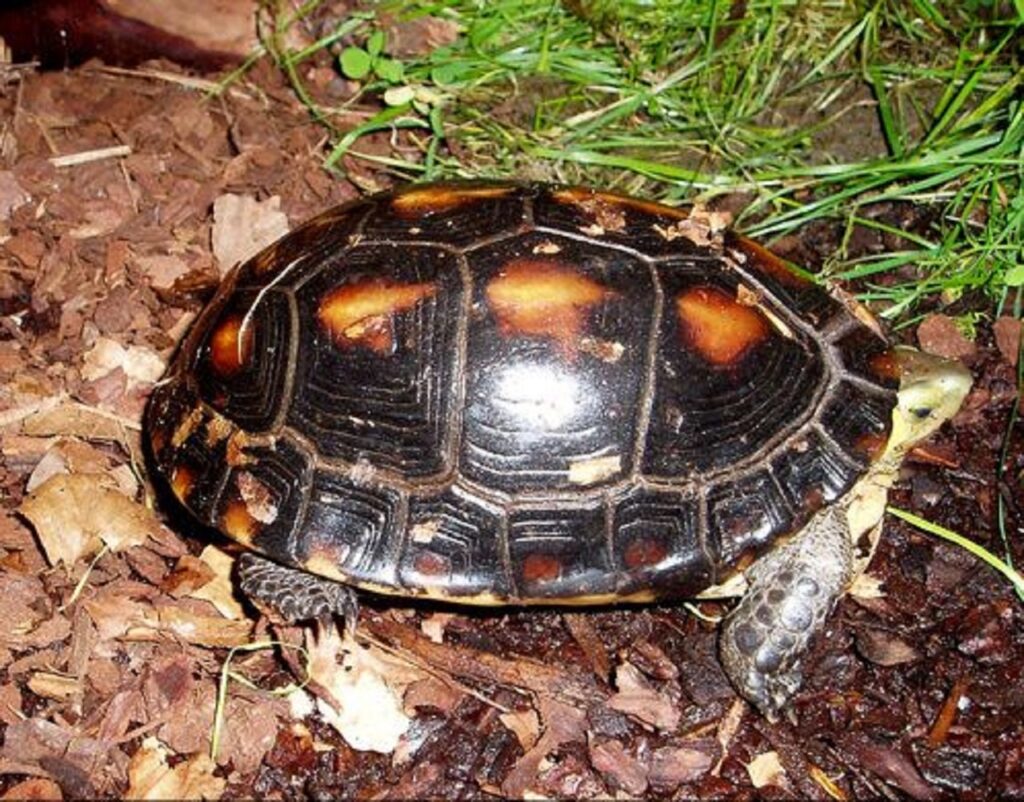
Not all reptiles are welcome in New York households. The state has a list of species that are either restricted or completely prohibited due to their environmental impact or safety concerns. For instance, venomous snakes and certain large constrictors are usually banned. Box Turtles generally require permits, ensuring only informed owners take them home. This system protects native ecosystems from invasive species and maintains public safety.
4. The Importance of Health Certifications
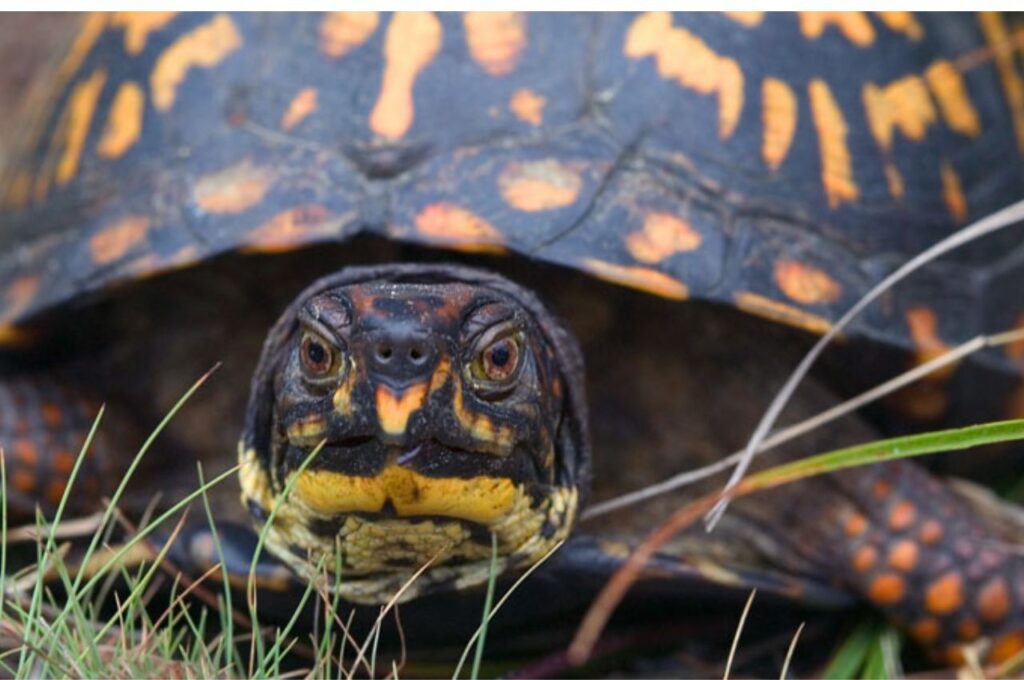
Health certifications are crucial for reptile owners in New York. These documents confirm that pets like Box Turtles are free from diseases that could spread to humans or other animals. Following veterinary advice and maintaining regular health checks are key responsibilities for owners. Certifications not only safeguard public health but also enhance the well-being of the reptiles, reinforcing ethical ownership practices.
5. Selling and Transferring Reptiles
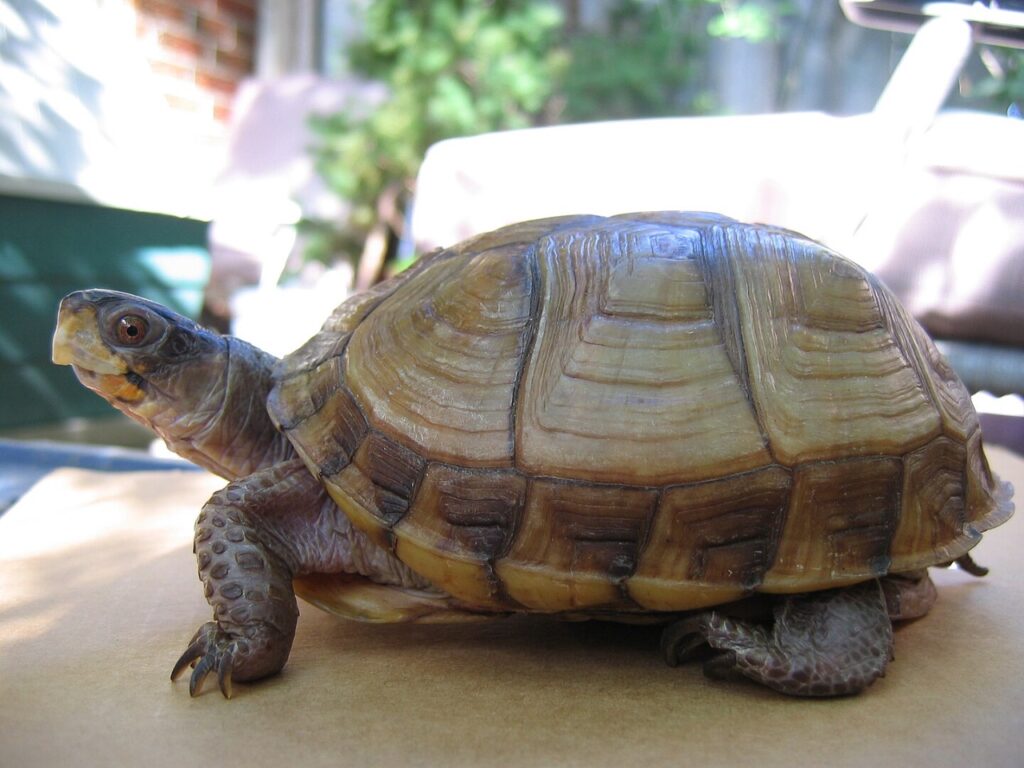
Selling or transferring reptiles in New York is tightly controlled. Vendors and individuals must comply with laws ensuring that transactions involve healthy animals and responsible new owners. Documentation trails help curb illegal trade and ensure that species like Box Turtles are not exploited. This regulation is crucial for maintaining ethical standards and protecting biodiversity, as it monitors the trade and movement of reptiles within the state.
6. Consequences for Non-Compliance
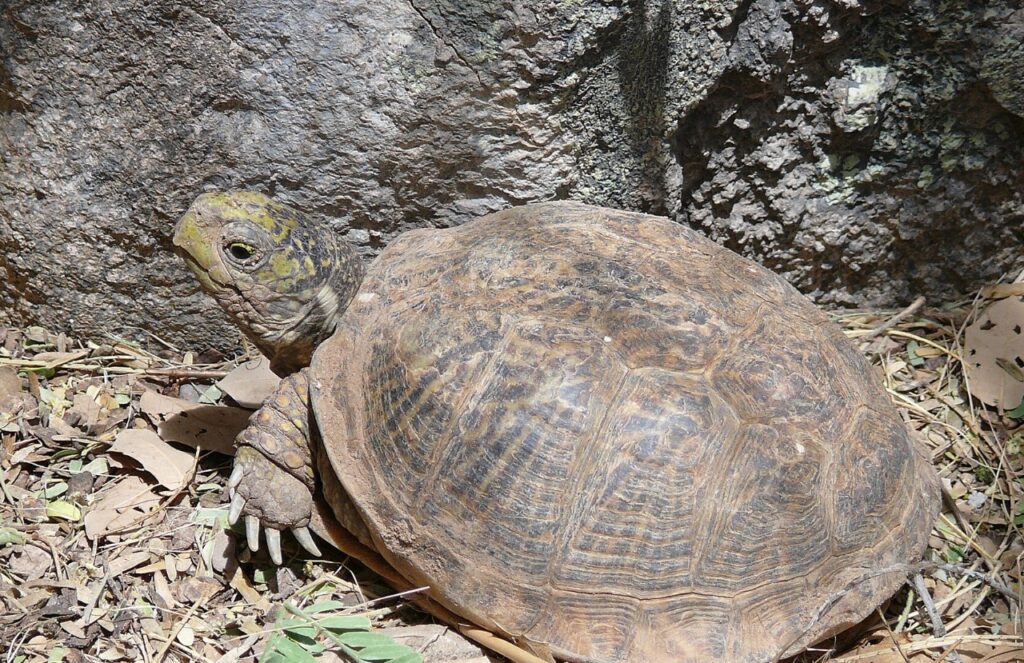
Owning reptiles in New York comes with responsibilities, and failing to adhere to local laws can result in significant penalties. Fines can range from $250 to $500 per violation, depending on the severity and whether endangered species are involved. Ignorance isn’t bliss, as unlicensed keeping of certain species can lead to confiscation of your reptile friend. These regulations are designed not just to protect the animals themselves but also to maintain ecological balance and public safety. Ensuring you’re aware of these rules helps cultivate a responsible and legal pet ownership experience.
7. Special Laws for Box Turtles
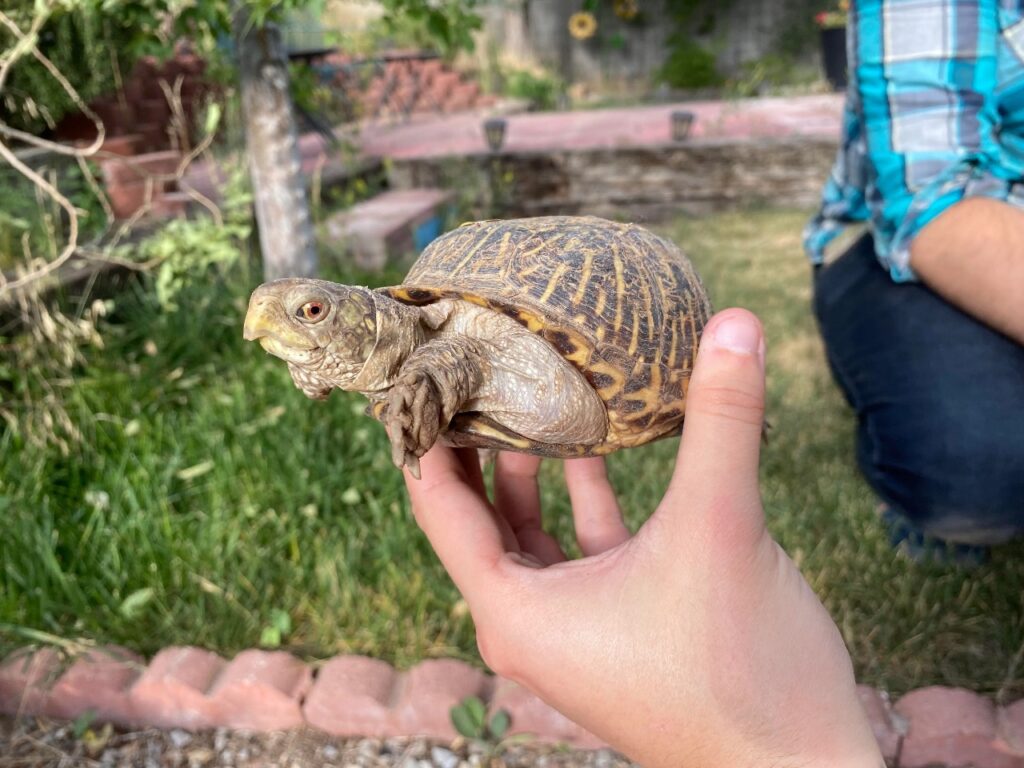
Box turtles have special laws in New York because they’re considered a “species of special concern.” These laws are in place to prevent their decline due to habitat loss and illegal trade. If you’re planning to bring a box turtle home, be ready to acquire the necessary permits and certificates. It’s crucial that these turtles are sourced responsibly to avoid infringing on wildlife preservation laws. Educating oneself on these nuances ensures that your hobby doesn’t inadvertently contribute to the challenges box turtles face in the wild.
8. Understanding Box Turtle Restrictions
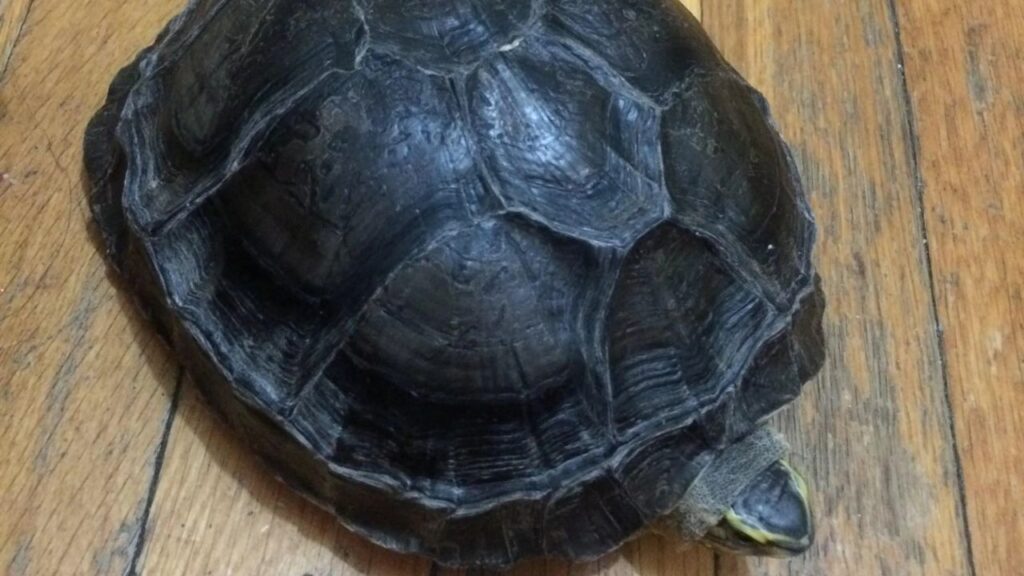
Restrictions for box turtles in New York are primarily aimed at conserving native wildlife. The state prohibits the sale of wild-caught box turtles, a regulation that protects local populations. If you wish to own a box turtle, your best option is to find a reputable breeder who complies with state regulations. This approach supports conservation efforts and diminishes demand on wild populations, enhancing sustainability efforts that protect these unique reptiles. Responsible ownership starts with understanding these regulations, reflecting one’s commitment to ethical pet keeping.
9. Wildlife Conservation and Reptiles
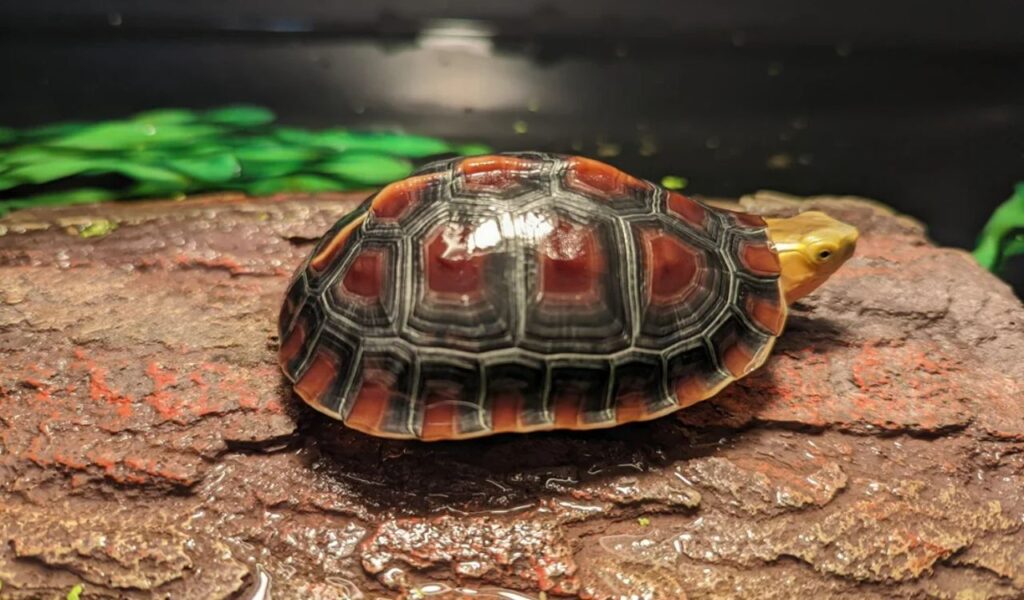
Reptiles play a vital role in the ecosystem, and their conservation is crucial. In New York, specific regulations protect native reptilian species, aiming to preserve biodiversity. Box turtles, for instance, contribute to seed dispersion and pest control. Laws threaten their natural habitats, cap harvesting numbers, and regulate captivity conditions. These efforts are integral to maintaining ecological balance, one that could be easily disrupted without human intervention. Enthusiasts are encouraged to participate in conservation activities, furthering their appreciation for these fascinating creatures.
10. Interacting with Local Wildlife Authorities
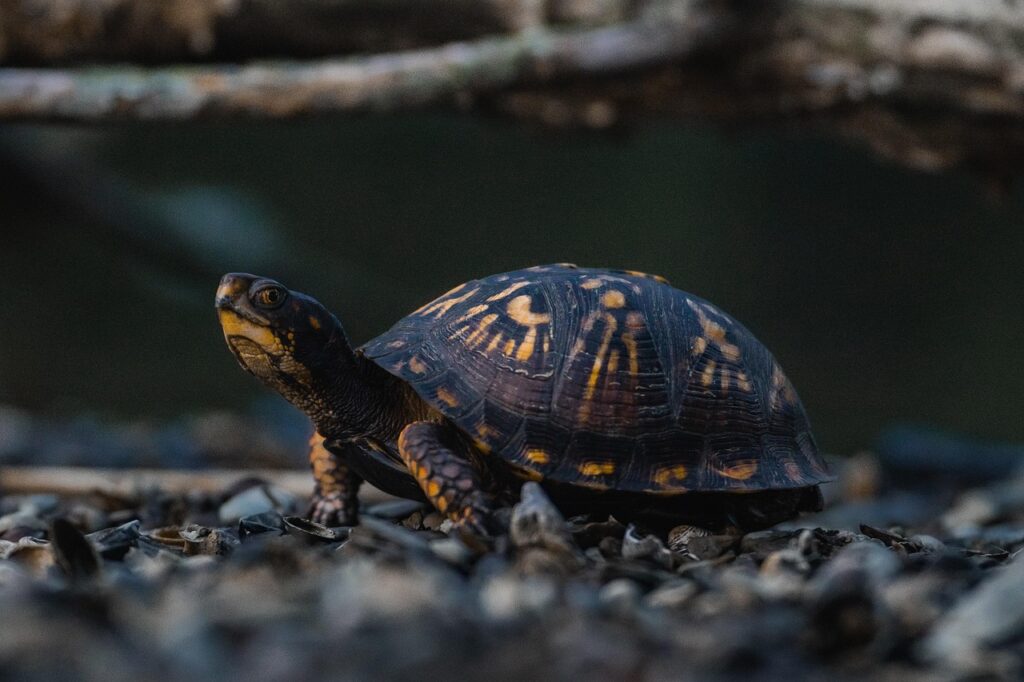
Engaging with local wildlife authorities not only ensures compliance with the law but also enriches your understanding of local ecosystems. In New York, these organizations are valuable resources for guidance on lawful reptile ownership, offering details on permits, regulations, and conservation initiatives. Building a positive relationship with these authorities can enhance your reptile-keeping experience. They provide insights that ensure your pet’s health and well-being while aligning with broader environmental goals. Connecting with experts can transform your interest in reptiles into a meaningful contribution to wildlife conservation.