
When it comes to pet snakes, not all species are docile or easy to handle. Some snakes have aggressive temperaments, defensive behaviors, or even highly potent venom, making them unsuitable for inexperienced keepers. Whether it’s due to their strong bite reflex, unpredictable nature, or venomous capabilities, these snakes require expertise, caution, and specialized care. Here are ten of the most aggressive pet snakes that only experienced handlers should consider.
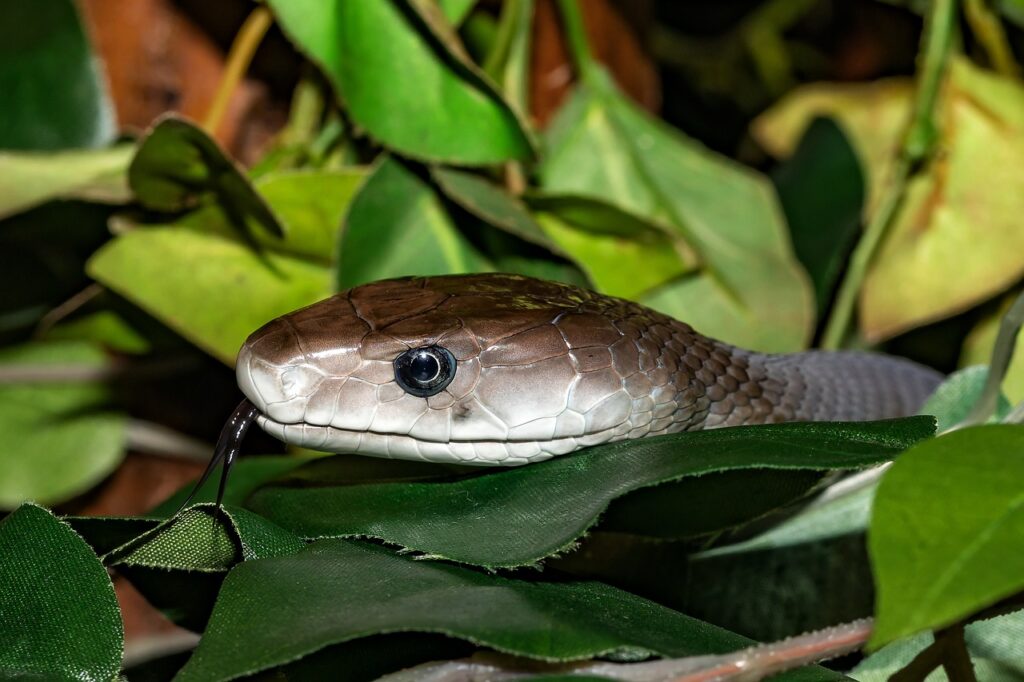
1. Black Mamba

The black mamba is one of the deadliest and fastest snakes, capable of reaching speeds up to 12 mph. This highly aggressive species is known for its defensive nature and will strike repeatedly when threatened. Its venom contains neurotoxins that can cause respiratory failure within hours if untreated. Due to its unpredictable behavior and lethal venom, black mambas are rarely kept as pets. Only expert herpetologists in specialized facilities should attempt to manage them, as handling this species can be a life-threatening endeavor.
2. King Cobra

King cobras are the longest venomous snakes on Earth, growing as long as 18 feet. They are highly territorial and will not hesitate to stand their ground, raising their bodies and flaring their hoods as a warning. Their venom attacks the nervous system, leading to paralysis and death if not treated. These snakes require a controlled environment and specialized handling techniques. Due to their intelligence and unpredictable nature, only professional herpetologists or venomous snake experts should attempt to keep them.
3. Forest Cobra

Larger and more aggressive than many other cobras, the forest cobra can grow up to 10 feet long and is highly defensive when provoked. Unlike other cobras, it is more active and less likely to back down, making it extremely dangerous. Its venom is a potent neurotoxin that can cause severe respiratory distress. Due to its strength and unpredictable temperament, handling a forest cobra requires extensive experience and strict safety protocols. It is not a suitable pet for casual reptile keepers or even experienced hobbyists.
4. Eyelash Viper

The eyelash viper is a small but highly venomous species known for its vibrant colors and distinctive scales above its eyes. Despite its size, it is highly defensive and will strike with little provocation. Its venom contains hemotoxins that cause severe pain and tissue damage. This species is an ambush predator, remaining motionless until prey or a perceived threat approaches. While some experienced keepers admire them, their venomous nature and erratic behavior make them extremely risky pets requiring secure enclosures and minimal handling.
5. Eastern Diamondback Rattlesnake
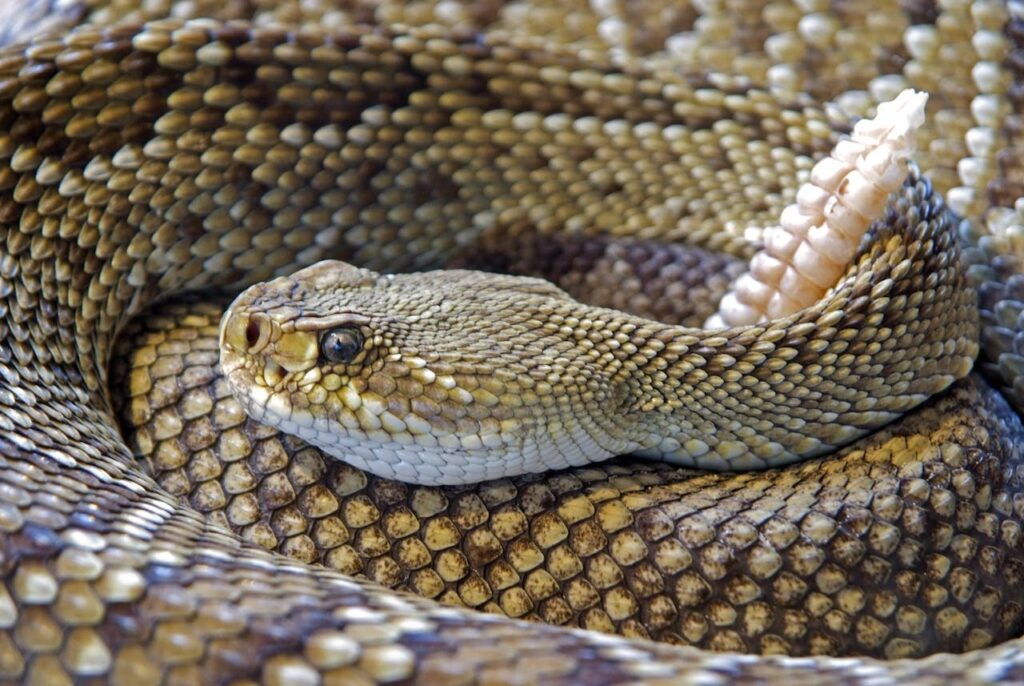
As the largest rattlesnake species, the eastern diamondback is highly feared due to its size, potent venom, and aggressive tendencies. When threatened, it stands its ground, using its rattle as a warning before striking with incredible speed. Its venom destroys tissue and can be fatal if not treated immediately. This species is difficult to manage in captivity due to its large size and defensive nature. Handling should be left to trained experts, as improper care can lead to severe injuries or death.
6. Boomslang
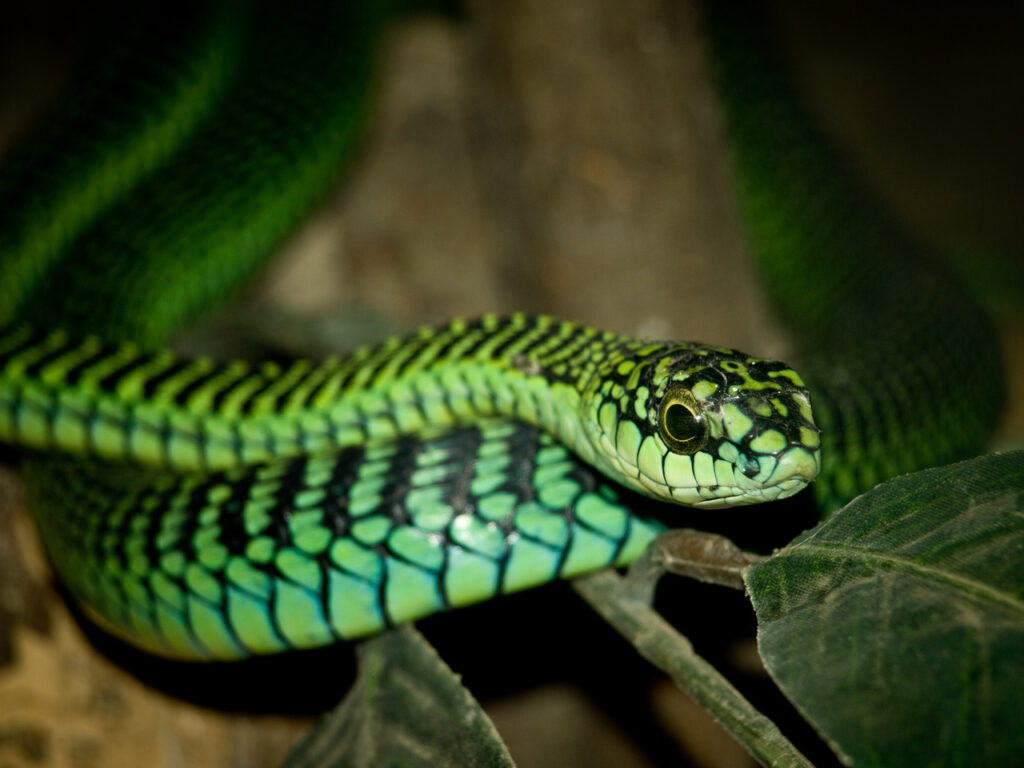
Despite its slender build, the boomslang is a highly venomous snake with a potent hemotoxin that causes internal bleeding. Unlike many aggressive snakes, the boomslang tends to remain motionless and relies on its camouflage. However, when disturbed, it can strike with accuracy. Its venom has delayed effects, making it even more dangerous. Many victims initially feel fine but later suffer severe complications. This species is not recommended as a pet, as its handling requires specialized training and anti-venom access.
7. Cottonmouth
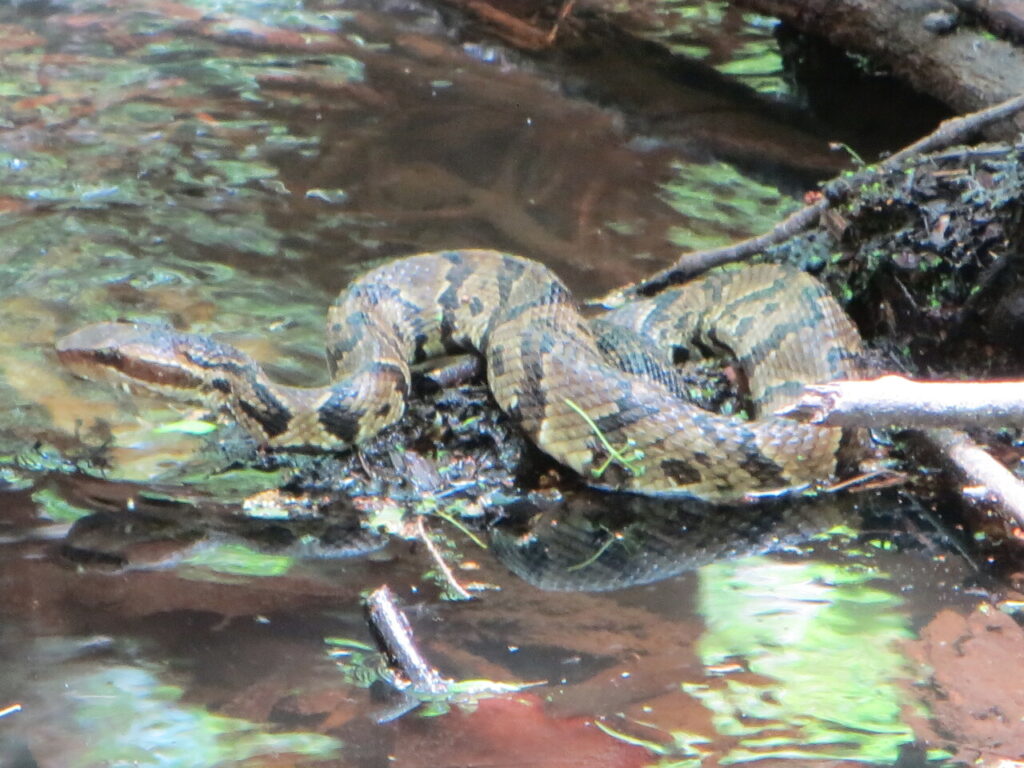
Also called the water moccasin, the cottonmouth is a semi-aquatic viper known for its defensive nature. When threatened, it displays its white mouth as a warning before striking. Unlike many snakes, it often holds its ground rather than retreating. Its venom contains hemotoxins that cause severe pain, swelling, and tissue destruction. This species thrives in humid environments and requires proper water sources in captivity. Due to its unpredictable behavior and venomous bite, it is best left to experienced keepers with proper containment setups.
8. Green Tree Python

Though non-venomous, the green tree python is known for its aggressive attitude and strong bite reflex. It is highly territorial and often bites when disturbed. This species spends most of its time coiled around branches, striking with precision when prey or threats approach. Handling must be done carefully, as they are prone to defensive behavior. While they are popular among experienced snake keepers due to their striking appearance, their unpredictable nature makes them unsuitable for those looking for a docile pet.
9. Amazon Tree Boa
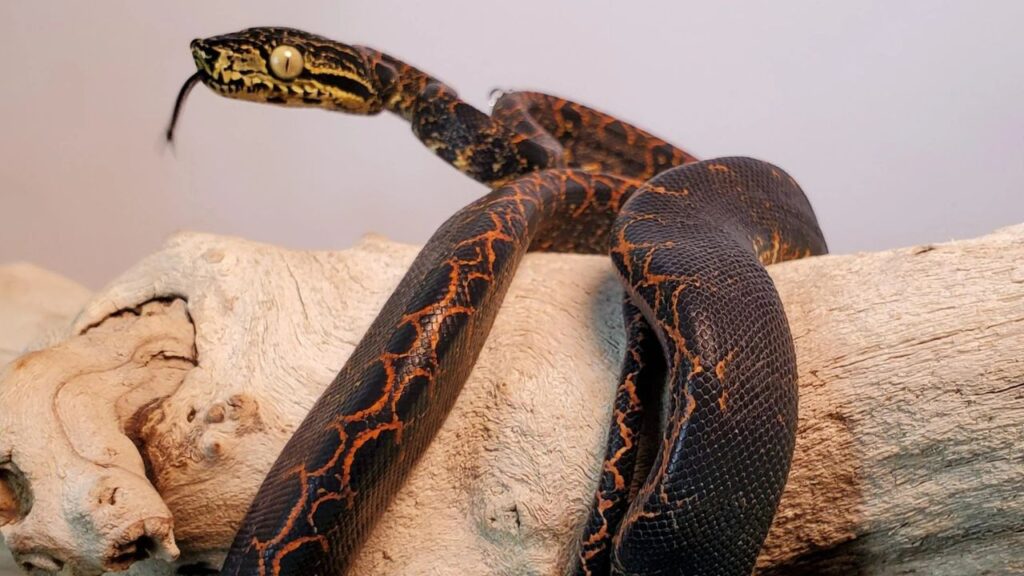
This snake is infamous for its aggressive temperament and frequent striking behavior. Though non-venomous, it has long, sharp teeth capable of causing deep bites. The Amazon tree boa is arboreal and relies on ambush tactics to catch prey. It tends to be highly defensive, making handling difficult even for experienced keepers. While some enthusiasts keep them for display purposes, this species does not tolerate frequent interaction. Proper enclosure design is essential to minimize stress and reduce the likelihood of attacks.
10. Bush Viper

Bush vipers are small but extremely venomous snakes with unpredictable temperaments. Their venom causes intense pain, swelling, and tissue damage. Unlike other vipers, they are often active hunters, making them more likely to react aggressively when approached. Their striking appearance makes them highly sought after in the exotic pet trade, but their handling is risky even for experienced keepers. With no effective anti-venom available in some regions, owning a bush viper is a serious responsibility that requires expert knowledge and preparation.
Love Pets as Much as We Do?

Scroll up and click the ‘Follow’ button to stay updated with the latest heart-warming, hilarious, and helpful pet posts from Pawdown, delivered straight to your Microsoft Start feed and MSN homepage!