
The United States is home to diverse wildlife, but not all encounters are safe. Some animals are armed with venom, powerful jaws, or sheer aggression, making them a real threat to humans. Whether lurking in the water, roaming the forests, or soaring above, these creatures command both fear and respect. Here are 10 of the most dangerous animals in the USA.
1. Spiders
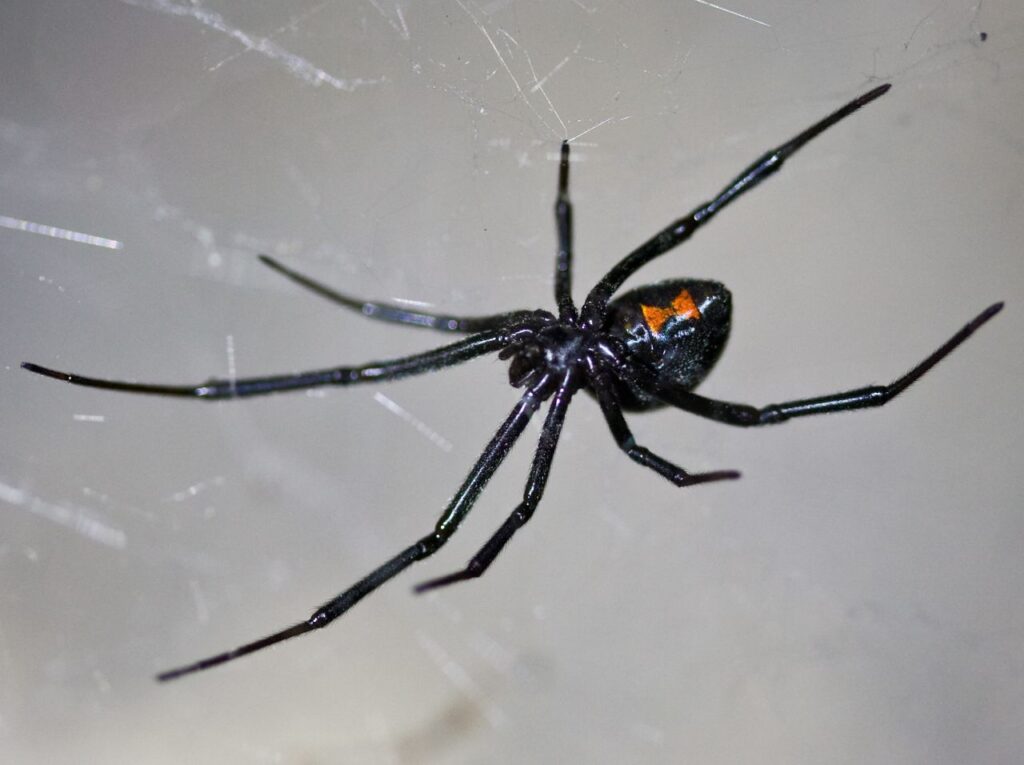
Spiders often evoke fear, though most are harmless to humans. With around 3,400 species in the U.S., only a few pose real danger. The brown recluse, black widow, and hobo spider are the most venomous, with at least one found in most regions, especially in the South and along the West Coast. The brown recluse hides in dark, undisturbed areas, delivering a bite that can lead to tissue damage. The black widow’s neurotoxic venom causes severe pain and cramping, though fatalities are rare. The hobo spider, while venomous, has a milder bite, causing irritation and sores.
2. Snakes

Snakes are among the most frequently encountered dangerous animals in the U.S., with only Alaska and Hawaii free from venomous species. The country is home to 16 types of rattlesnakes, all of which can deliver deadly bites. Coral snakes, with their distinctive red and yellow bands, are equally lethal. The western diamondback rattlesnake is the most dangerous, responsible for the highest number of bites in the U.S. and Mexico. Each year, 7,000–8,000 people suffer rattlesnake bites, though fatalities remain low thanks to prompt medical treatment and anti-venom.
3. Alligators/Crocodiles

Whereas bears dominate the northern U.S., the southern states—particularly Florida and the Gulf Coast—are home to alligators and crocodiles. Of the two, crocodiles are far deadlier, claiming around 1,000 lives worldwide each year. However, in the U.S., they are found only in the southernmost tip of Florida. Alligators, on the other hand, are more widespread and thrive in lakes, swamps, and even trees. While they rarely target humans, these opportunistic predators will feast on fish, birds, snakes, and even larger prey like deer or dogs.
4. Bears

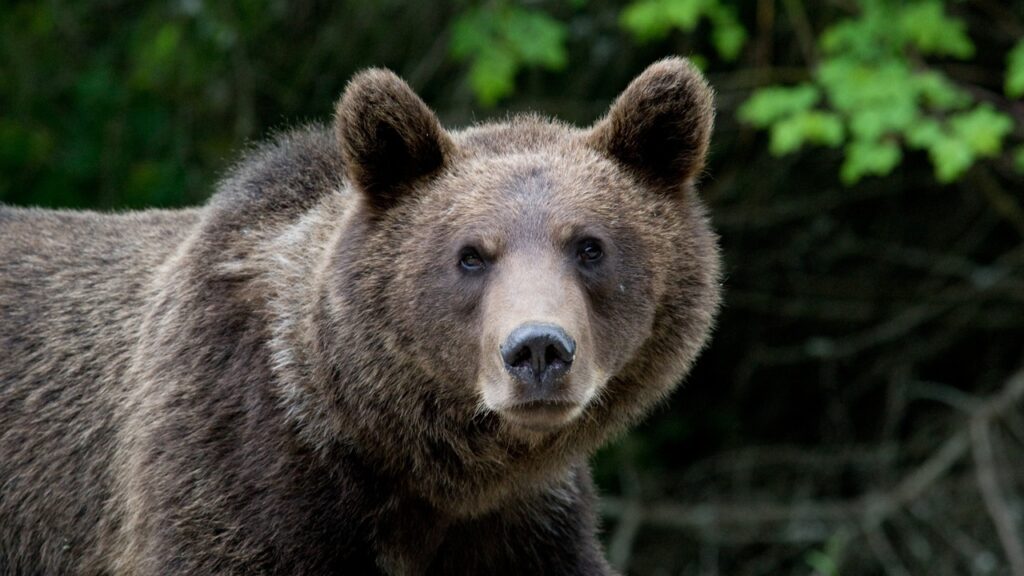
Bears are some of the largest and most powerful animals in North America. While usually focused on foraging or fishing, encounters with humans can be dangerous. Grizzly bears, the largest and most aggressive, should be avoided at all costs. Unlike black bears, which can be scared off with loud noises, grizzlies are harder to deter and may attack. Black bears, though usually skittish, can attack when provoked, as seen in a deadly incident in Canada where a bear killed three teenagers. Polar bears, found in Alaska, are less likely to attack but still pose a serious threat due to their size.
5. Mountain Lion

The mountain lion, also known as the cougar or puma, is the largest feline in North America. Stealthy and elusive, they often hunt farm animals and pets in remote areas, rarely seen by humans. While typically avoiding people, attacks can occur if the mountain lion feels threatened or hungry. Running may trigger a chase, and playing dead only makes you an easy target. The best defense is to stay loud and assertive, maintain eye contact, and fight back if attacked. These patient hunters will stalk prey for miles before striking at the right moment.
6. Wolves and Coyotes
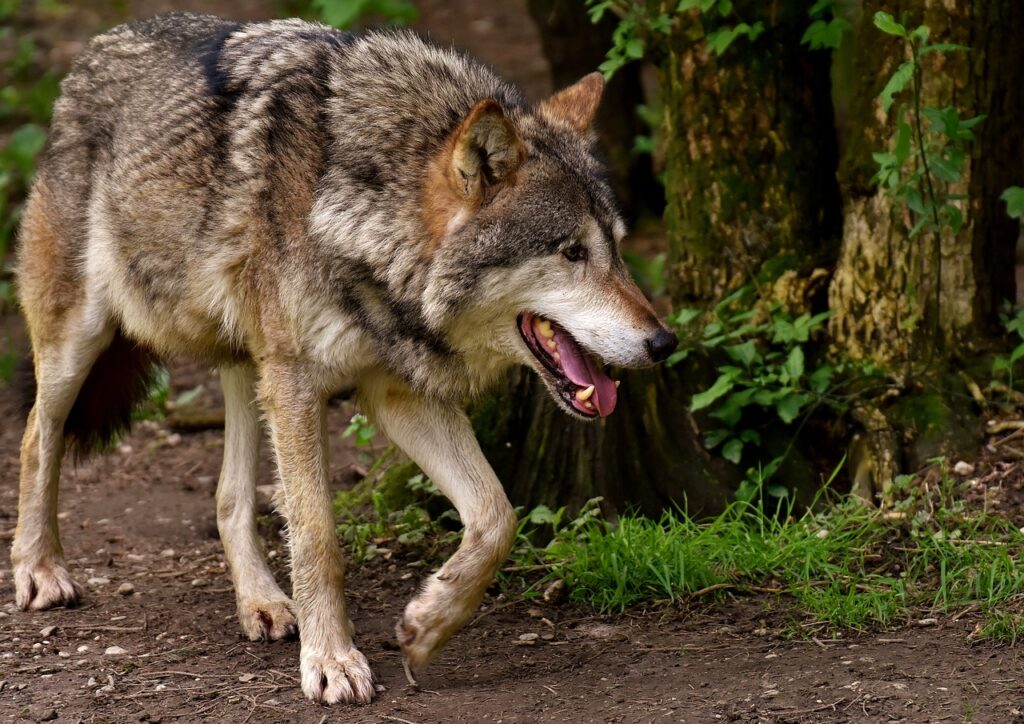
Wolves and coyotes, both members of the Canidae family, are formidable predators. Coyotes, often heard howling at night, typically avoid humans but can pose a threat due to diseases and parasites. While they usually target livestock, a pack can be dangerous to humans if provoked, especially when starving or infected with rabies. The grey wolf, North America’s largest predator, has a bite force twice that of domestic dogs and can break bones. Known for leaping up to 16 feet, wolves avoid humans but can be dangerous when provoked or starving, especially in packs.
7. Bees

Bees, particularly Africanized bees—known as “killer bees”—are highly defensive and aggressive. They will attack if they sense a threat to their hive, with even the noise of a vehicle triggering a frenzy. Capable of chasing prey up to a quarter of a mile, they can maintain aggression for up to 24 hours. Originally a hybrid created by biologist Warwick E. Kerr, killer bees have spread across the U.S. from Brazil. While their venom isn’t deadly, a swarm attack can cause severe pain, swelling, and be fatal for those allergic to bee stings.
8. Sharks

Sharks, particularly the great white, are among the most feared ocean predators. The great white, the largest predatory fish at over 20 feet, accounts for about one-third of all shark attacks on humans. Found off California and the northeast Atlantic, they’re common around New Smyrna Beach in Florida, the “Shark Capital of the World.” Known for biting without provocation, they often mistake humans for prey. Since 1900, there have been 1,657 unprovoked shark attacks in the U.S., with 144 fatalities. Tiger and bull sharks are also common, with tiger sharks responsible for most fatal attacks.
9. Scorpions

Scorpions, found across desert landscapes in the U.S., are a dangerous presence with all 90 species delivering venomous stings. The most lethal of these is the Arizona bark scorpion, native to the Sonoran Desert. This small, brown nocturnal creature measures about three inches in length and prefers moist areas near riverbeds. Though it doesn’t burrow, it’s often found inside homes. While its sting can cause intense pain, partial paralysis, and breathing difficulties, fatalities are rare, typically affecting vulnerable individuals like the elderly and children.
10. Bison
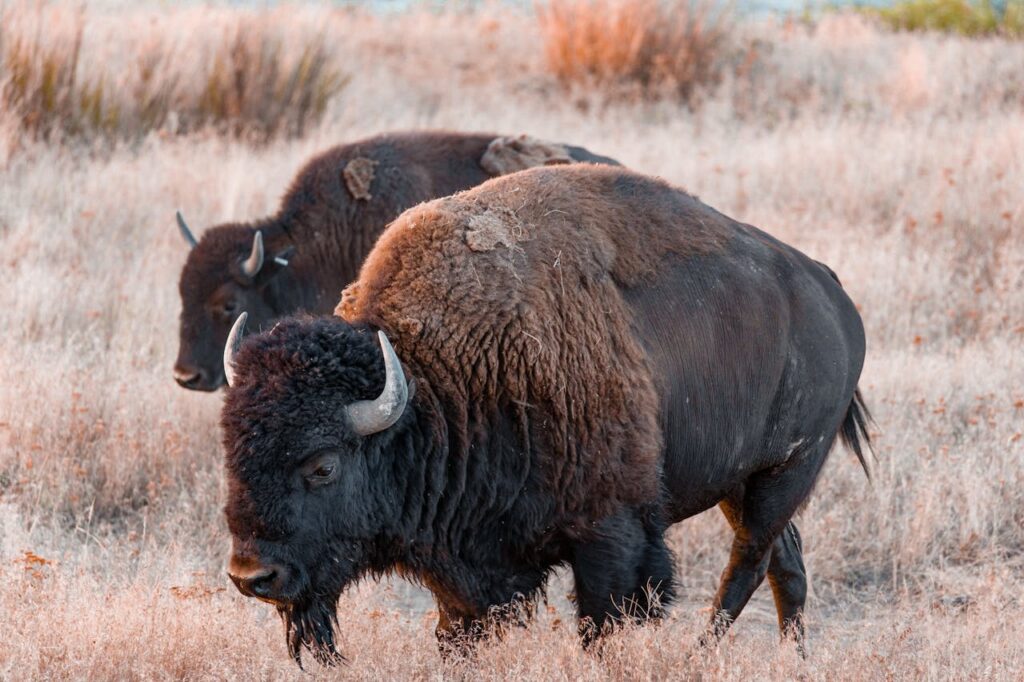
The American bison, often found in zoos or nature preserves, can be more dangerous than wild bears, especially in national parks. These massive creatures, weighing up to 2,000 pounds and reaching speeds of 40 miles per hour, can be highly aggressive, particularly during the breeding season. If provoked, bison won’t hesitate to attack, charging with incredible speed and even leaping up to six feet into the air. Always stay at least 330 feet away from bison, and never approach them on foot. If one is blocking your trail, stop and make sure to give it plenty of space to avoid provoking an attack.
Love Pets and Animals as Much as We Do?

Scroll up and click the ‘Follow’ button to stay updated with the latest heart-warming, hilarious, and helpful pet posts from Pawdown, delivered straight to your Microsoft Start feed and MSN homepage!