
Montana’s vast wilderness is home to some of the most formidable predators in North America. While these creatures inspire both fear and admiration, experts emphasize that actual encounters with dangerous wildlife are rare. Many animals people fear—such as snakes and bears—are misunderstood, and their behavior is often misinterpreted. Respecting wildlife, staying alert, and understanding animal behavior are key to safely coexisting with these predators. According to experts from MSU Outdoor Safety, Montana FWP, and World Atlas, here are ten of the most feared predators in Montana, along with insights into their true nature and role in the ecosystem.
1. Grizzly Bear

Grizzly bears are Montana’s most feared predators, often associated with aggression. Weighing up to 800 pounds, they are territorial and will defend their cubs and food sources. While grizzly attacks are rare, wildlife experts emphasize that awareness is key. Hikers should carry bear spray and avoid surprising a bear. Playing dead during an attack can prevent severe injury. As a threatened species, grizzlies remain protected under conservation laws. With careful precautions, outdoor enthusiasts can minimize risk and safely coexist with these apex predators.
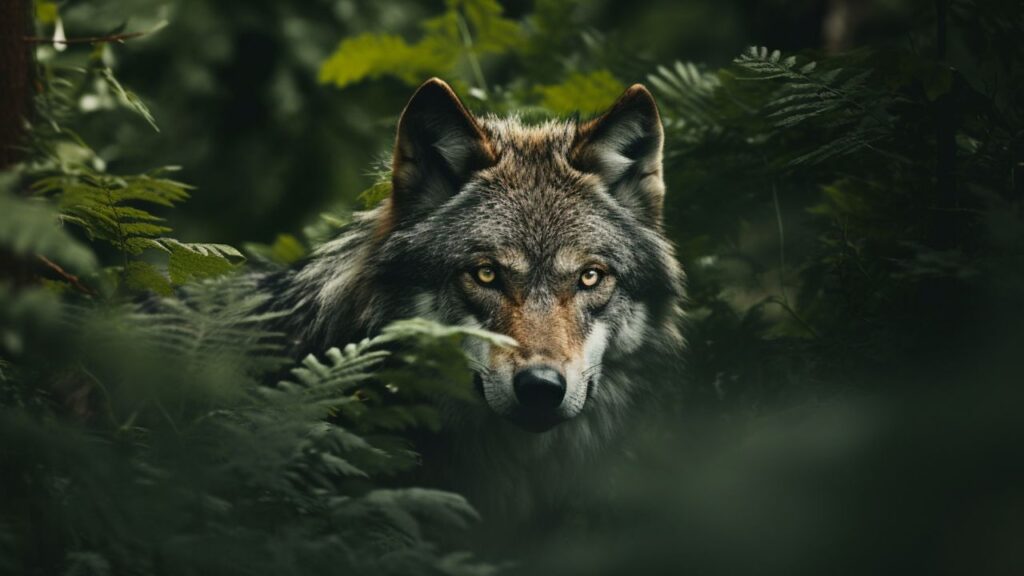
2. Gray Wolf

Wolves, often misunderstood, are intelligent pack hunters found across Montana. While feared, they rarely attack humans, instead preying on deer and elk. Once endangered, wolves have made a comeback and are now actively managed. Wolves communicate through howls and scent markings, maintaining large territories. If encountered, standing tall and making noise usually deters them. Experts advise pet owners to keep animals indoors at night to prevent wolf-related incidents. Responsible conservation efforts have helped stabilize their populations while maintaining a balanced ecosystem.
3. Mountain Lion

Mountain lions are powerful ambush predators known for their stealth. Weighing up to 200 pounds, they hunt deer, rabbits, and small mammals. Though attacks on humans are rare, they can be highly aggressive if cornered. Wildlife officials recommend appearing larger, making loud noises, and avoiding sudden movements. Running triggers their instinct to chase, so standing your ground is crucial. Keeping pets close and children within sight in mountain lion territory reduces risks. Though elusive, these big cats play a vital role in controlling deer populations.
4. Golden Eagle

Golden eagles are powerful birds of prey that command the skies over Montana’s vast landscapes. With a wingspan of up to seven feet, these raptors are skilled hunters, using their razor-sharp talons to capture prey. Their grip strength exceeds 400 pounds per square inch, allowing them to subdue animals as large as deer fawns. Golden eagles can dive at speeds of 150 mph, making them one of the fastest birds in the world. While they typically avoid humans, they can become highly aggressive when defending their nests. Their territorial nature makes them a formidable presence in the wild.
5. Black Widow Spider

Black widow spiders are easily recognized by their glossy black bodies and distinctive red hourglass markings. Only females display this iconic pattern, while males are smaller and lack the bold coloration. Preferring dark, undisturbed places like basements, sheds, and woodpiles, black widows spin messy webs to trap insects. Though they avoid humans, bites occur when they feel threatened. Their venom contains neurotoxins that cause severe muscle pain, cramps, nausea, and breathing difficulties. While rarely fatal, immediate medical attention is advised. These spiders play a crucial role in controlling insect populations.
6. Canada Lynx

The Canada lynx is a federally threatened species with a declining population across 16 states. Adapted to Montana’s forests, this secretive feline preys on snowshoe hares. Though not aggressive toward humans, it will defend itself if threatened. Experts emphasize avoiding direct interaction, as lynxes are protected under federal law. They are nocturnal and elusive, making sightings rare. Their long legs and thick fur help them navigate deep snow. Conservation efforts aim to protect their habitat and prevent further population decline.
7. Black-footed Ferret

Once thought extinct, the black-footed ferret is now one of Montana’s most endangered mammals. Its survival depends on prairie dog populations, which have also declined. These nocturnal hunters play a crucial role in maintaining balance in prairie ecosystems. Conservationists continue efforts to restore their numbers through captive breeding and habitat protection. Despite their small size, ferrets are skilled hunters capable of taking down prey larger than themselves. Protecting these creatures is vital to preserving Montana’s biodiversity and maintaining healthy grassland environments.
8. Wolverine
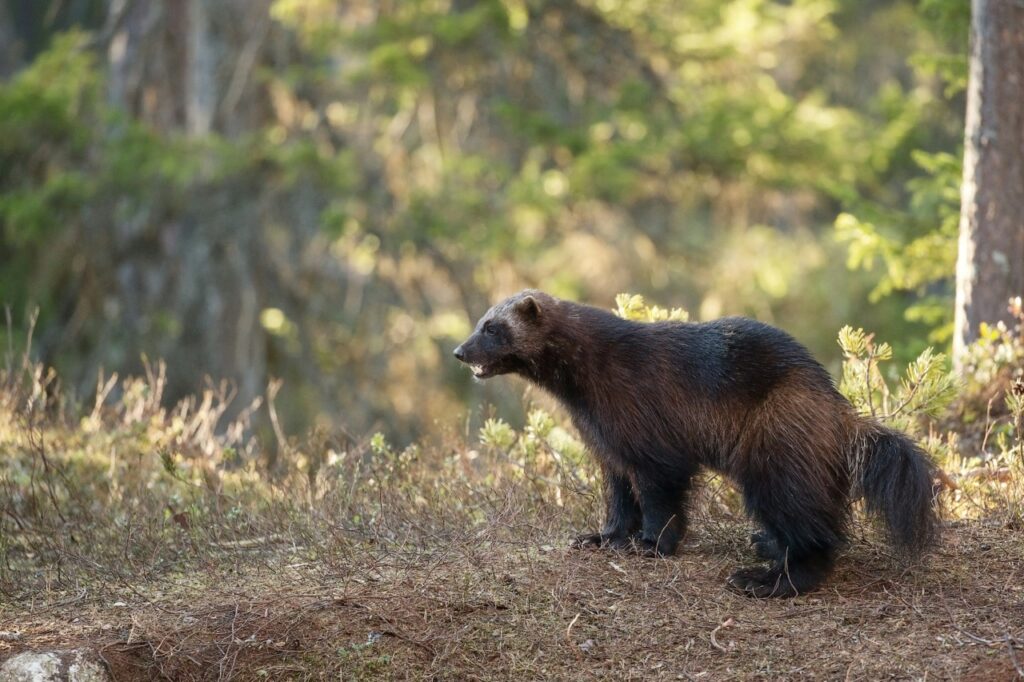
Wolverines are elusive, powerful predators known for their strength, aggression, and endurance. Weighing between 20 to 40 pounds, they are compact but incredibly strong, capable of fending off larger predators. Their sharp claws and powerful jaws allow them to scavenge frozen carcasses and take down small to medium-sized mammals. Once nearly extinct due to habitat loss and trapping, Montana now has around 350 wolverines thriving in its dense forests and remote mountain areas. These solitary hunters prefer cold, rugged terrain and rely on their keen sense of smell to locate food beneath deep snow. Though fierce, they rarely interact with humans.
9. Prairie Rattlesnake
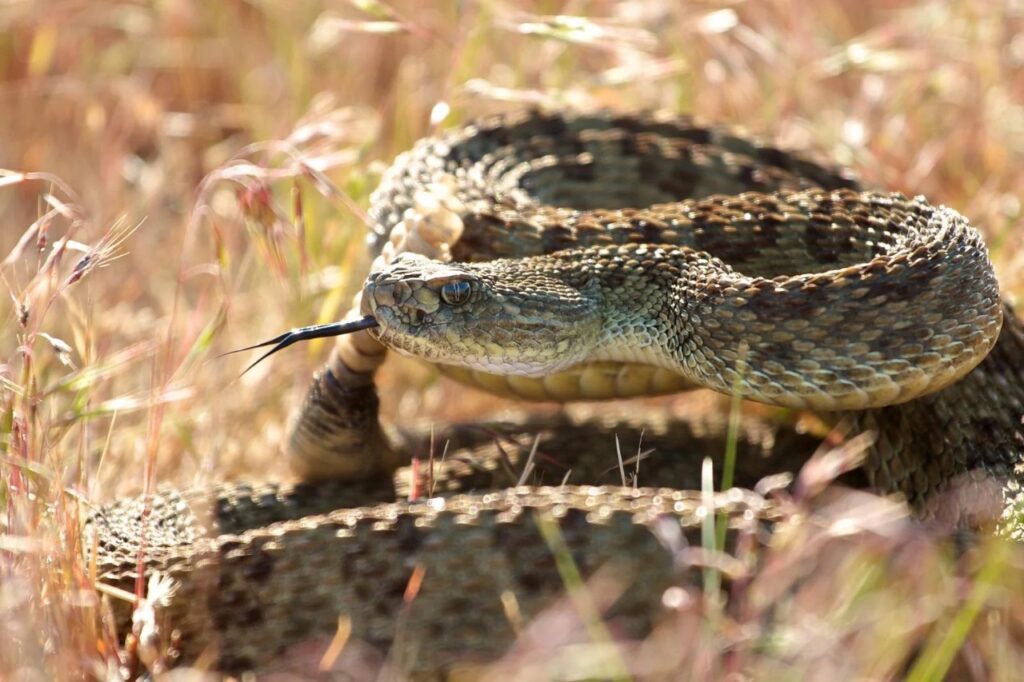
These rattlesnakes are venomous pit vipers found throughout Montana. Their triangle-shaped heads, narrow necks, and thick bodies help them blend into forests, grasslands, and rocky terrains. They use heat-sensitive pits to detect warm-blooded prey like rodents, birds, and amphibians. Though human bites are rare, they happen when the snake feels threatened. Their venom disrupts blood clotting, causing pain, swelling, and nausea. If bitten, staying calm and seeking immediate medical attention is crucial.
10. Bobcat

Bobcats are stealthy hunters found throughout Montana, preying on rabbits, rodents, and birds. Though much smaller than mountain lions, they are strong climbers and ambush predators. Bobcats generally avoid humans but can be dangerous to pets if encountered near urban areas. Their sharp claws, quick reflexes, and strong bite make them formidable hunters. Sightings are rare due to their nocturnal nature. If confronted, making loud noises can deter them. Despite their reputation, bobcats play an essential role in controlling rodent populations in Montana.
Love Pets as Much as We Do?

Scroll up and click the ‘Follow’ button to stay updated with the latest heart-warming, hilarious, and helpful pet posts from Pawdown, delivered straight to your Microsoft Start feed and MSN homepage!