
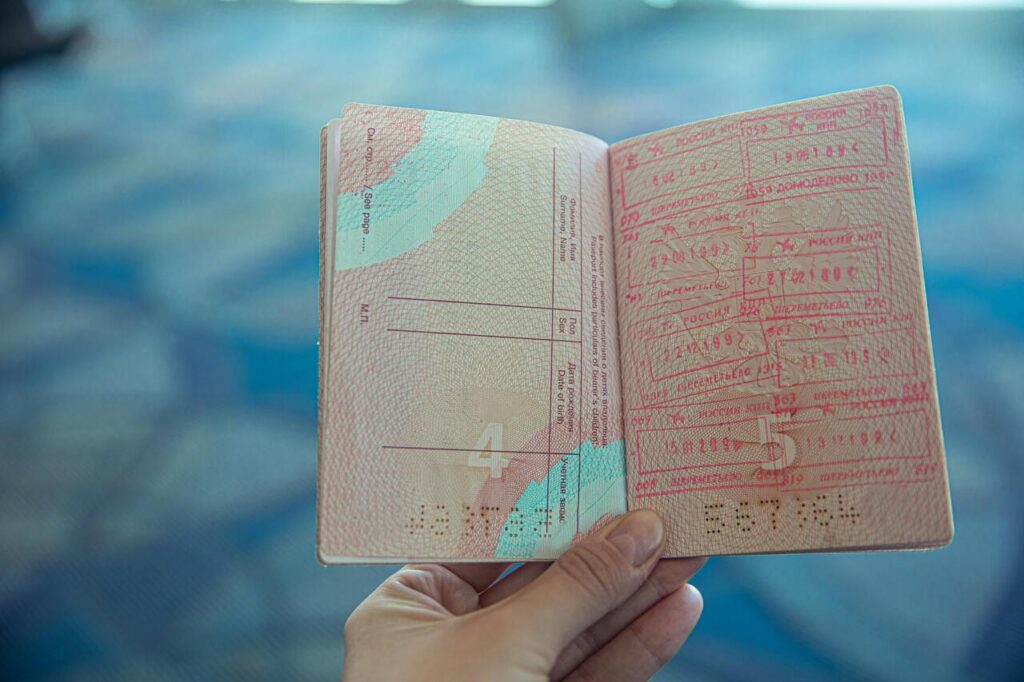
In today’s interconnected world, a passport is more than a travel document—it’s a key to global freedom. The power of a passport reflects a nation’s diplomacy, stability, and international reputation, determining how easily its citizens can explore new countries. In 2025, some passports unlock nearly the entire world, offering unmatched access and convenience. From Asia’s rising stars to Europe’s enduring titans, here’s a look at the most powerful passports right now—and where the U.S. currently stands.
1. Singapore
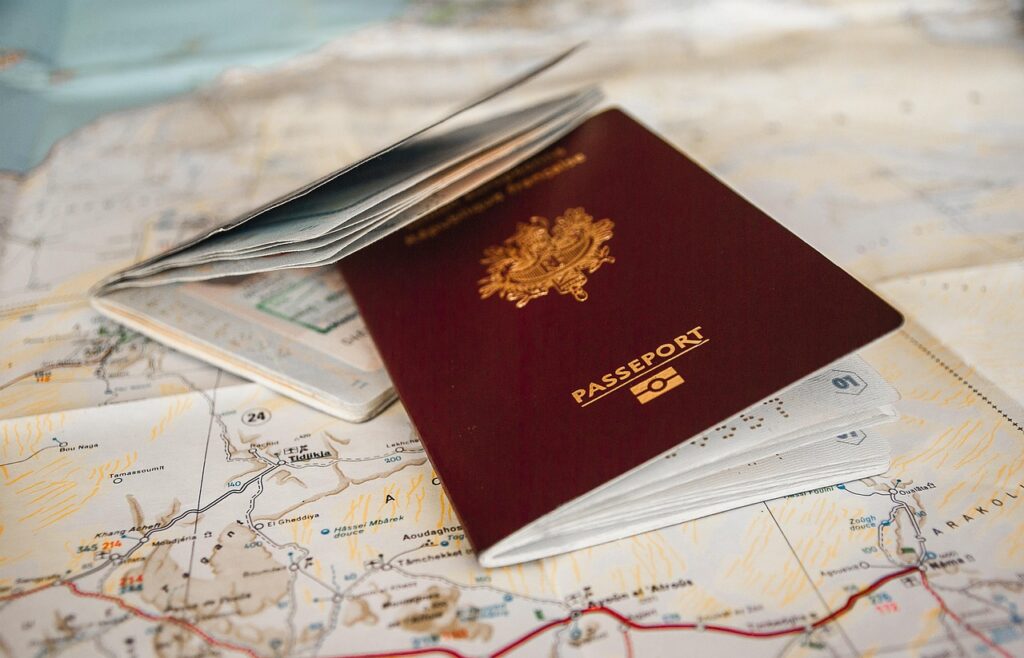
Singapore continues to reign supreme with the world’s most powerful passport in 2025, offering visa-free or visa-on-arrival access to 195 destinations. This tiny city-state has built an enormous global reputation for diplomatic strength, economic stability, and international cooperation. Its passport is not only a gateway to nearly every corner of the world but also a symbol of trust and efficiency. Whether you’re a frequent business traveler or a curious globetrotter, holding a Singaporean passport means skipping lines and avoiding visa hurdles almost everywhere.
2. Japan

Japan’s passport remains one of the most respected travel documents on the planet, with access to 193 countries either visa-free or with a visa-on-arrival. Backed by the country’s strong diplomatic relationships and a reputation for reliability, the Japanese passport offers both prestige and freedom. It’s especially valued for how it opens doors across Europe, the Americas, and Asia with minimal red tape. For Japanese citizens, international travel is smoother, faster, and far more flexible than it is for most of the world.
3. South Korea
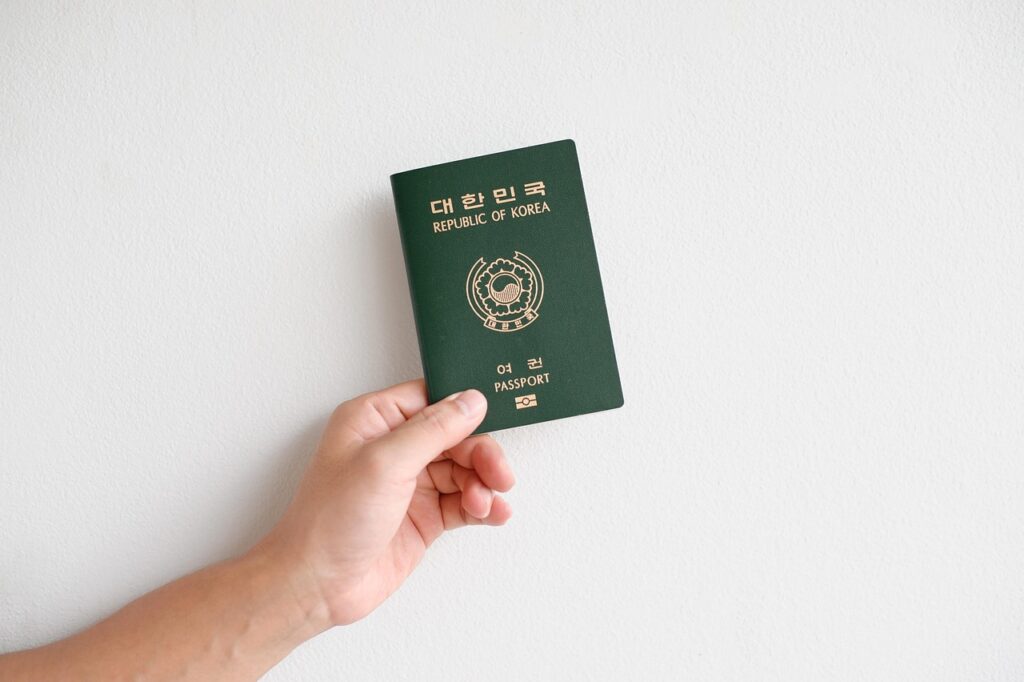
South Korea’s rise in soft power, innovation, and global presence is reflected in the strength of its passport, which grants access to over 190 destinations without prior visa requirements. From the United States to Europe to much of Asia, South Koreans enjoy impressive global mobility. This wide access is a product of strong international diplomacy and an increasingly influential global cultural footprint—from K-pop to tech. For South Korean travelers, it means a passport that opens doors to both business and leisure worldwide.
4. Germany
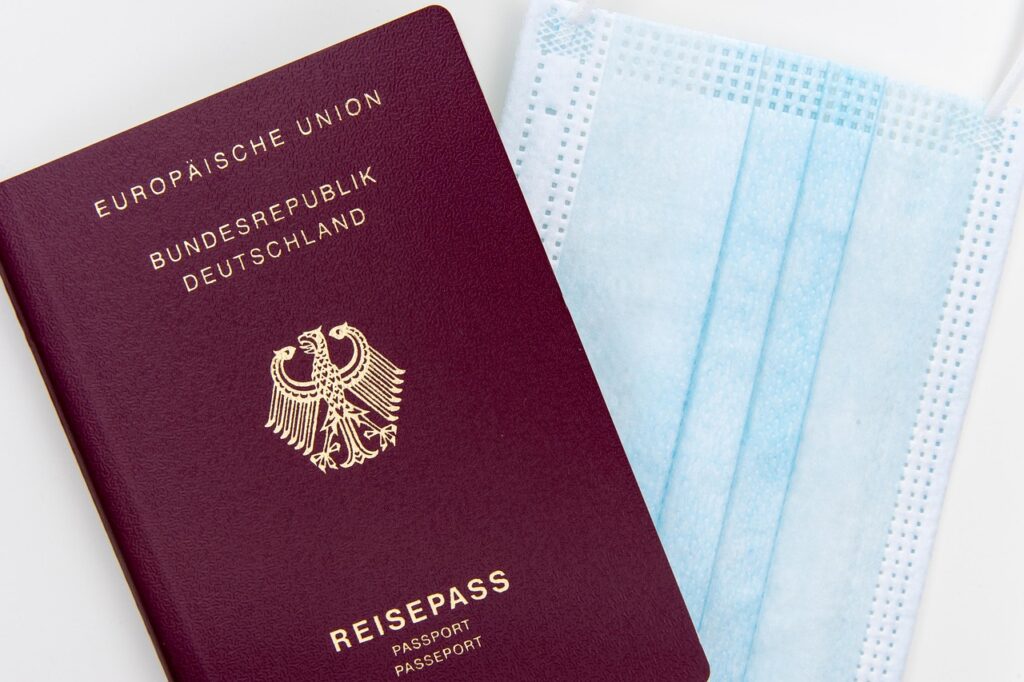
Germany consistently ranks near the top of passport power lists, and 2025 is no exception. With visa-free access to 189 countries, the German passport is a cornerstone of European mobility and global travel freedom. It reflects Germany’s robust diplomatic networks, economic leadership, and stable governance. This passport is particularly strong across Europe, the Americas, and Asia, making it a favored travel document for everything from business trips to academic research or long-term relocations.
5. France

France’s passport remains a high-value document in 2025, offering visa-free or visa-on-arrival access to 189 destinations worldwide. The global influence of French diplomacy, paired with its role in the European Union, ensures French citizens can travel widely with ease. From romantic getaways to international negotiations, French travelers benefit from a respected and highly versatile passport that minimizes bureaucratic delays and fosters spontaneity on a global scale.
6. Italy
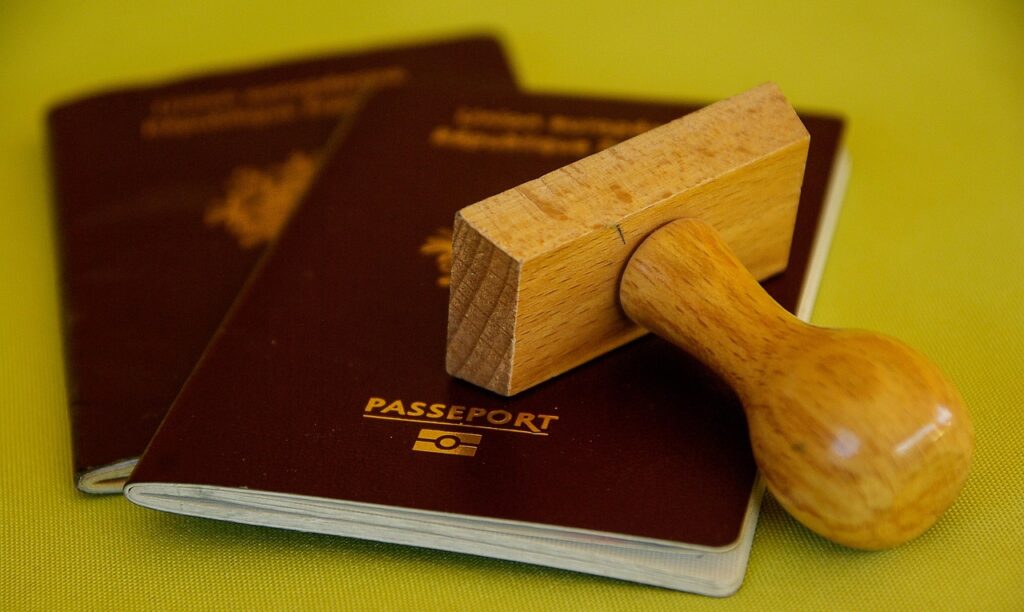
Italy’s passport is more than a travel document—it’s a key to global exploration. With access to 189 destinations without needing a visa in advance, Italian passport holders enjoy some of the smoothest international mobility in the world. Italy’s diplomatic reach and strong EU ties make it especially powerful across Europe and the Americas. Whether heading out on a culinary adventure or attending global business forums, Italians carry with them one of the most travel-friendly passports in 2025.
7. Spain

Spain’s passport grants visa-free or visa-on-arrival access to 189 countries, putting it among the world’s most powerful in 2025. Spanish citizens benefit from deep EU integration, strong historical ties to Latin America, and global diplomatic reach. This passport offers unmatched flexibility for travel across continents—whether it’s a cultural tour through South America or a seaside escape in Southeast Asia. It’s a passport built on centuries of global connection and modern-day diplomacy.
8. Finland

The Finnish passport stands out not just for its power—189 countries visa-free or visa-on-arrival—but also for its efficiency and low-risk profile. Finland’s reputation for transparency, peace, and technological advancement enhances the value of its passport. Finnish citizens enjoy high levels of trust abroad, which translates into fewer visa complications and more seamless travel experiences. Whether venturing into remote wilderness or navigating big cities, Finnish travelers move through borders with ease.
9. Canada

Canada’s passport earns its place in the top tier by offering access to 188 destinations without the need for a pre-arranged visa. Known globally for stability, multiculturalism, and strong diplomacy, Canada enjoys excellent international relations that translate directly into high passport power. Canadian travelers are welcomed in nearly every major region, and the passport itself is recognized for its security and reliability. It’s an essential travel tool for a country whose citizens are famously globe-trotting.
10. Australia

Australia rounds out the top 10 with a passport that allows visa-free or visa-on-arrival access to 189 countries. Its high level of trustworthiness, global partnerships, and security protocols make it one of the most coveted travel documents. Australians benefit from agreements across the Asia-Pacific region, North America, and Europe. Whether it’s backpacking through Southeast Asia or negotiating business deals in New York, the Australian passport is a gateway to truly global opportunity.
Where the U.S. Stands Now

While the U.S. passport remains one of the most recognized in the world, its ranking in 2025 reflects growing global competition. American travelers can access over 180 countries visa-free or with visa-on-arrival, placing the U.S. just shy of the very top tier. Though still powerful, it now trails behind several European and Asian nations offering wider access. This shift highlights evolving diplomatic dynamics and the increasing value of strategic global partnerships.