

Reptiles are increasingly popular as pets, but they’re often misunderstood due to widespread myths. From their care requirements to their behavior, misinformation can lead to improper handling and neglect. It’s time to bust some common myths and uncover the truth about these fascinating creatures. If you’re considering a reptile as a pet, or already own one, here are 10 myths you shouldn’t believe.
Myth 1: Reptiles Are Low-Maintenance Pets

Reptiles are often marketed as easy-to-care-for pets, but the reality is different. They require precise environmental conditions, including specific temperature, humidity, and lighting. Their dietary needs can also be complex, varying widely between species. A lack of proper care can lead to serious health issues, making reptiles anything but low-maintenance. Owning one means committing to regular research and effort to meet their needs.
Myth 2: Reptiles Don’t Need UVB Lighting

Many reptile species rely on UVB lighting to synthesize vitamin D3, which is crucial for calcium absorption. Without proper UVB exposure, reptiles can suffer from metabolic bone disease, a debilitating condition. Even reptiles that are less reliant on UVB, like certain snakes, benefit from a light cycle that mimics their natural environment. Ignoring UVB requirements can lead to long-term health problems.
Myth 3: Small Enclosures Are Sufficient

A common misconception is that reptiles can thrive in small tanks or enclosures. However, reptiles need space to express natural behaviors like climbing, basking, or burrowing. Cramped spaces can cause stress, which negatively impacts their health and longevity. For example, a bearded dragon needs enough room to stretch out and regulate its body temperature effectively. Always research your reptile’s specific spatial needs before purchasing an enclosure.
Myth 4: Reptiles Are Not Intelligent
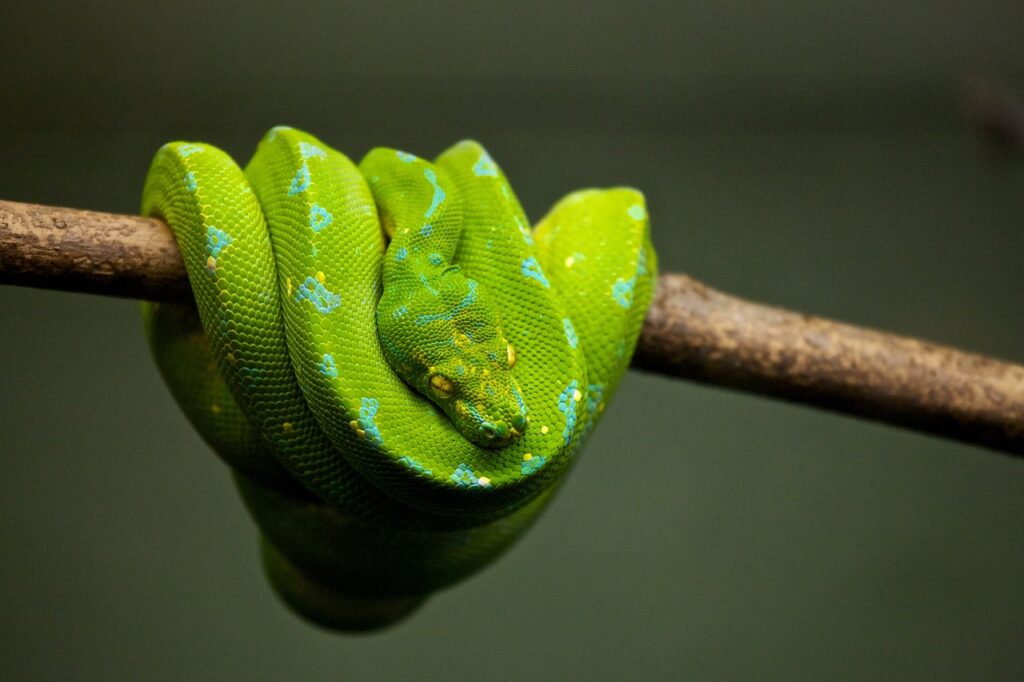
Reptiles may not show affection in the same way as mammals, but they are far from unintelligent. Many species can recognize their owners, learn feeding schedules, and even solve simple puzzles. For instance, monitors and tegus display problem-solving skills, and turtles often develop routines based on their environment. Underestimating their cognitive abilities can lead to inadequate stimulation and care.
Myth 5: Reptiles Don’t Require Veterinary Care
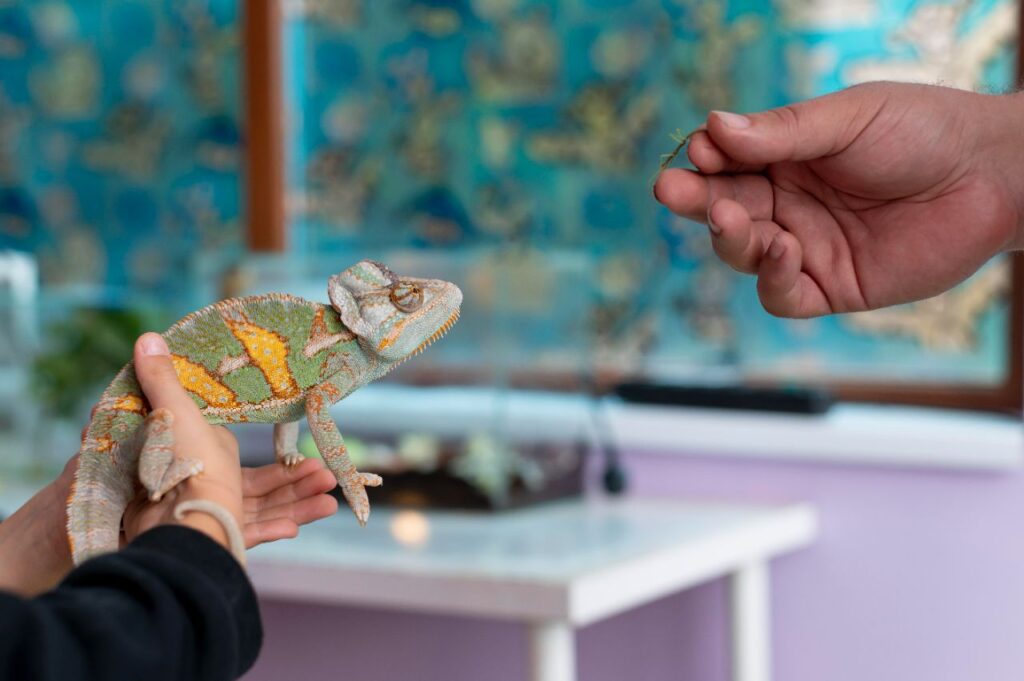
Reptiles, like any other pets, need regular health check-ups with a reptile-savvy veterinarian. They may not show signs of illness as clearly as cats or dogs, but they can suffer from diseases, parasites, and injuries. Early detection and treatment can prevent minor issues from becoming serious. Building a relationship with a vet ensures your pet receives proper care throughout its life.
Myth 6: Reptiles Are Aggressive by Nature
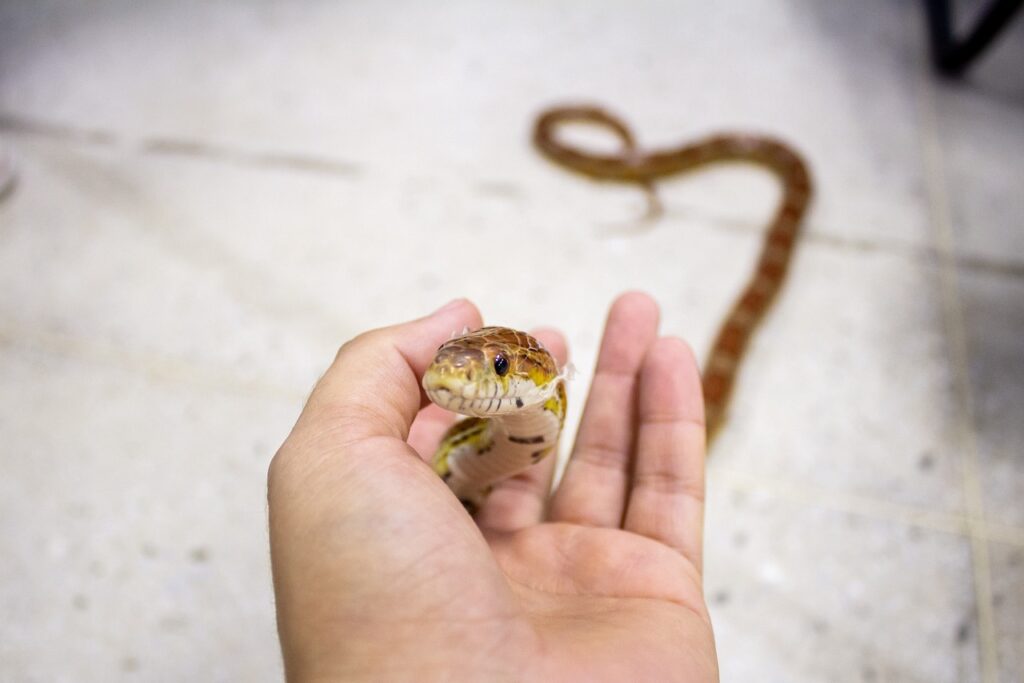
Reptiles are often labeled as aggressive, but most are defensive rather than hostile. Their perceived aggression usually stems from fear or improper handling. For example, snakes may strike when they feel threatened, but with consistent and gentle handling, they can become quite docile. Understanding their body language and respecting their boundaries are key to building trust with your reptile.
Myth 7: Reptiles Don’t Need Enrichment
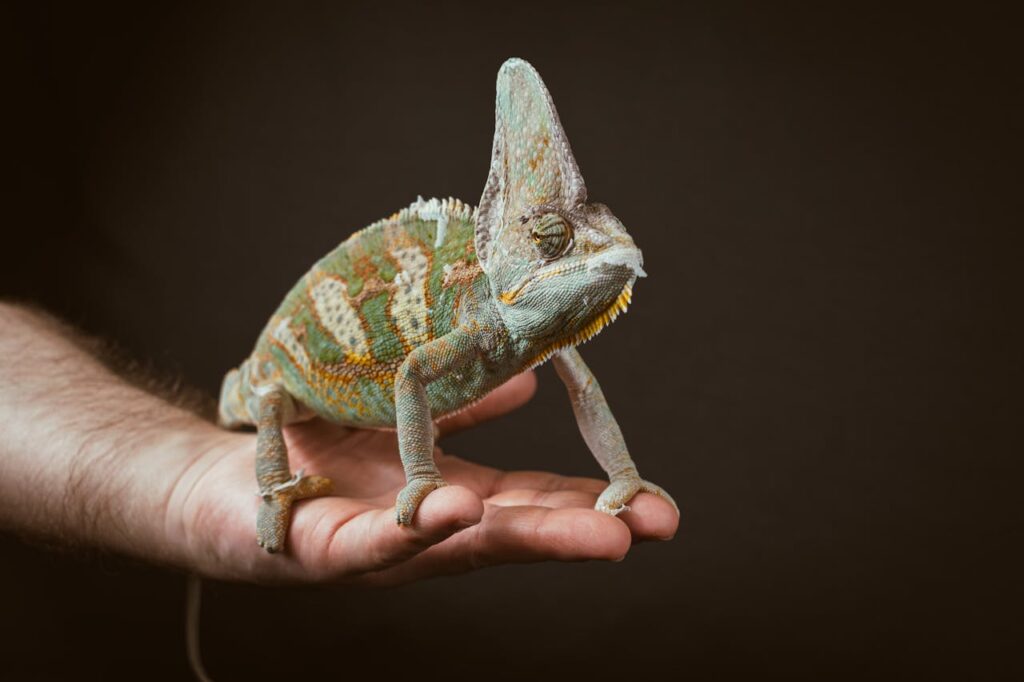
Many people believe reptiles are content to sit in their enclosures with minimal stimulation, but this couldn’t be further from the truth. Reptiles benefit greatly from environmental enrichment, such as climbing structures, hiding spots, and varied terrain. Providing these elements reduces stress and encourages natural behaviors. A well-enriched enclosure makes for a healthier and happier pet.
Myth 8: All Reptiles Have the Same Care Requirements

Reptiles are incredibly diverse, and their care needs vary greatly depending on the species. For instance, a desert-dwelling bearded dragon requires high heat and low humidity, while a tropical gecko needs a humid environment. Assuming all reptiles have the same needs can lead to improper care. Always research the specific requirements of your pet to ensure their well-being.
Myth 9: Reptiles Don’t Feel Pain
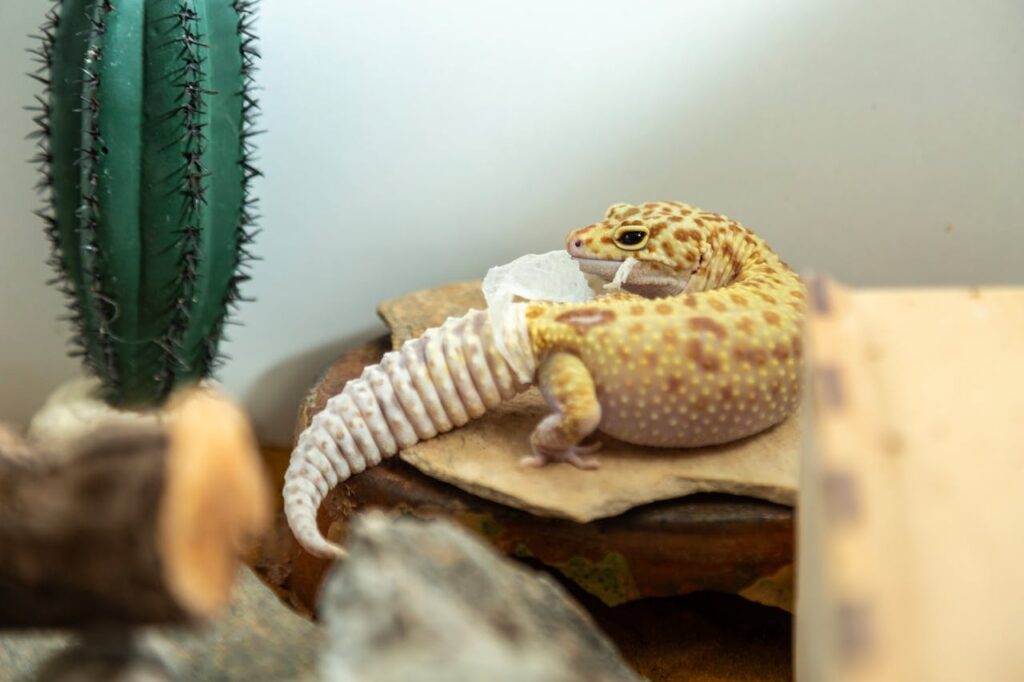
A harmful misconception is that reptiles don’t experience pain like other animals. In reality, reptiles have complex nervous systems and are fully capable of feeling pain and stress. They may not vocalize or show discomfort as overtly as mammals, but signs like lethargy, abnormal movement, or refusal to eat can indicate distress. Handling them gently and seeking veterinary care when needed is essential.
Myth 10: Reptiles Are Not Suitable Pets for Women
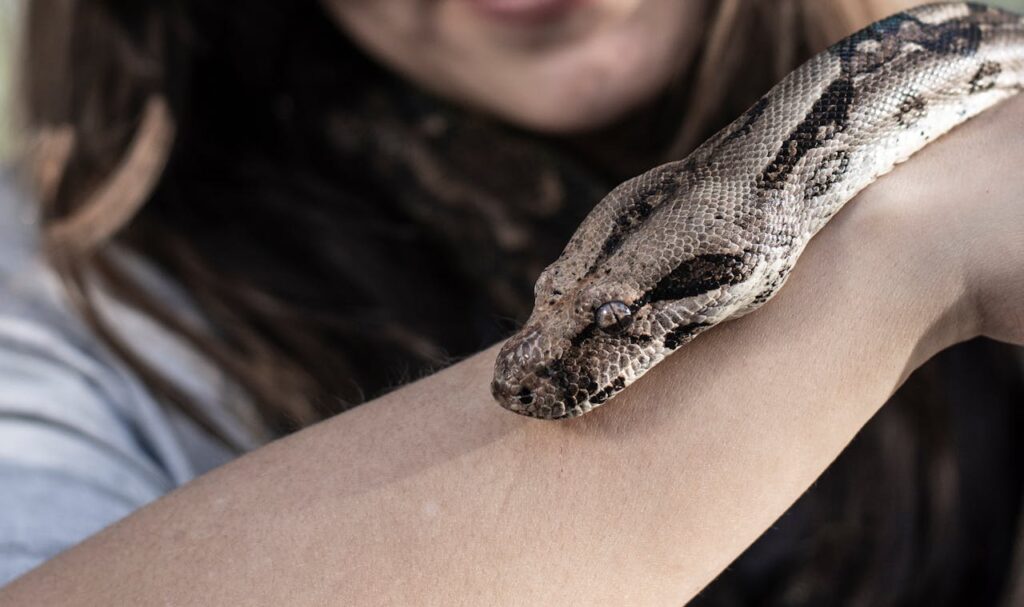
This outdated myth assumes reptiles are better suited for men due to their exotic or “tough” nature. In truth, reptiles make great pets for anyone, regardless of gender. Many women are passionate and knowledgeable reptile keepers, actively contributing to the reptile care community. Breaking these stereotypes helps encourage responsible pet ownership for everyone.
Love Pets as Much as We Do?

Scroll up and click the ‘Follow’ button to stay updated with the latest heart-warming, hilarious, and helpful pet posts from Pawdown, delivered straight to your Microsoft Start feed and MSN homepage!
- Get daily doses of pet cuteness and feel-good stories.
- Learn about unique pet breeds and their quirks.
- Stay updated on seasonal pet care tips and advice.