

Birds are incredibly social animals, and their well-being often depends on meaningful interaction. Some species require a feathered companion to thrive, forming strong bonds that keep them happy and engaged. Others, however, consider their human caregivers as part of their flock, seeking affection and attention directly from you. Understanding your bird’s social needs is key to providing the best care. Here, we explore ten birds that need a companion and five species that form deep bonds with their owners.
1. Lovebirds

Lovebirds are aptly named for their affectionate and social nature. These small, colorful parrots form strong bonds with their partners, often choosing a mate for life. Without a companion, lovebirds can become lonely and develop behavioral problems such as aggression or feather plucking. They thrive in pairs, sharing grooming sessions and playful interactions. To keep your lovebirds happy, provide a spacious cage with perches, toys, and plenty of opportunities to climb. A balanced diet of fresh fruits, vegetables, and high-quality pellets is essential for their well-being.
2. Budgerigars (Budgies)

Budgies are playful and intelligent birds that flourish in the company of others. When kept alone, they may exhibit signs of depression or destructive behavior due to boredom. Housing budgies in pairs or small groups keeps them mentally stimulated and engaged. A large cage with flight space, chewable toys, and perches is essential for their happiness. These birds communicate frequently through cheerful chirps and mimicry, creating a lively atmosphere in your home. Their diet should include seeds, fresh vegetables, and fortified pellets to support their energy levels and vibrant plumage.
3. Cockatiels

Cockatiels are medium-sized parrots with friendly and affectionate personalities. They form deep bonds with their human caregivers but thrive even more when kept in pairs or small groups. Their social nature makes them prone to loneliness if left alone for long periods. A pair of cockatiels will play, groom, and interact, reducing stress and enhancing their quality of life. These birds need a spacious cage equipped with toys and perches to explore, as well as a diet of seeds, fruits, vegetables, and pellets.
4. Finches

Finches are highly social birds that flourish in pairs or small groups. Known for their lively personalities and constant chirping, they create a vibrant and uplifting atmosphere. A single finch can quickly become lonely, stressed, or even sick without companionship. These active birds require a spacious aviary or enclosure with ample flying room to meet their physical and mental needs. Providing perches, toys, and a varied diet of seeds, greens, and occasional fruits is crucial for their well-being.
5. Conures

Conures are colorful, playful parrots that rely heavily on social interaction. Whether it’s a feathered friend or their human caregiver, conures need companionship to thrive. These lively birds are known for their amusing antics and love for vocalizing, often filling a home with their cheerful energy. Keeping them in pairs or small groups helps prevent loneliness and boredom. Conures require a spacious cage with plenty of enrichment items, such as chew toys and climbing structures. Their diet should consist of fresh fruits, vegetables, seeds, and pellets.
6. Doves
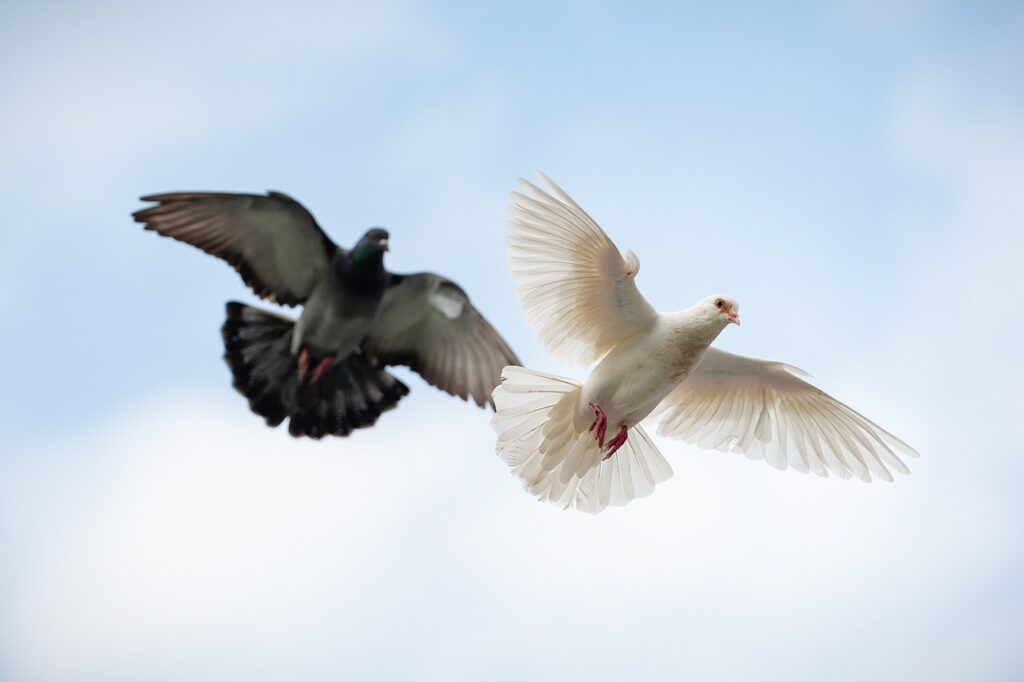
Doves are gentle and serene birds that thrive when housed in pairs. They form strong bonds with their partner, often spending time grooming and sitting close together. A single dove can become withdrawn and lonely, so providing a companion is vital for their emotional health. These calm birds require a spacious cage or aviary with perches, soft nesting material, and a quiet environment. Doves are not particularly demanding but enjoy regular interaction with their owner as well. Their diet includes seeds, grains, and occasional fresh greens.
7. Bourke’s Parakeets

Bourke’s parakeets are peaceful, soft-spoken birds that thrive in pairs or small groups. Their calm demeanor and ability to coexist with other bird species make them ideal for aviaries. A single Bourke’s parakeet may become bored and stressed without a companion to interact with. These birds enjoy flying and exploring, so a spacious cage or aviary with plenty of perches and toys is essential. They are less noisy than other parakeets but still engage in chirping and social interactions. Their diet should include high-quality seeds, fresh fruits, vegetables, and fortified pellets.
8. Pionus Parrots

Pionus parrots are medium-sized birds known for their quiet, laid-back nature. While they can bond with humans, they thrive even more with a feathered companion. These parrots are social but not overly demanding, making them suitable for households where they can interact with another bird. They require a spacious cage filled with toys and perches for climbing and playing. Their diet should include fruits, vegetables, pellets, and occasional seeds. With their gentle temperament and subtle charm, Pionus parrots flourish in a home where companionship and interaction are prioritized.
9. Parrotlets

Parrotlets, though small, are highly intelligent and social birds that benefit greatly from a companion. When kept alone, they can become bored or stressed, leading to behavioral problems. Housing parrotlets in pairs ensures they stay mentally stimulated and engaged. These birds require a spacious cage with toys for climbing, chewing, and playing. Their diet should include fresh fruits, vegetables, seeds, and pellets to support their high energy levels. Parrotlets are affectionate and interactive with both their companions and their owners.
10. Eclectus Parrots

Eclectus parrots are vibrant, intelligent birds with a strong need for social interaction. While they can form close bonds with humans, they do exceptionally well with a feathered companion, especially when their owners cannot provide constant attention. These parrots are gentle and enjoy mutual grooming and play with their partner. They require a large cage equipped with perches, toys, and plenty of climbing opportunities. Eclectus parrots thrive on a fresh diet of fruits, vegetables, and grains, avoiding too many seeds or processed pellets.
11. African Grey Parrot

African Grey Parrots are renowned for their intelligence and ability to mimic sounds and speech, making them one of the most engaging companions for bird enthusiasts. Native to African rainforests, these parrots thrive on mental stimulation and daily interaction. If left ignored, they can become noisy or develop self-destructive behaviors like feather plucking. They require a large cage and plenty of toys to keep them occupied. African Greys view their caregivers as their flock, relying heavily on you for emotional and mental well-being.
12. Hyacinth Macaw
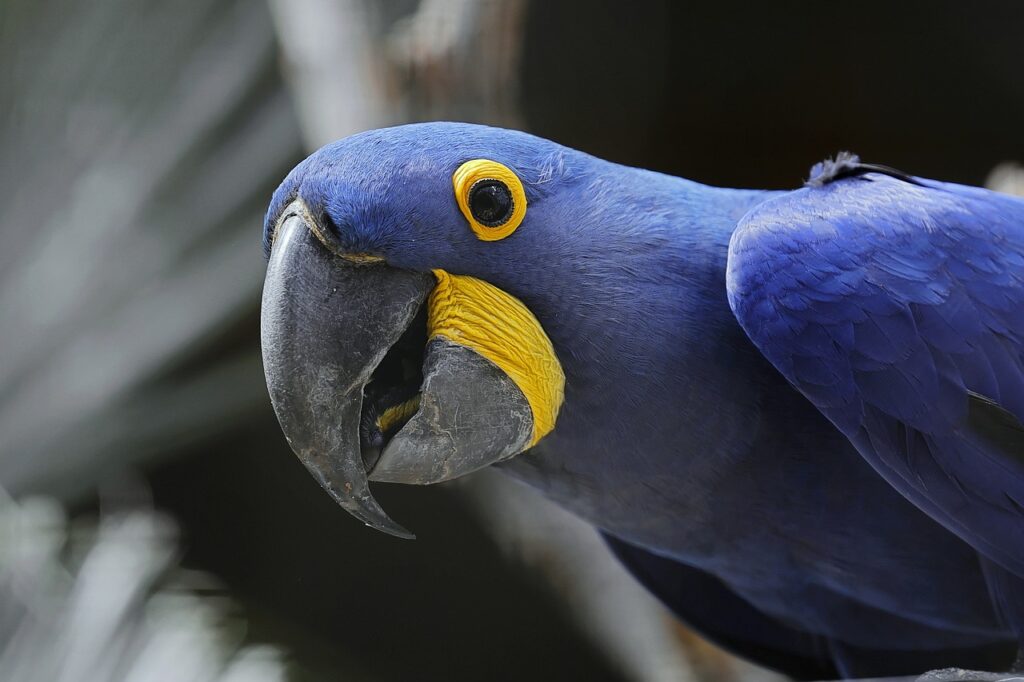
Known as the “gentle giants” of the bird world, Hyacinth Macaws are the largest parrots and are incredibly sociable and affectionate. These majestic birds love to play and cuddle with their owners, often forming a deep emotional bond. Due to their size, they need a spacious living area and plenty of sturdy toys to satisfy their strong beaks. Hyacinth Macaws are best suited for experienced owners who can dedicate time and resources to meeting their physical and social needs. With proper care, they can live for over 60 years.
13. Cockatoos

Cockatoos are known for their affectionate and cuddly nature, making them one of the most human-focused bird species. They thrive on social interaction and often demand attention from their caregivers. Cockatoos bond deeply with their owners and rely on regular engagement to remain happy and healthy. If left alone for too long, they can develop stress-related behaviors, including excessive noise or feather plucking. These birds require a large cage, plenty of toys, and a safe space to explore.
14. Amazon Parrots

Amazon parrots are among the most vibrant and engaging pet birds, known for their ability to mimic sounds and speech. These intelligent birds form strong bonds with their owners. They require daily mental stimulation through training, games, and social time to stay happy and healthy. Amazon parrots are energetic and enjoy climbing, playing with toys, and exploring their surroundings. They can live for several decades, often exceeding 50 years. While their care demands are high, the companionship and entertainment they provide make them a rewarding choice for experienced bird enthusiasts.
15. Quaker Parrots (Monk Parakeets)

Quaker parrots, also known as monk parakeets, are small but highly intelligent and sociable birds that thrive on interaction with their human companions. These parrots are known for their ability to mimic human speech and learn tricks. Quakers form strong bonds with their caregivers and can become distressed if left alone for long periods. They require a spacious cage with plenty of toys and puzzles to keep them mentally stimulated. With a lifespan of 20 to 30 years, Quaker parrots are an excellent choice for owners looking for an affectionate, playful, and loyal feathered friend.
Love Pets as Much as We Do?

Scroll up and click the ‘Follow’ button to stay updated with the latest heartwarming, hilarious, and helpful pet posts from Pawdown, delivered straight to your Microsoft Start feed and MSN homepage!