
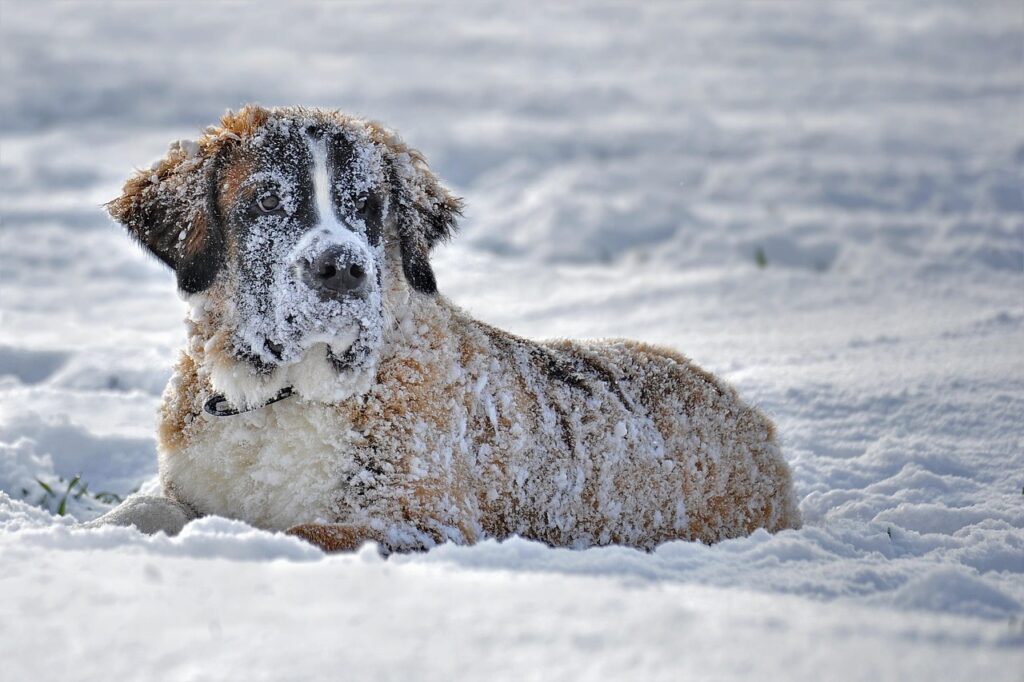
Choosing the right pet goes beyond personal preference—it requires considering your living environment. If you live in a cold climate, some animals are not suited for freezing temperatures, even if they remain indoors most of the time. Cold weather can affect their health, activity levels, and overall happiness. It’s not just about comfort; some pets can suffer severe health consequences if their needs are not met in such environments. Let’s explore ten pets that may struggle to adapt to cold environments, helping you make informed decisions that align with your region’s weather and your potential pet’s needs.
1. Tropical Fish
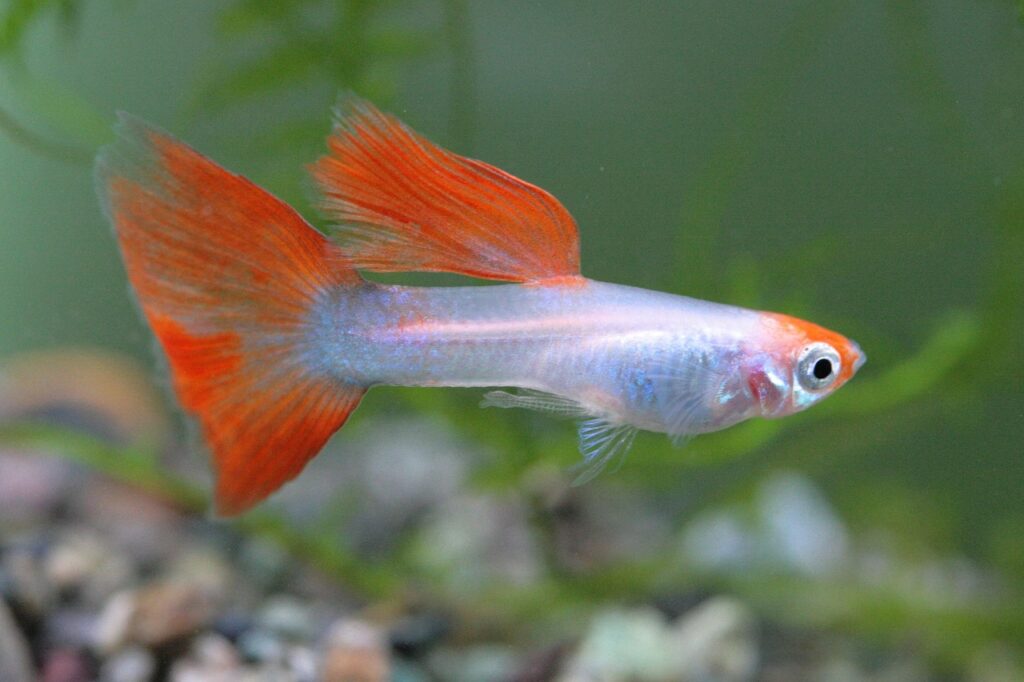
Tropical fish, like guppies or angelfish, thrive in warm water environments that mimic their natural tropical habitats. Cold temperatures can cause severe stress and weaken their immune systems, making them prone to illnesses like ich. Maintaining an aquarium at the proper temperature in a cold climate can be challenging, as heaters must work overtime to counteract the ambient cold. Even brief power outages during a winter storm could lead to deadly temperature drops. Additionally, temperature fluctuations can disrupt their feeding and breeding behaviors, making these colorful pets a less-than-ideal choice for cold regions.
2. Green Iguanas
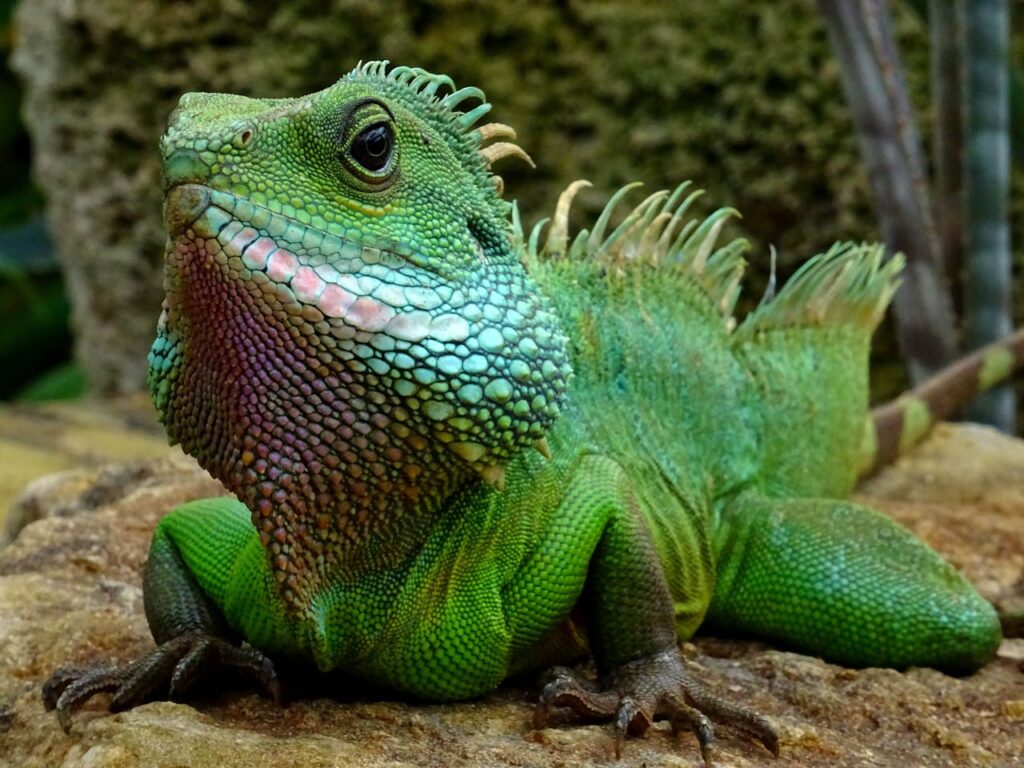
Green iguanas are cold-blooded reptiles that rely on external heat sources to regulate their body temperature. They require basking areas of 95°F or higher, which can be difficult to maintain consistently in a cold climate. Exposure to chilly conditions can lead to lethargy, digestion issues, and even life-threatening illnesses like metabolic bone disease. Their enclosures must be equipped with heating lamps, UVB lighting, and insulated walls to retain warmth, which can become costly and energy-intensive. Even if kept indoors, the extra heating needs and potential for accidental exposure to drafts make green iguanas unsuitable pets for colder areas.
3. Sugar Gliders

Sugar gliders are small, nocturnal marsupials native to Australia’s warmer climates. Their thin fur and small size make them highly susceptible to the cold. Even with a well-insulated cage, they may struggle in a drafty or poorly heated home. Consistently maintaining a warm environment for them, particularly during harsh winters, requires significant effort. The need for heat lamps or thermal pouches adds to the complexity of their care. Additionally, the stress of adapting to fluctuating temperatures can negatively impact their health and behavior, leading to reduced activity and potential health issues over time.
4. Hairless Cats

Hairless cat breeds like the Sphynx lack the insulating fur that other cats rely on to stay warm. These cats are sensitive to temperature changes and require a consistently warm indoor environment. In cold climates, they’re prone to chilling quickly, which can lead to respiratory issues and discomfort. Owners must invest in heating solutions, warm clothing, and extra bedding to keep them comfortable. Even with precautions, they may require closer monitoring for signs of cold-related stress or illness, making them a high-maintenance choice for colder areas.
5. Hermit Crabs
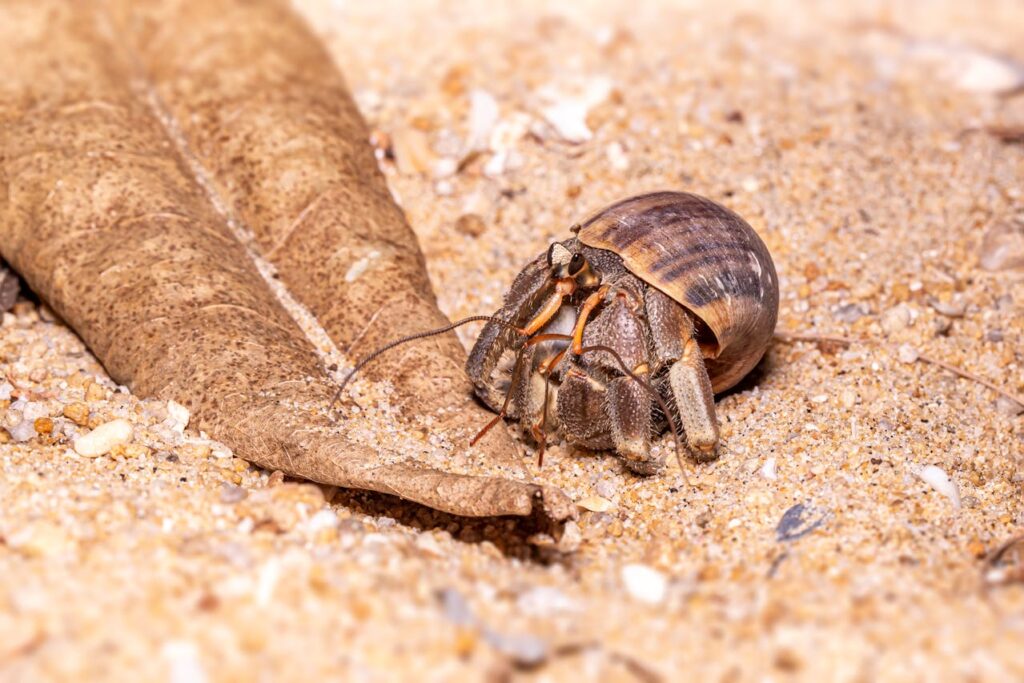
Hermit crabs are tropical creatures that need warm, humid conditions to thrive. Cold climates pose significant challenges to maintaining their habitat at the ideal temperature and humidity levels. Even slight drops in temperature can cause stress and illness, ultimately shortening their lifespan. Creating and sustaining an environment that mimics their natural habitat can be both costly and labor-intensive in cold weather. Additional heating and humidifying equipment are necessary to ensure their survival, and frequent monitoring of conditions is required to avoid potential health issues.
6. Parrots
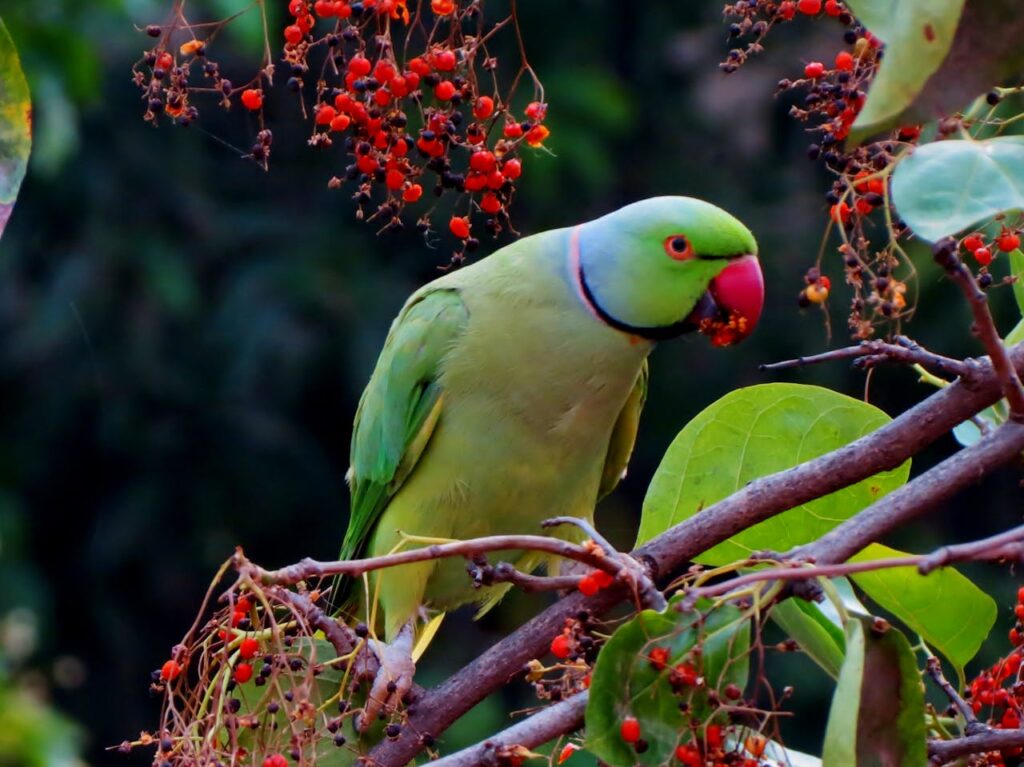
Parrots are native to warm, tropical regions and are highly sensitive to cold. They need a consistently warm living space, as exposure to cold air can weaken their immune systems and make them susceptible to respiratory infections. While they can live indoors, keeping their environment warm during harsh winters can be challenging, particularly if your home’s heating is inconsistent. Additionally, their need for fresh air and proper ventilation may conflict with efforts to maintain warmth, adding to the complexity of their care in cold climates.
7. Bearded Dragons

Like iguanas, bearded dragons are cold-blooded and require heat to regulate their body temperature. These reptiles need basking areas of 100°F and a carefully maintained temperature gradient within their enclosure. Maintaining these conditions in a cold climate can be energy-intensive and costly. Any exposure to cold air or a power outage during winter could have severe consequences for their health, leading to issues such as respiratory infections or poor digestion. The financial and logistical demands make them a risky pet for colder regions.
8. Exotic Frogs

Exotic frogs, such as tree frogs and dart frogs, originate from humid, warm climates. They require specific temperature and humidity levels that are difficult to replicate in cold environments. Drops in temperature can lead to lethargy, dehydration, and weakened immune systems, making them more susceptible to diseases. Setting up and maintaining a suitable habitat is a significant challenge in cold climates, requiring specialized equipment like heat lamps and misting systems, as well as constant monitoring to ensure stability.
9. Tropical Snakes

Snakes like ball pythons and boas are ectothermic animals that rely on their environment to regulate body heat. Cold climates demand consistent and efficient heating to keep their enclosures at optimal temperatures. Any failure to maintain the proper conditions can lead to respiratory infections, poor digestion, and other health issues. The energy costs and risks involved in keeping tropical snakes in a cold region make them a less practical option. Ensuring reliable heat sources during winter storms or power outages adds another layer of difficulty.
10. Small Rodents
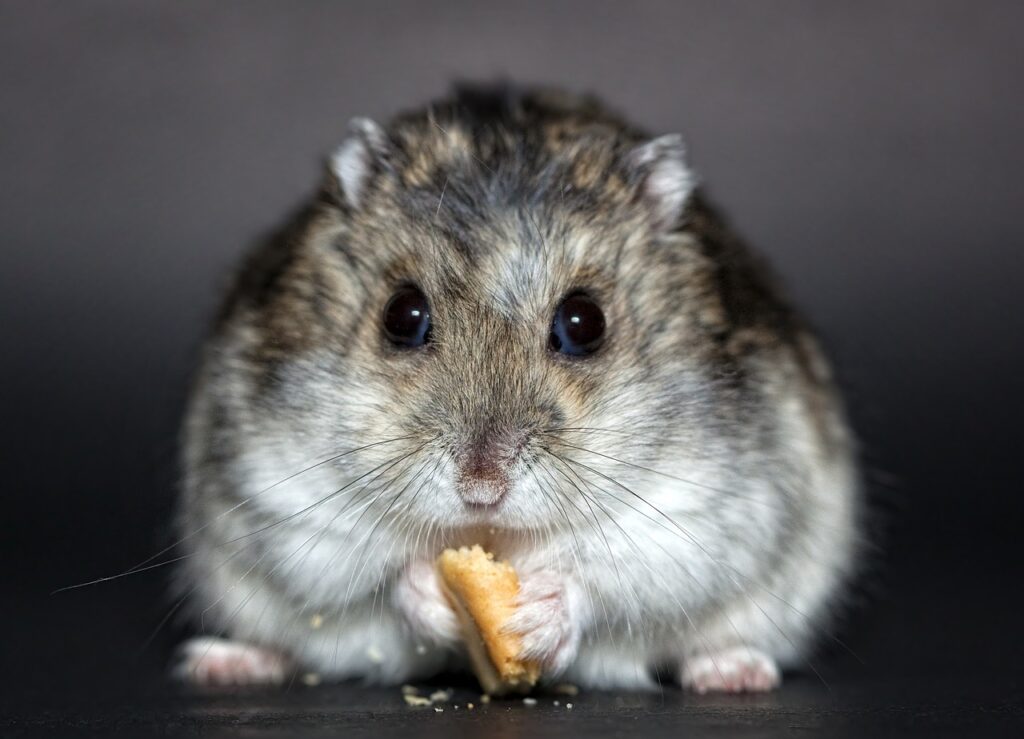
Rodents such as mice and hamsters may seem like hardy pets, but some species are highly sensitive to cold. Sudden temperature drops can cause hypothermia, respiratory infections, and stress. While they can live indoors, homes in cold climates may have uneven heating, leading to chilly areas that could harm these small animals. Providing adequate warmth and consistent care during winter can be more challenging than it appears. Heated pads or insulated enclosures may help but require constant supervision and adjustment.
Love Pets as Much as We Do?

Scroll up and click the ‘Follow’ button to stay updated with the latest heartwarming, hilarious, and helpful pet posts from Pawdown, delivered straight to your Microsoft Start feed and MSN homepage!