
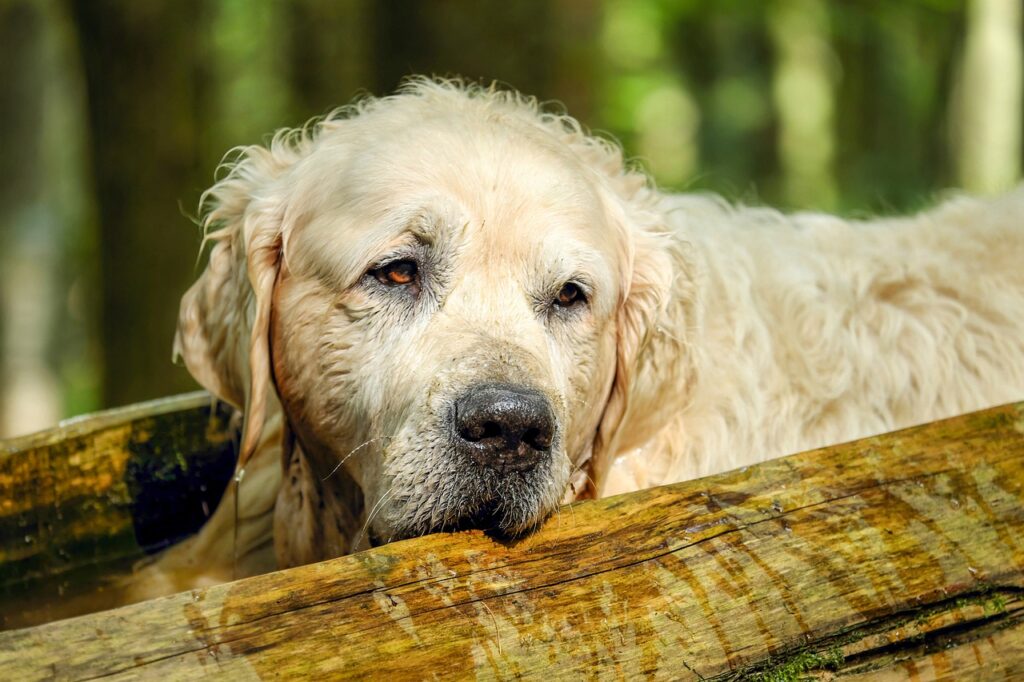
Watching your dog grow older is a bittersweet journey. The once boundless energy may slow, the playful puppy antics may fade, but in their place comes a deeper bond, a quiet wisdom, and a love that only grows stronger with time. Aging is inevitable, but how your dog ages is something you can influence. By recognizing the signs of growing older and making thoughtful adjustments, you can ensure their golden years are filled with comfort, joy, and unwavering companionship.
1. Graying Fur

A graying muzzle may make your dog look more distinguished, but it’s also a sign of aging at a cellular level. While genetics largely determine when graying starts, oxidative stress can accelerate the process. Some dogs gray early due to chronic stress, while others keep their youthful color for years. While you can’t stop graying, feeding them antioxidants like blueberries and carrots helps slow cell damage. Regular grooming keeps their coat healthy, reducing dryness and brittleness.
2. Decreased Activity Level

If your once playful dog now prefers naps over playtime, aging joints and muscle loss could be to blame. Arthritis, decreased stamina, or even cognitive decline can cause them to slow down. However, sudden lethargy may also signal underlying health issues like heart disease or hypothyroidism. To keep them active, encourage gentle walks, consider hydrotherapy, and add joint-support supplements like glucosamine to their diet to maintain mobility and comfort.
3. Weight Changes
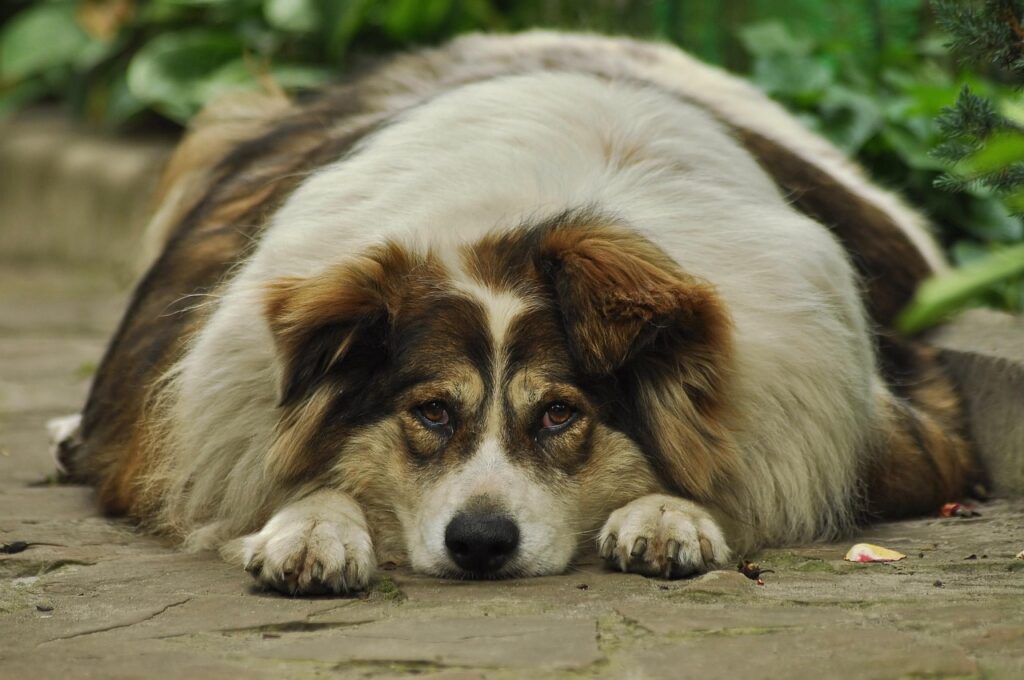
Senior dogs often experience weight fluctuations due to slower metabolism, hormonal changes, or underlying health conditions. Weight gain increases the risk of arthritis, while unexplained weight loss could indicate kidney disease, diabetes, or dental pain affecting their appetite. Feeding a balanced senior diet with controlled calories and high-quality protein supports muscle mass while preventing obesity. Regular vet checkups help monitor their weight and detect any hidden medical issues.
4. Increased Sleep

Senior dogs naturally sleep more due to lower energy levels, but excessive sleepiness could indicate pain, cognitive dysfunction, or an undiagnosed illness. If your dog struggles to wake up, loses interest in activities, or sleeps at odd hours, it might be time for a vet visit. Keeping their sleeping area comfortable with orthopedic bedding and maintaining a consistent daily routine helps regulate their rest. Light exercise and mental stimulation also prevent them from becoming overly sedentary.
5. Joint Stiffness or Mobility Issues

Stiffness, difficulty standing, or reluctance to climb stairs often signal arthritis or degenerative joint disease in aging dogs. Cold weather and inactivity can make symptoms worse, leading to discomfort and reduced mobility. Low-impact exercises like swimming and gentle stretching help maintain flexibility, while orthopedic beds and non-slip flooring reduce strain on their joints. Supplements like glucosamine, fish oil, and turmeric can also support joint health and ease inflammation.
6. Vision Changes

Aging dogs often develop cloudy eyes due to lenticular sclerosis, a normal part of getting older, or cataracts, which can impair vision. You may notice them bumping into furniture or hesitating in dim lighting. While some vision loss is inevitable, regular vet checkups can detect treatable conditions like glaucoma. Keeping pathways clear, using verbal cues, and providing nightlights in dark areas help them navigate more easily. Eye-friendly foods rich in vitamin A, like carrots and sweet potatoes, support long-term eye health.
7. Hearing Loss

Dogs with age-related hearing loss may stop responding to their name, flinch when startled, or sleep more deeply. This can happen gradually as nerve function declines. While hearing can’t always be restored, training them to recognize hand signals and using vibrations or flashing lights instead of verbal commands can help them adjust. Keeping their ears clean prevents infections that could worsen hearing loss. Sticking to familiar routines and avoiding sudden changes also keeps them feeling secure.
8. Dental Issues
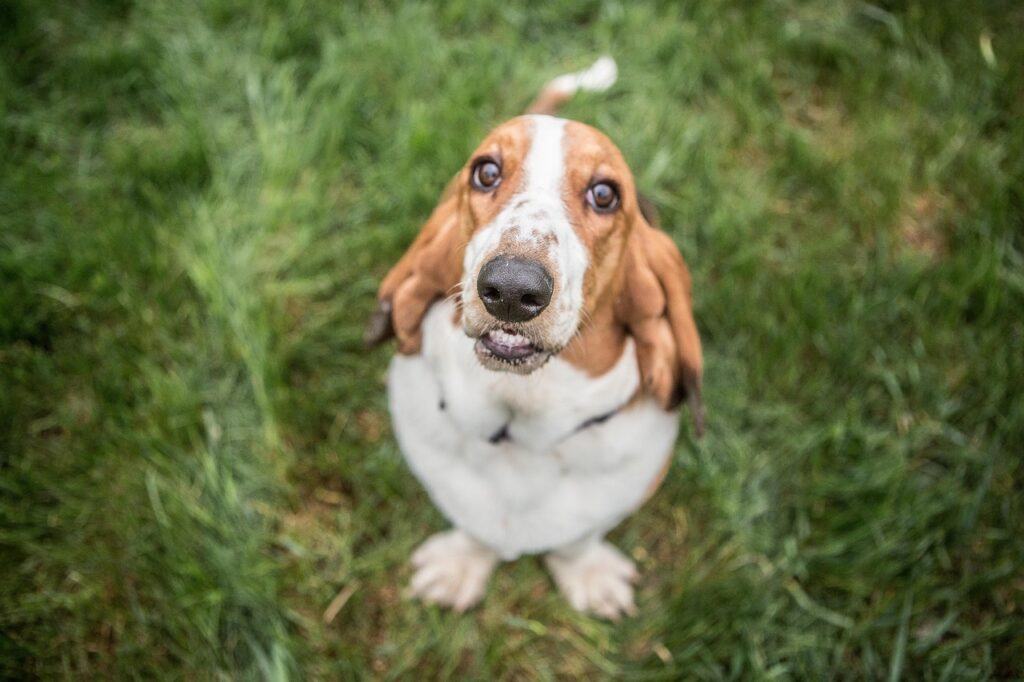
Dental disease is a major issue in aging dogs, often leading to pain, infections, and difficulty eating. Tartar buildup can cause gum inflammation, tooth loss, and even affect major organs if bacteria enter the bloodstream. Regular brushing, dental chews, and professional cleanings help prevent problems. If your dog suddenly refuses hard food, drools excessively, or has foul breath, a vet visit is crucial. Switching to softer foods and providing chew toys designed for dental health keeps their mouth in better shape.
9. Behavioral Changes

Cognitive decline, similar to dementia in humans, can cause confusion, restlessness, and changes in temperament. Dogs may forget familiar routines, get stuck in corners, or bark at nothing. This condition, known as canine cognitive dysfunction, is progressive but manageable with early intervention. Keeping them mentally active with puzzles, interactive toys, and new experiences helps slow cognitive decline. Adding omega-3 fatty acids and antioxidants to their diet may also support brain health.
10. Changes In Bathroom Habits

If your well-trained dog suddenly has accidents indoors, it may not just be forgetfulness—urinary incontinence, kidney disease, or cognitive dysfunction could be factors. Hormonal changes and weakened bladder control are common in senior dogs. Frequent bathroom breaks, absorbent bedding, and easy-access potty areas help manage this issue. Veterinary checkups are important, as some incontinence issues can be treated with medication. Ensuring they stay hydrated and maintain a fiber-rich diet also supports bladder and bowel health.
11. Regular Veterinary Check-Ups

Routine vet visits become even more crucial as dogs age since early detection of health issues can significantly improve their quality of life. Blood tests, dental exams, and mobility assessments help identify potential concerns before they become serious. A proactive approach includes biannual checkups, vaccinations, and screenings for common senior dog conditions like arthritis, heart disease, and kidney problems. Keeping an open line of communication with your vet ensures your dog receives the best possible care.
12. Balanced Diet

Nutritional needs change with age, and feeding a high-quality senior dog diet helps support their immune system, joints, and digestion. Protein intake should remain adequate to preserve muscle mass, while excess fats and calories should be controlled to prevent obesity. Ingredients like fish oil support brain function, while fiber promotes gut health. Hydration is equally important, as older dogs are more prone to kidney issues. A well-balanced diet tailored to their needs keeps them feeling their best in their golden years.
13. Regular Exercise
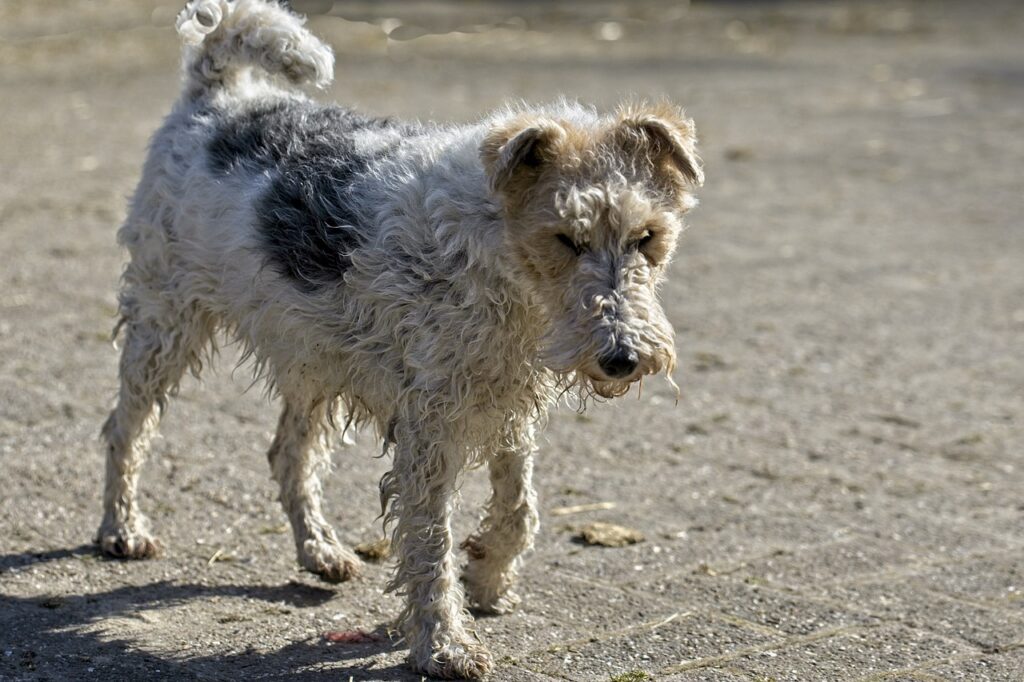
Staying active prevents muscle loss, weight gain, and joint stiffness, but the intensity of exercise should be adjusted for aging dogs. Gentle walks, swimming, and controlled play sessions help keep them mobile without straining their joints. Mental stimulation is just as important—scent games, puzzle feeders, and short training sessions engage their minds and prevent cognitive decline. Keeping a consistent exercise routine tailored to their abilities ensures they stay healthy and happy as they age.
14. Comfortable Living Environment

Aging dogs need a home environment that accommodates their changing needs. Orthopedic beds reduce pressure on sore joints, while ramps help them navigate furniture and stairs with ease. Non-slip flooring prevents accidents, and a stable routine minimizes anxiety. Adjusting their living space to be more accessible ensures they remain comfortable and independent. Keeping them close to family and providing a calm, loving atmosphere helps them feel safe and secure in their later years.
15. Mental Stimulation

Cognitive decline is a real concern in senior dogs, but keeping their minds engaged helps slow the process. Training sessions, puzzle toys, and scent games encourage problem-solving and keep them mentally sharp. Social interaction, whether through walks, playdates, or bonding time with family, also keeps them emotionally fulfilled. Adding brain-boosting foods like salmon and blueberries to their diet further supports cognitive function. A mentally engaged dog remains happy, confident, and connected to their loved ones.
Love Pets as Much as We Do?

Scroll up and click the ‘Follow’ button to stay updated with the latest heartwarming, hilarious, and helpful pet posts from Pawdown, delivered straight to your Microsoft Start feed and MSN homepage!