
Dogs communicate their emotions in many ways, and as a loving owner, recognizing these signals can help you ensure your furry friend’s happiness. Understanding the signs of a joyful dog and knowing when something might be wrong strengthens your bond and allows for timely intervention when needed. By learning to interpret their cues, you’ll gain valuable insights into their emotional state. Here are 10 signs that your dog is truly happy, along with 5 indications that they might be feeling down. Together, these tips can help you build a stronger, more joyful connection.
1. Relaxed Body Language

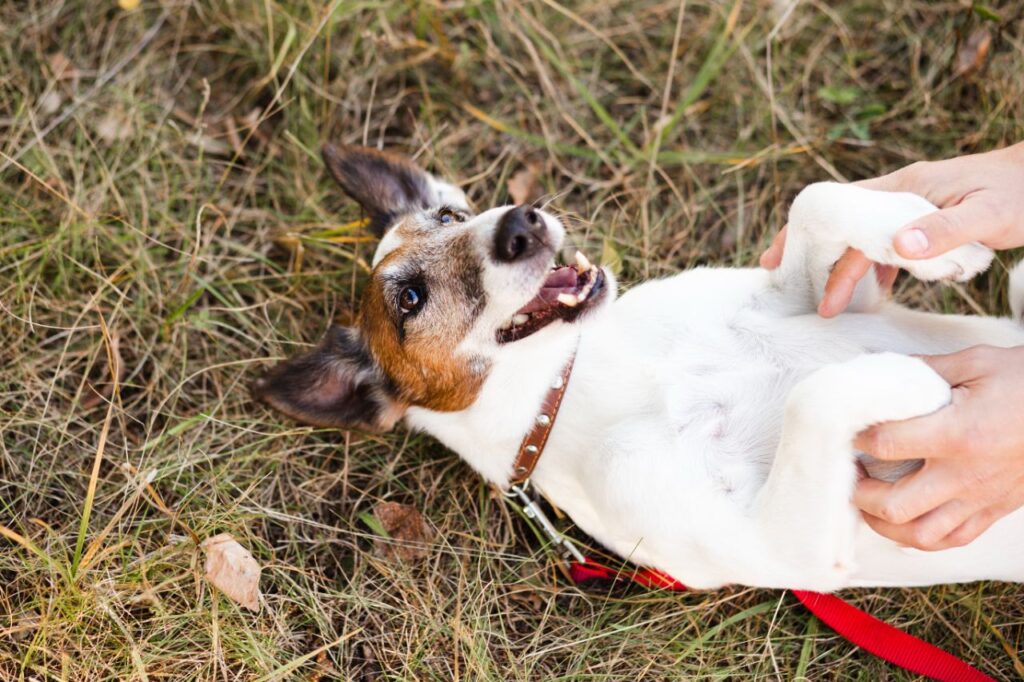
A happy dog often has a soft, relaxed posture. Their tail may wag gently, their ears will be in a natural position, and their body will appear loose rather than stiff. If they’re lying down, you might notice them exposing their belly—a sign of trust and comfort. Additionally, a relaxed dog may stretch or yawn, which can indicate they’re at ease in their environment. Observing these cues helps you gauge their comfort level, especially during interactions or in new settings. These behaviors reflect their sense of security and contentment.
2. Bright, Engaged Eyes

Happy dogs tend to have bright, expressive eyes. They make eye contact without staring aggressively and may give you the classic “puppy dog” eyes when seeking attention. Their eyes convey their curiosity and affection, often widening slightly when they’re excited or interested in something. When your dog looks at you with a soft, relaxed gaze, it’s a clear indication that they feel safe and happy. Regularly observing their eye behavior can help you detect subtle changes in mood or well-being. Healthy, engaged eyes are a vital sign of your dog’s emotional and physical health.
3. Enthusiastic Tail Wagging

While tail wagging can have different meanings, a joyful dog will wag their tail in a relaxed, wide arc. This type of wagging often comes with an overall relaxed demeanor and is typically accompanied by other positive body language. The speed and direction of the wag can also provide clues; a slow, sweeping wag often signals contentment, while a faster wag can indicate excitement. Paying attention to the context of tail wagging helps you interpret your dog’s emotions more accurately. Tail wagging, when paired with other cues, offers valuable insights into their happiness.
4. Playfulness

Happiness often manifests as a willingness to play. Your dog may initiate games of fetch, tug-of-war, or play bow (a posture where they lower their front legs and keep their rear up). This playful behavior indicates they’re content and feel secure. Dogs may also bring you toys or gently nudge you to signal their readiness for playtime. Engaging in regular play not only strengthens your bond but also provides mental and physical stimulation, further enhancing your dog’s happiness. Play is a universal language of joy for dogs, reflecting their emotional and physical well-being.
5. Healthy Appetite

A happy dog is generally eager to eat and enjoys mealtime. They’ll show excitement when you prepare their food or offer treats. A sudden change in appetite can sometimes indicate sadness or health issues, so a consistent, enthusiastic eater is a positive sign. Additionally, a happy dog often eats at a relaxed pace, savoring their meals without signs of stress or anxiety. Monitoring your dog’s eating habits helps you identify any shifts that might require attention or a visit to the vet. A healthy appetite reflects both physical wellness and emotional stability.
6. Contented Vocalizations
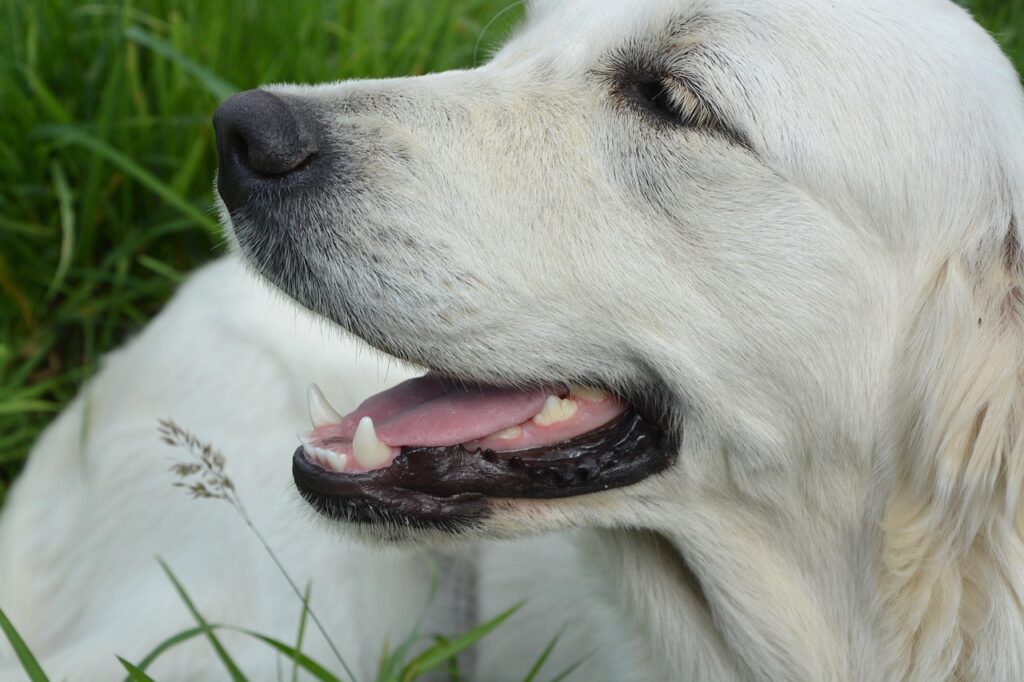
Happy dogs may express themselves through soft barks, whines, or even sighs of contentment. These sounds are usually light-hearted and indicate they’re comfortable in their environment. For example, a gentle “woo-woo” sound might signify excitement or joy, while a satisfied groan when lying down shows relaxation. Understanding your dog’s vocal patterns allows you to distinguish between positive expressions and sounds that may indicate distress or discomfort. Their vocal cues, when observed carefully, provide a deeper understanding of their emotional state and happiness.
7. Leaning Or Nuzzling

Physical affection, such as leaning against you, nuzzling, or gently pawing at you, is a sign your dog feels happy and connected. They’re seeking closeness and enjoy your company. These affectionate gestures also reinforce the bond between you and your dog, providing them with a sense of security. Dogs may also nuzzle or rest their head on you as a way of showing trust and affection, especially after spending time apart or during moments of relaxation. These moments of physical connection are heartfelt indicators of your dog’s joy and trust.
8. Restful Sleep

A well-rested dog is often a happy one. If your dog sleeps peacefully and comfortably in their favorite spots, it’s a good indication they feel safe and secure. Happy dogs typically sleep in relaxed positions, such as on their side or back, which exposes their vulnerable areas. Observing your dog’s sleep patterns and ensuring they have a quiet, comfortable space to rest contributes to their overall happiness and well-being. Regular, restful sleep is a cornerstone of a dog’s physical health and emotional contentment.
9. Confidence In New Situations

A happy dog approaches new experiences with curiosity and confidence. While they may still be cautious, they’ll show interest rather than fear when encountering new people, pets, or environments. Confident dogs are more likely to explore their surroundings and engage positively with others. Helping your dog build confidence through gradual exposure to new situations and positive reinforcement can further enhance their happiness and adaptability. Confidence in new settings showcases their sense of security and emotional balance.
10. Overall Health And Grooming

A healthy coat, bright eyes, and a general spring in their step are signs of a happy dog. When dogs feel good emotionally, it often reflects in their physical condition. They may also engage in self-grooming as a sign of comfort. Regular grooming sessions with your dog not only maintain their physical health but also provide an opportunity to strengthen your bond and assess their overall well-being. Physical vitality and grooming habits are reliable indicators of your dog’s happiness and care.
11. Withdrawn Behavior

If your dog is avoiding interaction or seems less interested in activities they usually enjoy, it could be a sign of sadness or depression. Pay attention to their willingness to engage with you and their surroundings. A once-active dog becoming lethargic or distant may indicate they’re experiencing emotional distress. Providing comfort, reassurance, and addressing potential triggers can help them regain their sense of joy and connection. Recognizing and responding to withdrawal is crucial for supporting their emotional recovery.
12. Loss Of Appetite

A sudden disinterest in food or treats is often a red flag. While it may indicate sadness, it’s important to rule out underlying health issues with your veterinarian. Dogs experiencing emotional distress may eat less or skip meals altogether. Monitoring their eating habits and offering tempting, nutritious options can help encourage them to eat. If the issue persists, seeking professional advice ensures their physical and emotional health is addressed. Appetite changes often reflect underlying issues requiring attention and care.
13. Excessive Sleeping Or Restlessness

While dogs need plenty of sleep, a marked increase in sleeping or appearing restless and unable to settle can indicate emotional distress. Monitor changes in their sleep patterns. A sad dog might seem unusually lethargic or, conversely, struggle to relax and pace around the house. Understanding their typical sleep habits and providing a comforting environment can help alleviate signs of sadness or anxiety. Sleep disturbances are often a window into their emotional and physical well-being.
14. Changes In Body Language

A sad dog may display body language such as tucked tails, flattened ears, or a hunched posture. They may also avoid eye contact or appear generally lethargic. These physical cues often accompany other behavioral changes, signaling their discomfort or sadness. Observing and responding to these signs with patience and care helps your dog feel supported and understood, promoting their emotional recovery. Physical expressions often convey what words cannot, emphasizing the importance of observation.
15. Increased Whining Or Howling

Sadness can manifest through vocalizations like excessive whining, howling, or barking. These sounds often indicate they’re seeking comfort or expressing discomfort. Addressing the underlying cause, whether it’s separation anxiety, boredom, or a change in routine, can help reduce these behaviors. Offering extra attention and reassurance during these times ensures your dog feels valued and cared for. Vocal signals, when interpreted compassionately, guide you in providing the support they need.
Love Pets as Much as We Do?

Scroll up and click the ‘Follow’ button to stay updated with the latest heartwarming, hilarious, and helpful pet posts from Pawdown, delivered straight to your Microsoft Start feed and MSN homepage!