

Dogs are wonderful companions, but sometimes their reactions to everyday situations can be over the top. While a certain level of excitement or caution is normal, excessive reactions might indicate underlying stress, anxiety, or behavioral issues. According to a study published in Animals, dogs with heightened sensitivity to stimuli often display increased anxiety-related behaviors. If your furry friend seems to be overreacting too frequently, here are 10 signs to look out for and ways to help them stay calm.
1. Excessive Barking at Small Noises
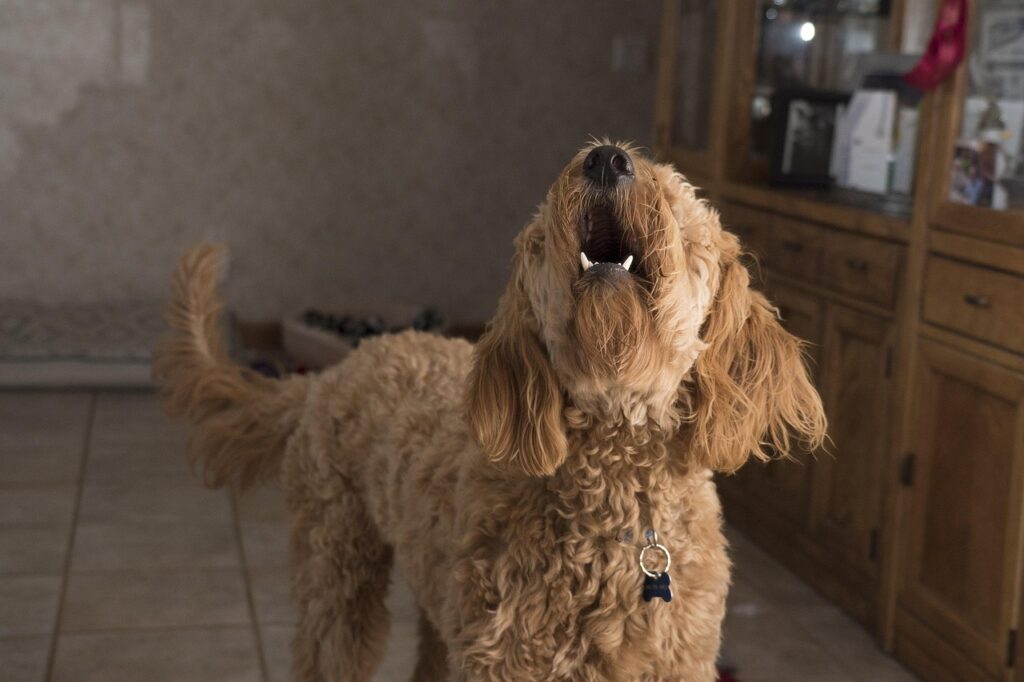
A dog that barks at every little sound—from the doorbell to a car passing by—might be struggling with heightened alertness. While barking is a natural way for dogs to communicate, nonstop barking over minor noises could mean they’re overly anxious or feeling insecure. This behavior is common in breeds with high-guarding instincts but can become disruptive if not managed properly. To help, try desensitization techniques by gradually exposing your dog to the noises in a controlled setting. Reward them when they remain calm, reinforcing that not every sound is a cause for alarm. Creating a quiet, safe space in the home can also reduce their stress levels.
2. Jumping on People Excessively

Some dogs greet people with so much enthusiasm that they can’t seem to keep all four paws on the ground. While an excited greeting is sweet, constant jumping can be a sign of overstimulation and a lack of impulse control. This behavior is especially common in younger dogs who haven’t yet learned how to manage their excitement. To address this, teach your dog an alternative greeting, like sitting when someone arrives. Ignoring them when they jump and rewarding calm behavior can help them learn that staying grounded earns attention and affection.
3. Growling or Snapping Over Minor Frustrations

Dogs that growl or snap over small things—such as being touched unexpectedly or having a toy taken away—might be struggling with impulse control or fear-based reactions. While growling is a normal way for dogs to communicate discomfort, excessive reactions suggest underlying tension or past negative experiences. Help your dog by building positive associations with touch and shared items. Use gentle training to gradually get them comfortable with situations that usually trigger their overreactions, rewarding calm behavior with treats and praise.
4. Overreacting to Other Dogs on Walks
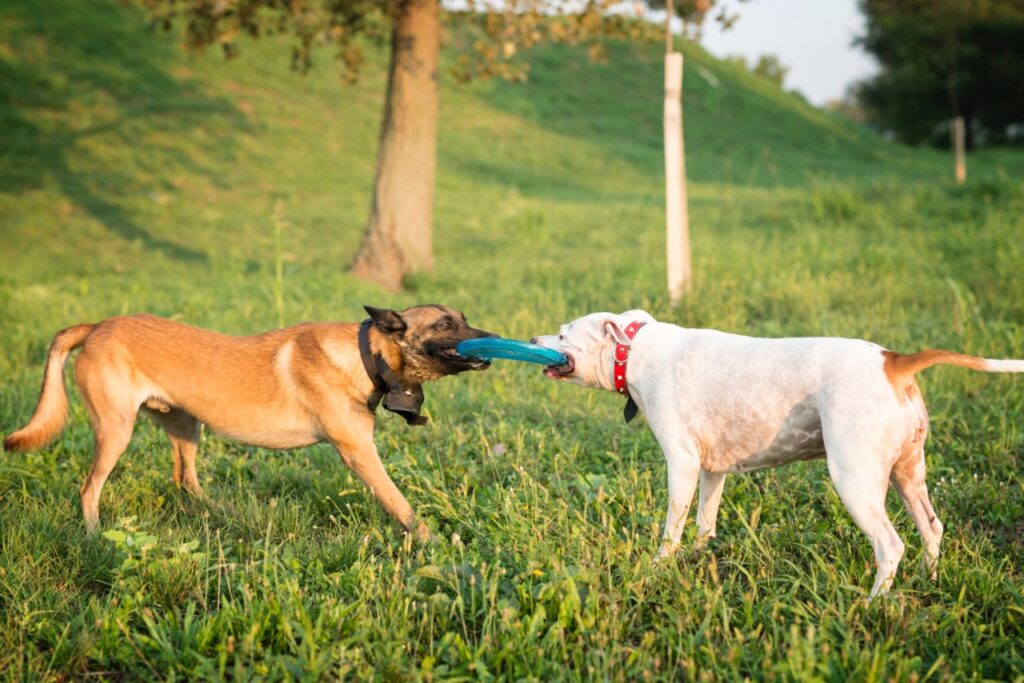
If your dog lunges, barks, or gets overly tense when spotting another dog on a walk, they may be experiencing leash reactivity. This reaction often stems from excitement, frustration, or even past negative encounters with other dogs. To reduce this behavior, work on controlled socialization. Use distance-based training, rewarding calm behavior when your dog notices another dog but remains relaxed. Gradually decrease the distance while maintaining their composure.
5. Hiding or Trembling in New Situations

Dogs that immediately retreat, tremble, or refuse to move in new environments may be feeling overwhelmed. This could be due to a lack of socialization or a naturally timid personality. While some caution is normal, extreme reactions suggest deeper fear or anxiety. Helping your dog feel safe starts with slow exposure. Introduce new experiences at their pace, ensuring they have a positive association with unfamiliar places and people. Comforting them without reinforcing fear and using treats to encourage exploration can make a big difference.
6. Overreacting to Moving Objects

Some dogs have a strong chase instinct and become overly fixated on moving objects like bicycles, cars, or squirrels. While this is partly due to natural prey drive, excessive reactions can be dangerous if not managed. Training impulse control is key. Teach commands like “leave it” or “watch me” to redirect their focus before they get overstimulated. Using a structured walking route with minimal distractions initially can help reinforce calmer behavior. Over time, practice in more stimulating environments, gradually increasing their ability to stay focused.
7. Hyperactive Zoomies at Inappropriate Times

While the occasional zoomies (sudden bursts of energy) are completely normal, a dog that frequently goes into overdrive in stressful or inappropriate situations might be struggling to self-regulate their emotions. Ensuring they get enough daily exercise and mental enrichment can help balance their energy levels. Additionally, practicing calmness training, like rewarding relaxed behavior, can teach them how to settle down when needed. Try engaging in structured play sessions earlier in the day to help them release energy in a controlled manner. Creating a calming routine before bedtime, such as gentle petting or soothing music, can also minimize late-night zoomies.
8. Overreacting to Being Left Alone

If your dog panics every time you leave the house, displaying destructive behaviors, excessive barking, or even self-harm, they may be experiencing separation anxiety. Gradual desensitization to alone time is key. Start with short departures, slowly increasing the time apart while reinforcing calm behavior. Providing engaging toys, calming music, or even a pet camera with interactive features can ease their anxiety. Establishing a predictable routine before leaving can also create a sense of security, making goodbyes less stressful for your dog.
9. Excessive Pulling on the Leash
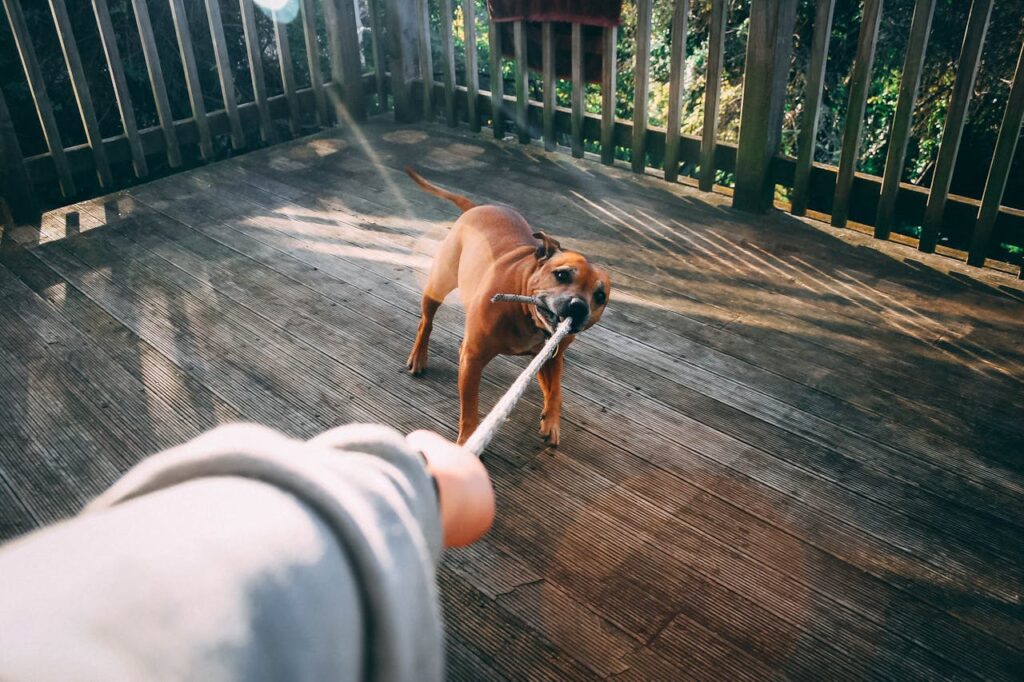
A dog that constantly pulls on the leash, lunges forward or becomes hyper-focused on moving ahead may be too overstimulated by their surroundings. This can make walks stressful rather than enjoyable. Teaching leash manners through positive reinforcement and using a no-pull harness can help redirect their focus. Practicing structured walks with frequent breaks for reinforcement can encourage a more relaxed walking style. Additionally, incorporating short training sessions during walks—such as stopping to sit or making frequent turns—can keep them engaged and reduce excessive pulling.
10. Ignoring Commands When Excited
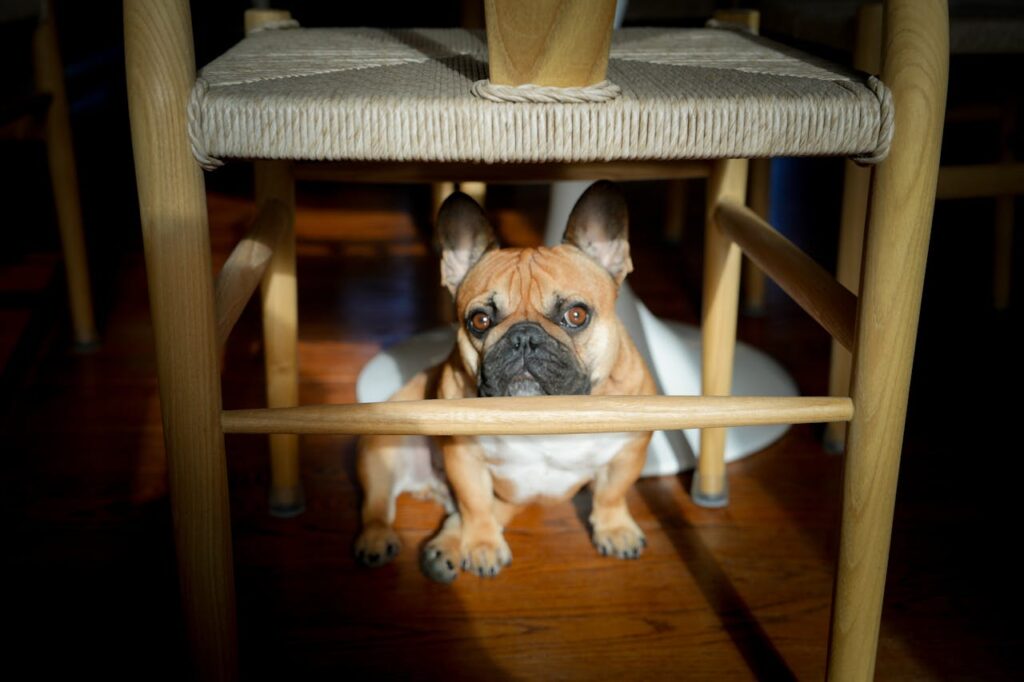
If your dog becomes so excited that they completely tune you out, they might be struggling with impulse control. Whether it’s not coming when called or refusing to sit when distracted, this behavior indicates difficulty in processing commands under stimulation. To help, work on training in controlled environments before gradually introducing distractions. Reinforce obedience using high-value treats and praise, ensuring they understand that listening leads to positive rewards. Short, consistent training sessions throughout the day can reinforce responsiveness and improve their ability to follow commands even in exciting situations.
Love Pets as Much as We Do?

Scroll up and click the ‘Follow’ button to stay updated with the latest heart-warming, hilarious, and helpful pet posts from Pawdown, delivered straight to your Microsoft Start feed and MSN homepage!