
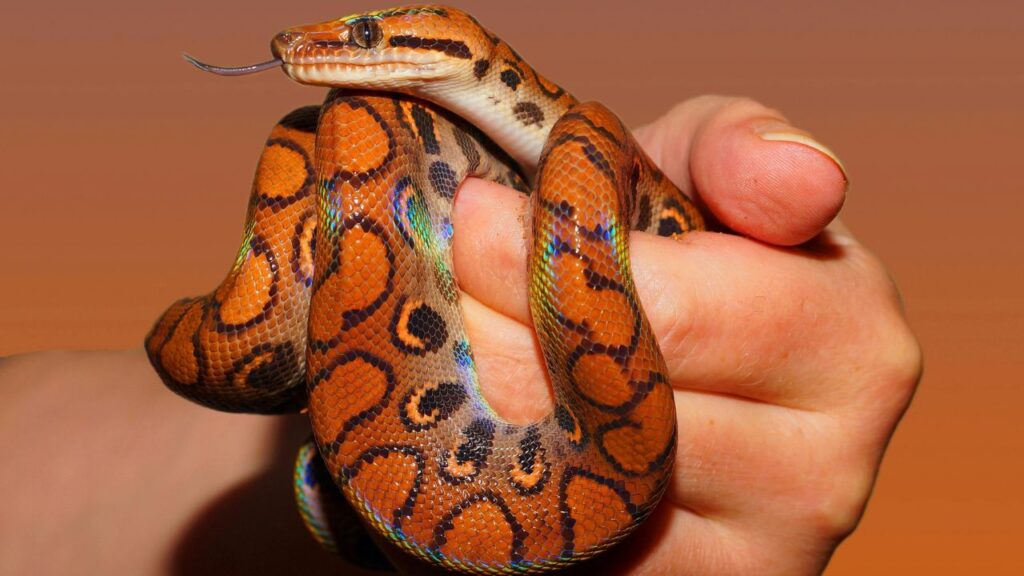
Snakes are often misunderstood and feared for their appearance and reputation. While many assume all snakes are dangerous, the reality is that most are non-venomous and harmless to humans. Interestingly, some harmless species have evolved to mimic venomous snakes in appearance and behavior, scaring away predators. Even without venom, these snakes can bite or exhibit defensive behaviors that may be intimidating, so caution is always necessary. By learning about these fascinating creatures, we can reduce unnecessary fear and appreciate their role in nature. Let’s explore ten snakes that look scary but are completely harmless.
1. Scarlet Kingsnake

The Scarlet Kingsnake is a master of mimicry, with its bright red, black, and yellow bands resembling the venomous Coral Snake. This striking coloration acts as a warning to predators, though the Scarlet Kingsnake is non-venomous and completely harmless to humans. Found in the southeastern United States, these snakes are shy and prefer to hide under logs or leaf litter. They primarily feed on small reptiles, rodents, and birds. While they are docile, they may bite in self-defense if handled roughly. Their ability to imitate a dangerous snake while posing no real threat makes them truly fascinating.
2. Eastern Milksnake

The Eastern Milksnake is often mistaken for the venomous Copperhead due to its saddle-shaped blotches and earthy tones. These snakes are harmless and play a significant role in pest control, feeding on rodents, insects, and small reptiles. They are commonly found in barns, fields, and forests, often living near humans without causing harm. Eastern Milksnakes can reach up to three feet in length and are easily identified by the “Y” or “V”-shaped marking on the back of their heads. Though non-venomous, they may bite if provoked, but their primary defense is their excellent camouflage.
3. Eastern Hognose Snake

The Eastern Hognose Snake is known for its theatrical defensive displays. When threatened, it flares its neck like a cobra, hisses loudly, and may even feign death by rolling onto its back and sticking out its tongue. These behaviors can be intimidating but are entirely harmless. Eastern Hognose Snakes primarily prey on toads and can be found in sandy or open habitats. Their upturned snout helps them dig in loose soil in search of prey. Though they rarely bite, they may do so if heavily provoked. Their dramatic antics make them one of nature’s most entertaining snake species.
4. Bullsnake
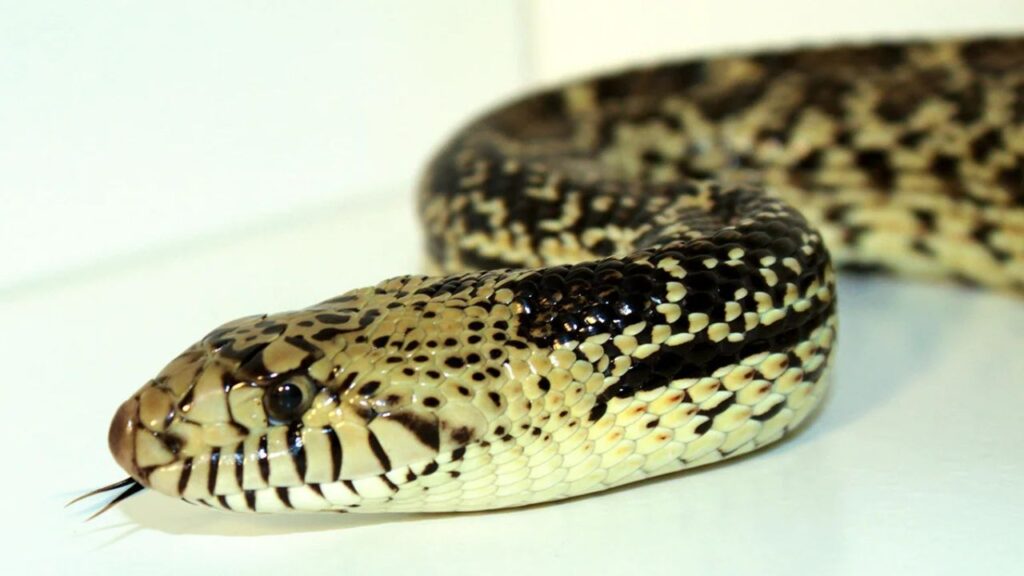
Bullsnakes are often mistaken for Rattlesnakes due to their large size, similar coloring, and defensive behavior. These non-venomous snakes can reach lengths of up to eight feet and flatten their heads, hiss loudly, and shake their tails when threatened, mimicking Rattlesnakes. Despite their intimidating appearance, Bullsnakes are harmless and play a vital role in controlling rodent populations in grasslands, forests, and farmlands. While they may bite if cornered, they generally avoid confrontation. Their bold mimicry and important ecological role make them a remarkable species worth appreciating.
5. Red-Spotted Stripe Snake
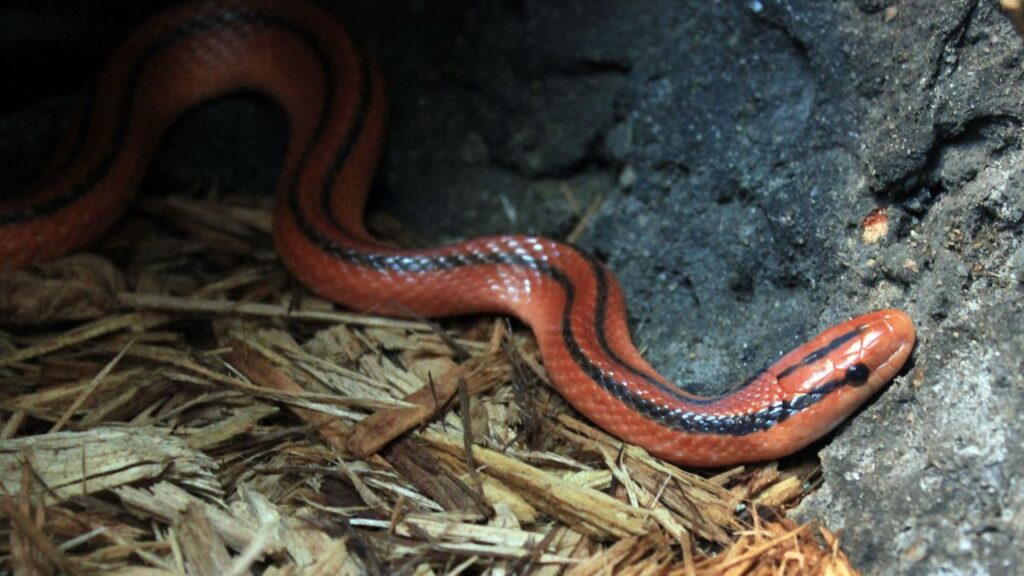
The Red-Spotted Stripe Snake, or Oreocryptophis porphyraceus, is a strikingly beautiful species found in Vietnam’s mountainous forests. With vibrant red and black striping, these snakes thrive in high-altitude areas near streams, often operating during early mornings or at sunset. Their diet primarily consists of amphibians and small rodents, making them essential in maintaining ecological balance. Females lay between 2 to 7 eggs, contributing to their small but stable populations. Despite being completely harmless to humans, their stunning appearance has made them a target for trade, landing them in the Vietnam Red Book as a protected species.
6. Green Snake

Green Snakes, including the Rough and Smooth varieties, are slender, bright green, and perfectly camouflaged in vegetation. These harmless snakes are insectivores, feeding on spiders, crickets, and grasshoppers. Found in meadows, forests, and marshes across North America, Green Snakes are gentle and shy but may emit a musky odor or bite lightly if handled aggressively. Their vibrant color and quiet nature make them a striking yet harmless addition to their ecosystems. Despite their timid nature, their appearance often alarms those unfamiliar with their non-venomous status.
7. Gopher Snake

Gopher Snakes are large, non-venomous constrictors that mimic Rattlesnakes to protect themselves. They hiss, flatten their heads, and vibrate their tails in dry leaves to imitate the sound of a rattle. Found in deserts, grasslands, and forests across North America, these snakes play a crucial role in controlling rodent populations. Despite their size—reaching up to eight feet—they are docile and prefer to retreat when confronted. However, like all snakes, they can bite if provoked, making it essential to handle them with care. Their mimicry and ecological importance make them fascinating to observe from a distance.
8. Racers
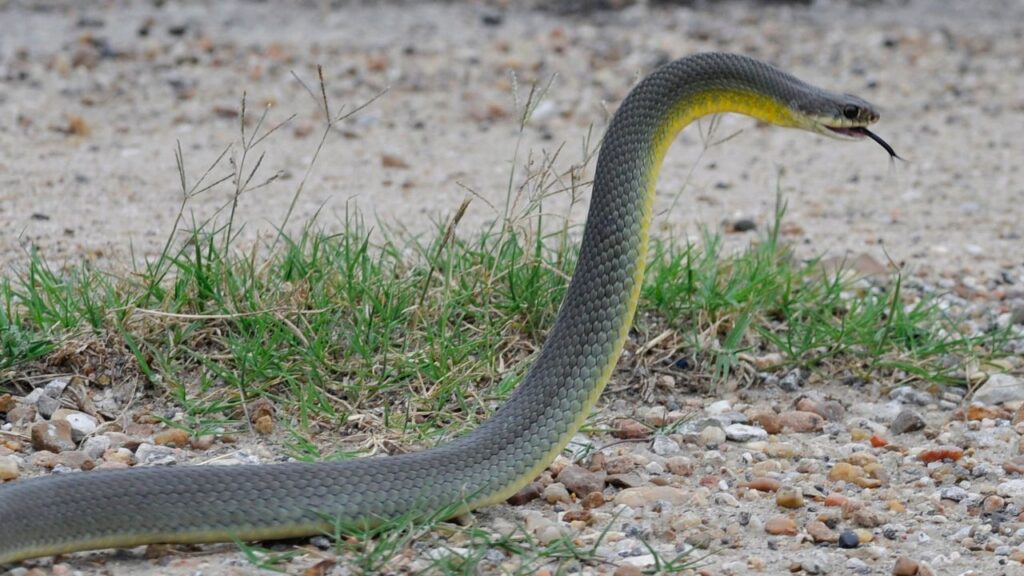
Racers are slender, fast-moving snakes known for their agility and speed. Found throughout the Americas, these non-venomous snakes are excellent climbers and hunters, preying on rodents, lizards, and small birds. Racers are often mistaken for more dangerous species due to their dark coloration and quick movements. They are shy and avoid human interaction but may bite defensively if cornered. Their ability to navigate various terrains, including trees, makes them an intriguing species. While they pose no real danger, their speed and alertness make them one of the most dynamic harmless snakes.
9. Indigo Snake

The Indigo Snake is a large, non-venomous species native to the southeastern United States. Growing up to nine feet long, these snakes are known for their glossy, bluish-black scales and calm demeanor. Despite their intimidating size, they are harmless to humans and often prey on rodents, frogs, and even venomous snakes like Rattlesnakes. Indigo Snakes are highly beneficial for ecosystems but are threatened by habitat loss. Though they rarely bite, their sheer size can be alarming, making it crucial to admire them from a safe distance.
10. Kingsnake

Kingsnakes are famous for their bold patterns, often resembling venomous Coral Snakes. These non-venomous snakes are immune to venom and are known to eat other snakes, including venomous ones. Found in forests, fields, and rocky areas across North America, Kingsnakes are vital for pest control. While they are harmless to humans, they may bite if handled improperly. Their adaptability and striking appearance make them a favorite among snake enthusiasts. The Kingsnake’s ability to thrive in various environments highlights its resilience and importance in maintaining ecological balance.
Love Pets as Much as We Do?

Scroll up and click the ‘Follow’ button to stay updated with the latest heart-warming, hilarious, and helpful pet posts from Pawdown, delivered straight to your Microsoft Start feed and MSN homepage!