
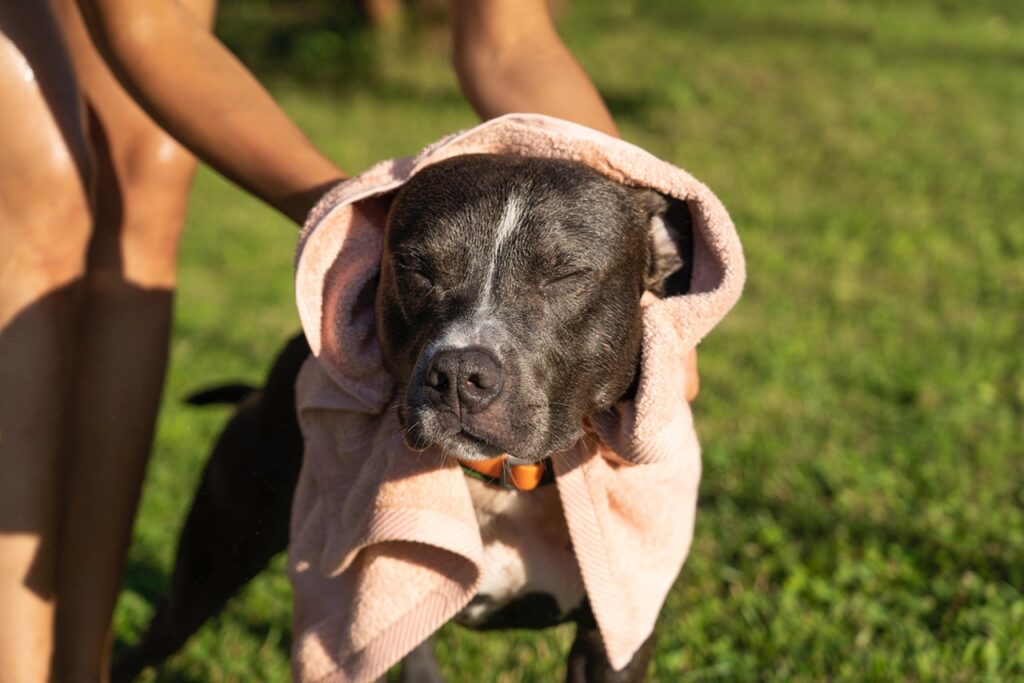
Warm southern air envelops us in lush beauty, but for our beloved canines, this balmy weather can be a breeding ground for hidden dangers. Southern climates present unique challenges, from persistent humidity to relentless pests. As devoted pet owners, being alert to these potential health pitfalls is crucial to keeping our furry friends safe and thriving. Understanding these risks not only improves the quality of life for our dogs but also deepens our bond with them, allowing us to enjoy the vibrant outdoors together with peace of mind.
1. Humidity: A Hidden Foe for Dogs

Humidity is more than just a discomfort; it poses specific risks to canine health. Dogs regulate their temperature through panting, but when humidity is high, this natural cooling mechanism becomes less effective. Consequently, dogs are at a higher risk of overheating, which is more dangerous than it seems. Breeds with short snouts, like Bulldogs or Pugs, are particularly susceptible, struggling even more to stay cool. Keeping an eye on your pet’s panting and ensuring plenty of water and shaded rest can help mitigate these risks significantly.
2. The Dangers of Skin Infections
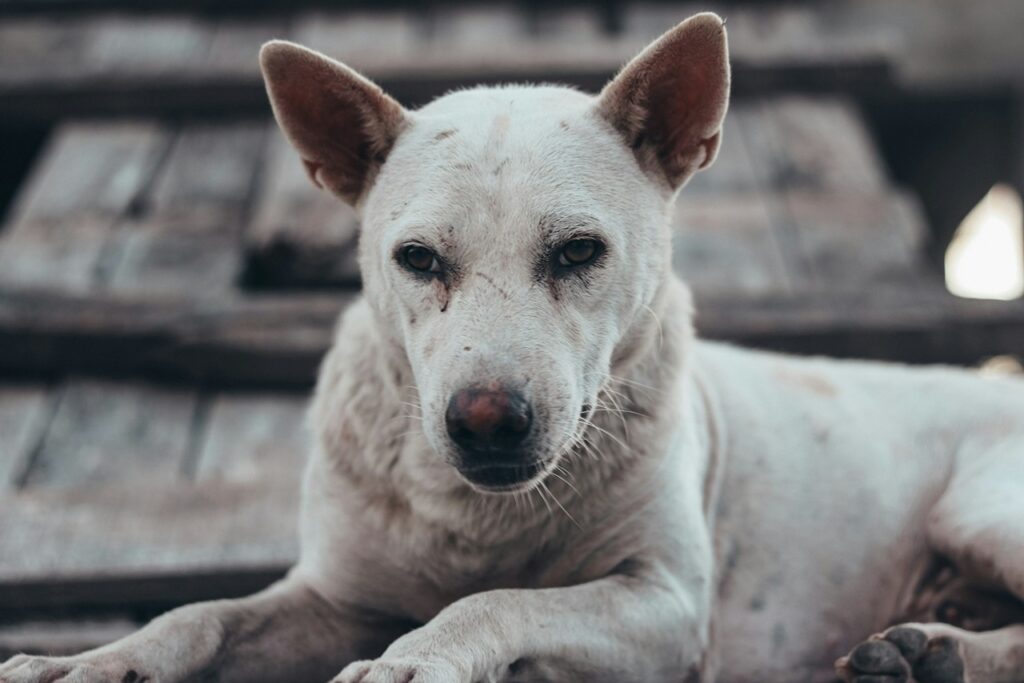
Moisture-laden air can lead to persistent skin issues in dogs. Bacterial and fungal infections, particularly hot spots, thrive in such conditions, causing intense itching and discomfort. Dogs with dense or long coats, like Golden Retrievers, are particularly vulnerable, as moisture trapped near the skin provides a perfect breeding ground. Regular grooming, keeping the coat dry, and ensuring good air circulation around your pet can help. Consult your vet if you notice any redness, irritation, or excessive scratching to nip infections in the bud.
3. Beware of Pesky Parasites
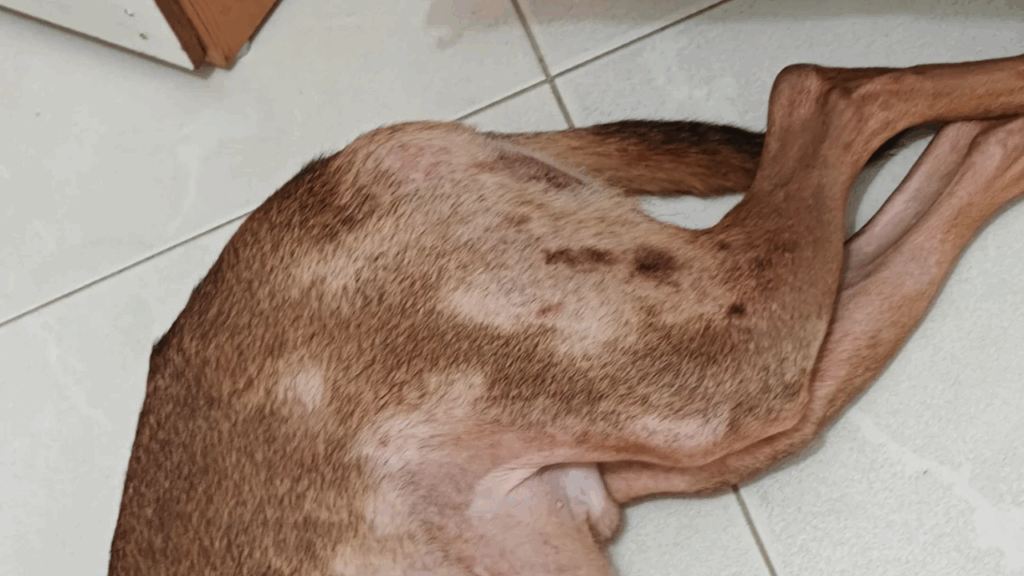
The humid South is a haven for fleas, ticks, and heartworm-carrying mosquitoes. These parasites are more than just pesky; they pose serious health risks. Flea allergy dermatitis, tick-borne diseases, and heartworm can have severe consequences for your pet. Protecting your dog with preventative treatments is essential all year round. Regular checks and maintaining clean surroundings are equally important. Vaccines are vital, along with vigilant monitoring, to safeguard your dog’s health from these relentless tiny intruders.
4. Heat and Its Hidden Hazards
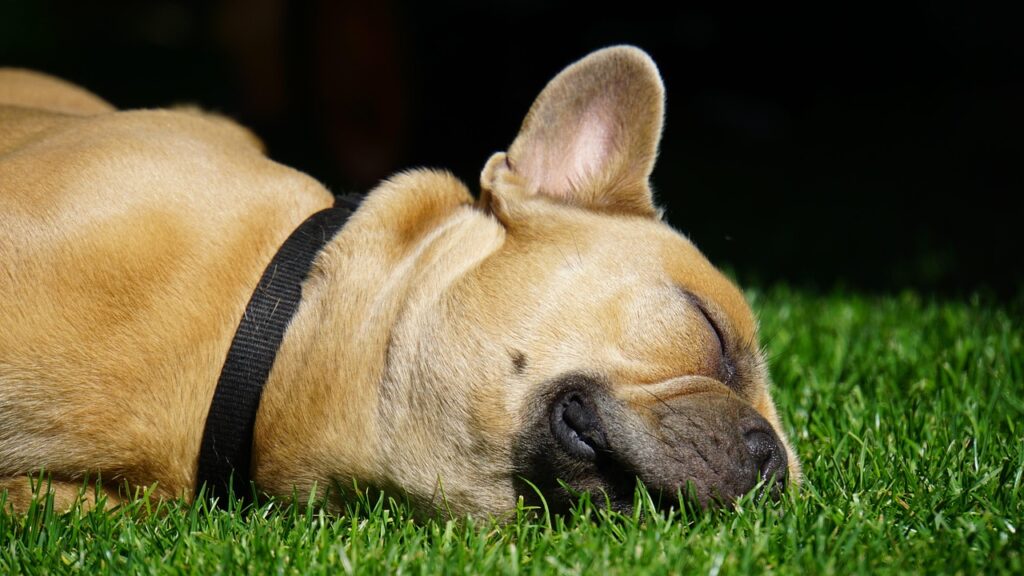
Hot southern temperatures, compounded by humidity, create an environment where heat exhaustion and heatstroke are real dangers. Dogs are more prone to these conditions as they can’t cool down as humans do. Early signs can be subtle, including lethargy and drooling, but can quickly escalate to more severe symptoms, including rapid heart rate and collapse. Providing cool water, shade, and limiting playtime to cooler parts of the day can prevent these emergencies. Always be mindful of your dog’s behavior and adjust outdoor activities accordingly.
5. Hydration: Keeping Dogs Cool

In southern climates, where the air feels thick with moisture, keeping your furry friend hydrated is crucial. Dogs regulate their body temperature through panting, so having fresh, cool water available is essential to maintain their hydration and cool them off. Freeze treats or add ice cubes to their bowls for an extra chill factor. Avoid outdoor walks during peak heat hours, opting for early mornings or late evenings when temperatures dip. Embrace shady spots and invest in cooling vests to help your pooch beat the heat.
6. Allergy Alerts in Muggy Areas

Muggy environments can intensify allergies in dogs, triggering reactions to pollen, molds, and dust mites that thrive in humidity. Watch for excessive scratching, ear infections, or watery eyes. Keep your pet’s living space dry with dehumidifiers and clean bedding regularly to eliminate allergens. Natural remedies, like omega-3 fatty acids, can help soothe irritated skin. Consult with your vet to consider hypoallergenic diets or medications that provide relief for your furry friend’s seasonal sniffles.
7. Respiratory Risks for Breeds
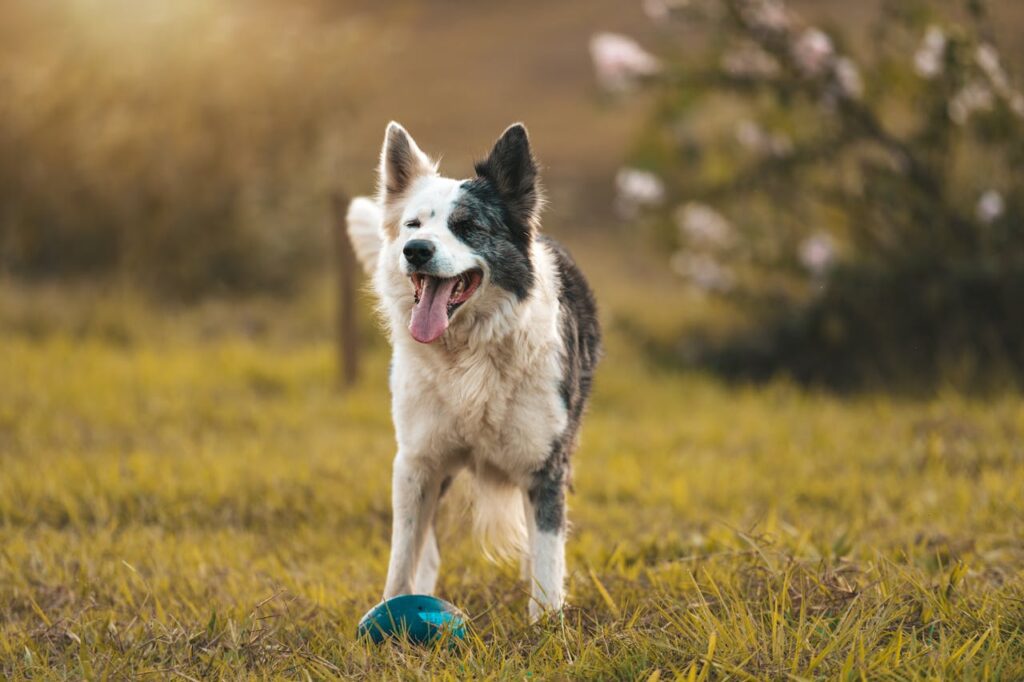
Certain breeds with short snouts, like Bulldogs and Pugs, face added respiratory challenges in humid climates. High humidity can make it harder for these dogs to breathe, leading to overheating and discomfort. Opt for a relaxed indoor environment with air conditioning to ensure they can breathe easy. Regular vet check-ups are essential to monitor any respiratory issues. Gentle exercise routines and veggie-packed diets can also support their breathing and overall health.
8. Guarding Against Waterborne Diseases
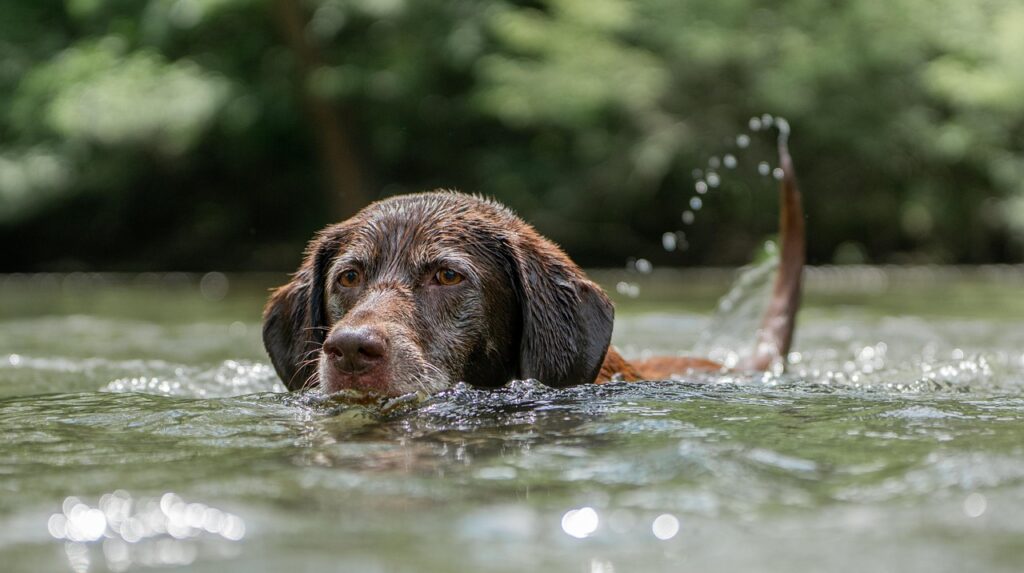
In areas where water accumulates due to frequent rainstorms, dogs are at risk of waterborne diseases like leptospirosis. Ensure your pet isn’t drinking from puddles or stagnant water sources. Regular vaccinations protect against such threats. If your dog loves to swim, remember to rinse off any lake or pond residue afterwards to prevent infections. Keep their living area clean and dry to minimize exposure to contaminated water, safeguarding their health in soggy conditions.
9. Preventing Paw Pad Problems
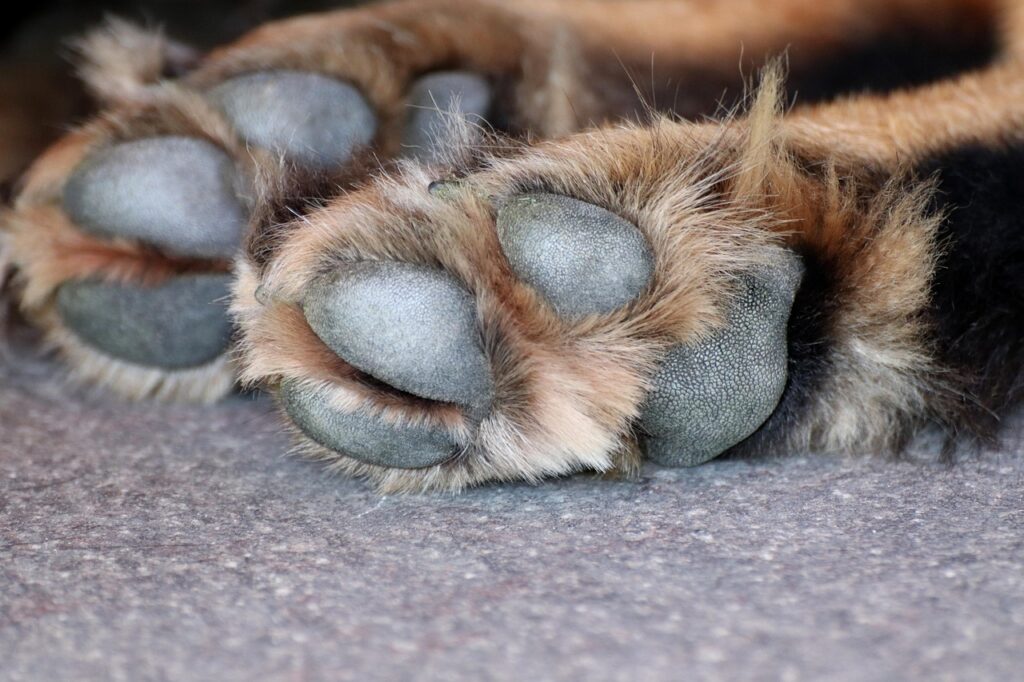
Hot pavement and rugged surfaces can be tough on your dog’s paw pads in humid climates, leading to blisters and burns. Moist conditions can also encourage bacterial infections. Check their paws regularly, keeping them clean and trimmed. Use paw balms for added protection, keeping the pads supple and less prone to cracking. Encourage your pet to walk on grass or use protective booties during strolls. With a bit of care, your pup can enjoy every step comfortably and safely.
10. Protecting Against Overexertion
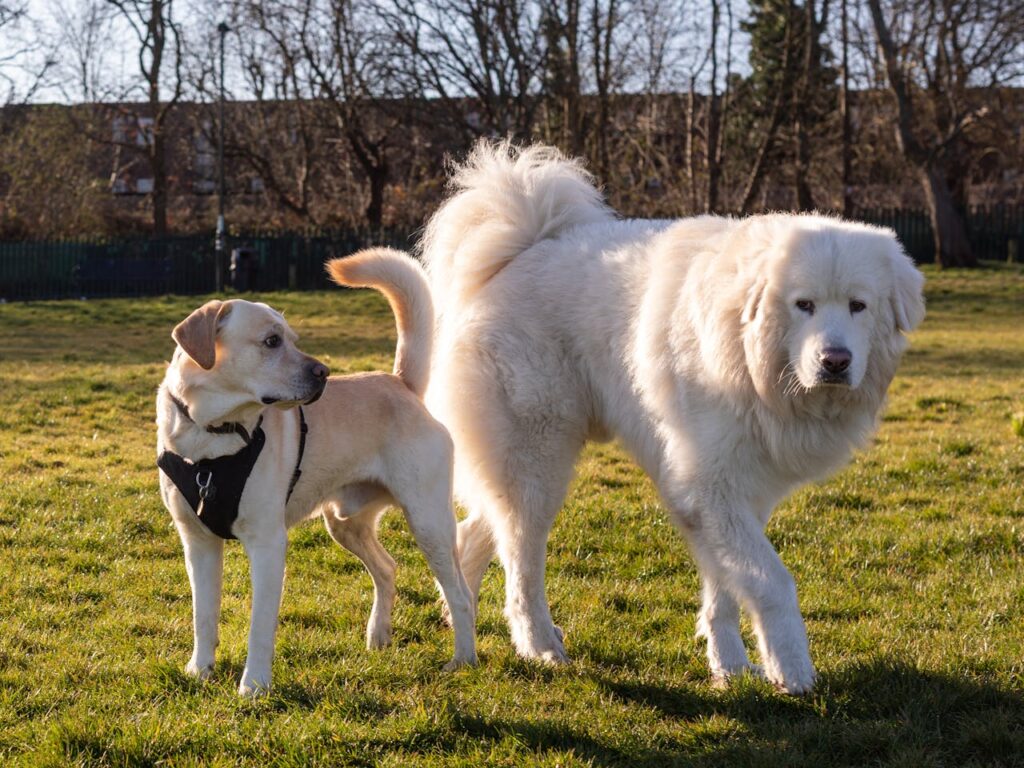
In the sweltering humidity of the southern states, dogs can easily fall victim to overexertion. These climates, combined with Fido’s natural enthusiasm, can lead to heat stress faster than you’d think. Watch for excessive panting, drooling, or lethargy after playtime. Cool down your pup with plenty of water and breaks in the shade. Consider walks in the early morning or late evening when temperatures are lower. Extra vigilance during summer frolics can keep your canine buddy safe, snug, and in top form, no matter the weather.