

Raising a pet can be an adventure, but not all states are created equal when it comes to offering a pet-friendly environment. While some places are havens for four-legged friends, others pose unique challenges. From stringent laws and urban concrete jungles to climate quirks and natural predators, here are ten states where the pet-parenting journey might require a little extra effort.
1. California’s Strict Pet Laws

California is celebrated for its sunny beaches and sprawling landscapes, but it’s less welcoming when it comes to pet ownership. The state has some of the toughest animal welfare laws, aiming to protect every creature under its sun. While this ensures high standards for animal care, it also means rigorous regulations for pet adopters. Licensing, micro-chipping, and spaying or neutering are not just encouraged; they’re often mandated. Pet owners in the Golden State must stay informed and compliant, potentially making everyday life with pets a bit more demanding.
2. New York’s Urban Challenges
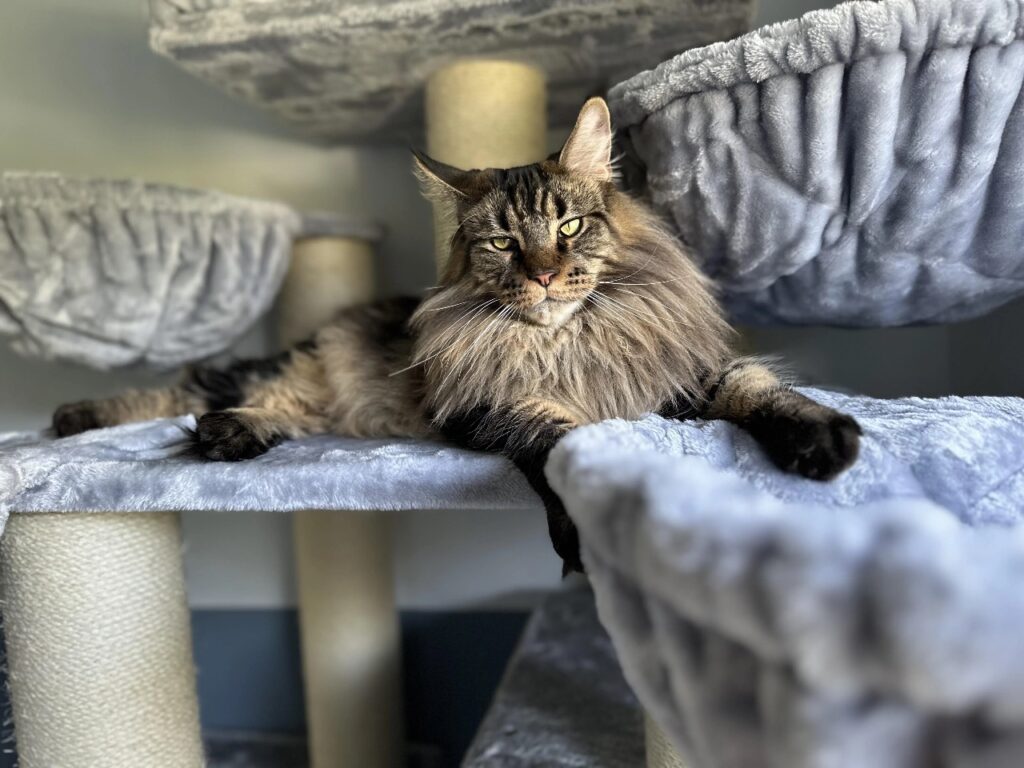
In the bustling heart of New York, space is a luxury few can afford, which makes it a tough spot for pet parents. Tiny apartments often leave little room for furry companions to move freely. The lack of green spaces adds to the challenge, compelling pet owners to be creative in finding ways to exercise their pets. Moreover, the hustle and bustle of urban life can be overwhelming for animals not accustomed to such vibrant surroundings. For those daring enough to raise pets here, it’s a test of patience, creativity, and commitment.
3. Washington’s Climate Considerations

Washington state is known for its stunning natural beauty, but its climate poses unique hurdles for pet owners. With frequent rain and overcast skies, managing outdoor time for pets can be tricky. Dogs, in particular, may not enjoy the constant wetness, and slippery conditions can pose risks during walks. Pet owners must invest in specialized gear like raincoats and waterproof boots to keep their companions comfortable. However, the state’s extensive park system offers a silver lining, providing opportunities for invigorating adventures when the sun peeks through.
4. Florida’s Wildlife Dangers

Florida dazzles with its sunny beaches and vibrant ecosystems, but these natural wonders come with a catch for pet owners. The state is home to a myriad of wildlife, from snakes to alligators, posing unforeseen threats to curious pets. Outdoor adventures require vigilance and knowledge about local fauna to safeguard pets from encounters that nature might spring. While the warm climate is a pet’s paradise for play, ensuring they stay within safe zones is crucial. Florida’s pets must navigate a terrain as thrilling as it is perilous, demanding extra care from their owners.
5. Texas’ Zoning Regulations
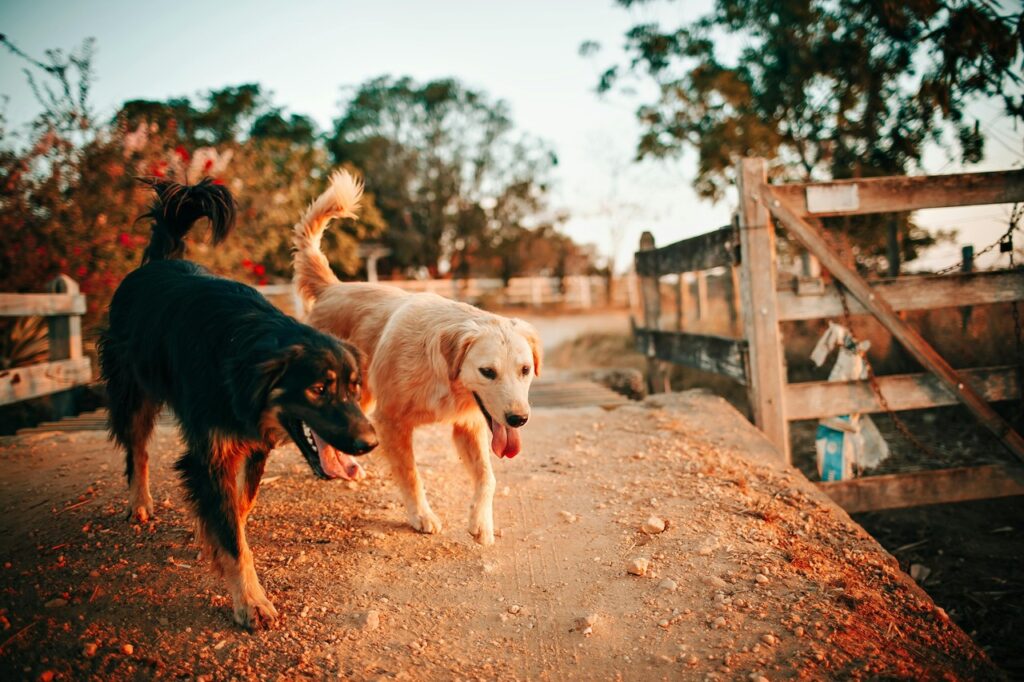
In the sprawling landscapes of Texas, you’d think there would be ample room for all types of pets. But, surprisingly, zoning regulations are increasingly impacting pet owners. Many urban areas are restricting the types and numbers of animals that can be kept in residential zones. Cities like Austin have imposed limits on the number of dogs or cats in a single household, aiming to reduce concerns about noise and safety. These rules can catch pet owners by surprise, leading to hefty fines or forced rehoming. Navigating these regulations can be challenging, especially for newcomers dreaming of vast, shared spaces with their furry friends.
6. Colorado’s Housing Restrictions

Colorado enthusiasts often envision a dog-friendly paradise, thanks to its outdoor lifestyle and expansive parks. Yet, the state’s housing market tells a different story. With rising real estate prices and a competitive housing market, finding pet-friendly accommodations can be daunting. Many landlords enforce strict pet policies or impose expensive deposits that make owning larger breeds challenging. As a result, some pet owners face tough choices about the size or number of their companions. This trend highlights an unexpected hurdle in this otherwise nature-loving state, altering the dream of wide-open spaces for pets and their owners.
7. Oregon’s Environmental Policies

Oregon, famed for its commitment to green living, presents unique challenges for pet owners. Strict environmental policies aim to protect local wildlife, placing limitations on certain pets, especially exotic ones. For instance, owning non-native species might require special permits, and some animals are outright banned. These policies are set to ensure local ecosystems remain undisturbed, prioritizing indigenous flora and fauna. While these intentions are noble, they can complicate life for those with a passion for exotic pets, as owners must navigate a complex web of regulations to comply with the state’s ecological priorities.
8. Virginia’s Licensing Requirements
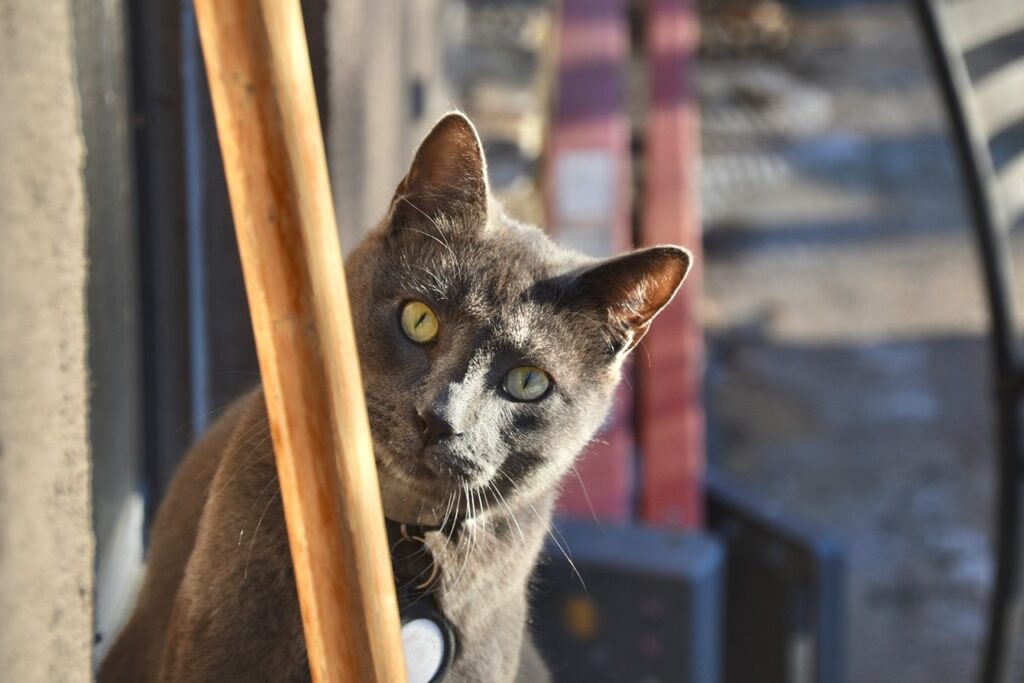
Virginia’s picturesque countryside and historical beauty mask a maze of bureaucratic hurdles for pet owners. The state mandates specific licensing for a wide range of animals, from common household pets to less conventional companions, such as reptiles or birds. Additionally, certain localities may impose breed-specific legislation or require additional insurance for specific pets. This bureaucratic element can translate to surprise costs and complications for pet owners who have recently moved to or within the state. Staying abreast of local regulations is essential to ensure smooth adoption and continued ownership of beloved pets in this traditionally hospitable locale.
9. Ohio’s Population Density Impact
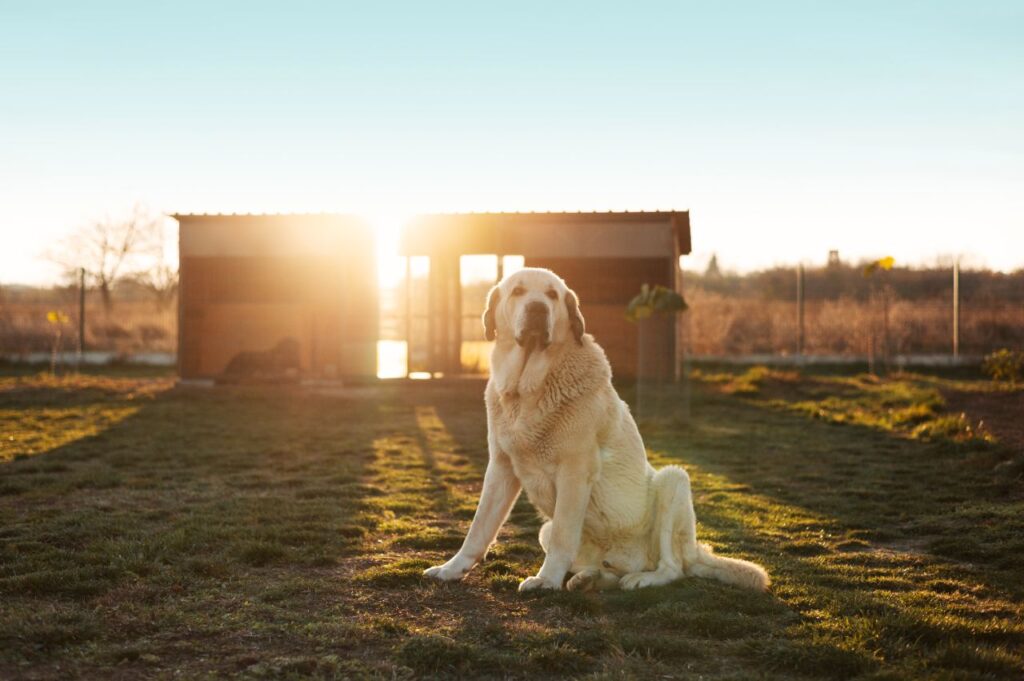
Ohio, known for its vibrant landscapes, is facing challenges when it comes to pet-friendly living. With increasing population density, cities like Columbus and Cleveland have seen a drop in open spaces crucial for pets to roam freely. This urban sprawl limits outdoor opportunities for pets to play and socialize, often leading to behavioral issues. Pet owners in Ohio are navigating apartment living with limited yards, prompting a rise in dog parks to meet the demand for pet-friendly zones. Ensuring a balance between development and green spaces is key for Ohio’s furry residents.
10. Illinois’ Urbanization Issues
Urbanization in Illinois, particularly in sprawling Chicago, presents a tough environment for pet owners. Noise pollution and small living spaces are common challenges in these bustling areas. The city’s rapid development reduces available land for pet-friendly infrastructure, making it harder to find areas where pets can exercise and socialize. Despite these hurdles, Illinois has seen a surge in pet services like dog walking and daycare facilities to aid city-dwelling pet owners. Advocates continue to push for more parks and pet-friendly accommodations to improve the quality of life for both pets and their humans.