
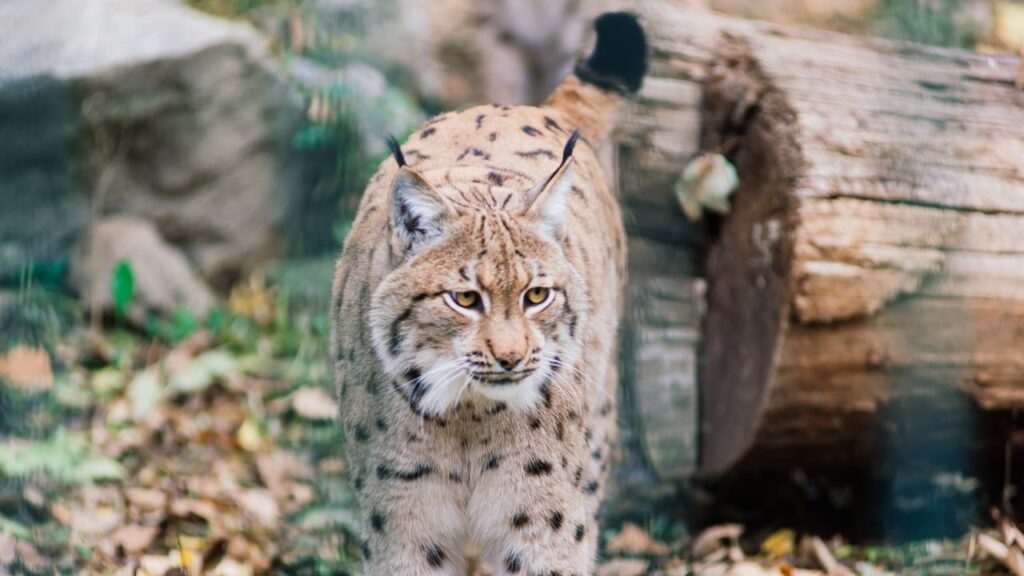
Discovering a wild jungle cat in your garden might sound like something out of an adventure movie, but in some regions, it’s a real possibility. Whether it’s an ocelot, serval, or another exotic feline, their sudden appearance can be both thrilling and alarming. These animals are powerful, unpredictable, and not to be underestimated—especially when startled or cornered. If one happens to stray into your yard, staying calm and taking the right steps is crucial. Here are 10 essential actions every pet owner should take to protect their animals and handle the situation safely.
1. Assess the Situation Calmly
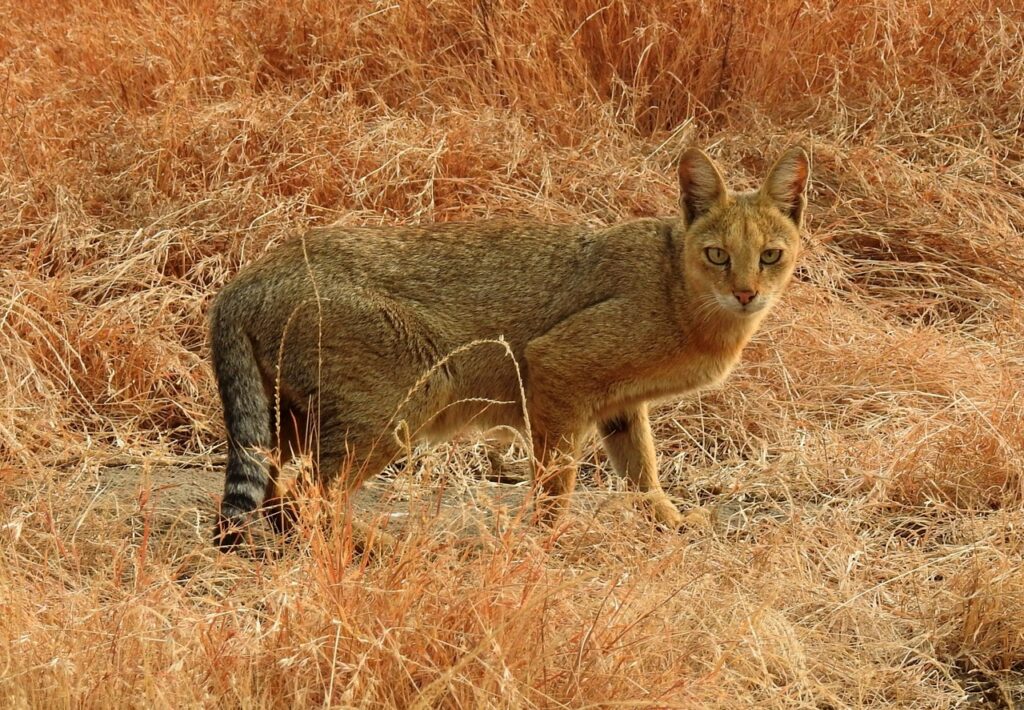
Discovering a wild jungle cat in your garden can be startling, yet staying calm is essential. Panic can escalate tensions, potentially agitating the animal and creating risks. Take a few deep breaths, assess the cat’s behavior from a safe spot, and remember that many wild cats, like bobcats or ocelots, are often more scared of people than we are of them. By maintaining composure, you can make well-informed decisions about managing the situation effectively.
2. Ensure Safety for Pets and Family
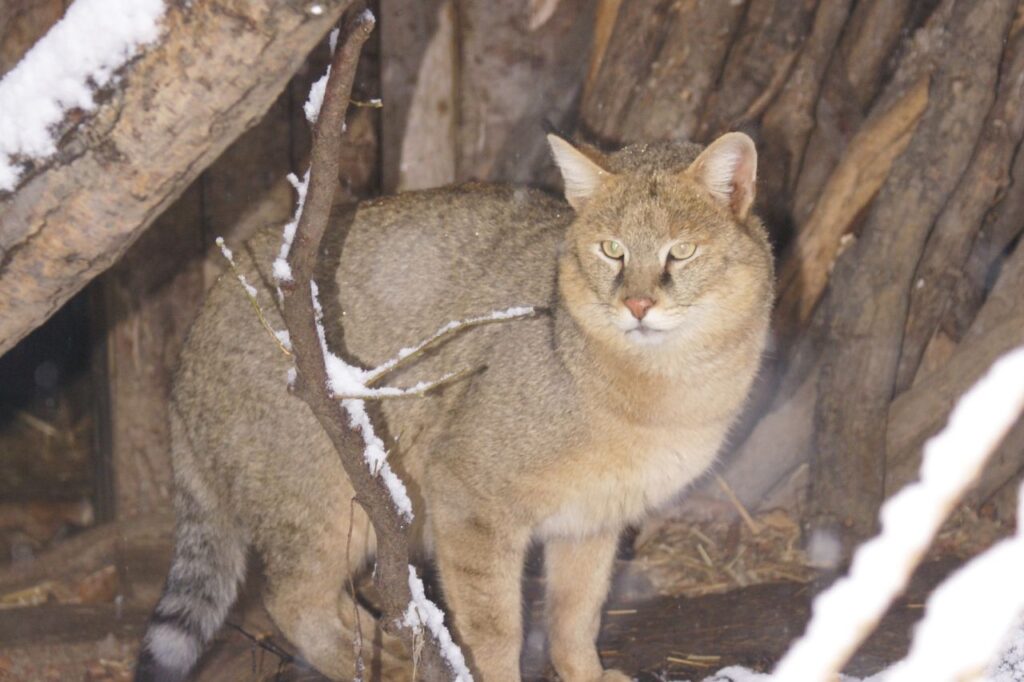
Prioritizing safety for your loved ones is crucial. Immediately bring any pets or small children inside to prevent encounters. Secure outdoor play areas and close all doors and windows. Wild cats are instinctual hunters, and keeping potential prey out of their sight prevents any unwanted interaction. Remember, these animals are not aggressive by default but can react defensively in perceived threats.
3. Observe the Cat from a Distance
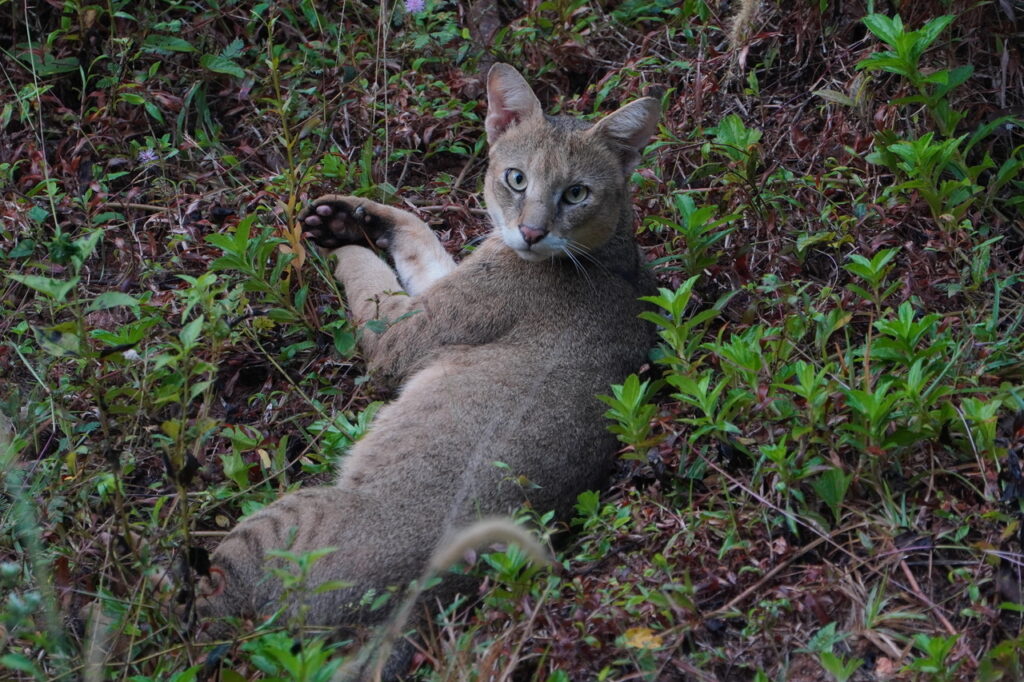
Once everyone is secure, observe the cat without approaching. Distance allows you to evaluate its size, behavior, and possible identification marks safely. Use binoculars if available, and note whether it appears injured or distressed. Documenting such details can aid wildlife experts if intervention becomes necessary. Observing from afar shows respect for the animal’s space and keeps the environment less threatening.
4. Avoid Direct Contact
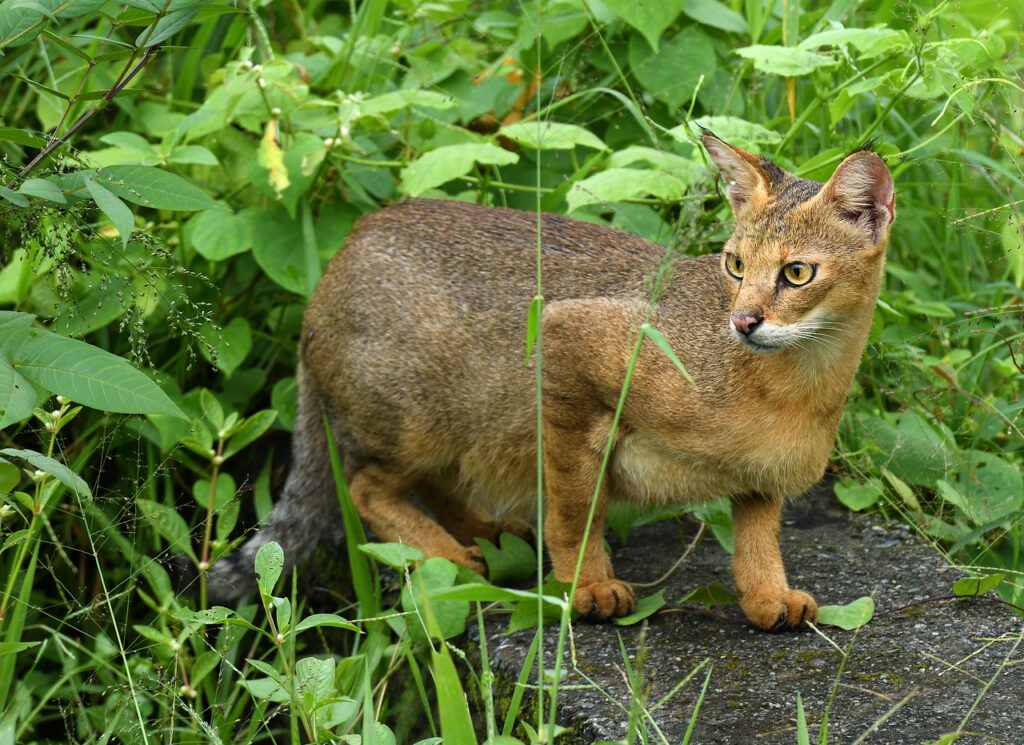
Resist the temptation to approach or feed the jungle cat. Wild animals perceive closer presence as a threat, leading to defensive behaviors. Offering food may also encourage dependency or attract more wildlife. Instead, let the cat navigate or leave the area independently, creating a more natural and less disruptive exit. Direct contact may also pose health risks due to potential disease transmission.
5. Identify the Jungle Cat
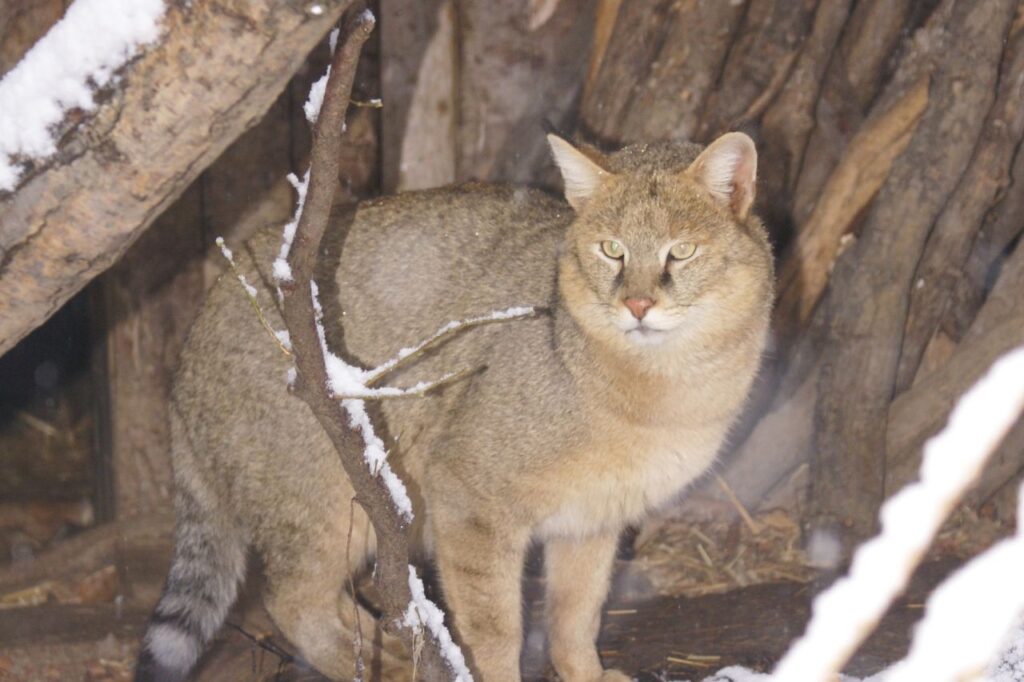
Recognizing the wild cat species in your yard can be enlightening and key to deciding any next steps. Look for distinct features: size, fur pattern, ear shapes, and tail length. Are you seeing a lynx, serval, or something else? Identifying the species not only adds an element of wildlife appreciation but helps professionals provide more tailored advice. Accurate identification is invaluable in ensuring harmonious human-animal interactions.
6. Call Local Wildlife Authorities
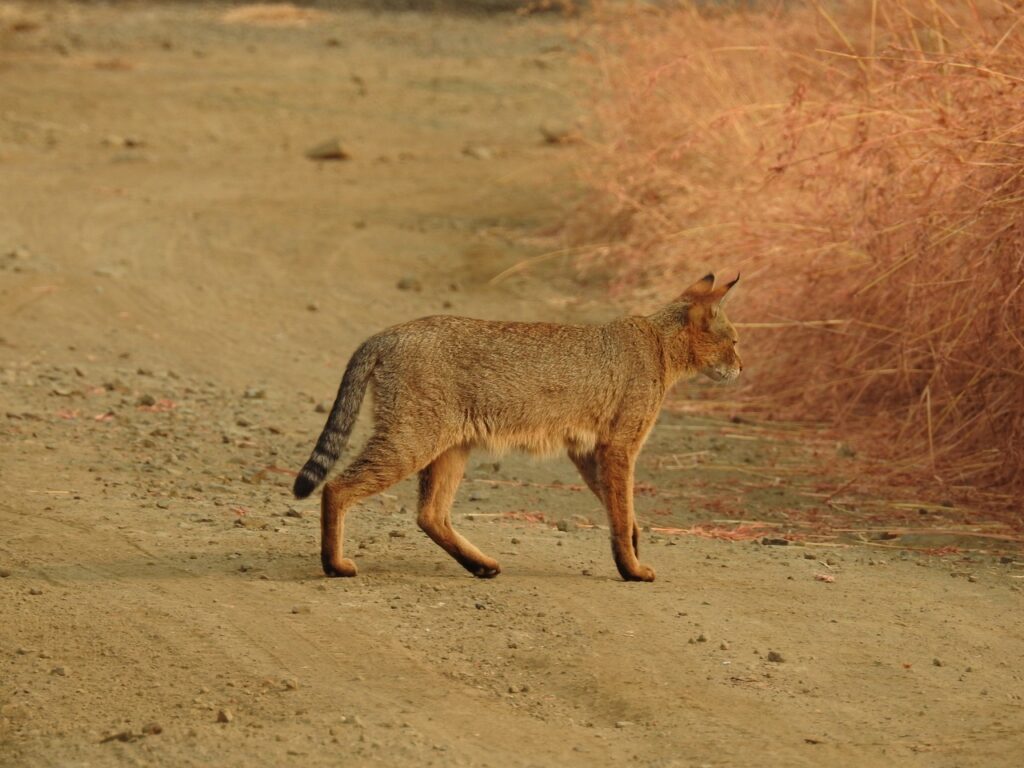
Upon spotting a wild jungle cat in your garden, your first step is to contact local wildlife authorities. These experts are equipped with the skills and tools necessary to handle such situations safely. They can assess the specific type of big cat and decide the best course of action, ensuring everyone’s safety, including the animal’s. It’s crucial to act quickly as wild cats can be unpredictable and potentially dangerous. Rely on these professionals to secure a tranquil move back to the wild, their natural habitat where they truly belong.
7. Secure Your Pets Indoors
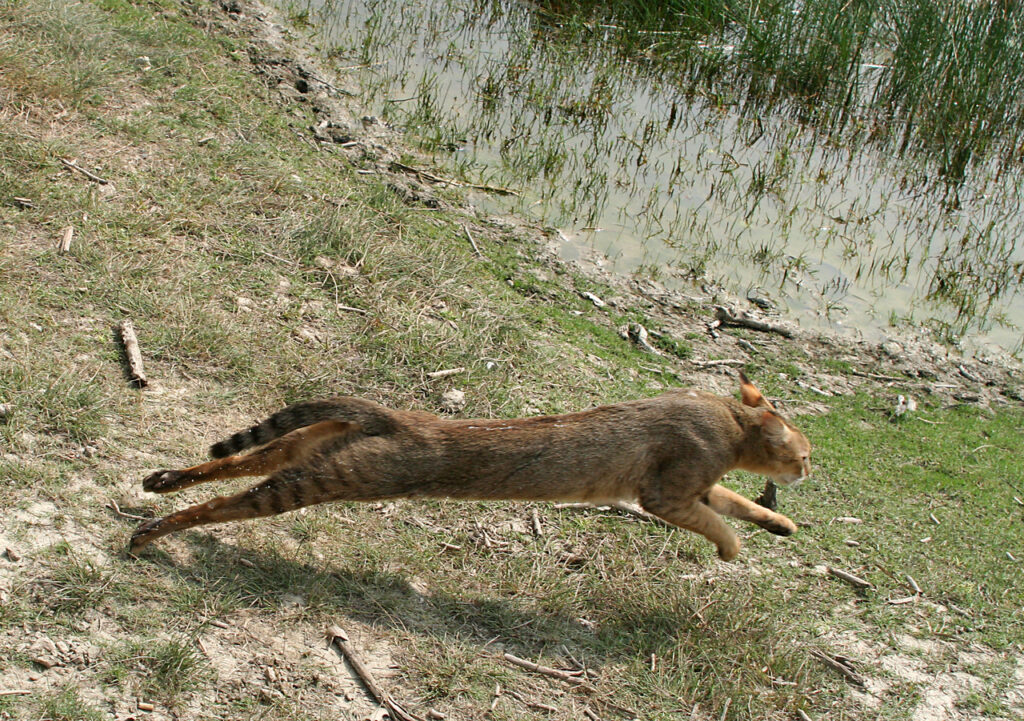
The presence of a jungle cat can pose a significant threat to household pets. Cats and dogs are naturally curious, and unwittingly confronting a much larger feline could lead to serious danger. Swiftly gather your pets and bring them indoors to eliminate any risk of exposure. Secure any doors, windows, or pet flaps that could lead to the garden. Keeping your pets safe and calm indoors ensures they won’t inadvertently provoke a wild creature, helping to de-escalate the situation while awaiting professional help.
8. Create a Safe Passage for Exit
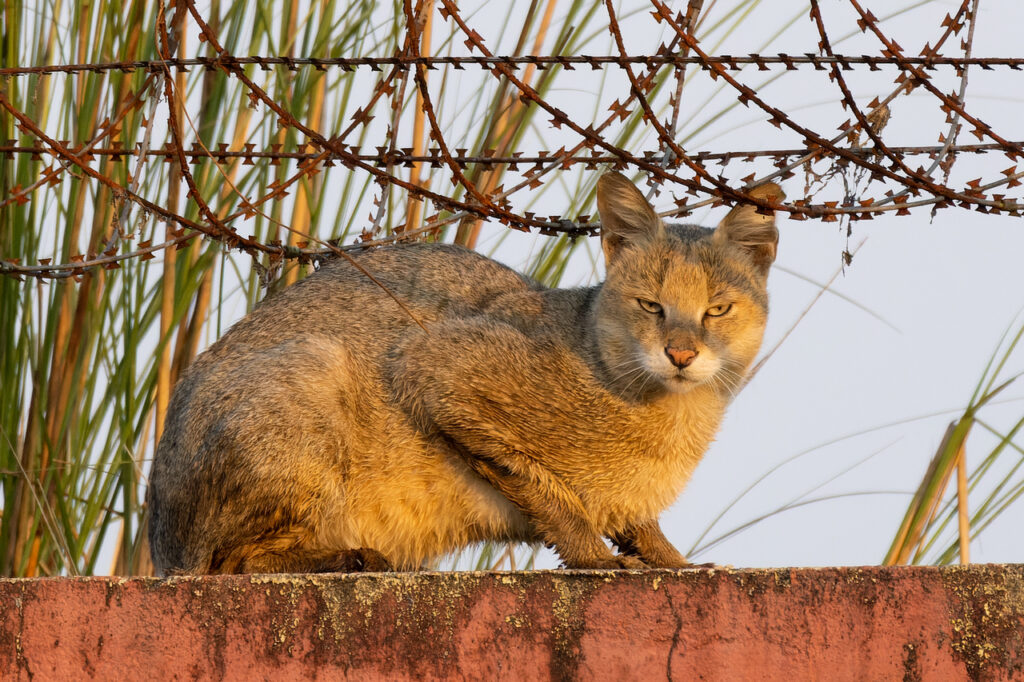
Facilitating an exit route for the jungle cat is vitally important. A clear, calm path free of obstacles or disturbances will encourage the cat to leave your garden peacefully. Remove objects that might frighten or block the animal. Stay indoors or maintain a respectful distance not to provoke it further. Remember, the goal is to minimize its stress, offering an easy route back to its natural roaming grounds. This method promotes a peaceful departure while keeping both humans and animals safe.
9. Consider Deterrent Measures
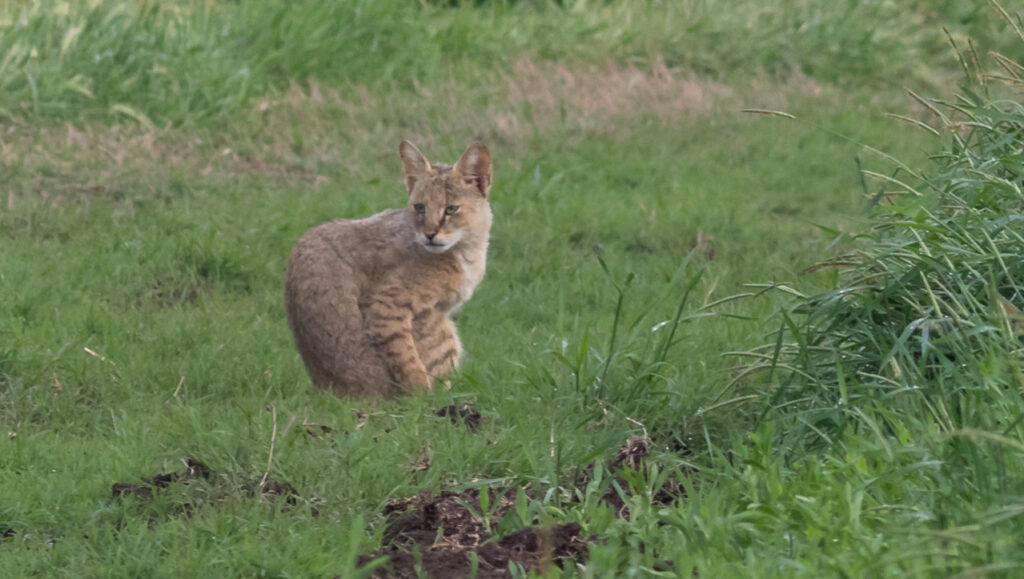
Implementing deterrent strategies can help prevent jungle cats from venturing into your garden again. Motion-activated lights or sprinklers can startle and discourage intrusions. Some have found success using ultrasonic animal repellers specifically designed for large wildlife. Ensure that these devices are humane and environmentally sensitive. While such tools can be effective, they should complement broader conservation efforts, respecting the wild spaces these magnificent creatures occupy.
10. Educate the Neighborhood
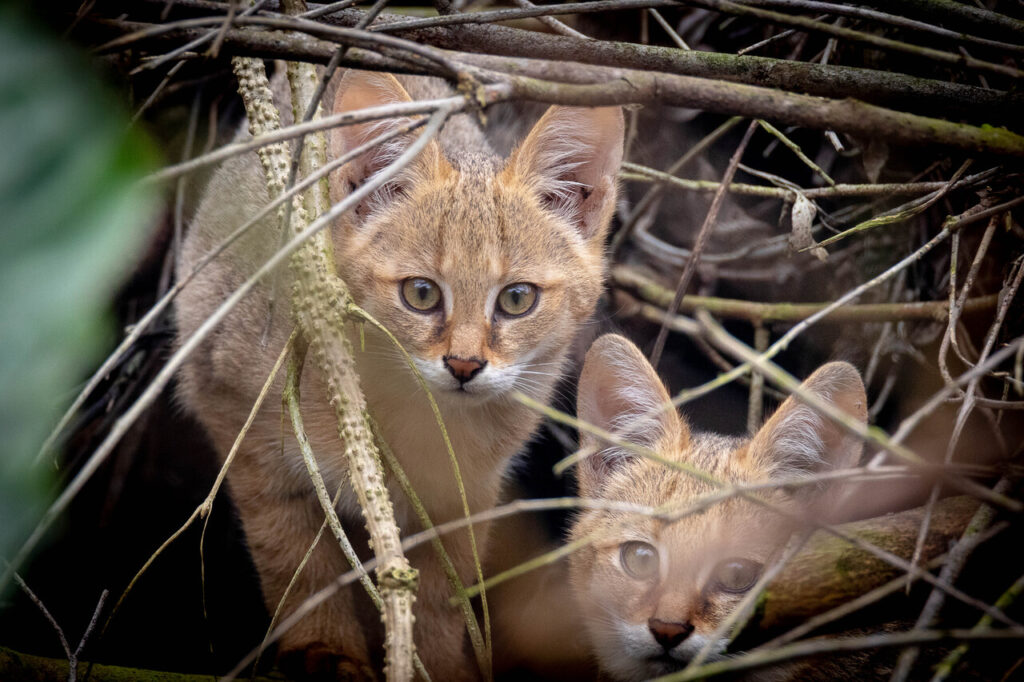
Community awareness is crucial when dealing with wild animals. Share your experience with neighbors and local community groups to spread knowledge on both responding to and preventing future visits. Organize informational sessions or distribute flyers detailing the necessary steps, emphasizing coexistence and respect for wildlife. By building a network of informed citizens, your community can act quickly and effectively, creating a safer environment for people and preserving the natural habitats of fascinating creatures like the jungle cat.