
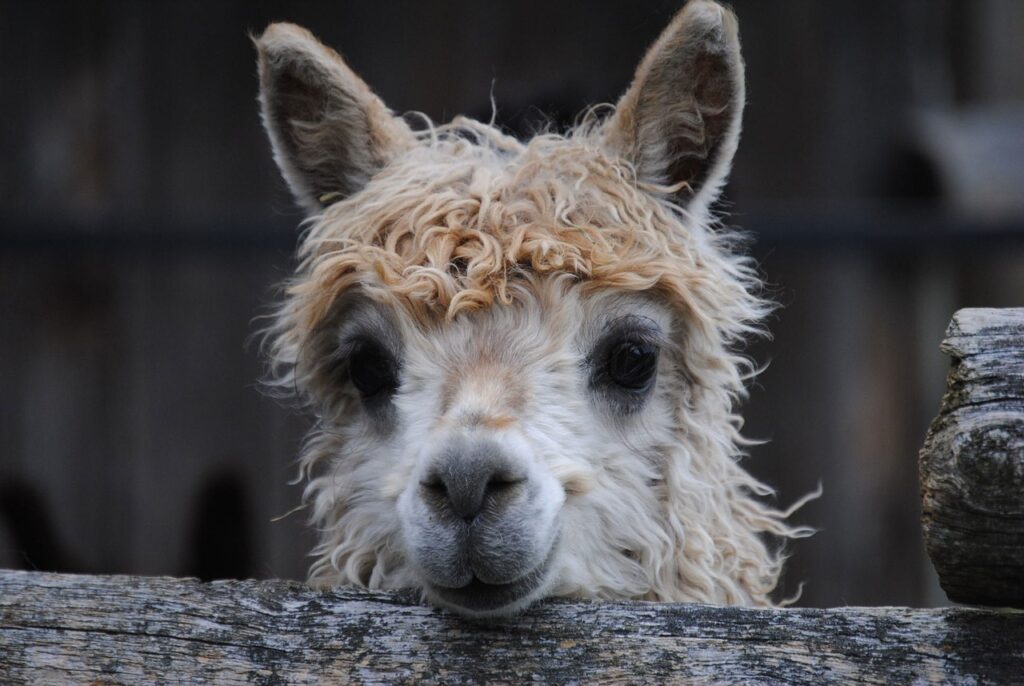
Thinking about adding a llama or alpaca to your life? These gentle, curious creatures can be wonderful companions, whether you’re drawn to their soft fleece, their quirky personalities, or their ability to guard livestock. But before you welcome them into your world, there’s more to consider than just their adorable faces. From space requirements to social needs, caring for these animals takes thoughtful preparation. Let’s explore the key things you need to know to ensure your llamas or alpacas thrive in their new home.
1. Companionship Needs
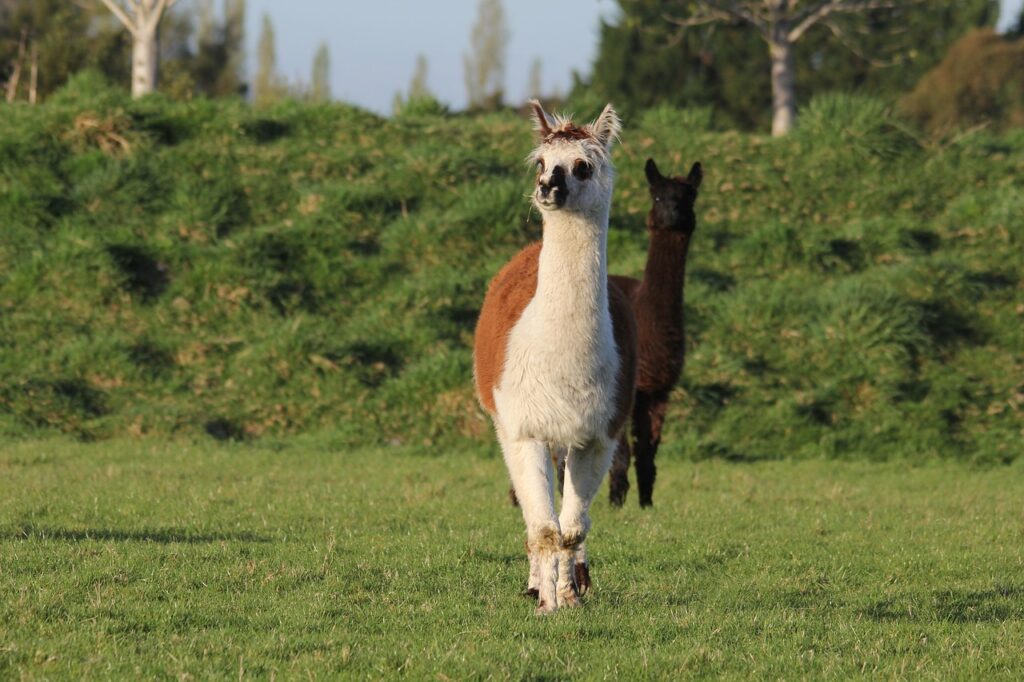
Llamas and alpacas are highly social animals — not just with humans, but especially with their own kind. They don’t thrive in isolation and can become stressed or even depressed if kept alone. If you’re considering bringing one home, you must plan for at least a pair or a small herd. Their bonds with each other are crucial for their emotional well-being. A lonely llama or alpaca may show signs of anxiety, pacing, or excessive vocalization, so companionship isn’t just a suggestion — it’s a necessity.
2. Proper Shelter
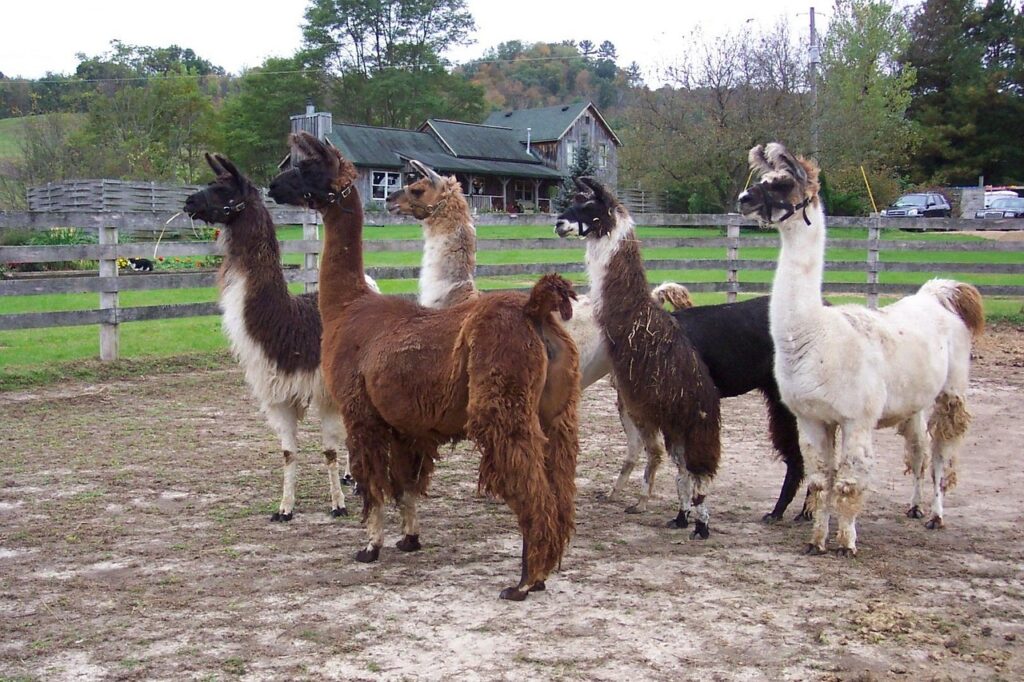
While llamas and alpacas are hardy animals adapted to diverse climates, they still need proper shelter to protect them from extreme weather. A simple, well-ventilated three-sided shelter works for most environments, giving them a place to escape the hot sun, wind, or rain. In colder regions, extra bedding and windbreaks might be needed. They also require dry ground to prevent foot problems. It’s essential to design a space that allows them to stay safe and comfortable year-round, no matter the season.
3. Veterinary Care Availability
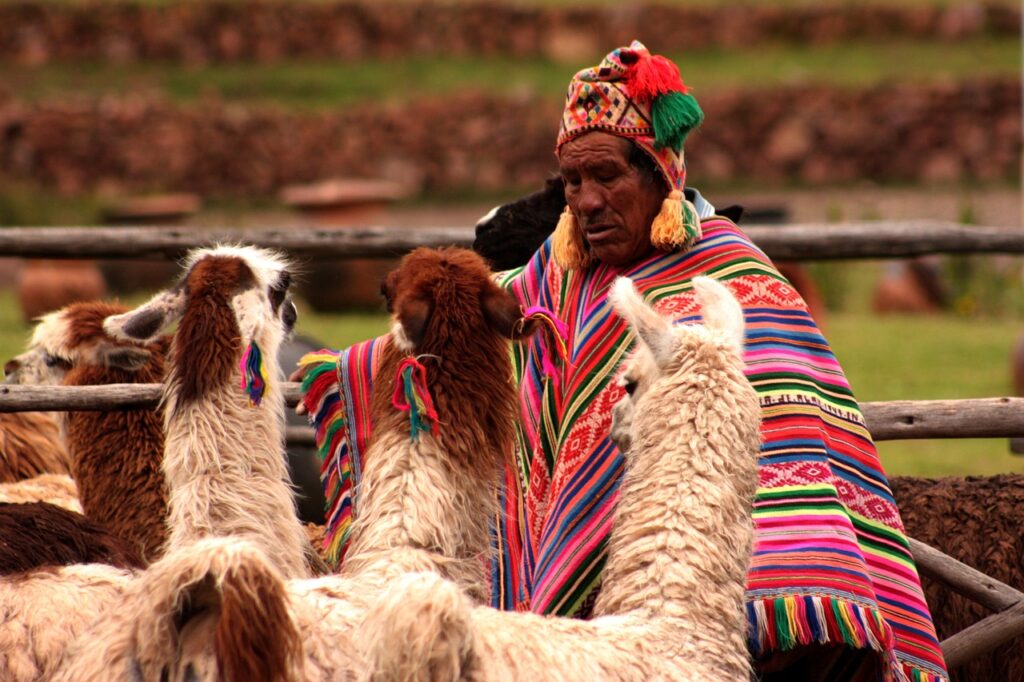
Before getting a llama or alpaca, it’s crucial to ensure you have access to a vet experienced with camelids. These animals have unique health needs, including vaccinations, parasite control, and dental care. Not all vets are trained to handle llamas or alpacas, so researching local specialists is a must. Routine check-ups help prevent serious illnesses, and in an emergency, having an experienced vet a phone call away can be the difference between life and death. Camelid-specific care isn’t something you can overlook.
4. Understanding Of Species Biology
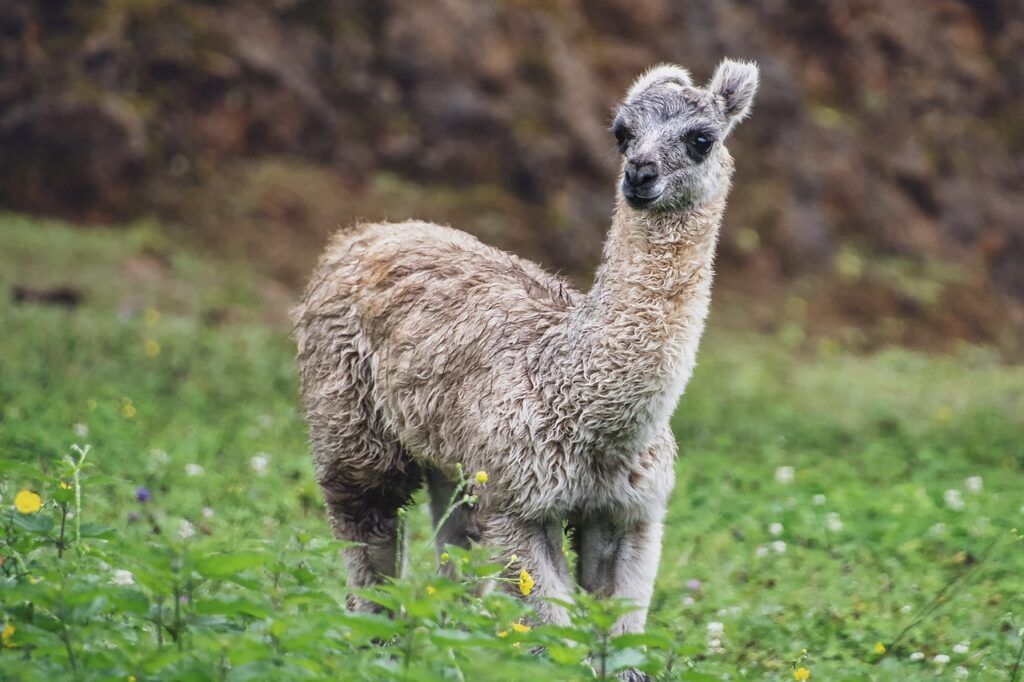
Llamas and alpacas might look similar, but they have key biological differences — and understanding these is vital. Llamas are larger, stronger, and often used as pack animals, while alpacas are smaller and prized for their soft fleece. Their diets, behaviors, and even how they react to stress can differ. Knowing how their digestive systems work, how they communicate through body language, and what common health issues they face will make you a more responsible owner. Knowledge of their biology directly impacts their care.
5. Breeding Vs. Ownership Goals
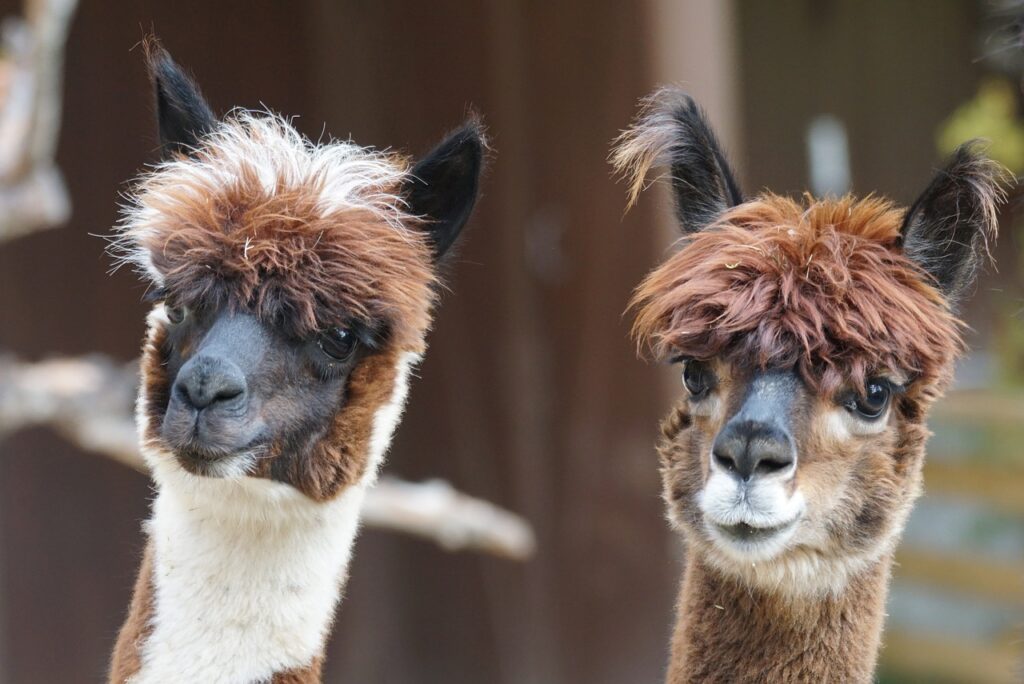
Are you planning to keep llamas or alpacas as companions, for fiber production, or for breeding? Your goals will shape your approach. Breeding requires not only a deep understanding of genetics and health but also extra space for pregnant females and crias (babies). If you’re interested in fiber, alpacas are the better choice due to their luxurious wool. Llamas, on the other hand, can guard livestock or carry packs on hikes. Clarifying your purpose will help you prepare the right resources and setup for your animals.
6. Legal And Registration Requirements

Before bringing home a llama or alpaca, check local regulations. Some areas have zoning laws restricting livestock, even if you own plenty of land. You may also need permits for exotic pets or farm animals. Additionally, if you plan to breed or sell their fiber, proper registration with breed organizations might be necessary. Understanding the legal side helps you avoid fines or legal battles. It’s not the most exciting part of owning these animals, but it’s one of the most important to get right from the start.
7. Financial Commitment
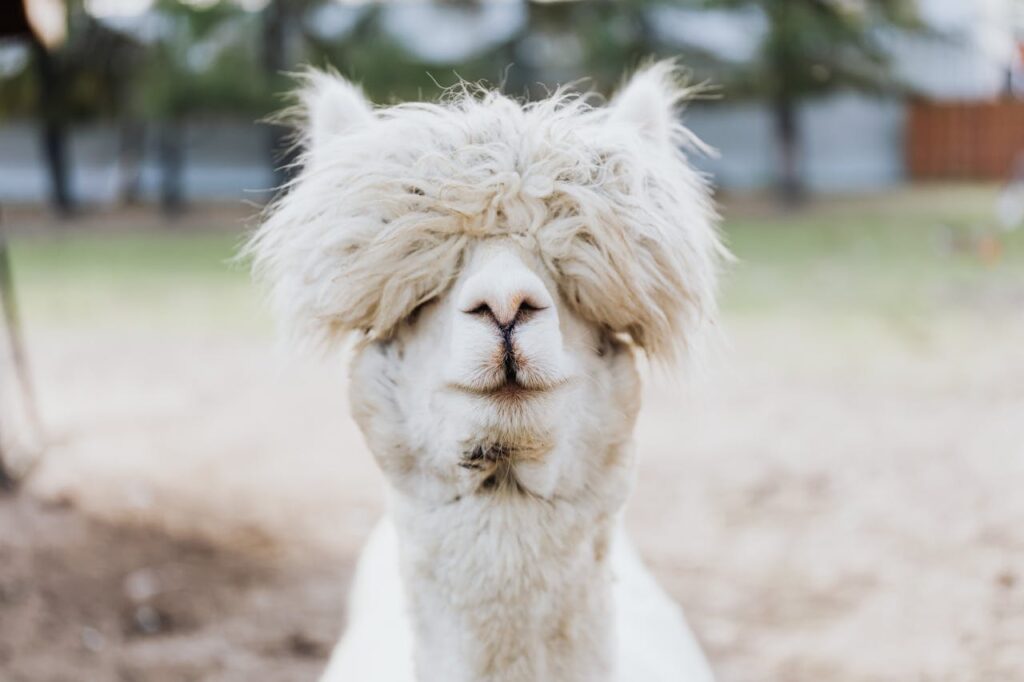
Owning llamas and alpacas comes with ongoing costs beyond the initial purchase. There’s feed, shelter maintenance, regular vet care, and fiber processing if you’re in the wool business. Emergencies — like injuries or sudden illnesses — can also hit your wallet hard. While they aren’t the most expensive animals to keep, their care isn’t cheap either. It’s important to budget not just for their daily needs but also for unexpected expenses. Responsible ownership means being financially prepared for every possibility.
8. Space And Fencing Requirements
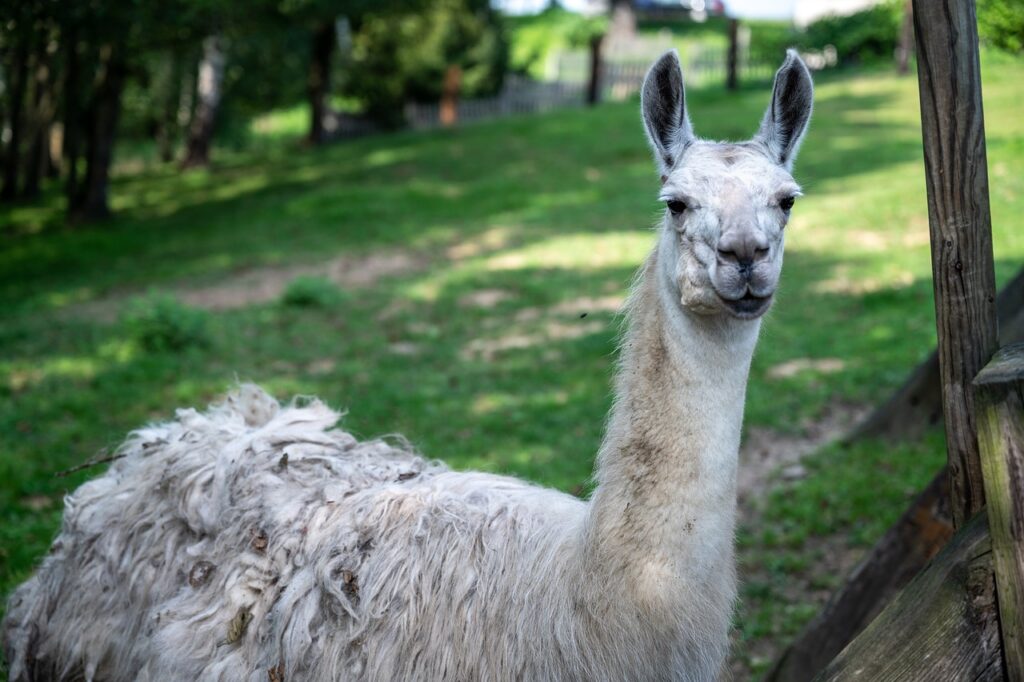
Llamas and alpacas need plenty of space to roam and graze. A minimum of about an acre for every three to four animals is recommended, though more space is always better. Fencing should be secure yet gentle — they don’t challenge fences like some livestock but still need protection from predators. Woven wire or wooden fences about four to five feet high work well. Overcrowding leads to stress and health issues, so ensuring you have enough room for them to move freely is essential for their physical and mental health.
9. Feeding And Nutrition

Despite their size, llamas and alpacas have relatively simple diets, but their nutritional needs shouldn’t be underestimated. They graze on grass and hay, but they also need access to mineral supplements, especially if your pasture lacks essential nutrients. Overfeeding grain or giving the wrong feed can cause serious health issues, like obesity or gastrointestinal problems. Clean, fresh water must always be available. Understanding their dietary balance is crucial to keeping them healthy, active, and free from preventable illnesses.
10. Time And Effort For Care

While llamas and alpacas are often labeled as “low-maintenance” compared to some livestock, they still require regular care. Daily checks for injuries, consistent feeding routines, pasture maintenance, and seasonal shearing (for alpacas) are all part of the package. They also need training for handling and health checks. Investing time to build trust with these animals helps them feel safe and cooperative. If you’re envisioning a “set it and forget it” pet, these animals aren’t the right choice — they need your time and attention.
Love Pets as Much as We Do?

Scroll up and click the ‘Follow’ button to stay updated with the latest heartwarming, hilarious, and helpful pet posts from Pawdown, delivered straight to your Microsoft Start feed and MSN homepage!