

Every dog owner faces challenging behavior at some point—whether it’s barking, chewing, or pulling on the leash. But don’t worry, you’re not alone! Understanding and correcting these behaviors doesn’t have to be a struggle. With a little patience, creativity, and consistency, you can transform your dog’s habits and strengthen your bond. If you’re feeling stuck, try these 10 expert-approved tips to help get your dog back on track and enjoy a happier, calmer home.
1. Consistent Exercise Routine
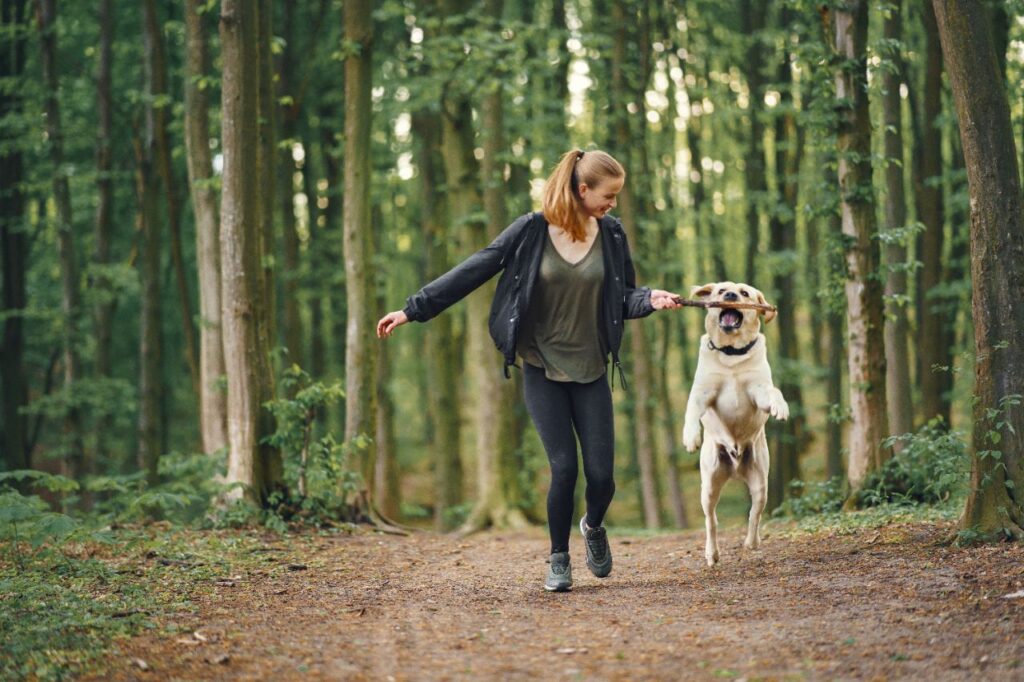
A consistent exercise routine plays a crucial role in managing your dog’s behavior. Regular physical activity helps tire them out, preventing excess energy from manifesting as destructive behaviors like chewing or barking. Whether it’s daily walks, interactive play, or structured activities like fetch or agility training, exercise gives your dog a positive outlet. The key is consistency, which helps establish a routine that fosters a calmer, more focused dog. A well-exercised dog is often a better-behaved companion.
2. Positive Reinforcement

Positive reinforcement is a powerful tool when addressing your dog’s behavior. Rather than punishing unwanted actions, focus on rewarding the behaviors you want to see more of. When your dog follows a command or behaves well, immediately offer a treat, praise, or a fun activity as a reward. This approach teaches your dog to associate positive outcomes with the behavior, encouraging them to repeat it. Consistency in offering rewards for desired actions helps reinforce good habits and strengthen your bond.
3. Enforcing Intermittent Time-Outs

Enforcing intermittent time-outs is an effective way to address unwanted behavior in dogs. When your dog acts out—whether through excessive barking, jumping, or destructive chewing—a brief time-out can help them calm down and reset. By removing them from the situation, you show that their behavior leads to the loss of attention or interaction. Consistency is key: time-outs should be short (about 1-2 minutes) and in a neutral space where they aren’t distracted. This approach teaches your dog that certain actions result in consequences, helping them learn better behavior over time.
4. Ensure Mental Stimulation

Ensuring mental stimulation is key to addressing behavioral issues in dogs. Dogs need more than just physical exercise; they require activities that challenge their minds and keep them engaged. Puzzle toys, scent games, and obedience training are great ways to provide mental stimulation. By keeping their brain busy, you help prevent destructive behaviors caused by boredom, such as chewing or excessive barking. Regular mental challenges not only improve behavior but also strengthen your bond with your dog as you engage in fun, interactive activities together.
5. Using Equipment

Using the right equipment can make a significant difference when managing your dog’s behavior. A muzzle, for instance, can be helpful for dogs that are prone to biting or aggressive behavior, offering both safety and control while working on training. A gentle leader can help with leash pulling by providing better guidance and control without causing discomfort. Similarly, a well-fitted leash ensures you can guide your dog, preventing undesirable behavior like lunging or excessive pulling. These tools, when used correctly, can aid in behavior correction and improve communication with your dog.
6. Avoid Overfeeding

Overfeeding, especially giving your dog table scraps, can lead to undesirable behaviors like begging, food aggression, and even obesity. While it’s tempting to share your meals, it’s important to maintain a consistent feeding routine with proper portions tailored to your dog’s breed and size. Feeding scraps can confuse your dog about what is appropriate to eat, leading to poor habits. Instead, focus on providing healthy treats and snacks in moderation, reinforcing positive behavior while promoting a balanced diet for a happier, healthier dog.
7. Ensure A Calm Environment

Creating a calm environment is crucial when addressing your dog’s behavior. Dogs are highly sensitive to their surroundings, and a noisy or chaotic space can increase anxiety, leading to undesirable behaviors. Ensure your home is quiet and peaceful, especially during training sessions. Minimize distractions like loud sounds or excessive movement. You can also create a safe, cozy spot for your dog to retreat to when they feel overwhelmed. A tranquil environment promotes relaxation, making it easier for your dog to learn and respond positively to training.
8. Utilize Dog Toys

Utilizing dog toys is a great way to address various behavioral issues in your dog. For excessive chewing, durable chew toys can redirect your dog’s focus from furniture or shoes. Similarly, toys designed for mental stimulation, like puzzle feeders, can curb boredom-related behaviors like digging or excessive barking. Interactive toys encourage healthy play and can help manage hyperactivity or destructive tendencies. By offering a variety of engaging toys, you can satisfy your dog’s instincts while teaching them appropriate behavior.
9. Avoid Excessive Petting

Excessive petting can sometimes reinforce unwanted behavior in dogs, especially if it’s used to calm them during moments of anxiety or restlessness. While showing affection is important, overindulging in physical attention can create dependency, making your dog less likely to settle on their own. Instead, try using petting as a reward for good behavior or to reinforce calmness. By balancing affection and encouraging independent behavior, you teach your dog how to manage their emotions, leading to more controlled and balanced behavior overall.
10. Ensure Sufficient Socialization
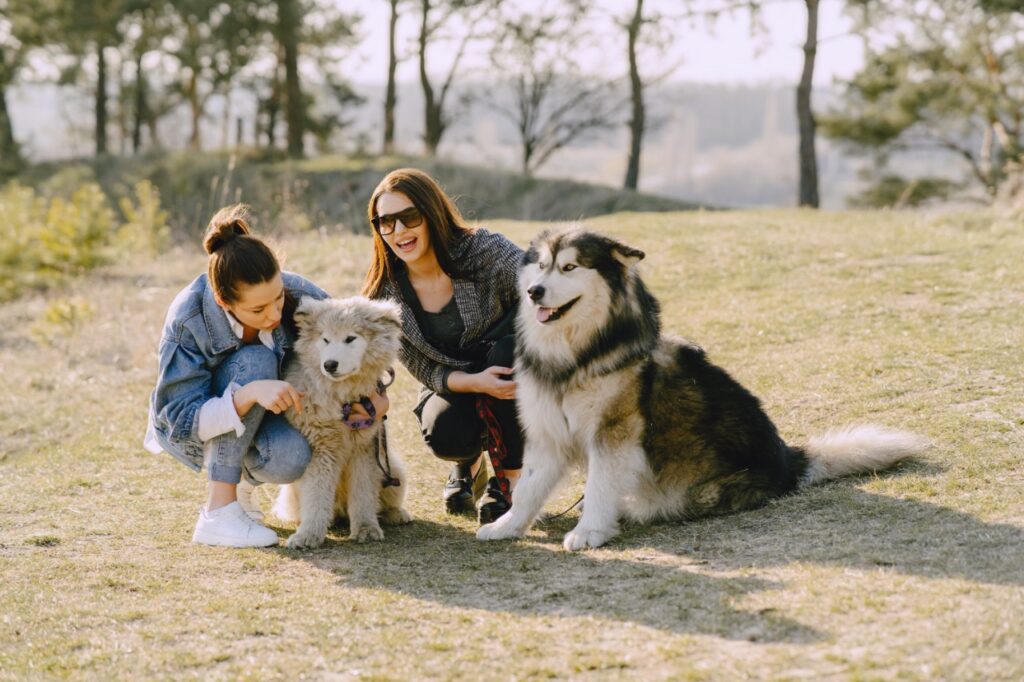
Ensuring your dog receives adequate socialization is key to improving behavioral issues. Dogs that aren’t properly socialized may display fear, aggression, or anxiety in new situations. Start early by exposing your dog to different environments, people, and other dogs in a controlled manner. Gradually increase the level of challenge to help them feel comfortable and confident in various settings. Positive socialization experiences will teach your dog how to behave appropriately, reducing unwanted behaviors and fostering a well-adjusted pet.
Love Pets as Much as We Do?

Scroll up and click the ‘Follow’ button to stay updated with the latest heartwarming, hilarious, and helpful pet posts from Pawdown, delivered straight to your Microsoft Start feed and MSN homepage!