
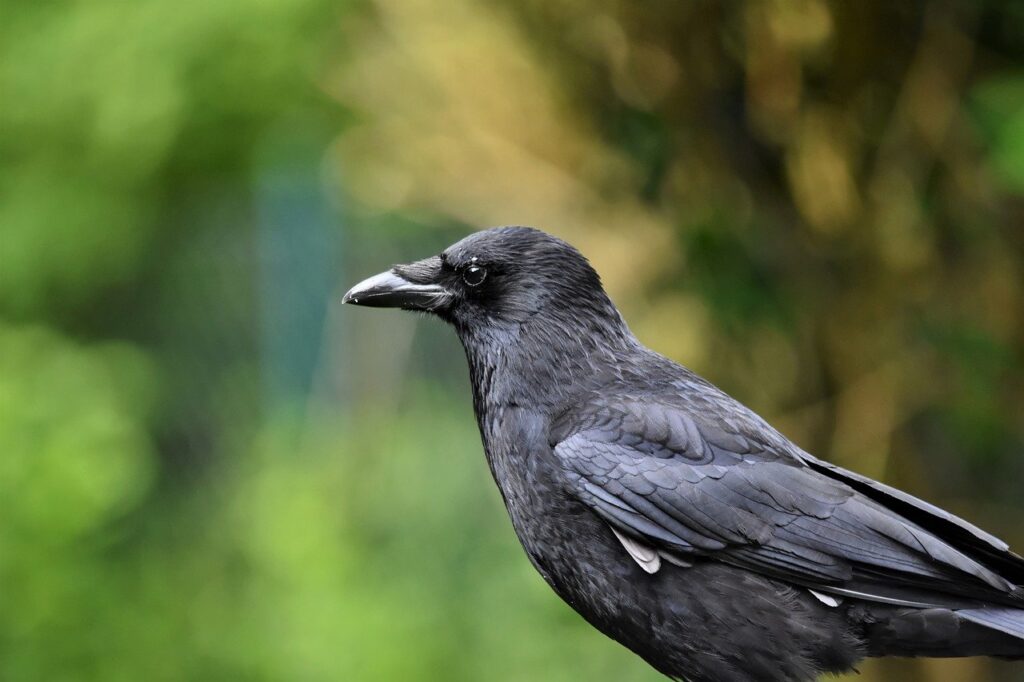
Crows are among the most intelligent birds on the planet, admired for their problem-solving skills, complex social structures, and uncanny ability to mimic human speech. While the idea of keeping a crow as a pet may sound intriguing, it’s a decision that requires careful thought and preparation. Unlike traditional pets, crows have unique needs and behaviors that can challenge even the most experienced bird enthusiasts. Before you embark on this journey, here are ten crucial things you need to understand to ensure both your and the crow’s well-being.
1. Legal Considerations

Crows are protected under various wildlife conservation laws in many countries. For instance, in the United States, crows are covered by the Migratory Bird Treaty Act, making it illegal to keep them as pets without a special permit. Violating these laws can lead to hefty fines or even imprisonment. Before bringing a crow into your life, research local and national regulations to avoid legal complications. Permits, if required, may be issued only for specific purposes, such as rehabilitation or falconry, not personal companionship. Understanding the legal framework is not just a formality—it’s a fundamental step in responsible bird ownership.
2. Crows Are Wild Animals
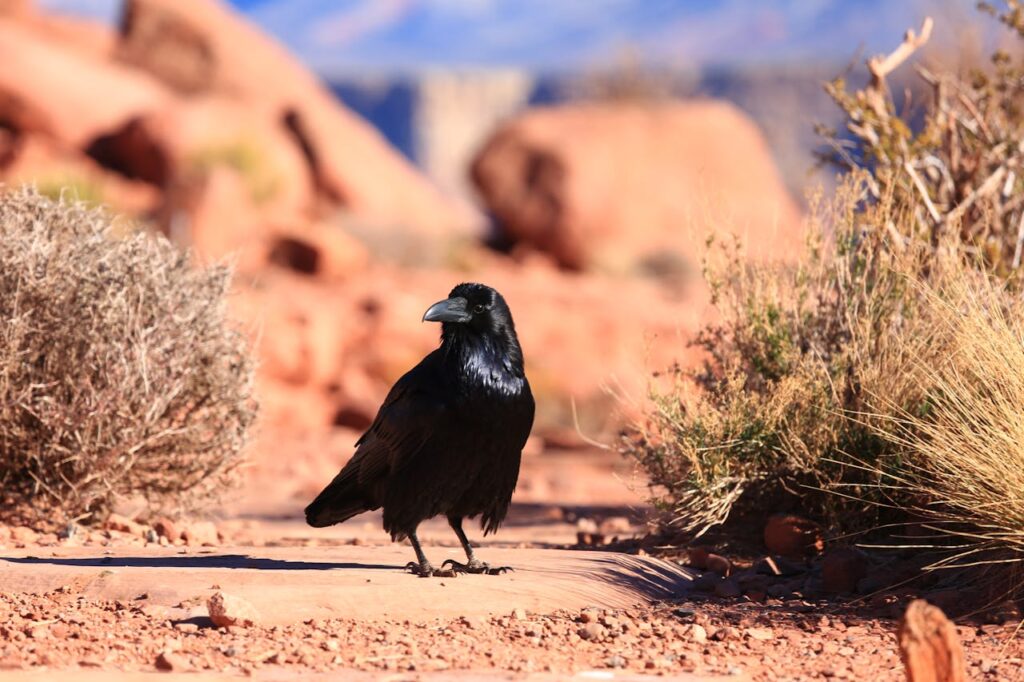
Unlike domesticated animals, crows have not been bred to live alongside humans. Their instincts and behaviors are deeply rooted in the wild, which makes their care significantly more challenging. A crow’s independence and high intelligence mean they may not adapt well to confinement or the routines expected of traditional pets. Instead of a companion that follows human-centric behavior, expect a bird that remains largely self-directed. Understanding and respecting this wild nature is essential for anyone considering keeping a crow.
3. Intelligence and Enrichment
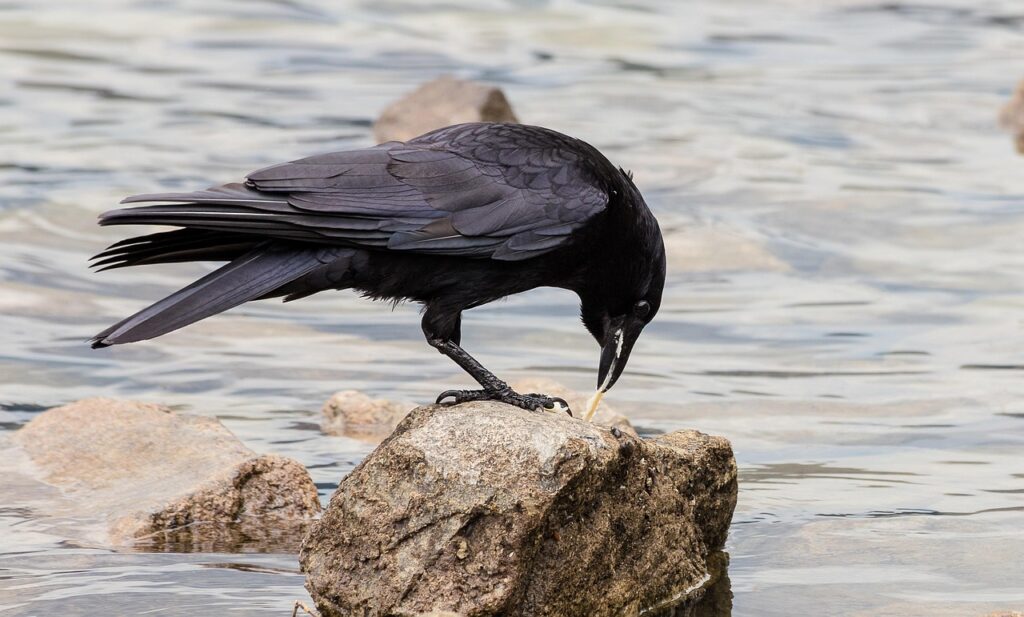
Crows are astonishingly intelligent, often compared to primates. They are capable of solving complex puzzles, recognizing human faces, and even using tools. However, this level of intelligence comes with a need for constant mental stimulation. A bored crow can become destructive, anxious, or even depressed. Providing enrichment activities, such as interactive toys, puzzles, and varied experiences, is essential. You’ll need to dedicate time every day to ensure their mind stays active and engaged.
4. Social Needs

Crows are highly social creatures that thrive in the company of their own kind. In the wild, they form close-knit family groups and cooperate to forage, defend territory, and raise young. Isolating a crow from its social structure can lead to loneliness and behavioral problems. While you may form a bond with a crow, you cannot fully replace the interactions it would have with other crows. This social complexity must be carefully considered, as loneliness can severely impact their well-being.
5. Dietary Requirements
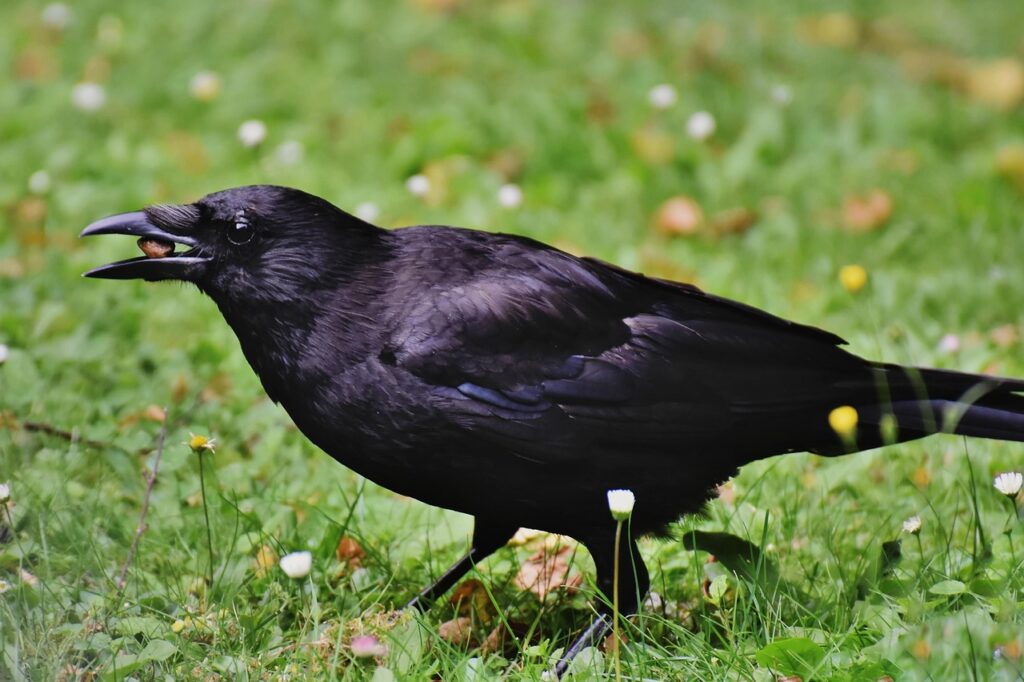
Crows are omnivores with a diverse diet, ranging from fruits and nuts to small mammals and carrion. Meeting their nutritional needs in captivity requires a balanced diet that mimics their natural food sources. A typical diet might include fresh fruits, vegetables, protein sources like eggs or lean meats, and specialized bird pellets. Feeding them solely scraps or seeds is insufficient and can lead to malnutrition. Additionally, crows can be opportunistic feeders, so secure food storage is crucial to prevent them from overeating or eating inappropriate items.
6. Space and Housing
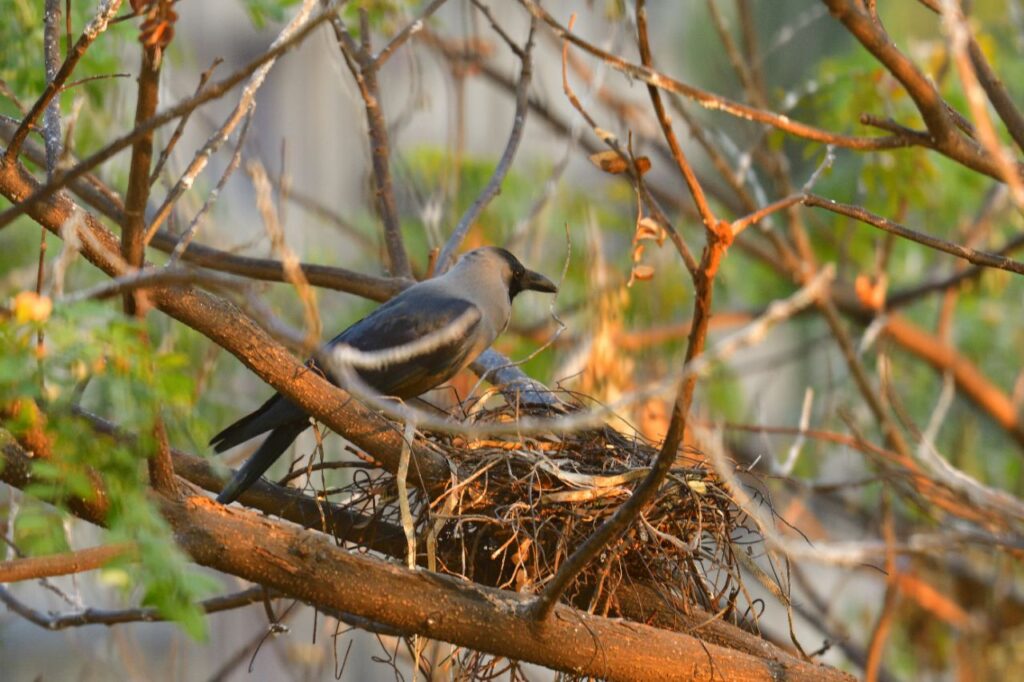
Crows are active and require ample space to fly, explore, and forage. A standard birdcage is entirely inadequate for their needs. They require a large aviary or outdoor enclosure with room to stretch their wings and engage in natural behaviors. The enclosure should include perches, nesting areas, and stimulating elements such as branches, leaves, and water features. Without adequate space, crows can develop physical and psychological issues, including feather plucking and stress-related illnesses.
7. Long Lifespan
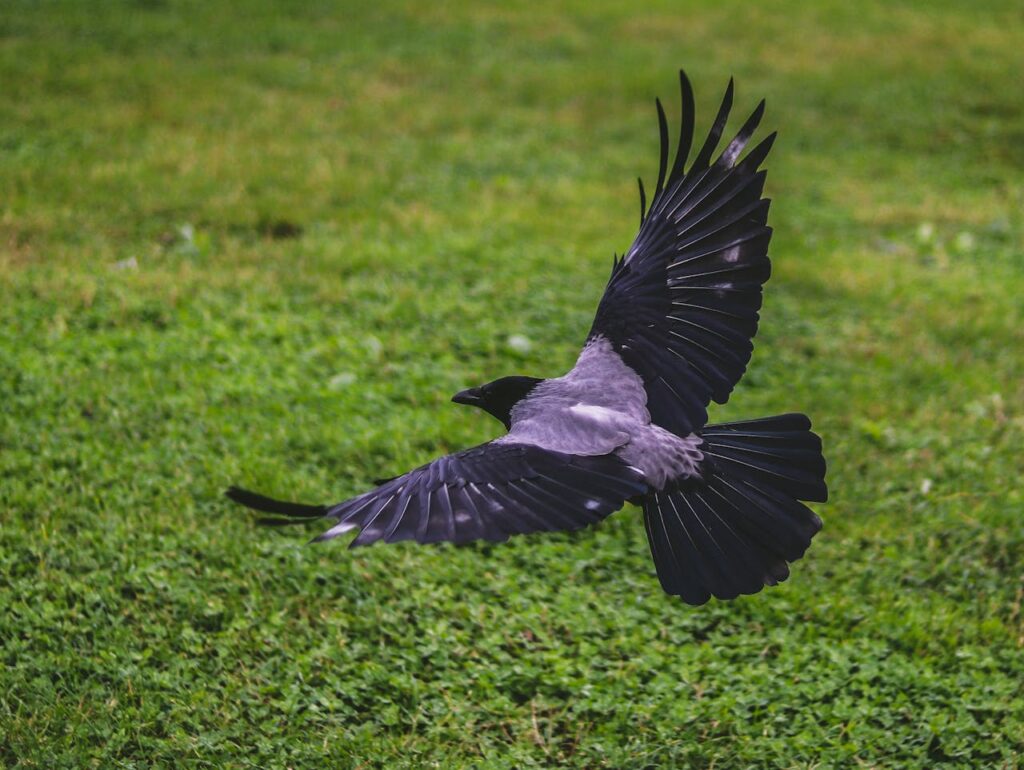
Crows have a surprisingly long lifespan, often living 20 years or more in captivity with proper care. This long-term commitment is not something to take lightly. You’ll need to plan for their care across decades, considering potential life changes such as moving, career shifts, or family dynamics. Their long lifespan means staying consistent in providing proper nutrition, enrichment, and medical care throughout their life stages. Understanding the changes in their behavior and health as they age is crucial. Ensuring you’re prepared for this level of responsibility can prevent neglect or rehoming, both of which can harm the bird’s well-being.
8. Behavioral Challenges
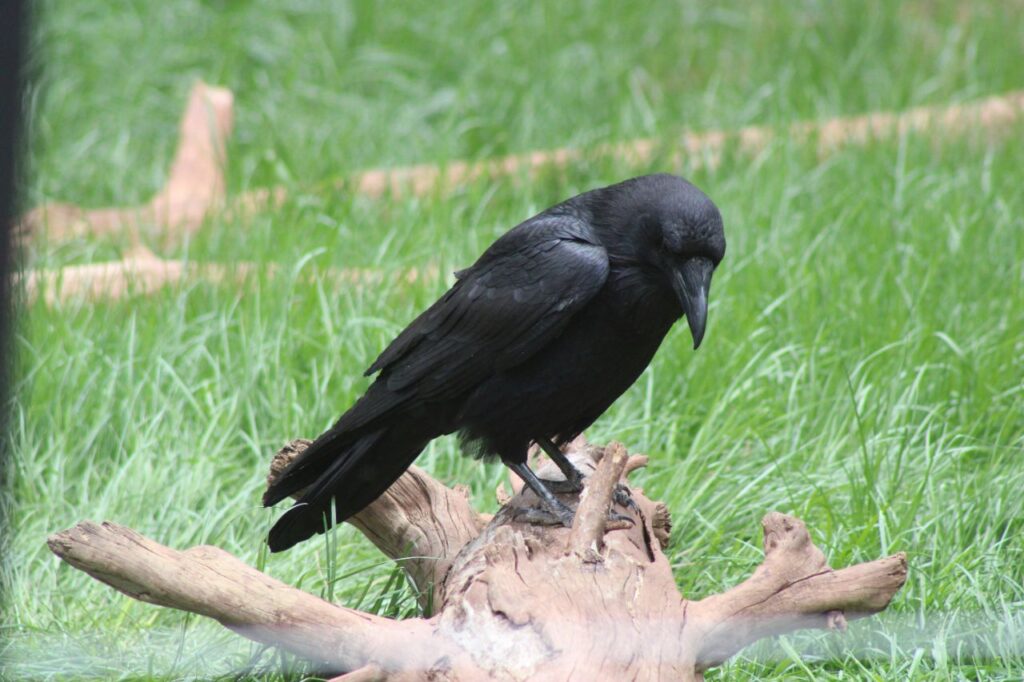
Crows are notorious for their mischievous nature. They are curious, bold, and often test boundaries, which can lead to unexpected challenges. From opening containers and stealing shiny objects to dismantling small items, their behavior can be both entertaining and exasperating. Training and setting boundaries are possible, but these birds are not easily “tamed” in the conventional sense. Patience and adaptability are essential traits for anyone considering a crow as a companion.
9. Potential for Noise
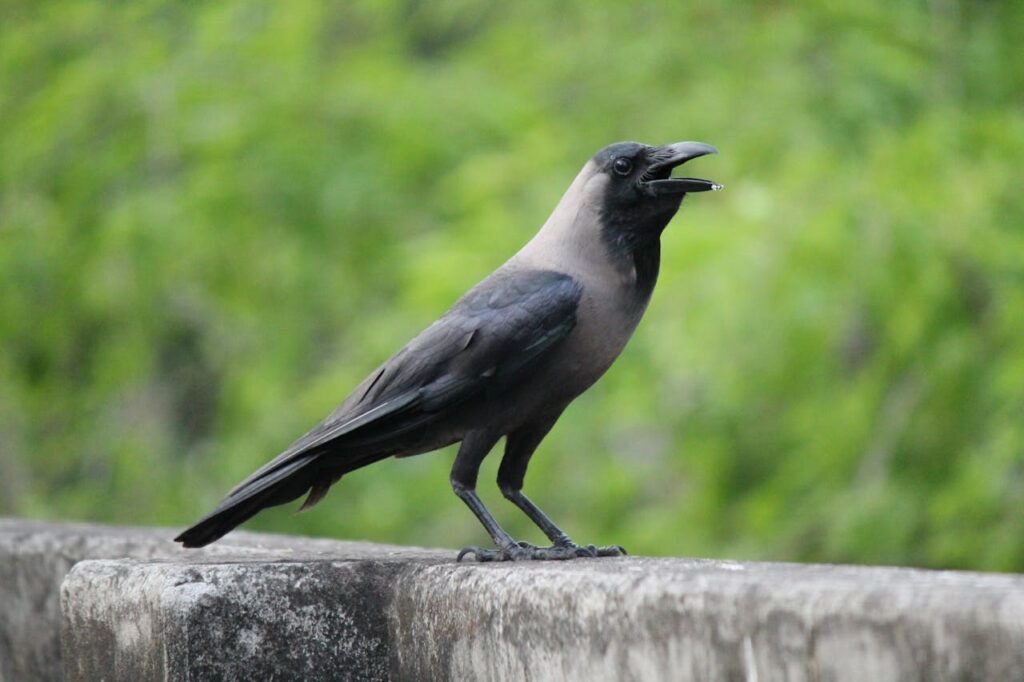
Crows are vocal birds, using a wide range of calls and sounds to communicate. While their vocalizations can be fascinating, they can also be loud and persistent. If you live in a densely populated area or have noise-sensitive neighbors, a crow’s calls could become a significant issue. Their vocal habits often include loud caws that serve various purposes—warnings, attracting attention, or socializing with other birds. These sounds can occur at any time of day, and their frequency can intensify during certain seasons. To avoid conflict with neighbors or household disturbances, consider how you will manage their vocalizations and whether your living environment is compatible with this aspect of crow behavior.
10. Ethical Considerations
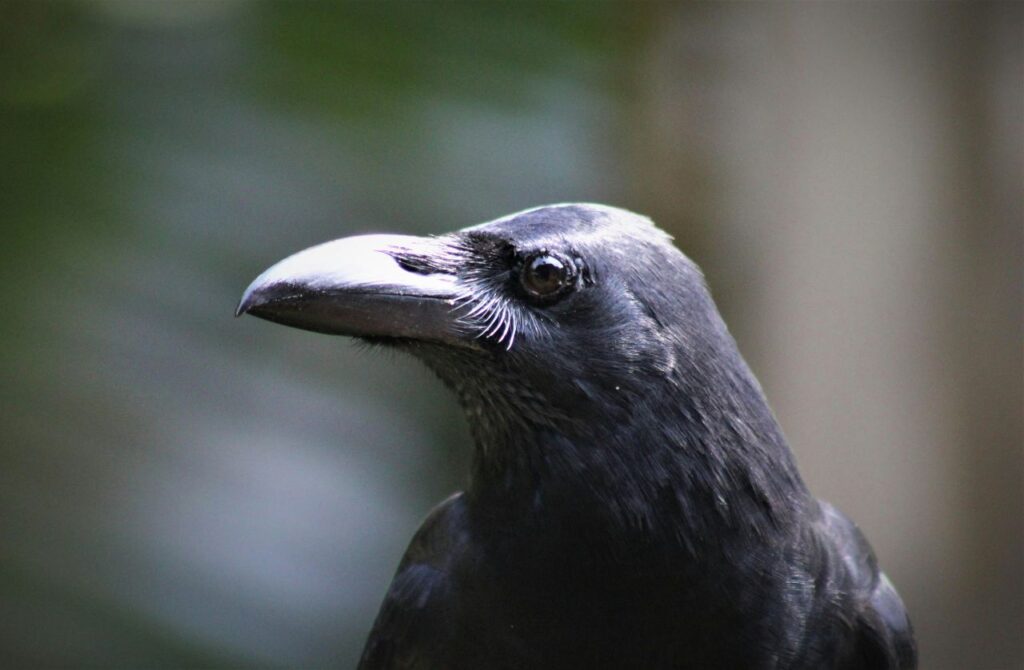
Perhaps the most important point to consider is whether it’s ethical to keep a crow as a pet at all. These birds are wild by nature and play a crucial role in their ecosystems. Removing them from the wild, even with good intentions, can disrupt their natural behaviors and social structures. Captive crows may miss out on opportunities to engage in key survival skills, such as foraging and flocking with others of their species. Instead of keeping a crow as a pet, consider supporting conservation efforts, educating others about their ecological importance, or creating a crow-friendly environment in your yard. This way, you can appreciate their intelligence and beauty without compromising their natural lifestyle.
Love Pets as Much as We Do?

Scroll up and click the ‘Follow’ button to stay updated with the latest heart-warming, hilarious, and helpful pet posts from Pawdown, delivered straight to your Microsoft Start feed and MSN homepage!