
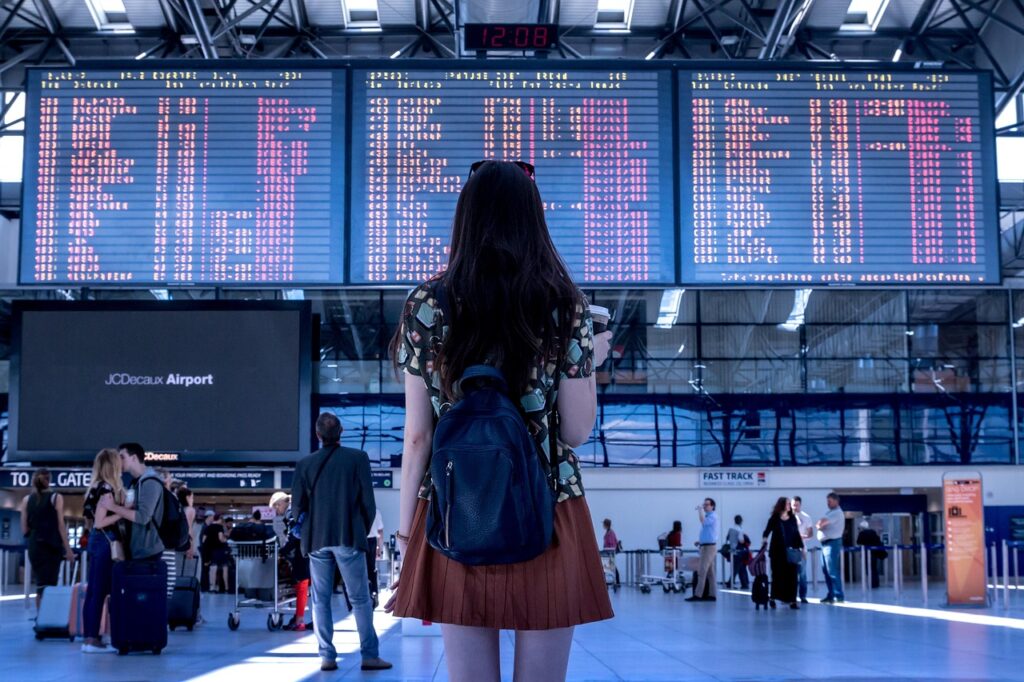
A dream vacation can take an unexpected turn the moment your flight is diverted to a foreign land. What happens next often catches travelers off guard—surprise visa rules, unfamiliar languages, and unexpected costs can turn a short delay into a full-blown travel saga. For Americans, these detours can be filled with eye-opening surprises that reshape how they view international travel. Here’s what to know before your next diversion leads you somewhere completely unplanned.
1. Unexpected Visa Requirements Catch Travelers Off Guard

It’s easy to assume a brief international stopover won’t require any formal entry paperwork, but many travelers are surprised to learn that even short diversions can trigger visa requirements. Some countries insist on transit or visitor visas regardless of the length of stay or whether you leave the plane. This catch can cause serious delays, costly last-minute visa applications, or even denied entry. Knowing the visa rules for possible diversion points can save travelers from unnecessary headaches.
2. Customs and Immigration Lines Can Stretch for Hours
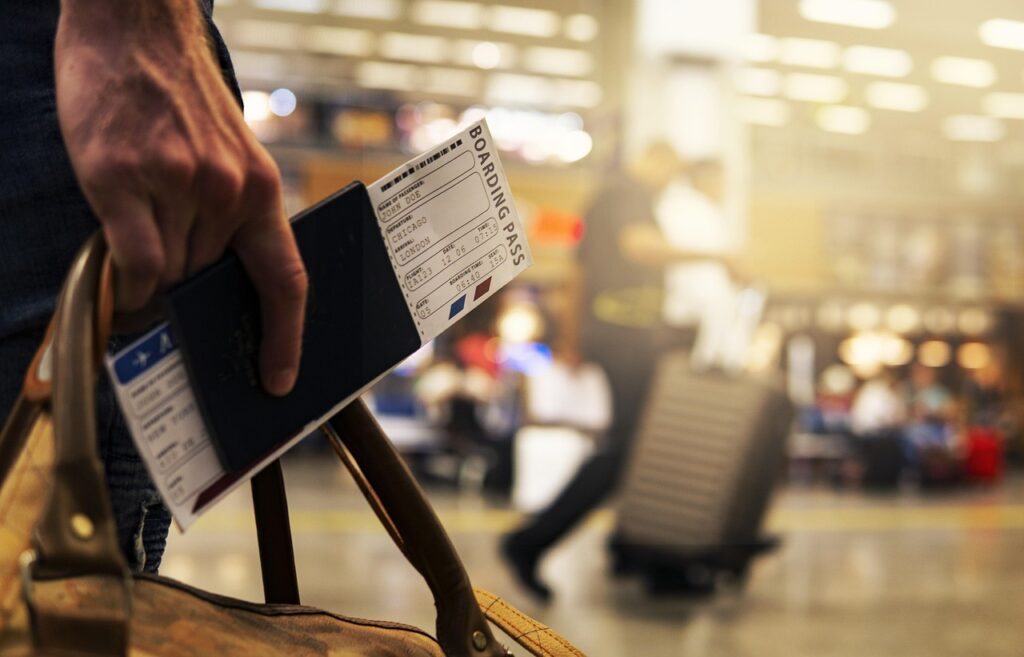
When flights are diverted internationally, passengers often face long waits at immigration checkpoints. Unlike simple layovers, diversion landings sometimes require officially entering the country, meaning customs and immigration checks are unavoidable. The resulting lines can be frustratingly slow, especially during peak hours or at airports unfamiliar to you. These delays can compound stress and jeopardize connecting flights, making patience and preparedness essential.
3. Language Barriers Make Navigation Confusing

Imagine being rerouted to a foreign airport where announcements are only in the local language and signage lacks English translations. This language gap can leave travelers bewildered about gate changes, boarding times, or even basic instructions. Without clear communication, anxiety and mistakes multiply. Carrying a translation app or having basic knowledge of common phrases can significantly ease the confusion in these unexpectedly foreign settings.
4. Connection Timings Turn Unpredictable and Stressful
A diverted flight shakes up your carefully planned itinerary. After a diversion, delays during disembarkation and boarding often mean connecting flights are missed or tightened beyond comfortable margins. The ripple effect can extend to entire travel plans, forcing travelers to scramble for alternate routes, accommodation, or even miss important commitments. Flexibility and quick thinking become invaluable assets amid such unpredictable timing challenges.
5. Reclaiming and Rechecking Baggage Creates Extra Hassles

Many assume checked baggage automatically transfers to the next flight, but diversions often break this chain. Passengers might need to collect their luggage through customs and recheck it, a process unfamiliar and frustrating for many. This can be especially daunting in large or complex airports with unclear signage. Navigating baggage protocols efficiently requires vigilance and sometimes assistance from airline staff to avoid lost or delayed luggage.
6. Finding Ground Transportation Can Be a Tough Puzzle
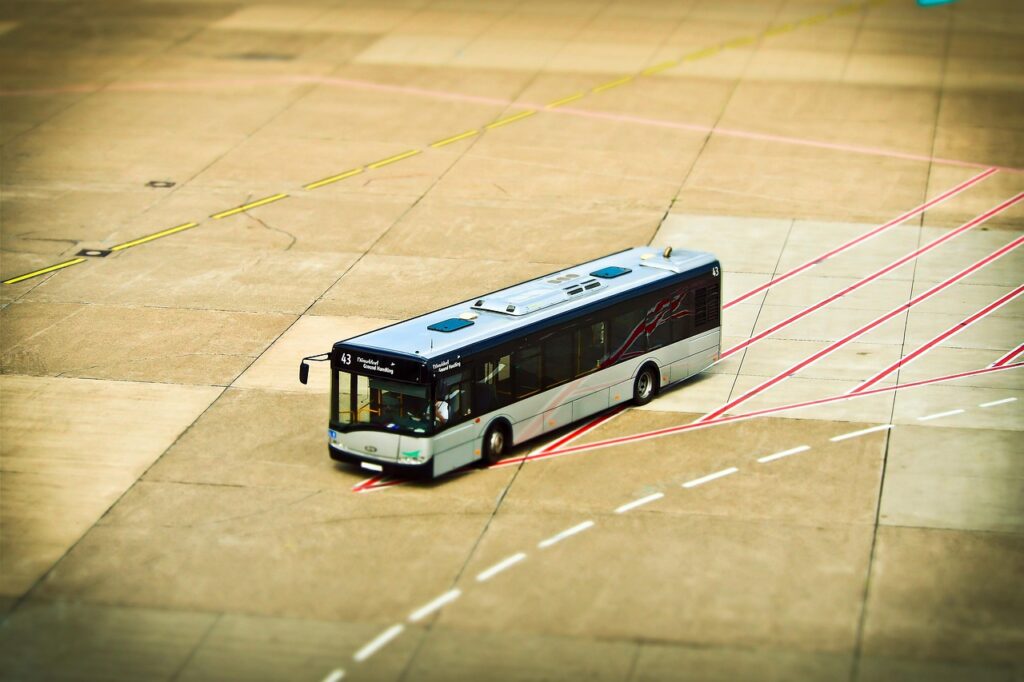
When airlines can’t provide immediate onward flights, travelers must figure out ground transport on their own. This can mean arranging taxis, buses, or rental cars in an unfamiliar city, often late at night or with limited public transit options. Language differences and local transportation quirks add to the challenge. Preparing by researching local transport beforehand or downloading ride-hailing apps can make these unplanned transfers smoother and less stressful.
7. Hotel Accommodations May Not Be Guaranteed or Comfortable

Many expect airlines to automatically provide hotel stays during long diversions, but availability is not always assured. Popular diversion airports can quickly run out of airline-partnered hotel rooms, forcing passengers to find their own lodging—often at premium last-minute prices. This unpredictability can add stress and expense to an already difficult situation. Carrying a list of nearby hotels or using booking apps can help travelers secure a place to rest when needed.
8. Roaming Charges Can Balloon Unexpectedly

Being stranded abroad often means relying on your phone for critical information, but international roaming charges can escalate alarmingly. Without the right international plan, your device may automatically connect to expensive local networks, generating surprise bills. This hidden cost catches many off guard. Purchasing a local SIM card, enabling Wi-Fi calling, or pre-purchasing international data can help keep communication affordable and accessible during diversions.
9. Meal Provisions Are Inconsistent Across Airlines and Airports

Passengers enduring long waits due to diversions might expect complimentary meals, but airline policies vary widely. Some carriers provide food vouchers or snacks, while others offer nothing beyond basic water. Local airport amenities and curfews also influence availability. This inconsistency can leave travelers unprepared for extended hunger during delays. Carrying your own snacks and water bottle can ease discomfort during unpredictable meal gaps.
10. Insurance Coverage for Diversions Often Confuses Travelers
Many travelers buy insurance expecting smooth compensation during travel hiccups, but coverage specifics around diversions can be murky. Insurance policies differ in defining eligible delays, cancellations, or disruptions, and many exclude weather or air traffic control reasons. Understanding your policy’s fine print before travel ensures you know when you’re protected or when you’ll bear costs yourself. Clarity in coverage helps reduce anxiety when unexpected diversions occur.