
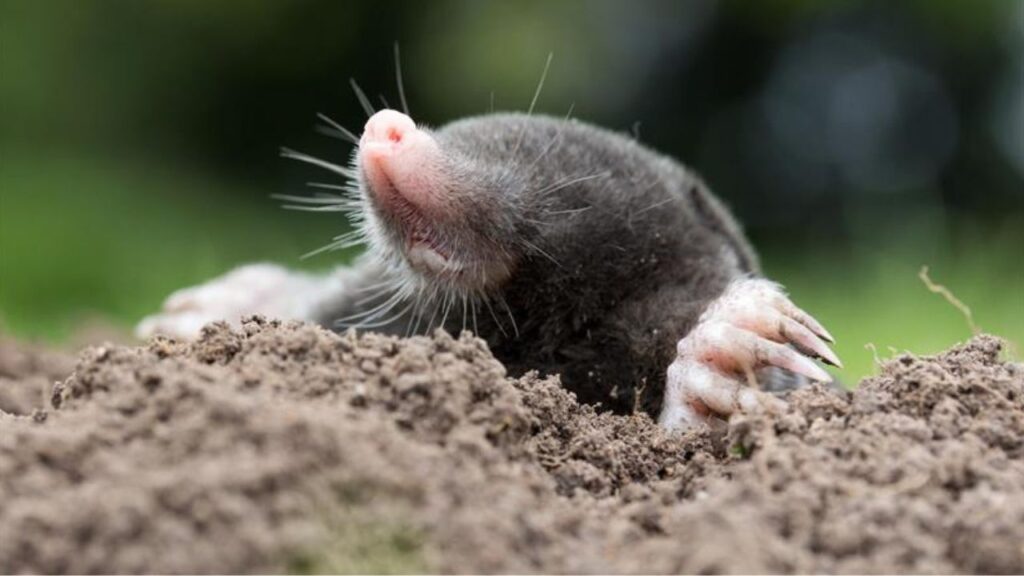
Beneath our feet lies an entire hidden ecosystem where sunlight never reaches. In this subterranean world, some creatures have adapted to spend their entire lives underground. Shielded from predators and harsh weather, these animals have evolved extraordinary traits to survive in darkness, with limited food and confined spaces. From mammals to amphibians and crustaceans, here are 10 fascinating creatures that have mastered life underground.
1. Naked Mole-Rat
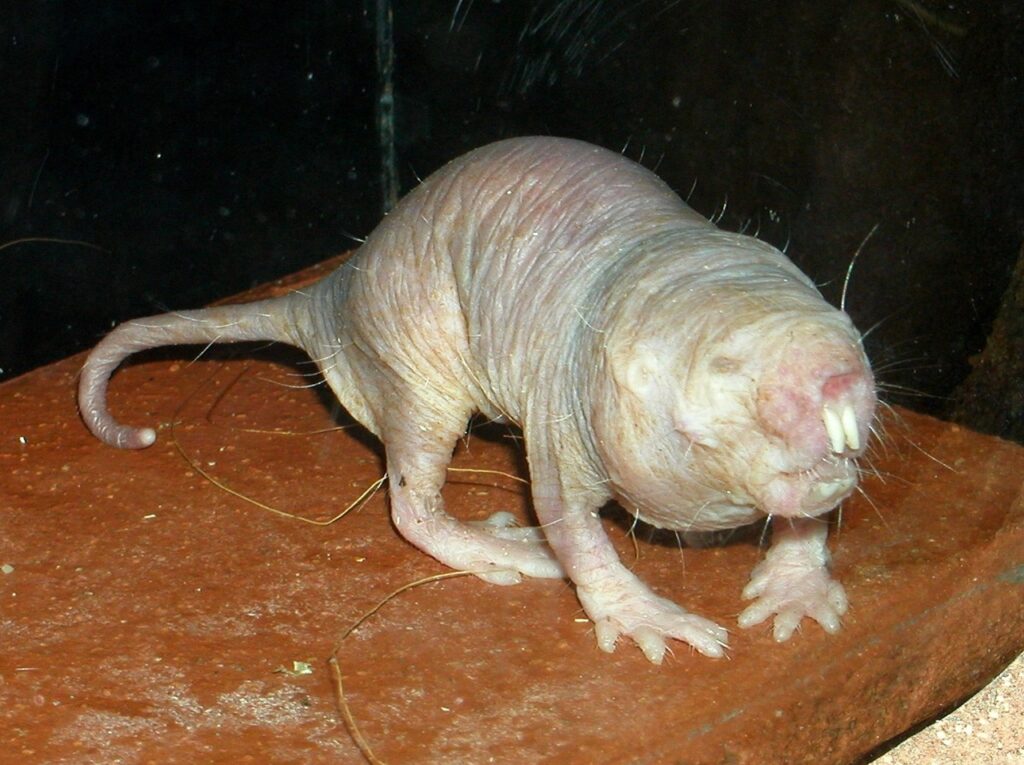
Native to East Africa’s dry landscapes, the naked mole-rat lives its entire life in a maze of underground tunnels. These social rodents form colonies with strict hierarchies, much like ants or bees. Remarkably resilient, they have evolved to thrive with minimal oxygen and are highly resistant to cancer. With nearly hairless, wrinkled skin and large incisors used for digging, they are built for a subterranean existence. Their long lifespan, often exceeding 30 years, makes them one of the most intriguing mammals for scientific study.
2. Blind Mole
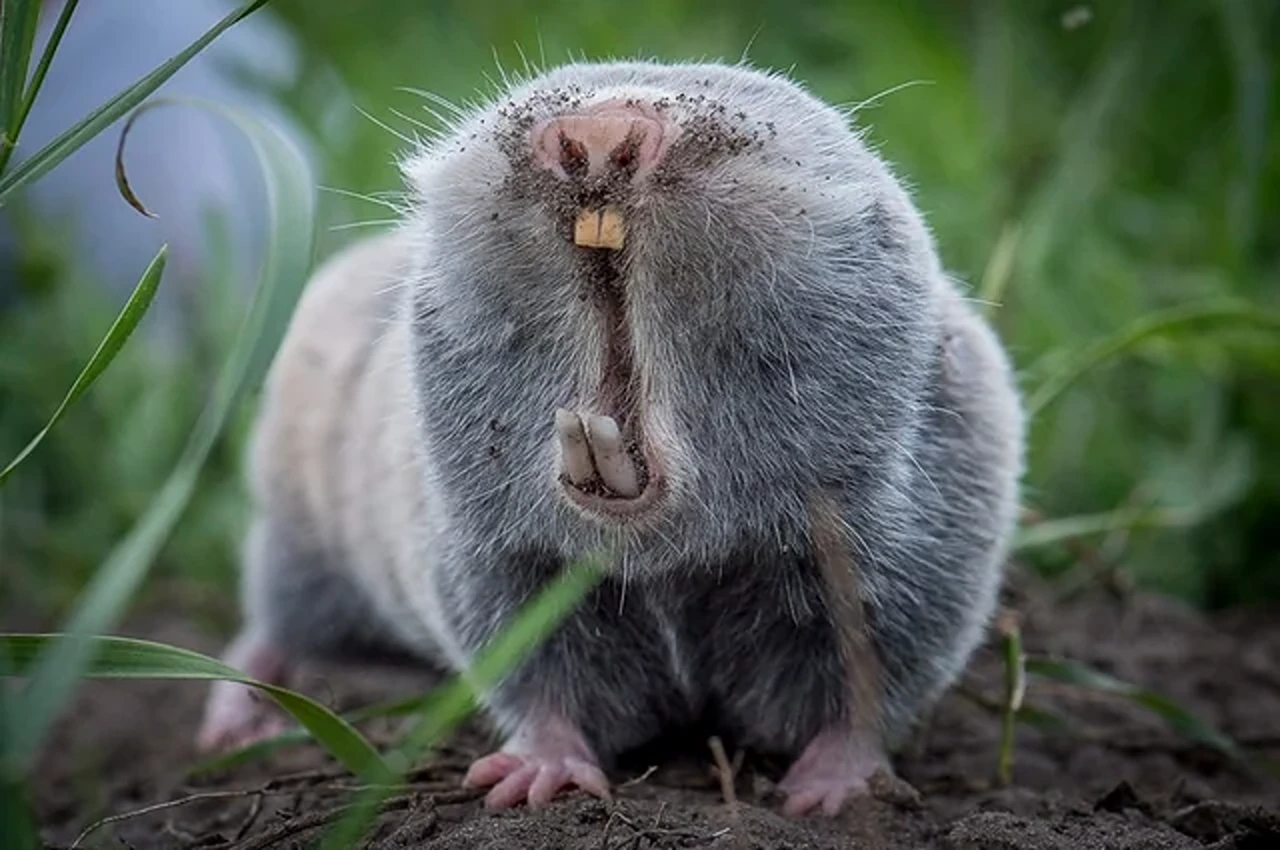
Found across parts of Europe, the blind mole is a true specialist of the underground world. Although they possess eyes, they are covered by skin and fur, rendering them functionally blind. Instead of sight, they rely on their sensitive snouts and whiskers to navigate. Their strong forelimbs are perfectly adapted for digging, allowing them to tunnel efficiently while searching for insects and earthworms. Specialized adaptations in their lungs and blood help them survive in low-oxygen, high-carbon dioxide environments underground.
3. Olm
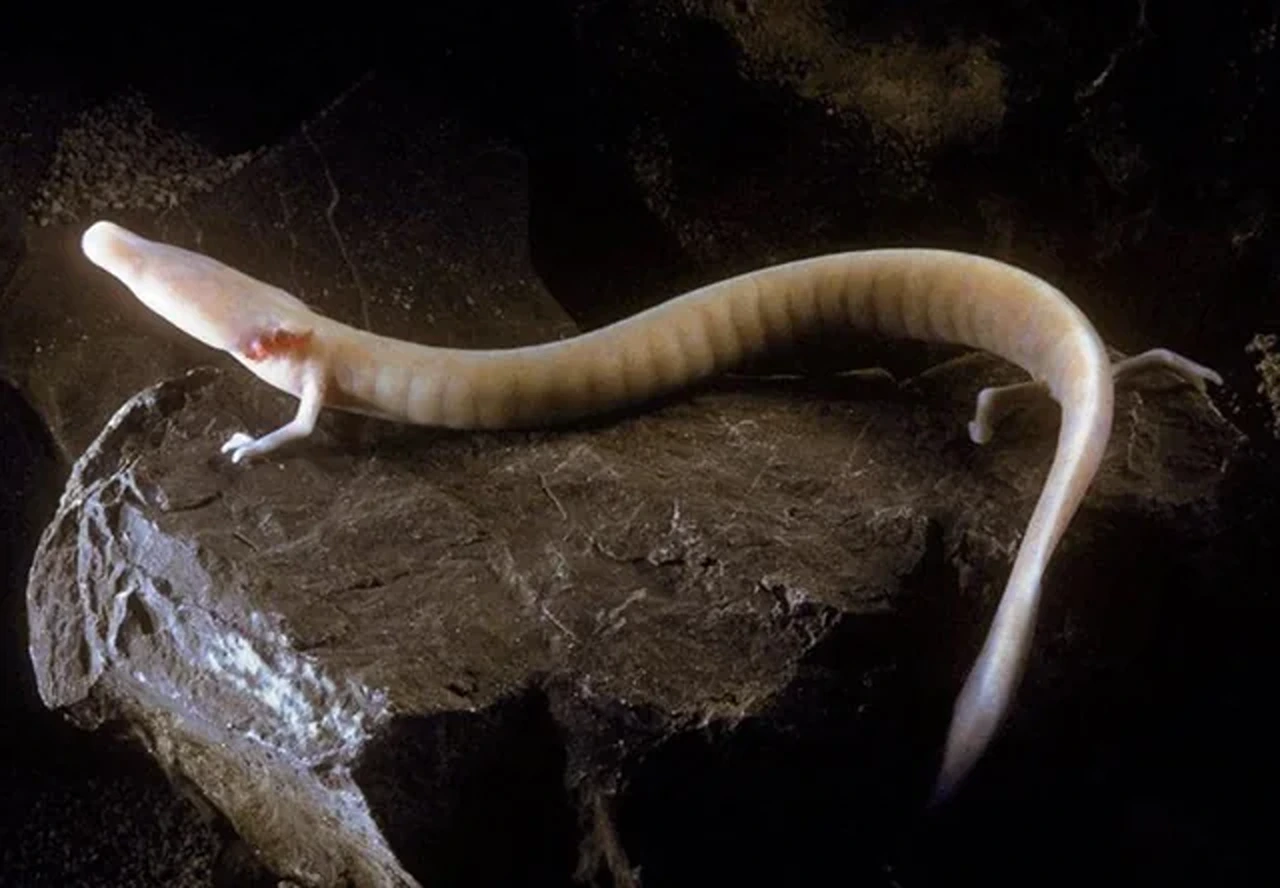
Dwelling in the underwater caves of southeastern Europe, the olm is a fascinating amphibian adapted to life in complete darkness. With pale skin and underdeveloped eyes, olms are blind but compensate with heightened senses of smell and hearing. They can survive for years without food by slowing their metabolism dramatically. Retaining larval traits like external gills throughout their life, olms have lifespans that can exceed 100 years, a rare feat among amphibians.
4. African Mole-Rat
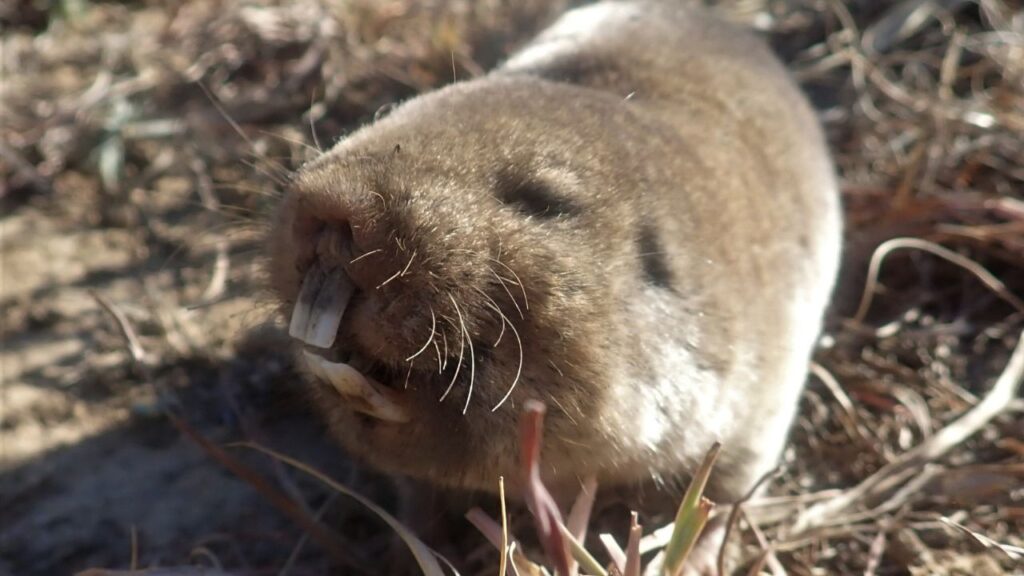
African mole-rats, found throughout sub-Saharan Africa, are adept underground architects. Unlike their naked relatives, these mole-rats are covered in short fur and live in smaller family groups. Their powerful incisors are key tools for tunneling, and they communicate through vibrations in the soil. Their extensive burrow systems include specialized chambers for nesting and food storage, reflecting their cooperative and organized social behaviors.
5. Texas Blind Salamander
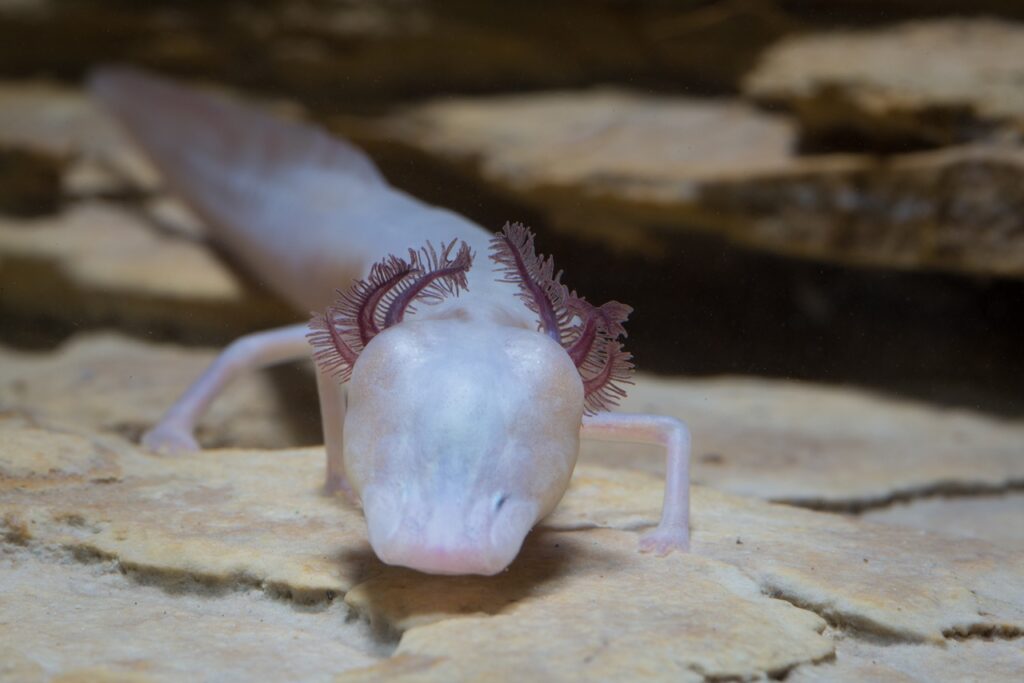
Endemic to the underground aquifers of Texas, the Texas blind salamander is a unique amphibian adapted to life without light. With ghostly white skin and external gills for breathing, these salamanders navigate their aquatic habitat by sensing water pressure changes. Despite their lack of vision, they are effective predators, detecting tiny crustaceans and insects with specialized skin cells sensitive to vibrations.
6. Marsupial Mole
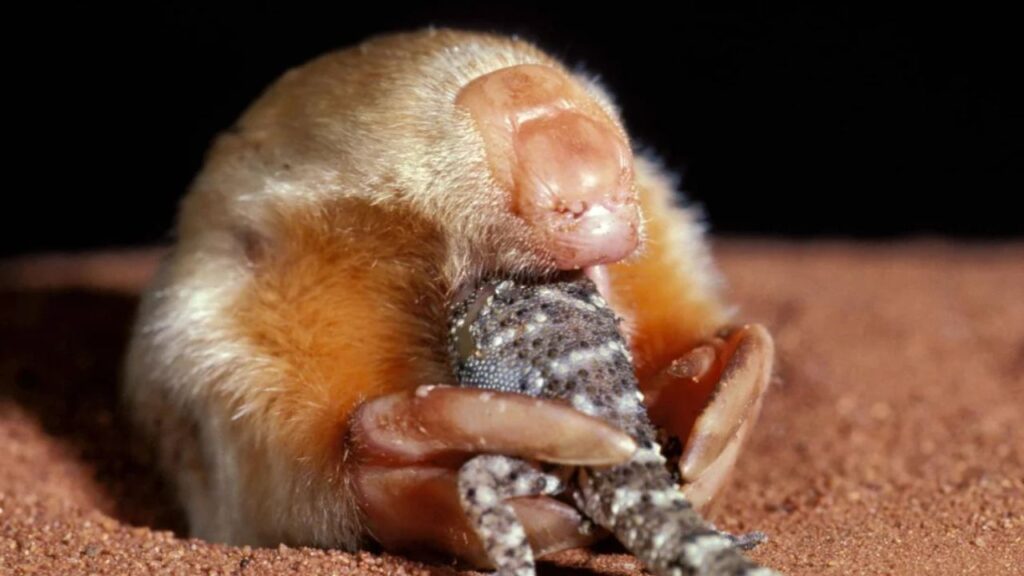
In the sandy deserts of Australia, marsupial moles have evolved a different approach to subterranean life. Instead of building permanent tunnels, they “swim” through the sand using powerful forelimbs and sleek bodies. Their eyes are reduced to vestigial structures covered by skin, and their pouch faces backward to prevent sand from entering while carrying young. Rarely seen, these creatures remain some of the most mysterious inhabitants of Australia’s deserts.
7. Giant South African Earthworm
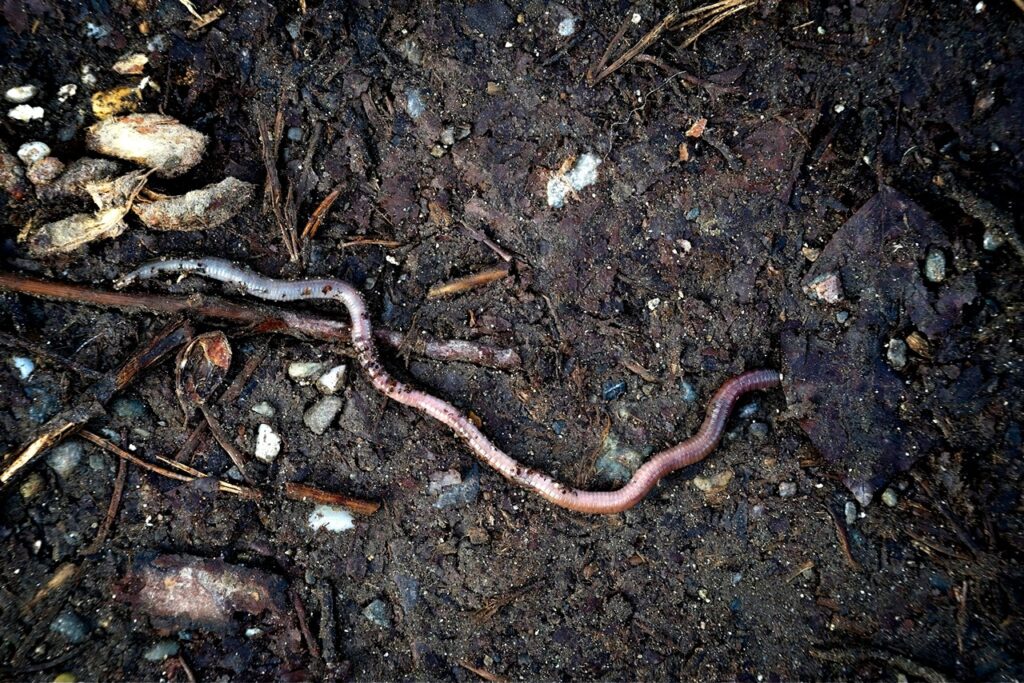
Stretching up to 22 feet in length, the giant South African earthworm is one of the largest of its kind. These enormous worms build extensive underground burrow systems, rarely surfacing. They play a critical role in aerating and enriching soil ecosystems, processing tons of soil every year. Farmers can sometimes locate them by the gurgling sounds they make as they move underground, underscoring their vital yet hidden role in maintaining healthy soils.
8. Mexican Burrowing Caecilian
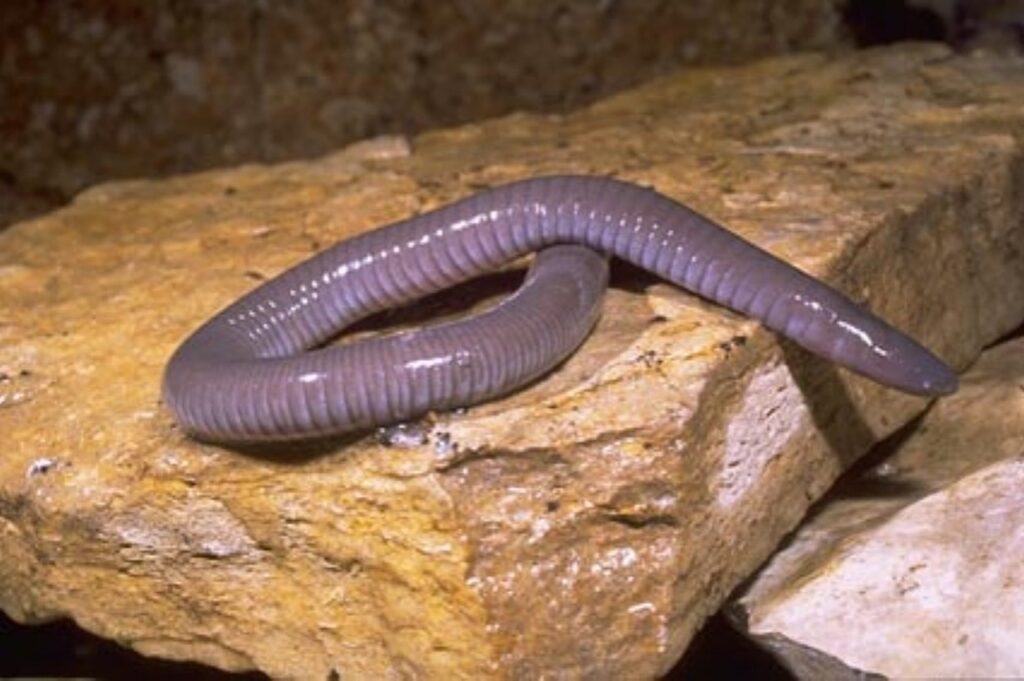
Resembling oversized earthworms, Mexican burrowing caecilians are legless amphibians that spend their lives burrowing through Central American soils. They rely on retractable sensory tentacles to navigate and locate prey underground. With their skin embedded with tiny scales and producing lubricants to ease movement, they are perfectly designed for life beneath the surface. Unique among amphibians, their young feed on the mother’s skin in a specialized form of maternal care known as dermatophagy.
9. Blind Cave Crayfish
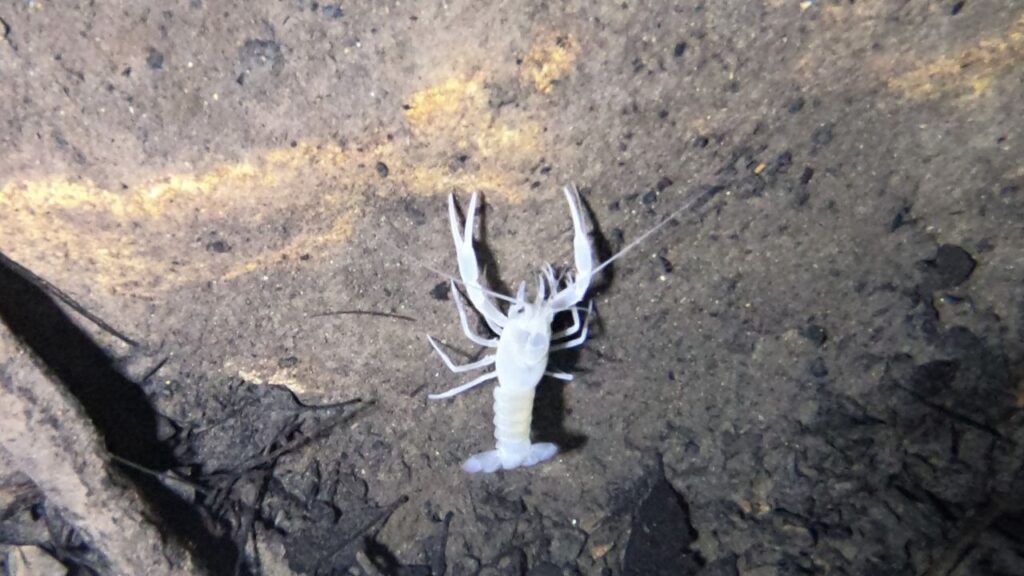
The blind cave crayfish, found in the subterranean waterways of the southeastern United States, has adapted remarkably to a life without light. These crustaceans are translucent and lack functional eyes. They navigate their dark habitats using long, sensitive antennae and have extremely slow metabolisms, enabling them to survive on scarce food resources for extended periods. As key indicators of aquifer health, their presence highlights the importance of groundwater conservation.
10. Brazilian Blind Characid
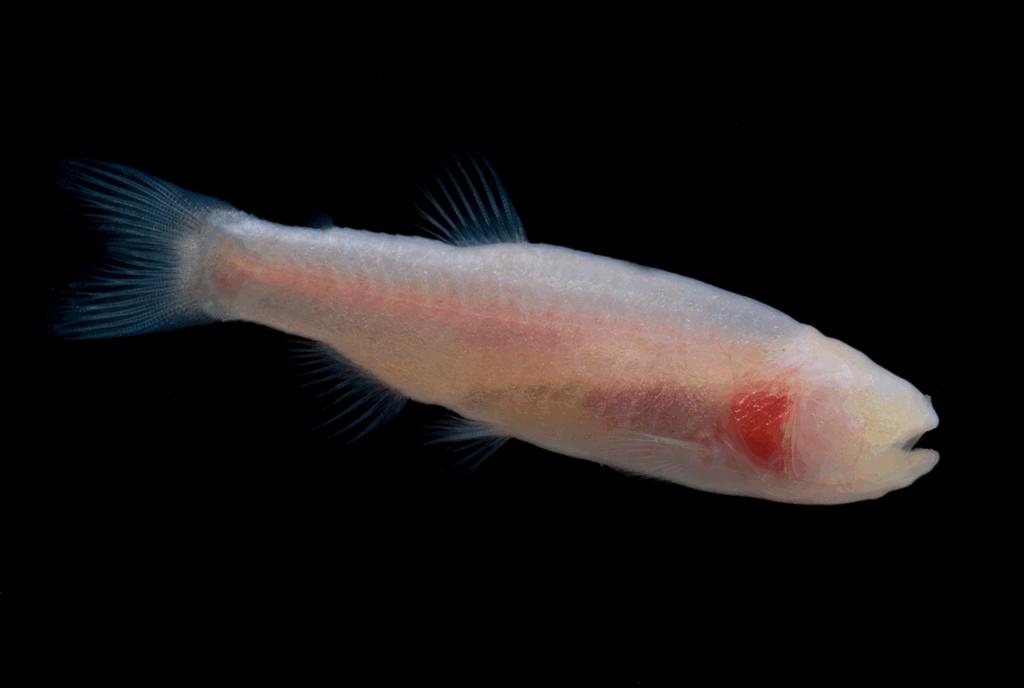
Native to Brazil’s subterranean rivers, the Brazilian blind characid has evolved without eyes or pigmentation. Instead, they rely on highly sensitive lateral line systems to detect water movement and chemical signals. Their translucent bodies and refined senses allow them to navigate nutrient-poor cave environments, where locating food is a significant challenge. Scientists study these fish to understand evolutionary adaptations to extreme isolation and darkness.