
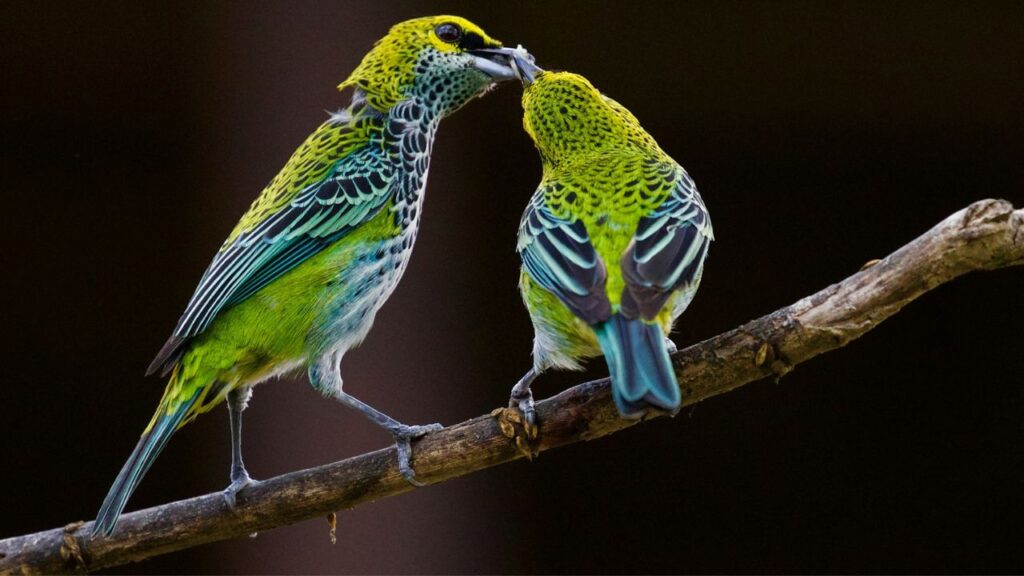
Birds may not speak human language, but they’re amazing communicators in their own right. Ever wondered how a sparrow knows its fellow sparrows in a flock of fluttering flyers? Dive into the fascinating world of avian identification, where nature’s incredible mechanisms help birds differentiate between friend and foe. From distinctive visual cues to melodic serenades, birds have developed some ingenious ways to recognize their own kind. Let’s explore the top methods by which these feathered friends identify each other.
1. Visual Markings
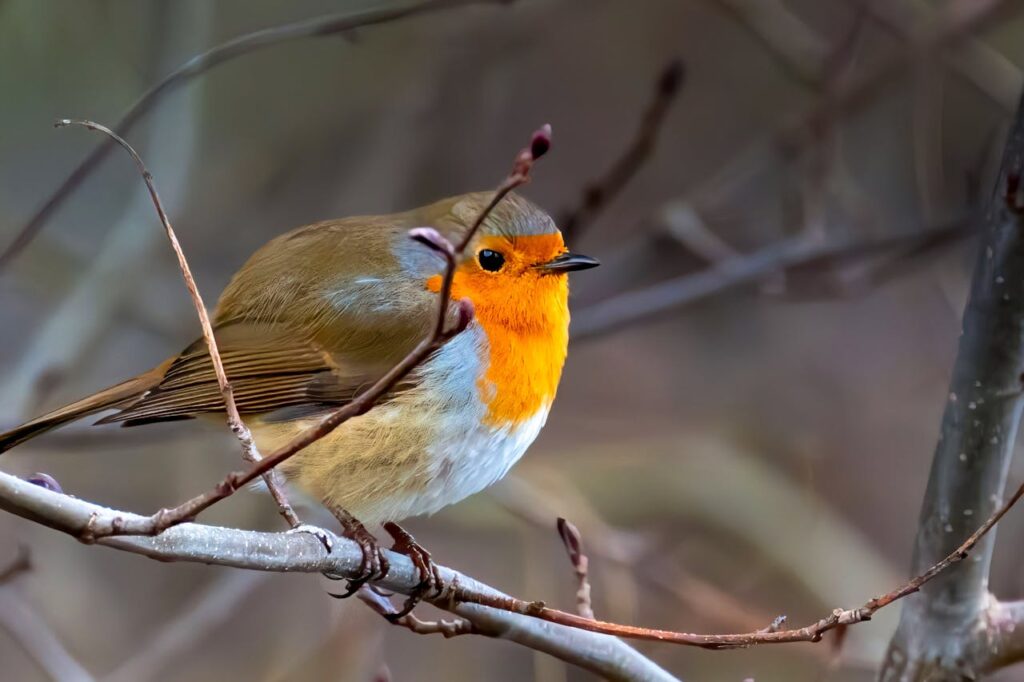
Birds, much like us, rely on visual cues to make sense of their world. Each species boasts unique markings, from a robin’s bold red breast to the striking mask of a cedar waxwing. These distinctive patterns act like name tags, telling a bird if another is kin or a stranger. Such visual identifiers are paramount during breeding seasons, helping mates find each other amidst the chaotic, colorful throng. This precise identification ensures that birds invest their energy in promising relationships, fostering the survival and growth of their species.
2. Song Patterns
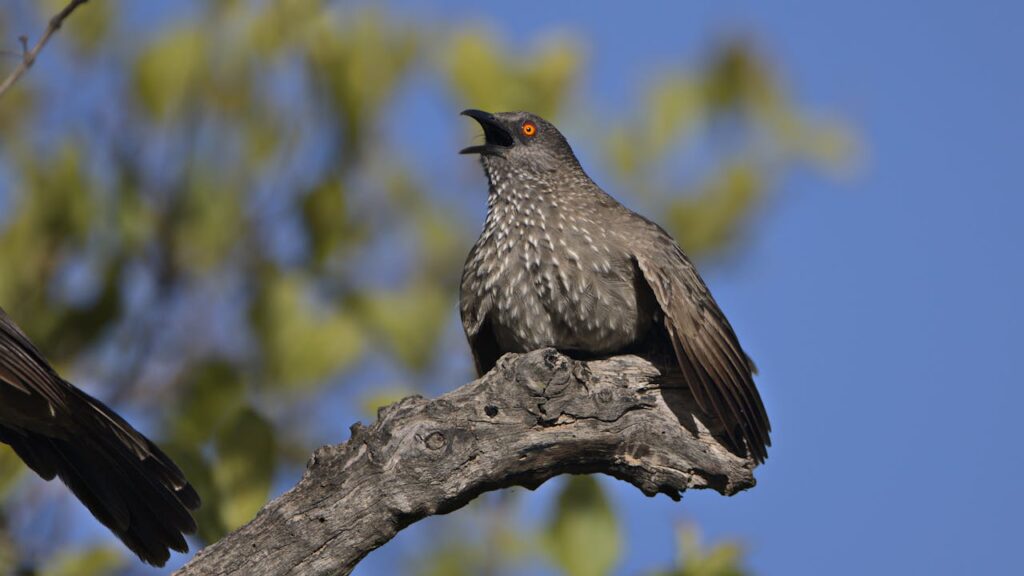
In the bird kingdom, songs are more than just pretty sounds; they are essential identity cards. Each species has its own repertoire, a symphony of tunes that relay intricate details. Male birds often serenade territory or court potential mates with songs that are instantly recognizable to those of their kind. The sparrow’s chirp or the nightingale’s ballad carries not just melody but a signature tune unique to its species. These audible cues create a musical map, underpinning social structures and ensuring species remain distinctly on pitch with one another.
3. Behavioral Displays

Beyond markings and melodies, birds engage in elaborate behavioral displays that are as unique as human handshakes. From the mesmerizing dance of the blue-footed booby to the impressive tail-fanning of a peacock, these displays convey messages of identity and intent. Such actions not only attract potential mates but also reinforce social bonds among groups. By interpreting these behavioral cues, birds can determine age, gender, and even the health status of their peers, ensuring interactions that are harmoniously in sync with their instincts.
4. Unique Plumage
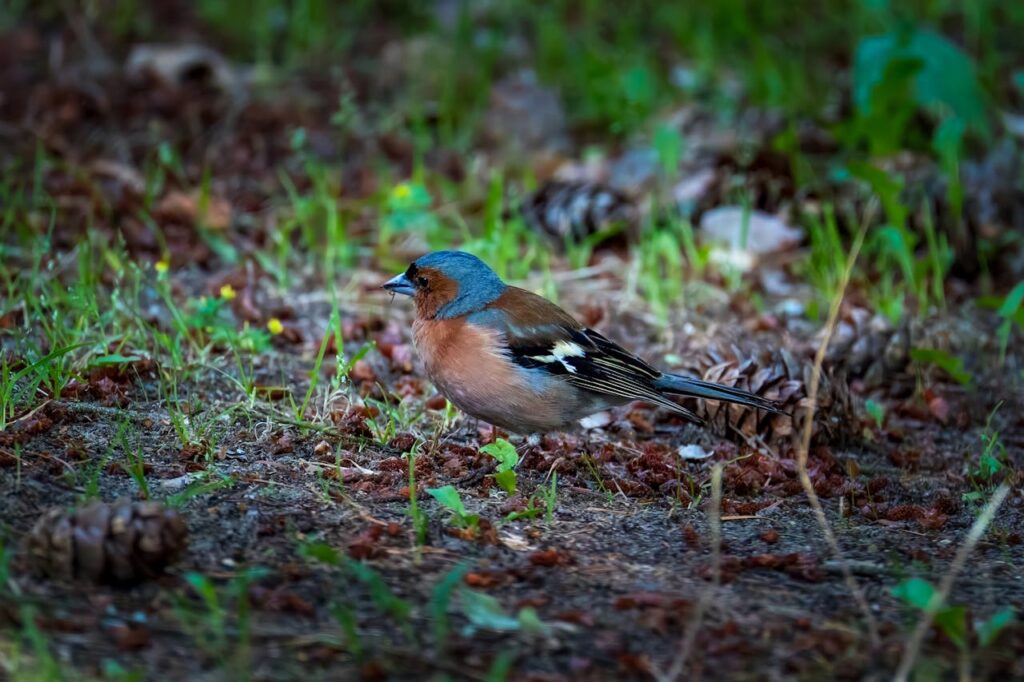
Shape and color plays a crucial role in avian identification. Feather patterns and plumage colors can signal a bird’s species, age, and sometimes even mood! Take the resplendent plumage of a wood duck with its iridescent sheen or the simple, efficient coloring of a mourning dove. These visual cues aid birds in instantly categorizing others, aligning them with friends or foes. During mating season, vibrant plumage often reaches its full splendor, allowing birds to present their healthiest and most genetically appealing selves to others of their kind.
5. Beak Shape and Size
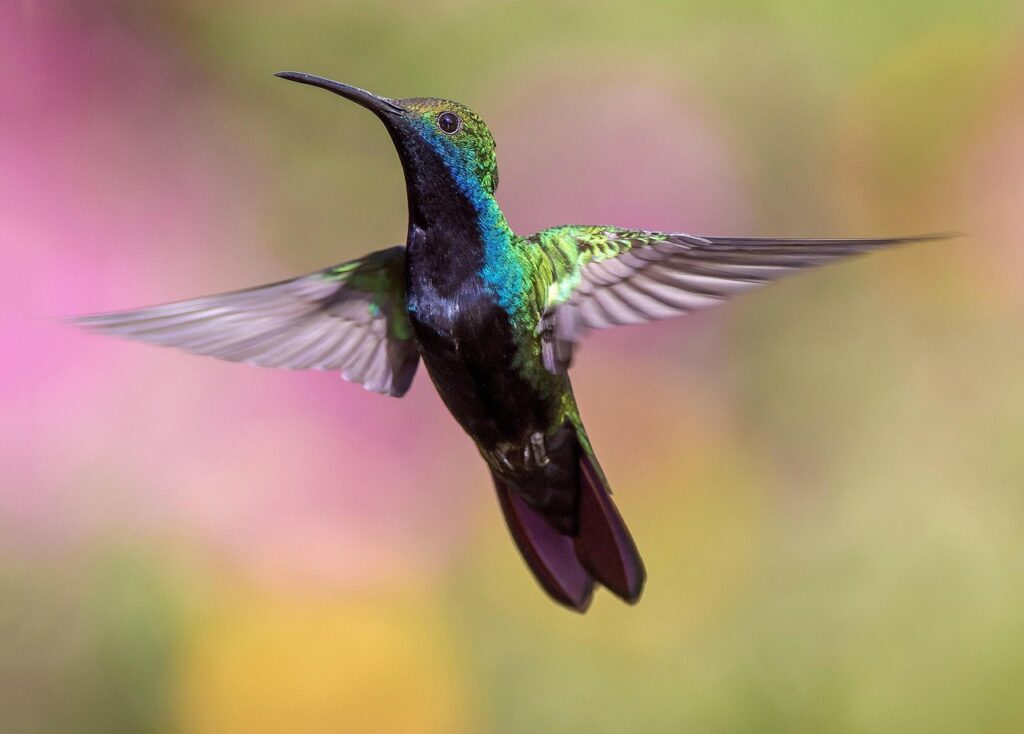
In the avian world, a bird’s beak isn’t just a tool for eating—it’s a signature of identity. Different species sport unique beak shapes and sizes, perfectly adapted to their needs. From the slender, needle-like beaks of hummingbirds designed for sipping nectar to the powerful, curved beaks of raptors for tearing flesh, these diverse structures serve as a visual identifier among birds. Through these distinct silhouettes, birds can easily spot their own kind from a distance, ensuring they flock together with those who share their exact dietary and environmental needs.
6. Flying Patterns
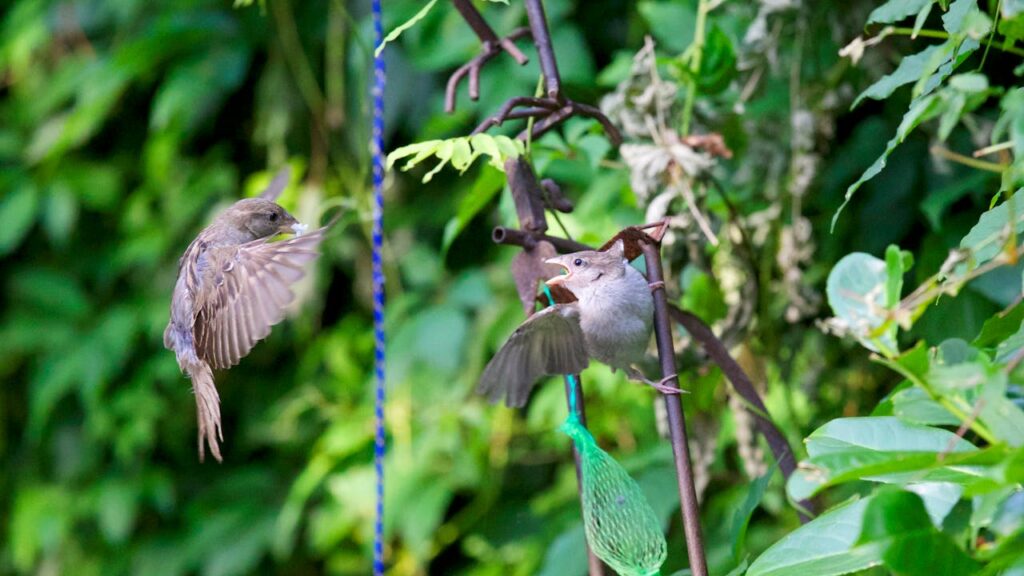
Flight isn’t just about getting from one place to another; it’s a nuanced dance in the sky. Birds often develop distinctive flying patterns that help them identify one another. Some species showcase unique flapping styles, like the erratic, fast wingbeats of a sparrow, while others display soaring glides, noticeable in hawks. These aerial signatures serve as a beacon of familiarity, allowing birds to recognize their kin amidst the vast expanse of the sky and maintain cohesive groups during migrations or when evading predators.
7. Feeding Habits
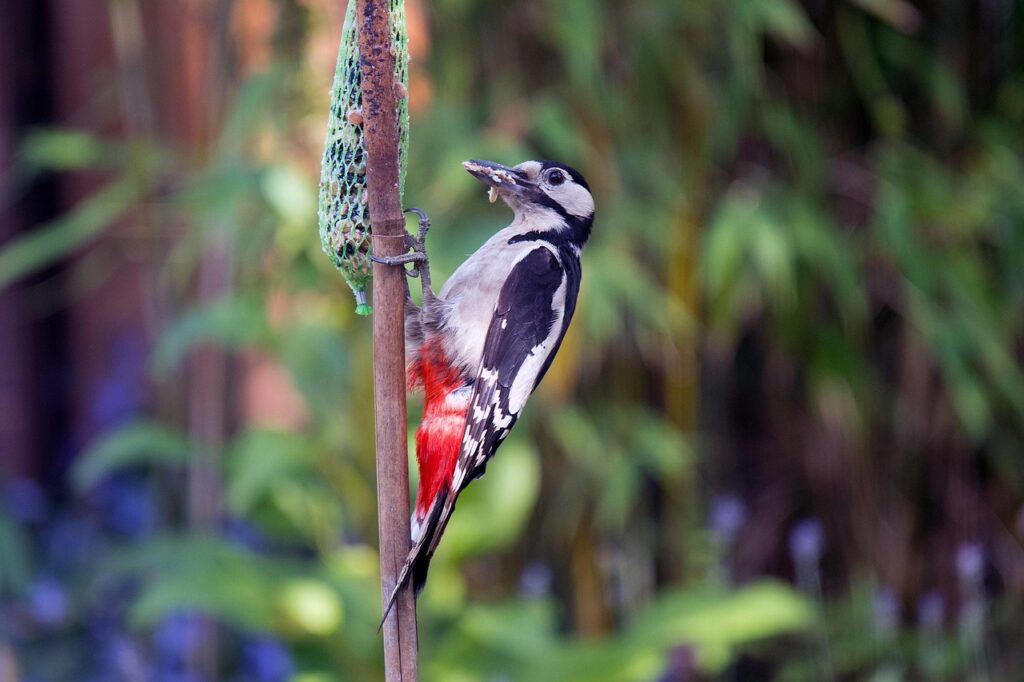
Birds of a feather may flock together, but they also eat in specific ways that highlight their species. Many birds have evolved unique feeding habits based on their ecological niches. For instance, woodpeckers are known for their rhythmic drumming on trees, while pigeons peck methodically on the ground. These behaviors are not only vital for survival but also act as social signals. By recognizing distinct feeding techniques, birds can identify their counterparts, ensuring they share the same resources and avoid competition with other species.
8. Scent Recognition
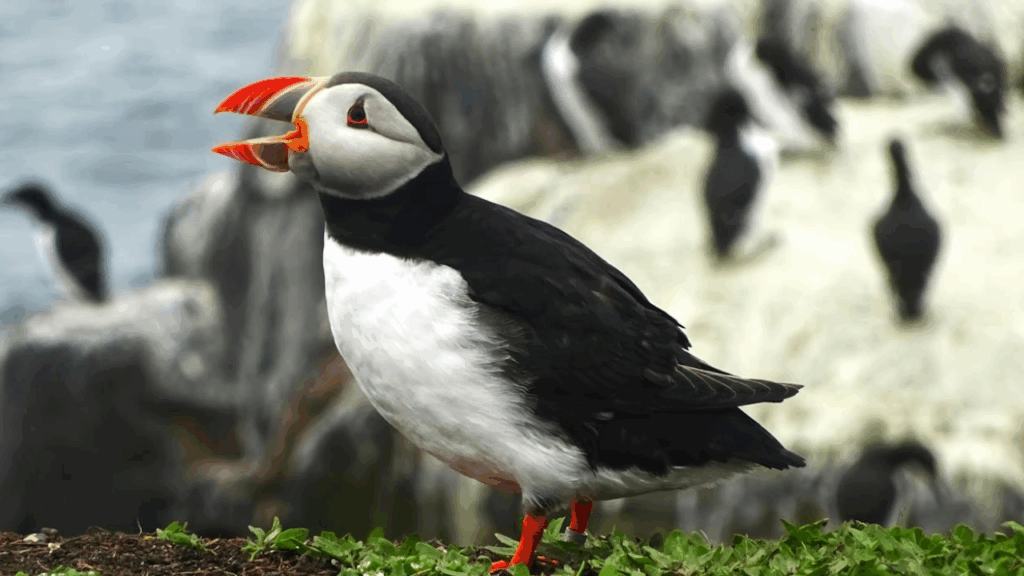
While we don’t often associate birds with keen noses, many actually possess a remarkable sense of smell. Certain species, like the albatross, have evolved to detect subtle scent markers that signify their kind. Scent recognition plays a crucial role, especially in seabirds and those inhabiting densely populated colonies. These olfactory cues help birds distinguish between friend and foe, navigate to specific breeding sites, and avoid interspecies interactions. It’s a fascinating sensory layer in the avian identification toolkit, highlighting the nuanced ways birds use scent in their daily lives.
9. Mating Calls
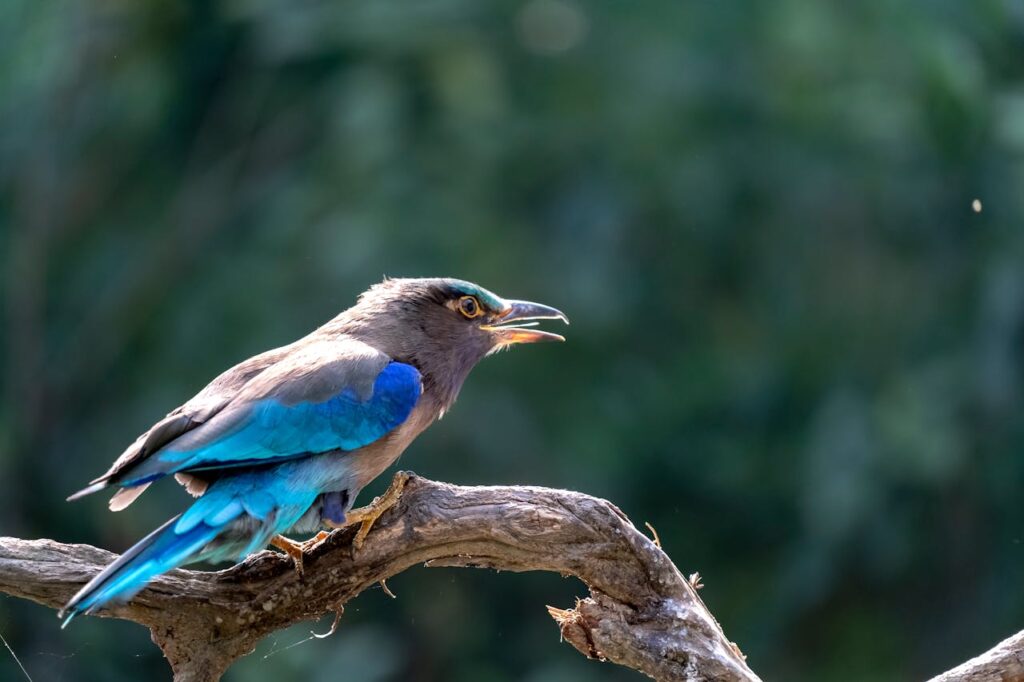
Birds perform operatic marvels through their mating calls, unique to each species. These calls act like a personal ad, announcing availability and species identity to potential mates. The melodies are composed of distinct notes and rhythms, as specific as a fingerprint. Think of the nightingale’s powerful serenade or the subtle cooing of doves. Each bird learns its song from its parents, using it to attract a mate and fend off competition. The variety in songs even within the same species helps ensure the right connections are made, preserving genetic integrity.
10. Territorial Signals
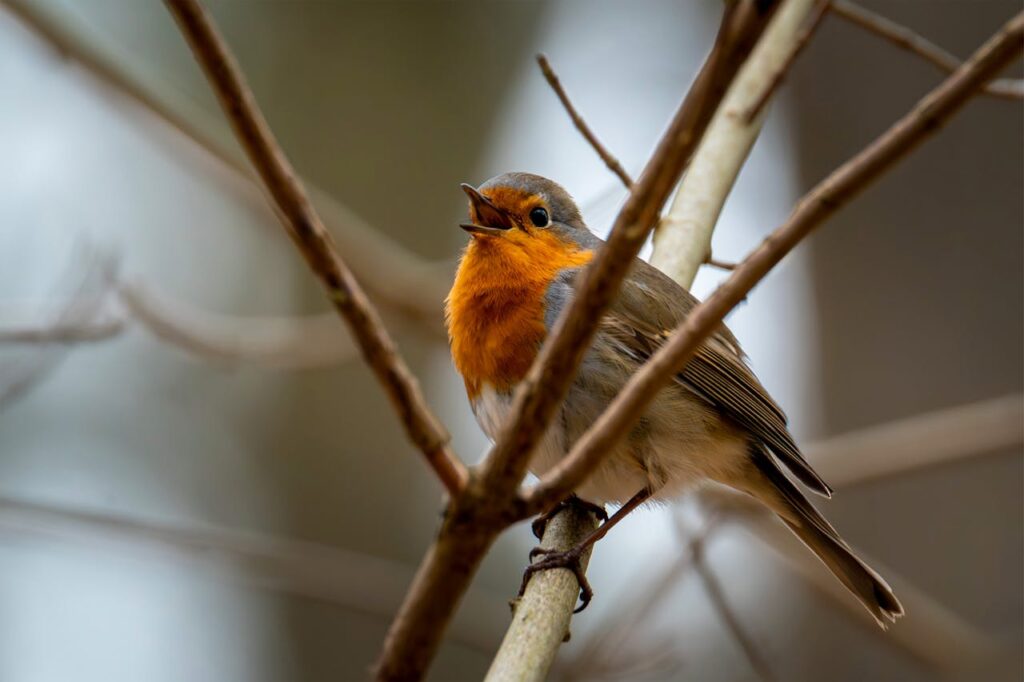
Birds are fiercely loyal to their territories, often using specific signals to establish ownership and warn intruders. These signals range from elaborate songs to visual displays such as wing flapping or feather ruffling. A robin’s territorial song echoes through gardens, staking its claim against intruders. Territorial displays are not just about aggression; they’re essential for survival and breeding success. By recognizing species-specific signals, birds can avoid unnecessary conflicts, helping maintain the balance within their ecological communities.