
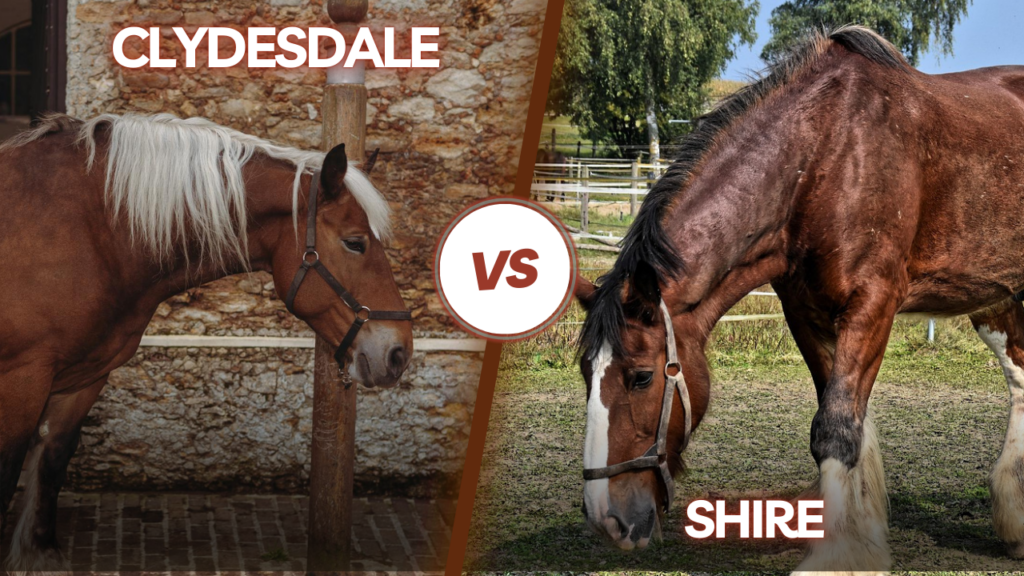
Clydesdales and Shire horses are two of the most admired heavy draft breeds, celebrated for their strength, elegance, and fascinating histories. These extraordinary horses were bred for tough jobs, like pulling plows and hauling massive loads. Both breeds are known for their power and gentleness, yet subtle differences set them apart. Exploring their origins, temperaments, and characteristics reveals what makes each unique. Whether you’re a horse lover or curious about these magnificent animals, learning how they compare helps uncover why they’ve captured so many hearts around the world. Let’s dive into their intriguing differences!
1. Origin And History

Clydesdales come from Scotland, specifically the Clyde River Valley, where they were bred in the 18th century for agricultural work and heavy hauling. Their lineage includes Flemish draft horses brought in to enhance local stock. Meanwhile, Shire horses originated in England and descended from the medieval Great Horses, which once carried armored knights. Over time, Shires transitioned to farm and industrial work. Interestingly, Shires are considered ancestors of Clydesdales. While they share a common purpose, each breed reflects the agricultural needs of its homeland, with Shires embodying English tradition and Clydesdales symbolizing Scottish resilience.
2. Physical Size And Build

When you compare their size, the Shire stands out as the taller breed, with some reaching over 18 hands high. Their broad frames make them an imposing sight. Clydesdales, although slightly shorter, are stockier and more muscular, giving them a balanced and powerful look. Both breeds have luxurious feathering on their legs, enhancing their stately appearance. The Shire’s towering height commands attention, while the Clydesdale’s symmetrical build adds elegance to its strength. Each horse’s physique speaks to its role as a heavy draft breed, proving both beauty and power can coexist effortlessly in these remarkable animals.
3. Coat Colors And Patterns

Clydesdales are renowned for their eye-catching bay coats, often accompanied by bold white markings on their faces and legs. Occasionally, you’ll find them in black, brown, or roan, but bay is by far the most iconic color. In contrast, Shires tend to have black, gray, bay, or brown coats with more understated patterns. Their subtler coloring lends them a quiet grace that contrasts with the showier appearance of Clydesdales. These differences in coat colors and patterns give each breed a unique appeal, making them easy to distinguish while highlighting their individual charm and style.
4. Strength And Work Capabilities

Both breeds excel in tasks that demand sheer strength and endurance. Shires were vital in English agriculture, pulling heavy machinery and wagons with ease. Meanwhile, Clydesdales gained global recognition for their hauling abilities and later as brand ambassadors, like their famous role with Budweiser. While Shires generally have an edge in pulling heavier loads due to their size, Clydesdales boast agility and stamina, excelling in diverse tasks. Their shared work ethic and power are impressive, and it’s remarkable how each breed adapted to fulfill different needs while still embodying the essence of a heavy draft horse.
5. Temperament And Personality

Both Shires and Clydesdales are incredibly friendly and approachable, making them a joy to work with. Shires are often praised for their calm, steady demeanor, exuding quiet confidence that matches their stature. On the other hand, Clydesdales bring a lively and outgoing energy to the table, often showcasing curiosity and friendliness that makes them endearing. Both breeds are highly trainable and thrive on positive interaction, but they excel when treated with patience and kindness. Whether you prefer the gentle steadiness of a Shire or the spirited charm of a Clydesdale, their personalities never fail to impress.
6. Feathered Leg Features
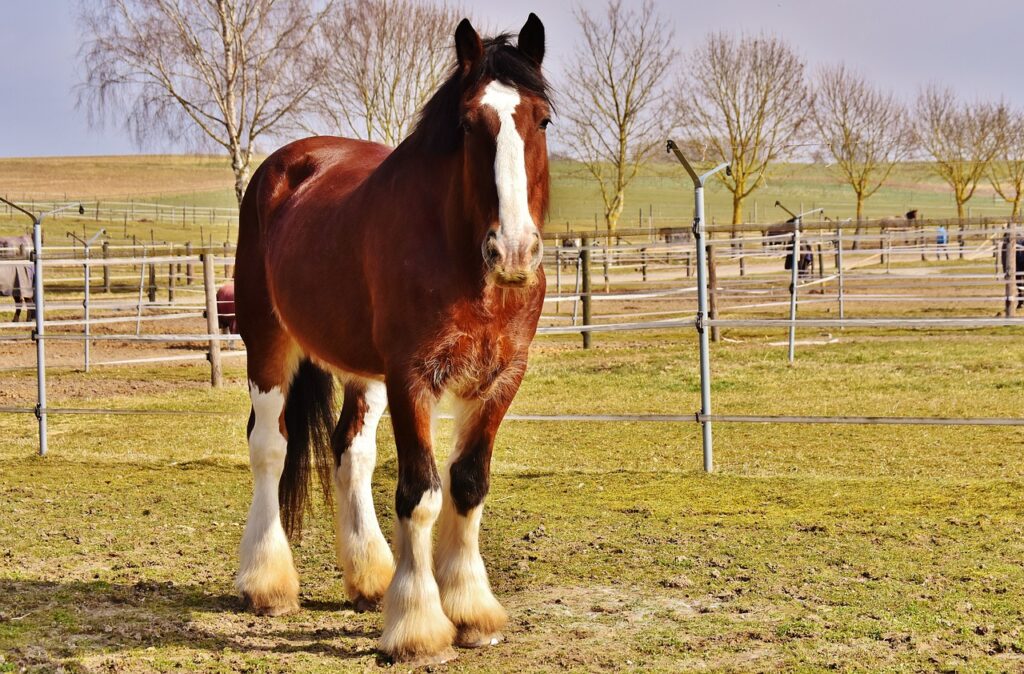
The striking feathering on their legs sets both breeds apart, combining function with beauty. Clydesdales are known for their fine, silky feathers that enhance their regal appearance. Shires, in contrast, have coarser, thicker feathers, which lend them a more rugged, practical look. Historically, this feathering helped protect their legs in harsh, wet environments, especially during farm work. Despite these differences, the feathering on both breeds adds a unique charm and highlights their shared heritage as hardworking draft horses. These features continue to capture admiration today, embodying a blend of practicality and elegance in these breeds.
7. Popularity And Cultural Influence
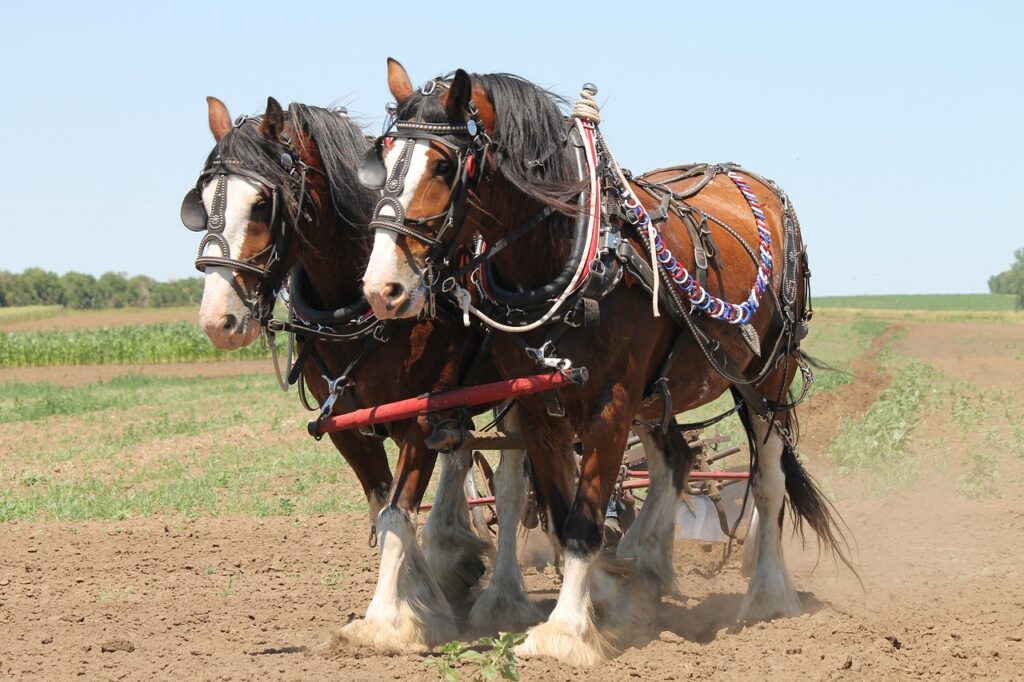
Clydesdales have gained global fame thanks to their role as Budweiser’s iconic symbol, appearing in commercials, parades, and public events. Their striking appearance has made them a cultural sensation. In contrast, Shires maintain a quieter presence, deeply rooted in English tradition and rural heritage. They frequently appear in ceremonial roles and agricultural exhibitions, showcasing their strength and history. While Shires might not share the same media spotlight, their loyal fan base appreciates their rich legacy and charm. Both breeds play vital roles in celebrating the equine world, each capturing hearts through their unique contributions.
8. Role In Modern Activities

Although originally bred for hard labor, both breeds thrive in modern roles that celebrate their history. Clydesdales often appear in promotional events and parades, captivating crowds with their grandeur. Meanwhile, Shires shine in agricultural exhibitions and competitive plowing matches, highlighting their strength and grace. Both breeds are also popular in driving competitions, blending their heritage with modern-day activities. Whether showcasing their skills or simply delighting onlookers, Clydesdales and Shires have adapted beautifully, proving their legacy endures. Today, they symbolize the best of tradition and adaptability, inspiring admiration in every role they play.
9. Health And Lifespan
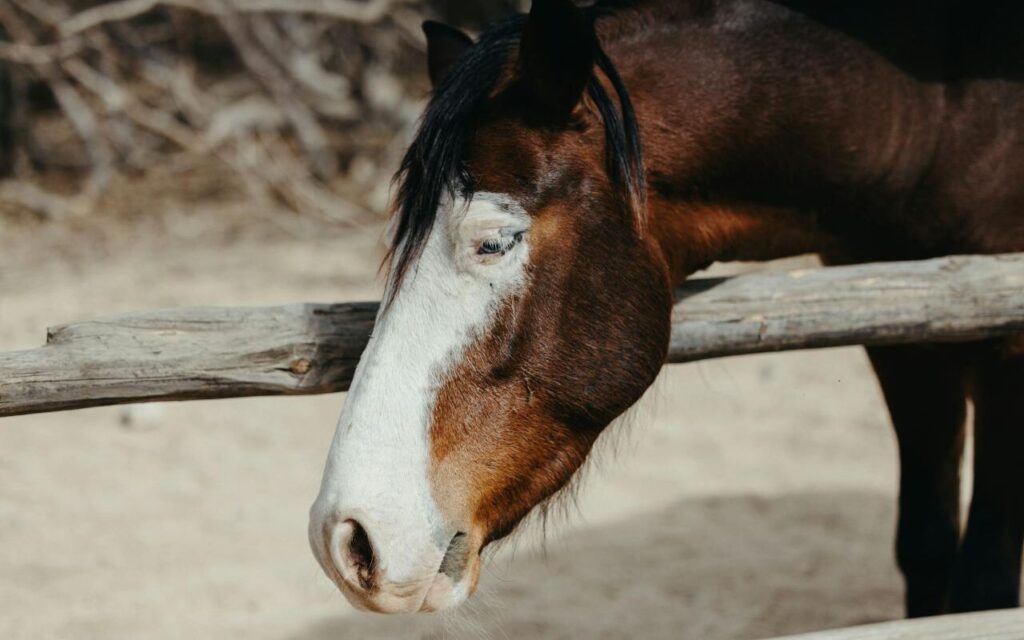
Both breeds require careful attention to their health due to their size. Shires are prone to chronic progressive lymphedema, which affects their legs, while Clydesdales are susceptible to hoof issues, often related to their iconic feathering. A well-balanced diet is crucial to support their massive frames and maintain energy levels. With proper care and regular veterinary checkups, both breeds can lead healthy lives, often reaching 20 years. Owners dedicated to meeting their unique needs are rewarded with vibrant, loyal companions who embody the strength and beauty that make these horses so beloved.
10. Suitability For Beginners

Despite their immense size, both Shires and Clydesdales are surprisingly beginner-friendly, thanks to their gentle, approachable nature. Shires are known for their calm, dependable personalities, offering steadiness to those new to working with heavy horses. Clydesdales, with their friendly and outgoing energy, are just as welcoming and often win over first-time handlers with ease. However, both breeds require proper care and understanding due to their unique needs. Beginners ready to invest time in learning will find these horses incredibly rewarding partners, providing a wonderful introduction to the world of draft horses.
Love Pets as Much as We Do?

Scroll up and click the ‘Follow’ button to stay updated with the latest heartwarming, hilarious, and helpful pet posts from Pawdown, delivered straight to your Microsoft Start feed and MSN homepage!