
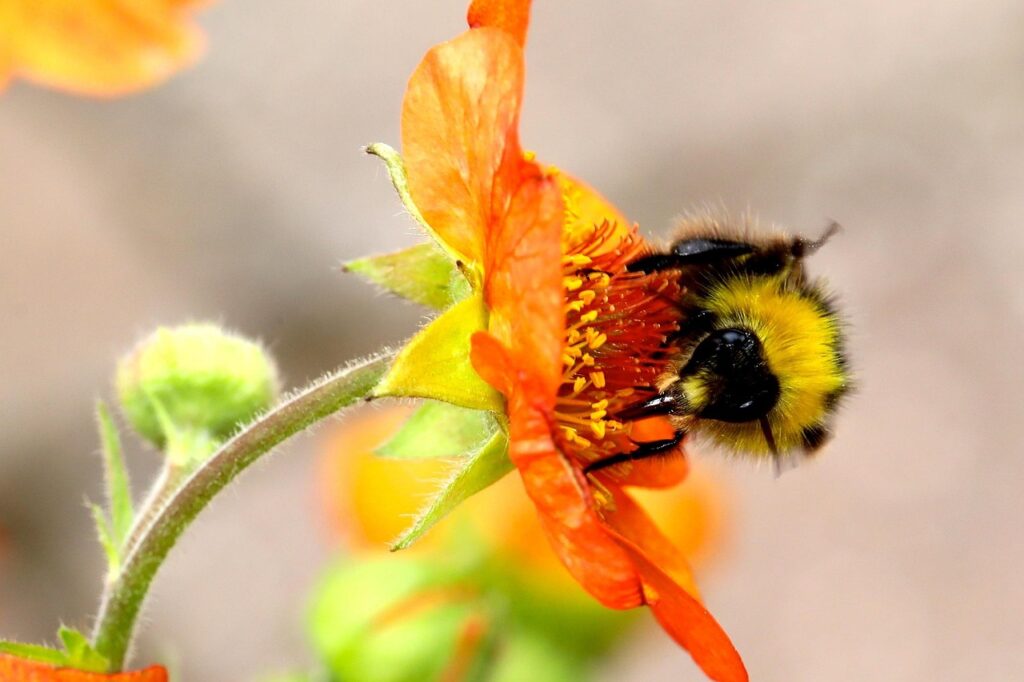
Every corner of your backyard could be a hidden sanctuary for a delicate ecosystem. While you might enjoy observing wildlife from your porch, fulfilling your dream of a pristine garden or revamped home may brush up against rules you didn’t know existed. The Endangered Species Act (ESA), a vital pillar for protecting nature, hides traps for well-meaning homeowners. While its intentions are noble, the unintended consequences of uninformed home maintenance could unknowingly put these vital creatures at risk. Here’s a roadmap to ensure your outdoor passion aligns with nature’s preservation.
1. Not Recognizing Habitat on Property
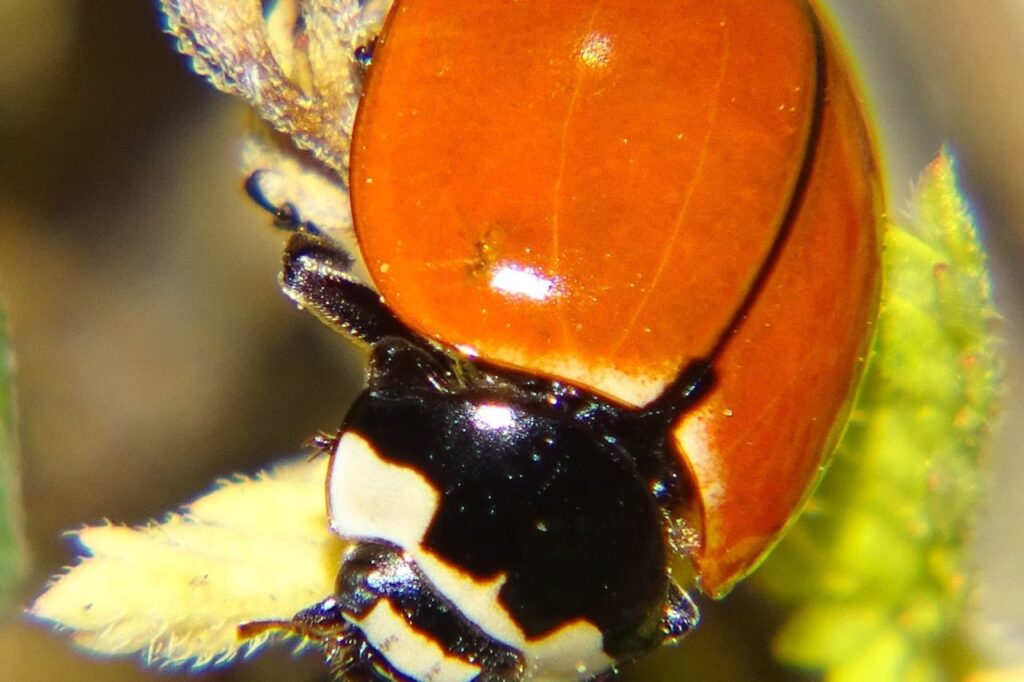
Your lush surroundings may be more than a sight for sore eyes; they could be critical habitats for endangered species. Without realizing it, your property might host imperiled frogs, insects, or birds. Many homeowners mistake these sites for ordinary outdoor spaces rather than essential sanctuaries in need of protection. According to data, overlooking these natural habitats is a common misstep, leading to unintended violations of the ESA. Becoming vigilant about your surroundings and acknowledging the diverse life flourishing right under your nose is crucial for both conservation and legal compliance.
2. Using Pesticides Near Wildlife Areas
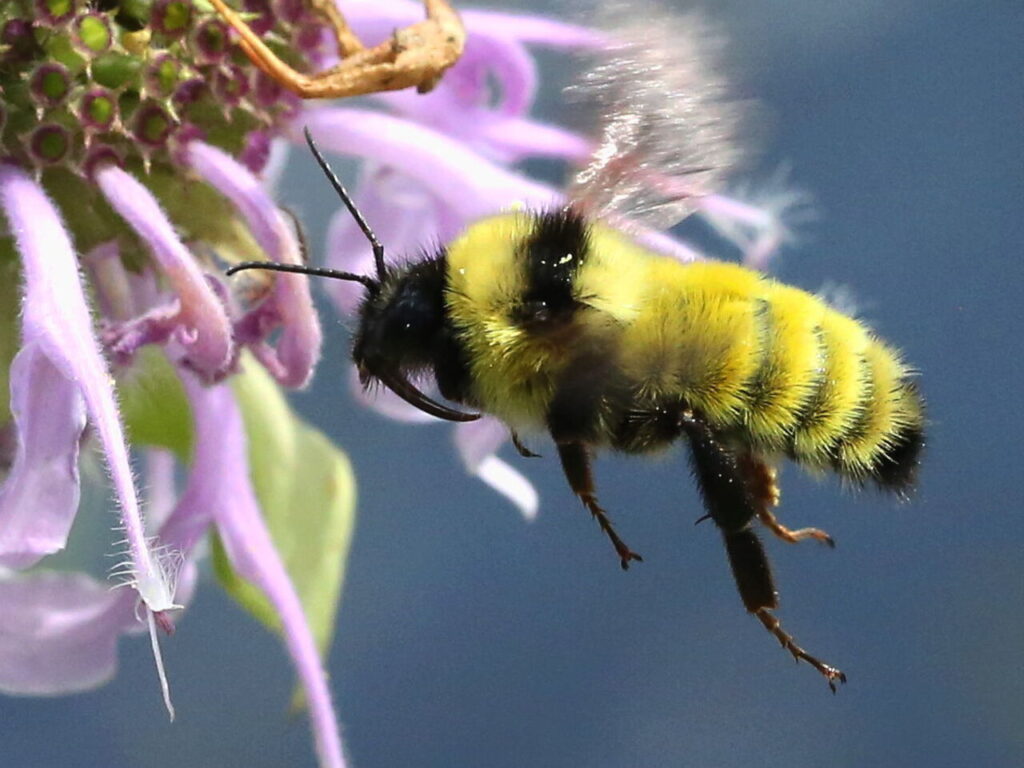
Pesticides might seem like a quick fix for garden pests, yet they can be detrimental to more than just the intended targets. The chemicals in these solutions often seep beyond your plants, threatening native wildlife and their habitats. This is especially problematic near endangered species zones, where even a slight poison drift can wreak havoc. Homeowners often underestimate how far these substances travel. According to data, the ripple effect of pesticide use underscores the importance of opting for wildlife-friendly alternatives to keep environments safe and thriving for all creatures.
3. Clearing Native Plants
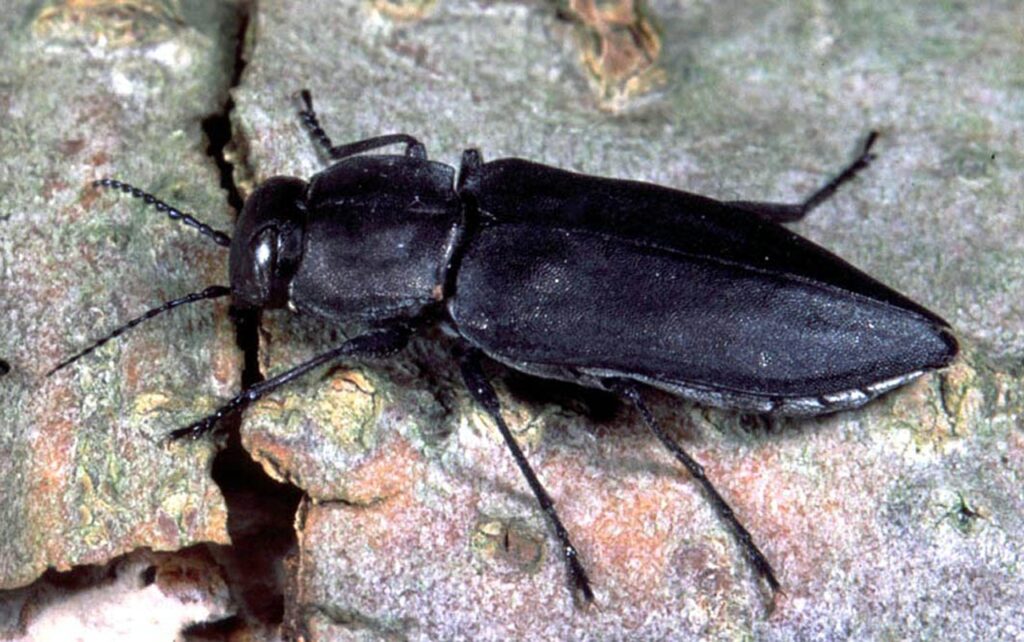
Native plants are more than mere garden choices; they’re essential to local ecosystems, often hosting endangered species. When homeowners remove these plants, they inadvertently eliminate crucial food and shelter for vulnerable wildlife. While a clean-cut lawn is appealing, preserving native plants is key to sustainability. These vibrant ecosystems foster biodiversity, supporting a web of life that helps maintain ecological balance. By incorporating native vegetation into your yard, you not only beautify your space but also play an active role in wildlife conservation efforts.
4. Neglecting to Report Sightings
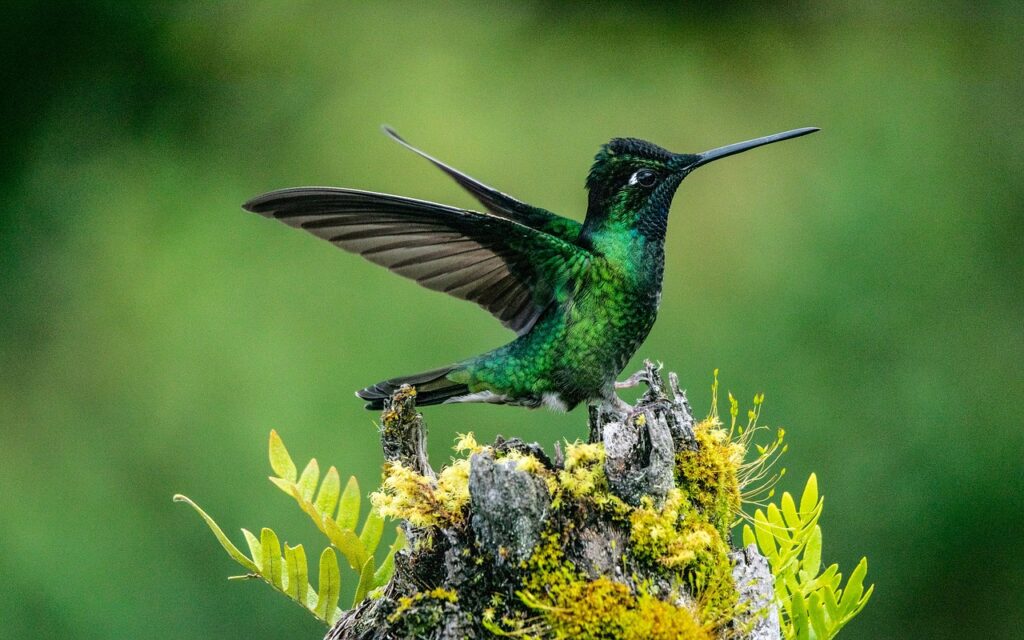
Spotting an unusual animal in your backyard might feel like a quaint natural experience, but it can carry significant responsibility. Not reporting sightings of endangered species to local wildlife authorities may hinder conservation efforts. This crucial step helps scientists track species health and distribution, providing invaluable data for protection strategies. Homeowners witnessing these delicate creatures should know they’re serving as vital links in the conservation chain. By communicating these sightings, you contribute to the survival stories of species teetering on the brink, ensuring your backyard remains a habitat for generations to come.
5. Building Without Permits
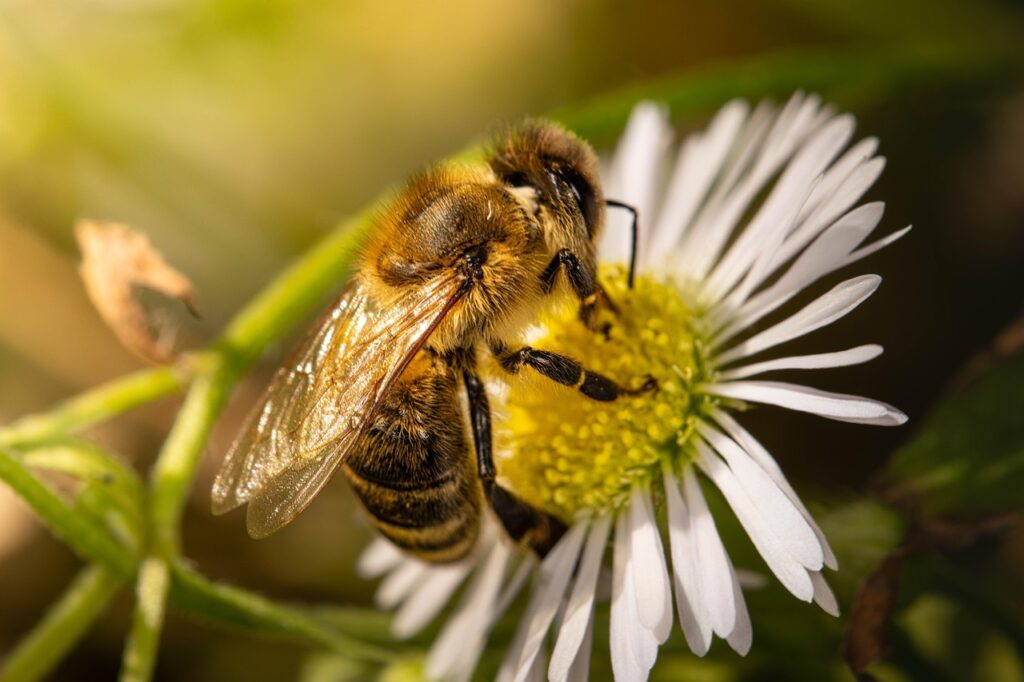
Constructing that dream deck or expanding a cozy home office might seem harmless—until it’s not. Building without the necessary permits can disturb habitats of endangered species inadvertently. Many areas require an environmental assessment before construction to ensure that no critical habitats are being compromised. Always check with local regulations before you start swinging the hammer. You might just save a special nesting ground or a rare plant community from being destroyed, keeping your conscience clear and wildlife thriving.
6. Ignoring Waterway Protection Rules
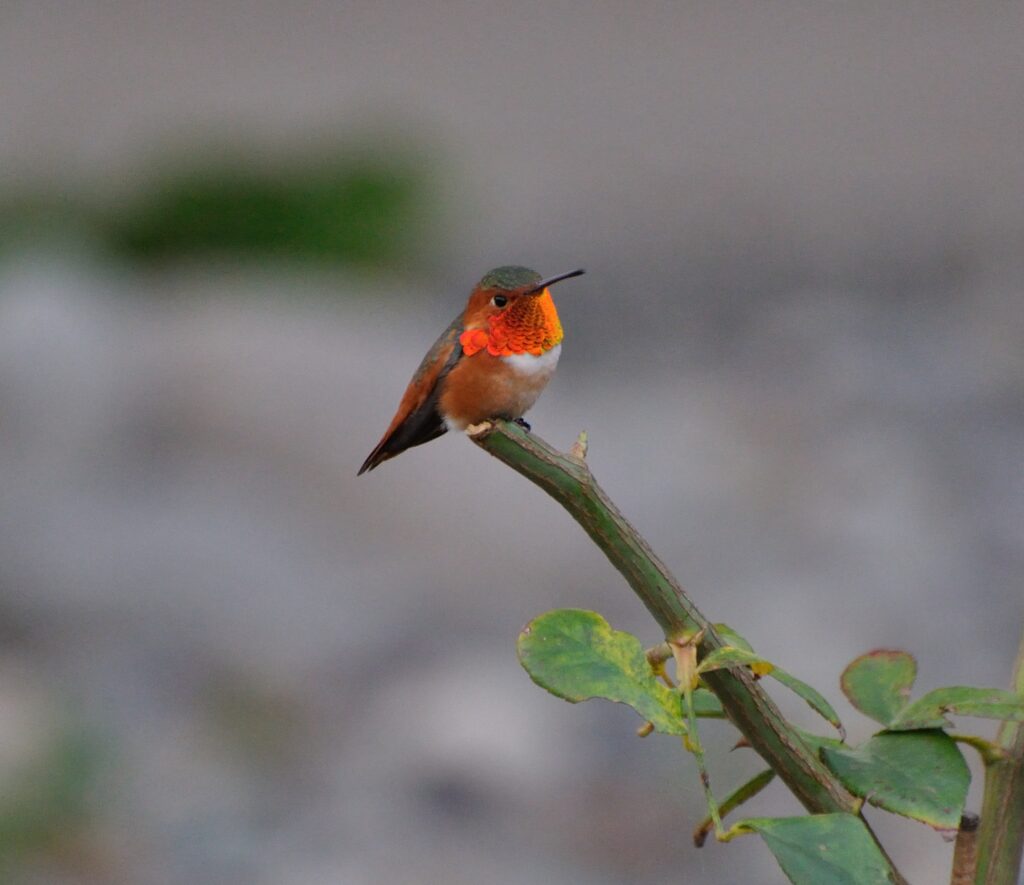
Our waterways are bustling highways of life and ecological importance. Ignoring regulations around them can upset fragile ecosystems and harm the creatures living there. Changes to water diversion, illegal dumping, or even landscaping too close can impact surprising species. According to data, protecting these waterways ensures the survival of many aquatic and terrestrial animals that call them home. Before getting into any project near lakes, streams, or wetlands, a little research can prevent a ripple effect of damage.
7. Feeding Wild Animals
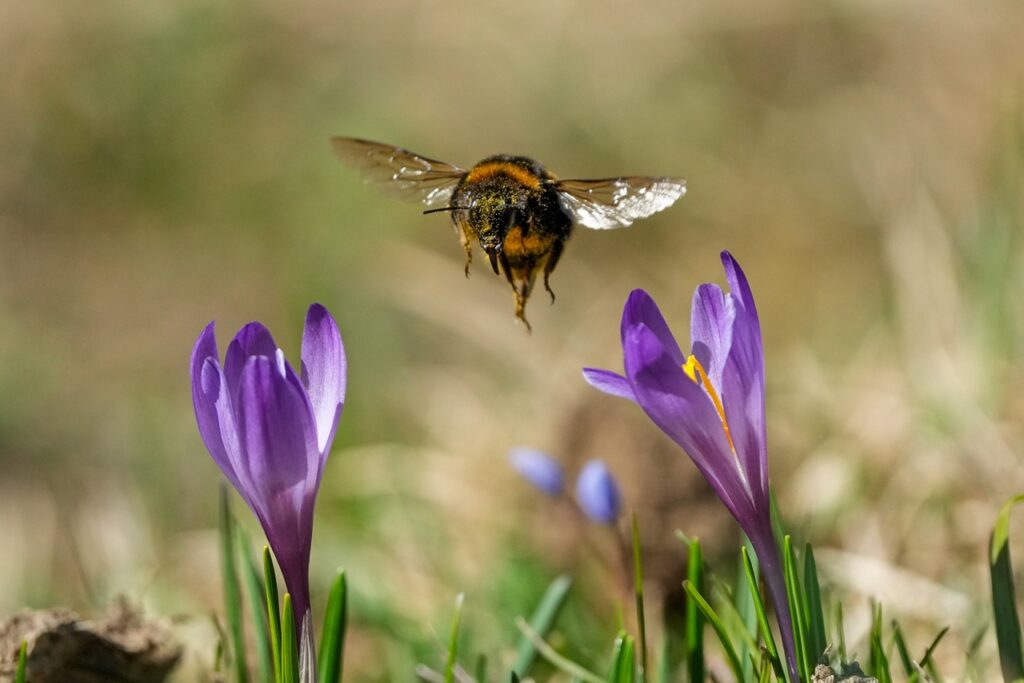
Feeding wild animals might start as a heartwarming act, introducing regular visitors to your yard and fostering a love of nature. However, this can quickly turn into a trampling of habitats and displacement of local species. Wildlife that relies on human food can alter their natural behaviors, leading to health problems and increased conflicts with humans. Keep wildlife wild by appreciating them from a distance and resisting the urge to toss them a snack, thus ensuring their natural habits remain intact.
8. Importing Exotic Plants
Bringing back that gorgeous plant from your travels might brighten your garden but can wreak havoc on local ecosystems. Exotic plants, when introduced, have the potential to become invasive, outcompeting native flora and threatening endangered species. According to science, invasive species can change soil composition and plant diversity, impacting entire ecosystems. Check local regulations and opt for native plants that support local wildlife. It ensures your garden flourishes sustainably, safeguarding biodiversity.
9. Improper Waste Disposal
Trash talk isn’t just for competitive sports; it can spell disaster for wildlife. When homeowners improperly dispose of waste, they may disrupt local habitats, endangering species protected by the Endangered Species Act. Plastic waste, for instance, can end up in waterways, threatening aquatic life. Chemicals and oils seep into the ground, poisoning plants and animals alike. Ensuring waste is sorted properly and disposed of through designated channels can significantly reduce these environmental risks and protect vulnerable animal populations.
10. Unintentional Harm from Pets
Our beloved pets can unintentionally pose threats to wildlife, particularly endangered species. Cats and dogs, left unrestrained, may chase or kill vulnerable animals. This isn’t just limited to your backyard; feral cat populations are known to decimate local bird and small mammal populations. Homeowners must be vigilant in keeping pets under control with leashes or fences. Additionally, protect native species by ensuring pet food and waste don’t attract and endanger wild animals, maintaining a balance in local ecosystems.