
Pets enrich our lives with their love and companionship, but their ways of communicating often differ dramatically. Dogs, with their expressive personalities, are masters at demanding attention, using various behaviors to ensure they’re noticed. Cats, on the other hand, are more subtle and independent, often requiring a more thoughtful approach to gain their attention. Understanding how dogs and cats seek and give attention not only strengthens your bond with them but also helps create a harmonious environment for everyone. This article explores ten common ways dogs seek attention and five effective ways to engage with your feline friend.
1. Barking or Whining

Dogs are vocal creatures and use barking or whining to communicate their needs or desires. This behavior often stems from hunger, boredom, or simply a need for interaction. While occasional barking is natural, excessive vocalization can be a sign of anxiety or a lack of stimulation. Paying attention to the context and tone of your dog’s vocal cues can help you understand what they’re trying to tell you and address their needs appropriately. Taking time to identify patterns in their barking ensures you’re meeting their physical and emotional needs effectively.
2. Bringing Toys

One of the most endearing ways dogs seek attention is by bringing you their favorite toys. This gesture often signals their desire to play and bond with you. It’s not just about the toy—it’s their way of sharing something valuable with you. Encouraging playtime strengthens your connection and keeps your dog physically and mentally stimulated, fulfilling their need for attention and interaction. Regularly rotating toys can maintain their interest and reduce boredom, ensuring your dog stays happy and engaged.
3. Jumping Up
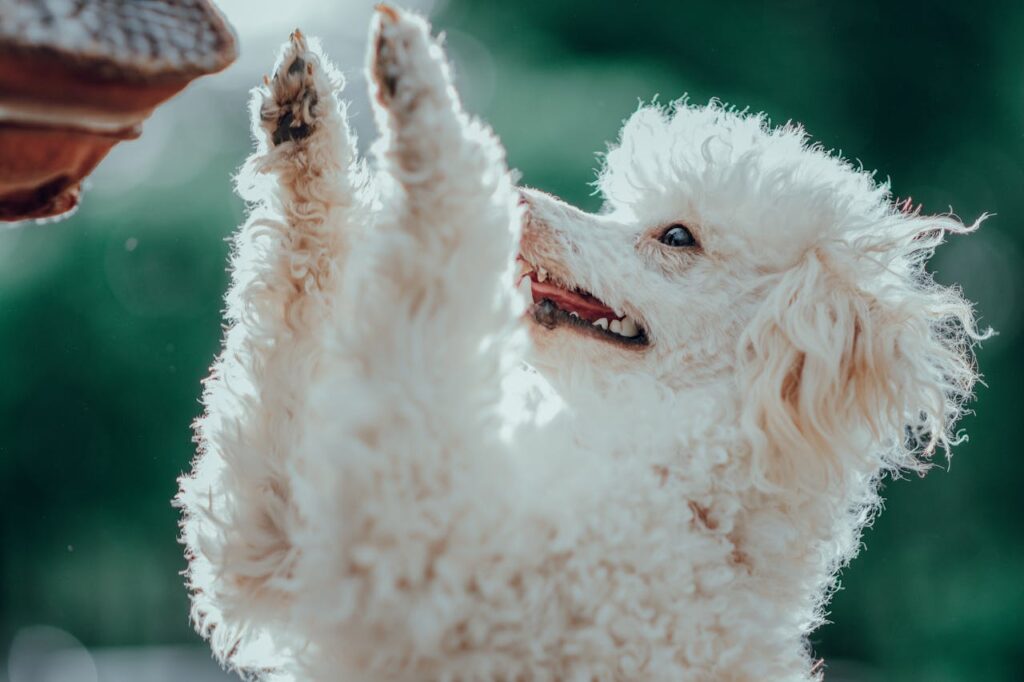
Jumping up is a classic attention-seeking behavior, especially when a dog is excited to see you. While it can be a sign of affection, it’s important to train your dog to greet you calmly to prevent accidents or discomfort. Redirecting this energy into positive behaviors, like sitting for a treat, teaches your dog that they can gain your attention without jumping. Consistent reinforcement of appropriate greetings ensures that your dog’s excitement remains manageable and enjoyable for everyone.
4. Pawing or Nudging

A gentle paw on your lap or a nudge with their nose is your dog’s way of saying, “Hey, look at me!” This behavior is often a request for petting, food, or simply acknowledgment. Responding positively reinforces their trust and strengthens your bond. However, setting boundaries ensures the behavior remains manageable and not overly demanding. Teaching your dog to wait patiently before rewarding their gestures helps maintain a healthy balance in your interactions.
5. Following You Around

Dogs are loyal companions, and their tendency to follow you around stems from their pack mentality. This behavior is their way of staying close to you, seeking reassurance, or expressing curiosity about your activities. While it’s endearing, ensuring they have independent activities can prevent over-dependence. Providing them with engaging toys or puzzle feeders allows them to enjoy some alone time while you focus on your tasks, fostering both trust and independence. This balance ensures a harmonious relationship where both you and your dog feel secure and valued.
6. Stealing Items

If your dog grabs a sock or a shoe and runs off, they’re not being mischievous for no reason. Often, this is an attention-seeking tactic—they know you’ll chase them to retrieve the item. Providing plenty of toys and structured playtime can redirect this behavior and keep your belongings safe. Teaching your dog the “leave it” or “drop it” command ensures they understand boundaries while still receiving positive attention. By addressing this behavior proactively, you can turn a potentially frustrating situation into a fun and engaging interaction.
7. Leaning on You
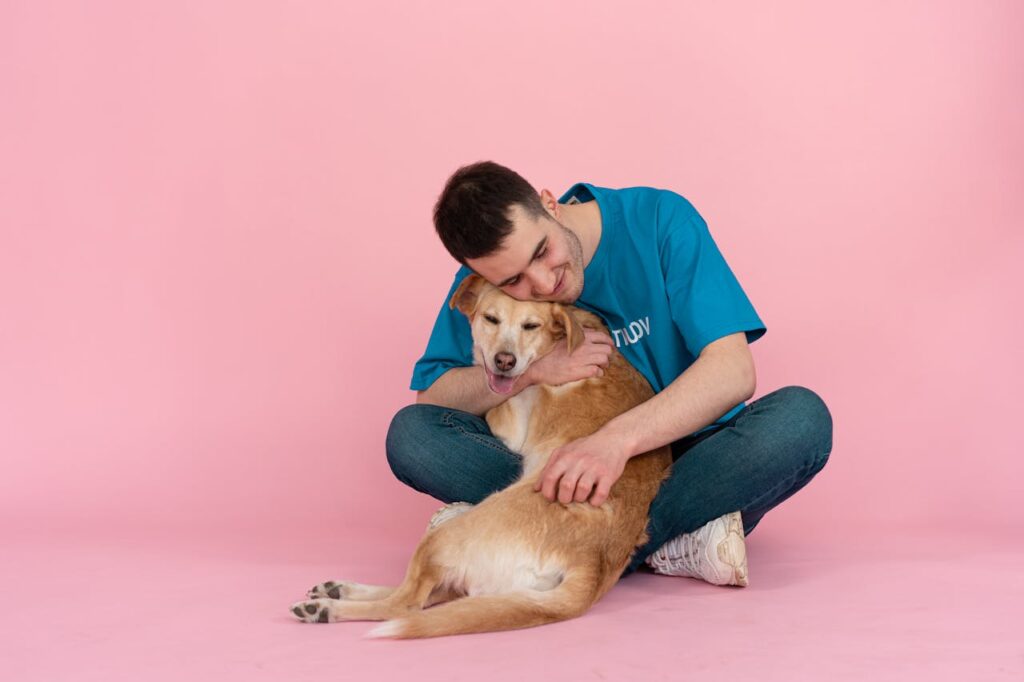
When a dog leans against you, it’s more than just physical contact—it’s a sign of trust and affection. This behavior often seeks comfort or connection and is a wonderful opportunity to reciprocate their love with gentle petting or soothing words. Leaning can also signal that your dog feels vulnerable and seeks reassurance, so responding warmly helps strengthen their sense of security and your mutual bond. These moments of closeness foster an emotional connection that goes beyond simple companionship.
8. Performing Tricks

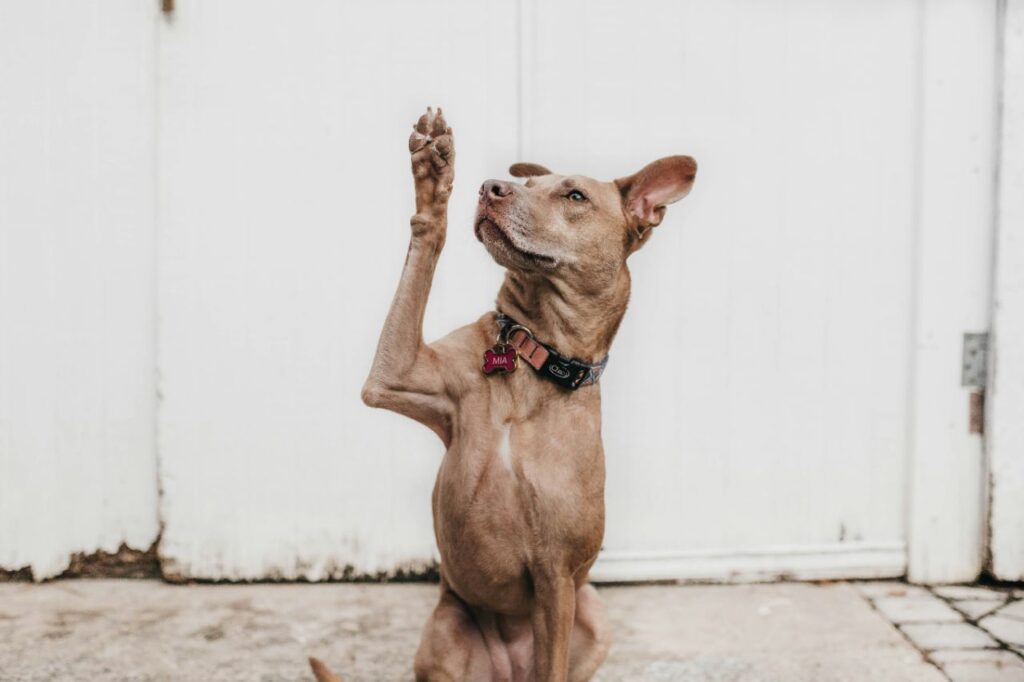
Dogs love to show off, especially if they’ve been trained to perform tricks. If your dog suddenly starts sitting, rolling over, or offering their paw without prompting, they’re likely seeking praise and attention. Rewarding their initiative reinforces positive behaviors and keeps them mentally engaged. Regular training sessions not only sharpen their skills but also provide opportunities for bonding and boosting their confidence. These interactions are not only enjoyable but also help keep your dog’s mind active and healthy.
9. Exaggerated Stretching or Yawning

Sometimes dogs use subtle behaviors, like exaggerated stretching or yawning, to catch your eye. These actions may signal they’re bored or trying to prompt interaction. Observing these cues and responding with play or affection can keep your dog happy and engaged. Recognizing such subtle signs helps you address their emotional needs before they resort to more demanding attention-seeking behaviors. These seemingly small gestures are a window into your dog’s emotional world.
10. Staring Intently

A dog’s stare can be incredibly expressive. Whether they’re waiting for food, affection, or simply trying to connect, their gaze often seeks acknowledgment. Making eye contact and speaking to them lovingly reassures your dog that they have your attention. Understanding the different types of stares—from a longing look to an alert gaze—helps you respond appropriately and strengthen your bond. This simple act of connection can deepen your relationship and provide your dog with a sense of security.
11. Using Treats
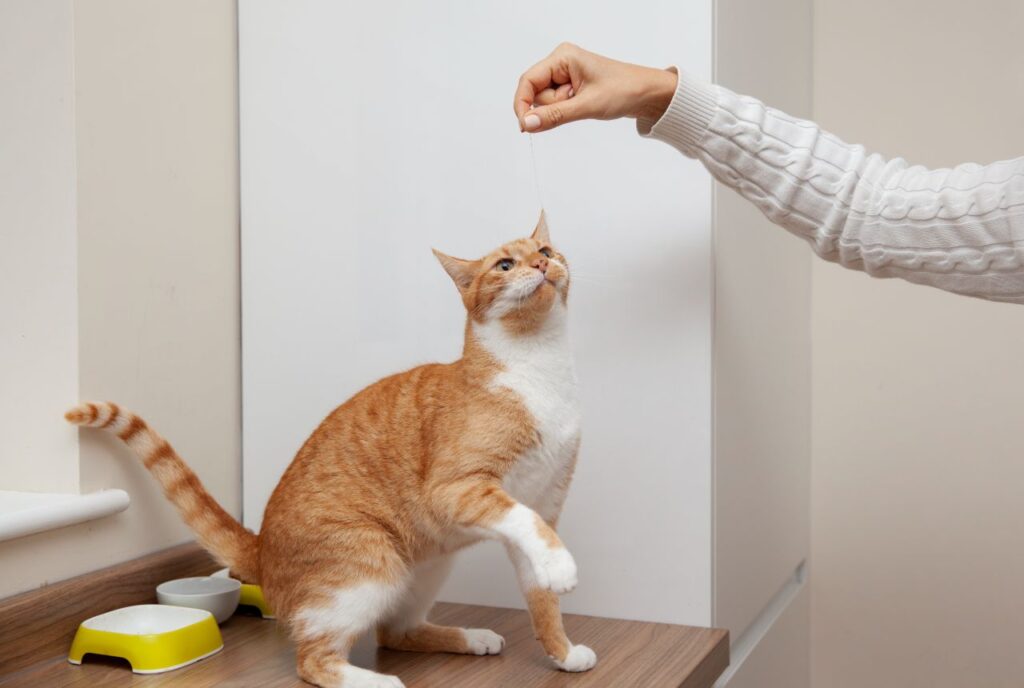
Cats are food-motivated creatures, and a tasty treat is a surefire way to grab their attention. Shaking a treat bag or offering a small snack not only engages them but also builds positive associations with your interactions. Be careful with how much you serve to prevent overfeeding. Treats can also be used strategically during training sessions, helping to reinforce desired behaviors while strengthening your connection. This approach ensures your cat associates you with positive and enjoyable experiences.
12. Engaging with Toys
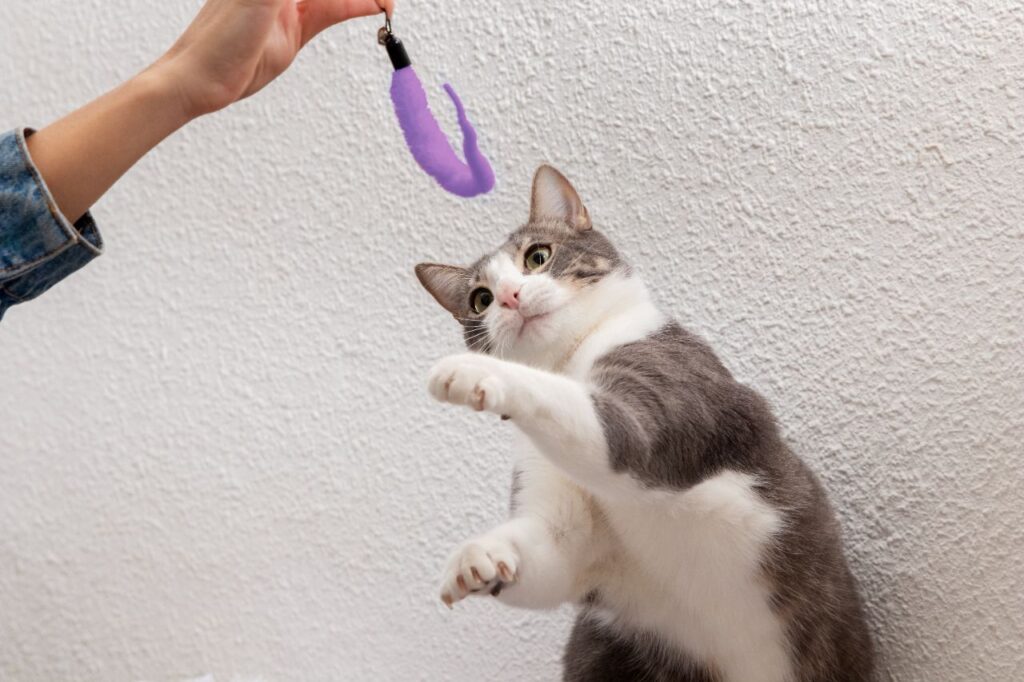
Interactive toys, such as feather wands or laser pointers, are excellent tools for capturing your cat’s interest. Cats are natural hunters, and stimulating their predatory instincts through play strengthens your bond and provides them with essential mental and physical exercise. Rotating toys regularly keeps their curiosity piqued, ensuring they remain engaged and entertained over time. Consistent play sessions help satisfy their instincts and create lasting memories together.
13. Talking to Them

Cats may not respond to your voice as enthusiastically as dogs, but they do recognize and appreciate your attention. Speaking to your cat in a calm, soothing tone can pique their interest and encourage them to approach you for interaction. Using consistent phrases or sounds helps your cat associate your voice with positive experiences, fostering trust and affection. Over time, these vocal interactions can become a unique way of bonding with your feline companion.
14. Creating a Comfortable Environment

Cats are more likely to seek attention in spaces where they feel safe and comfortable. Providing cozy spots, scratching posts, and elevated perches invites your cat to relax and interact on their terms. Respecting their independence while offering comfort encourages a stronger connection. Ensuring their environment meets their needs reduces stress and creates more opportunities for bonding. A secure and stimulating space makes your cat feel valued and at ease.
15. Using Gentle Petting

Every cat has its preferred spots for petting, often including the chin, cheeks, or behind the ears. Learning what your cat enjoys and offering gentle, well-timed strokes can quickly capture their attention. Always watch for signs of overstimulation to ensure the interaction remains positive. Understanding their body language helps you tailor your approach, making each interaction enjoyable and meaningful. Building this mutual trust deepens your bond and enhances your relationship.
Love Pets as Much as We Do?

Scroll up and click the ‘Follow’ button to stay updated with the latest heart-warming, hilarious, and helpful pet posts from Pawdown, delivered straight to your Microsoft Start feed and MSN homepage!