

Forming a close connection with your dog is among the most fulfilling parts of having a pet. Dogs are loyal, loving, and eager to form deep connections with their owners. However, maintaining this bond requires effort, understanding, and mutual respect. At the same time, there are behaviors that, often unintentionally, can strain your relationship with your canine companion. In this article, we’ll explore 10 effective ways to strengthen your bond with your dog, followed by five common mistakes to avoid. By understanding what your dog needs from you and how they perceive your actions, you can ensure a happy, healthy relationship with your furry friend. Investing time and care in your dog’s well-being fosters trust, love, and mutual understanding, ensuring a lifelong companionship filled with joy.
1. Spend Quality Time Together

Spending uninterrupted time with your dog is crucial for building trust and connection. Whether it’s going for a walk, playing fetch, or simply sitting together, these shared moments create a sense of companionship. Engage in activities that your dog enjoys and be present in the moment. Regular interaction strengthens your bond and helps your dog feel valued. Dogs thrive on consistency and routine, so ensuring you carve out time for them daily fosters a deeper relationship over time. Your dedication to shared experiences demonstrates your love and commitment.
2. Train Together

Training your dog isn’t just about teaching commands; it’s a chance to communicate and understand each other better. Positive reinforcement training builds trust and confidence, making your dog more responsive and eager to please. Short, regular training sessions using treats or praise strengthen your bond while keeping your dog mentally stimulated. As they learn new skills and commands, their trust in you grows, and your ability to communicate improves significantly. Training also provides structure, boosts their confidence, and strengthens their role as a reliable and loving leader.
3. Provide Physical Affection

Physical touch is a primary way dogs express and receive love. Petting, belly rubs, or simply sitting close to your dog reinforces your bond and provides them with comfort. Observe your dog’s preferences for affection—some dogs enjoy cuddles, while others prefer a gentle scratch behind the ears. Respecting their boundaries ensures your interactions are always positive. These small gestures of affection convey love and deepen your relationship. Consistent, gentle touch reassures your dog, helping them feel secure, valued, and cherished in your presence.
4. Explore Together
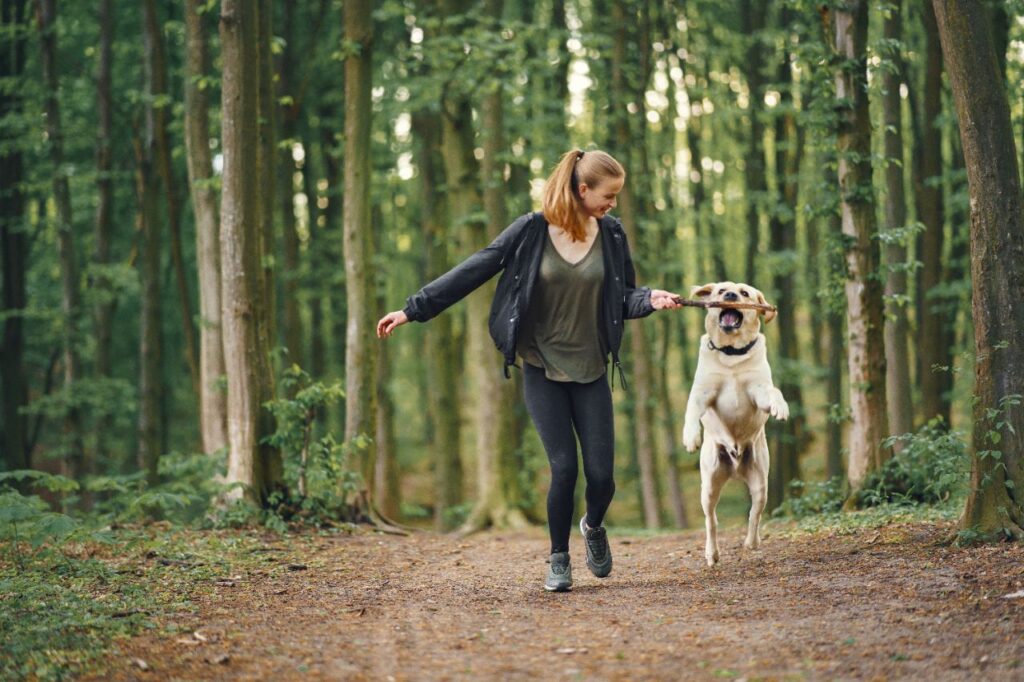
Dogs love adventures, and exploring new environments together can be an exciting bonding experience. Whether it’s hiking, visiting a new park, or simply taking a different route on your walk, these shared experiences stimulate your dog’s curiosity and create lasting memories. Allowing your dog to sniff and investigate their surroundings also fulfills their natural instincts, making the experience more enriching and enjoyable for them. Exploration fosters mutual trust and strengthens the bond between you, as your dog associates these adventures with companionship and joy.
5. Play Interactive Games

Engaging in playtime is one of the best ways to bond with your dog. Games like fetch, tug-of-war, or hide-and-seek not only provide physical exercise but also encourage mental engagement. Interactive toys and puzzles can add variety and keep your dog entertained while strengthening your relationship. Tailoring games to your dog’s preferences ensures they have fun while associating you with positive, enjoyable experiences. Playtime also helps release pent-up energy, reduces stress, and promotes a healthy lifestyle for both you and your dog.
6. Maintain Eye Contact

Eye contact can be a powerful tool for strengthening your bond with your dog. When your dog looks at you, especially during quiet moments, maintaining gentle eye contact can foster trust and connection. Pairing eye contact with a soft tone or a smile reassures your dog and strengthens your emotional connection. This simple gesture communicates your love and attention, deepening the bond between you. Dogs often use eye contact to seek guidance, and responding positively reinforces their trust and confidence in your leadership.
7. Provide Mental Stimulation

Keeping your dog’s mind active is essential for their overall well-being. Activities like puzzle toys, scent games, or basic obedience training challenge their intellect and prevent boredom. Introducing new toys or rotating their current ones keeps them engaged and excited. Mentally stimulating your dog shows you care about their happiness, making them more attentive and bonded to you. A mentally fulfilled dog is less likely to exhibit destructive behaviors, and these engaging activities create opportunities for meaningful interaction.
8. Ensure Consistent Communication

Dogs thrive on consistency and clear communication. Using the same commands, tone, and gestures helps your dog understand your expectations and feel secure. Inconsistent signals can confuse your dog and strain your relationship. By being patient and maintaining clear communication, you build a sense of trust and understanding, which is vital for a strong bond. Consistency also ensures your dog feels confident in their environment, reinforcing the sense of safety and stability that strengthens your connection.
9. Respect Their Individuality

Every dog has a unique personality and set of preferences. Some dogs are outgoing and playful, while others may be reserved and calm. Understanding and respecting your dog’s individuality allows you to tailor your interactions to their needs. Being attuned to their likes and dislikes helps foster a relationship built on trust and mutual respect, making your bond stronger. Embracing their uniqueness not only makes your dog feel loved but also enhances your ability to communicate and share meaningful experiences.
10. Keep Them Healthy

A healthy dog is a happy dog. Regular vet check-ups, a balanced diet, and sufficient exercise are essential for your dog’s physical and emotional well-being. Grooming sessions, though sometimes challenging, can also serve as bonding opportunities when done gently and patiently. By prioritizing their health, you show your dog they are loved and cared for, which strengthens their trust and loyalty. A well-cared-for dog is more likely to be active, playful, and affectionate, further deepening the connection you share.
11. Inconsistent Discipline

Inconsistency in discipline can confuse your dog and weaken your bond. If your dog is scolded for a behavior one day but not the next, they may struggle to understand your expectations. Consistent boundaries and positive reinforcement help your dog feel secure and confident. Avoid harsh punishments, as they can damage trust and create fear, making it harder to build a strong relationship. A fair and predictable approach to discipline fosters respect and trust, reinforcing your role as a reliable and caring guardian.
12. Ignoring Their Needs

Neglecting your dog’s physical or emotional needs can harm your relationship. Regular exercise, mental stimulation, and affection are essential for their well-being. Ignoring these needs can lead to boredom, anxiety, or destructive behaviors. By being attentive and responsive, you show your dog they are valued and loved, which strengthens your bond. Prioritizing their needs demonstrates your commitment to their happiness and health, ensuring a stronger and more trusting connection.
13. Lack of Socialization

Failing to expose your dog to new environments, people, and other animals can make them anxious or fearful. Socialization is crucial for building confidence and helping your dog feel secure in different situations. Gradually introducing them to new experiences in a positive way enhances their trust in you and enriches your relationship. A well-socialized dog is happier, more adaptable, and better equipped to navigate the world, deepening your bond through shared positive experiences.
14. Overwhelming Them

While dogs love attention, overwhelming them with constant interaction or excessive training can be counterproductive. Recognize when your dog needs rest or personal space, and respect their boundaries. Forcing interactions when they’re not in the mood can create stress and strain your bond. Balance is key to maintaining a healthy relationship. Allowing your dog time to relax ensures they remain happy and willing to engage with you, fostering a more harmonious connection.
15. Ignoring Body Language

Your dog’s body language provides valuable insight into their feelings and needs. Ignoring signs of stress, fear, or discomfort can damage trust and strain your bond. Learning to recognize and respond to these cues ensures your dog feels understood and supported. By being attentive to their non-verbal communication, you create a deeper connection built on mutual understanding. Responding appropriately to their body language shows respect and care, strengthening the trust that underpins your relationship.
Love Pets as Much as We Do?

Scroll up and click the ‘Follow’ button to stay updated with the latest heart-warming, hilarious, and helpful pet posts from Pawdown, delivered straight to your Microsoft Start feed and MSN homepage!