
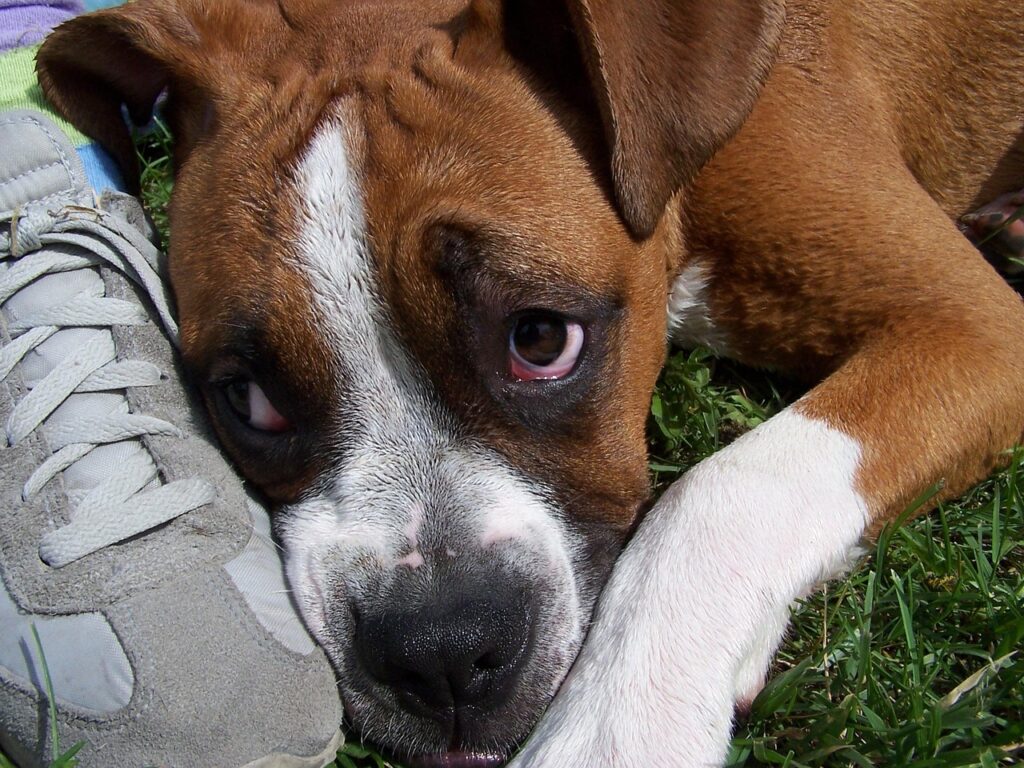
Pets are more than just animals; they’re our furry friends and family members. But when they’re left home alone, do they miss us as much as we miss them? Chances are, they do—and sometimes it results in separation anxiety. Understanding the signs can make all the difference in keeping your pet happy and calm. Here’s how to spot the subtle signals that your pet is struggling and what you can do to help ease their stress.
1. Destructive Behaviors

Have you ever come home to find shredded pillows or gnawed furniture? It might be more than just a bored pet trying to entertain themselves. Dogs and cats can exhibit destructive behaviors when they experience separation anxiety. This is often a result of their overwhelming stress in your absence, leading them to take out their frustration on household items. Providing distractions, like chew toys or puzzle feeders, can sometimes help reduce this destructive inclination and keep your home intact.
2. Excessive Vocalization
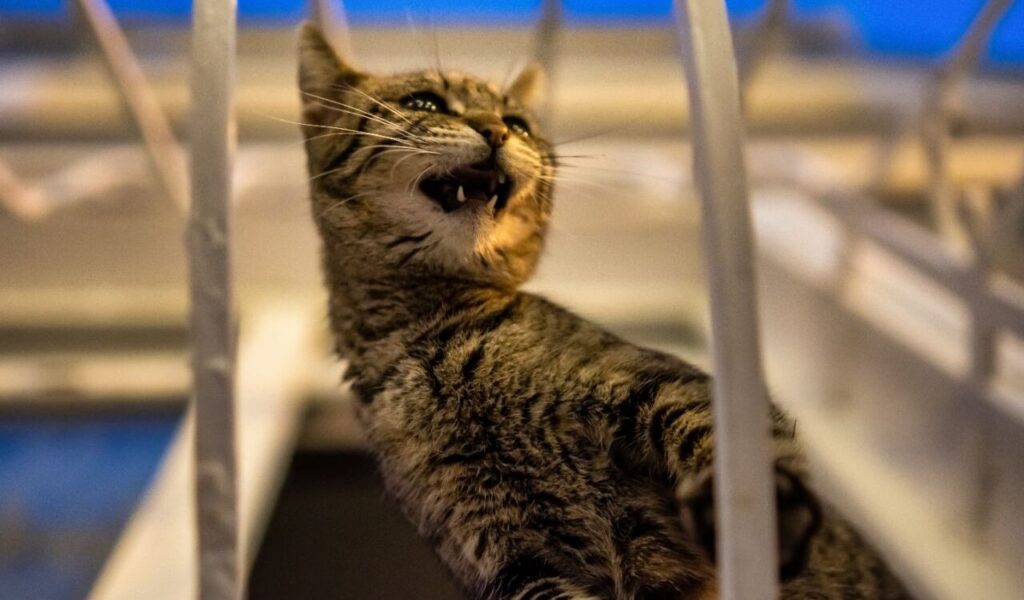
If your neighbors are complaining about your pet’s constant barking or meowing, it might be a sign of separation anxiety. Pets may become vocal not because they want to annoy the neighbors, but because they are calling out for their beloved human to return. This excessive vocalization can be heartbreaking, as it often indicates distress. Leaving a radio or TV on to mask outside noises or using a calming pheromone diffuser might help soothe your pet’s nerves.
3. House Soiling

Coming home to unexpected messes might be more than just an accident. House soiling, especially in trained pets, can indicate that anxiety is getting the better of them. Stress can disrupt normal bathroom routines, leading to unwanted surprises. This behavior typically occurs soon after you leave, showcasing your pet’s discomfort. Creating a comforting environment or consulting with a vet for potential solutions can help manage this unsettling sign.
4. Pacing or Restlessness
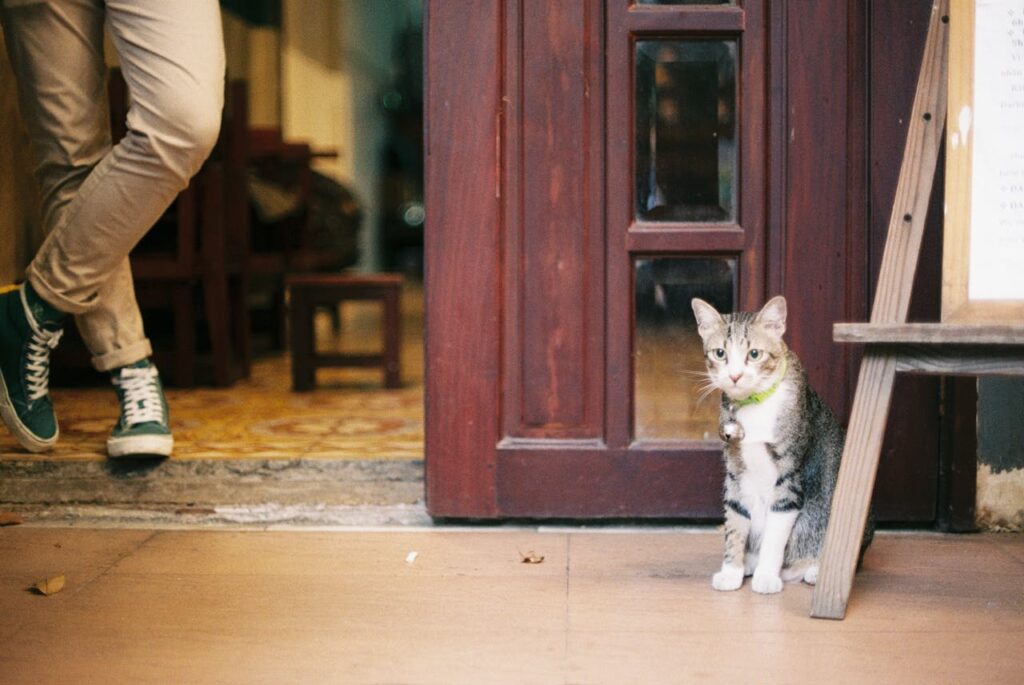
Notice your pet pacing back and forth, or finding it hard to settle down? Pacing or restlessness is a common indicator of anxiety, often mirrored by the nervous energy a pet feels when they’re alone. This constant movement can be a cry for help, an attempt to find comfort while you’re away. Establishing a routine or dedicating time for calming activities before you leave can assist in reducing this anxious energy and make your pet feel more secure.
5. Escape Attempts

If your normally content pet suddenly becomes a little Houdini, you might be dealing with separation anxiety. Escape attempts, such as scratching at doors or windows, speak to their desperate need to reunite with you. Not only can this behavior be distressing for your pet, but it can also lead to injuries or costly repairs. Providing them with a safe and engaging environment, perhaps with interactive toys or puzzling challenges, can mitigate these frantic escapades and help calm their anxious nerves.
6. Over-Grooming
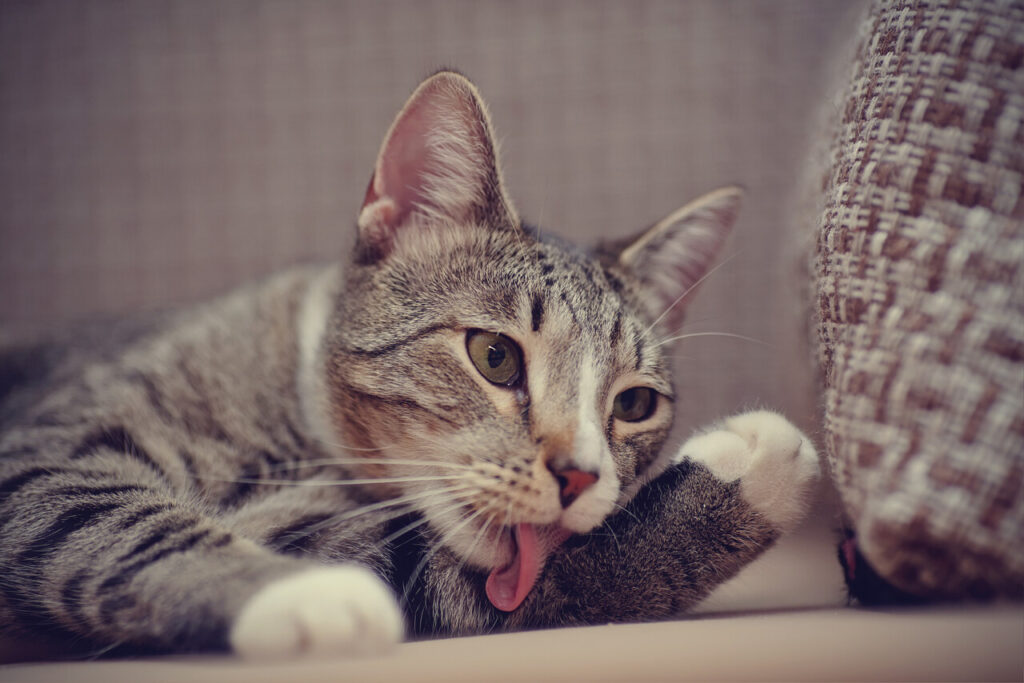
Over-grooming is an uncomfortable yet telling signal of stress in pets. If you notice your cat licking incessantly or your dog nibbling at their paws, it may go beyond mere cleanliness. Such compulsive grooming can result in bald spots or irritated skin, signifying anxiety due to your absence. To help soothe this habit, ensure your pet has ample distractions and consider consulting a vet for calming sprays or medications. Embrace regular playtime and interaction to reassure them of your unchanging presence.
7. Changes in Appetite
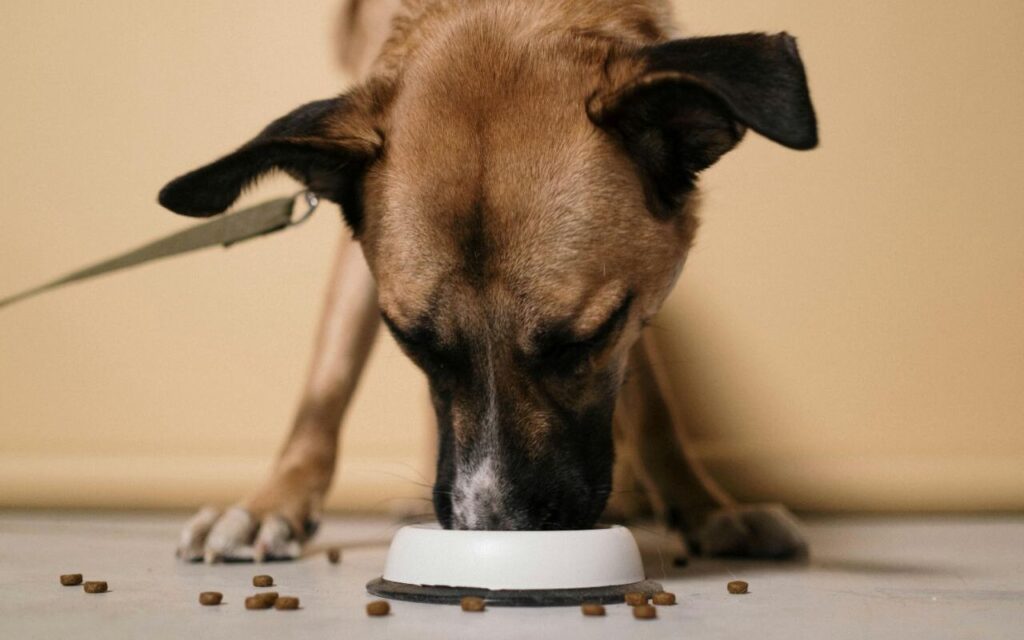
An eager eater turning their nose up at food can be a worrying sign for any pet parent. Separation anxiety often manifests in changes in appetite; some pets may shy away from meals, while others could develop intermittent bouts of insatiability. These behaviors might indicate their unease about being left alone. Ensuring meals remain consistent and stress-free, possibly by incorporating food puzzles or specific feeding routines, can help maintain their nutritional balance and ease their anxiety.
8. Depression or Withdrawal
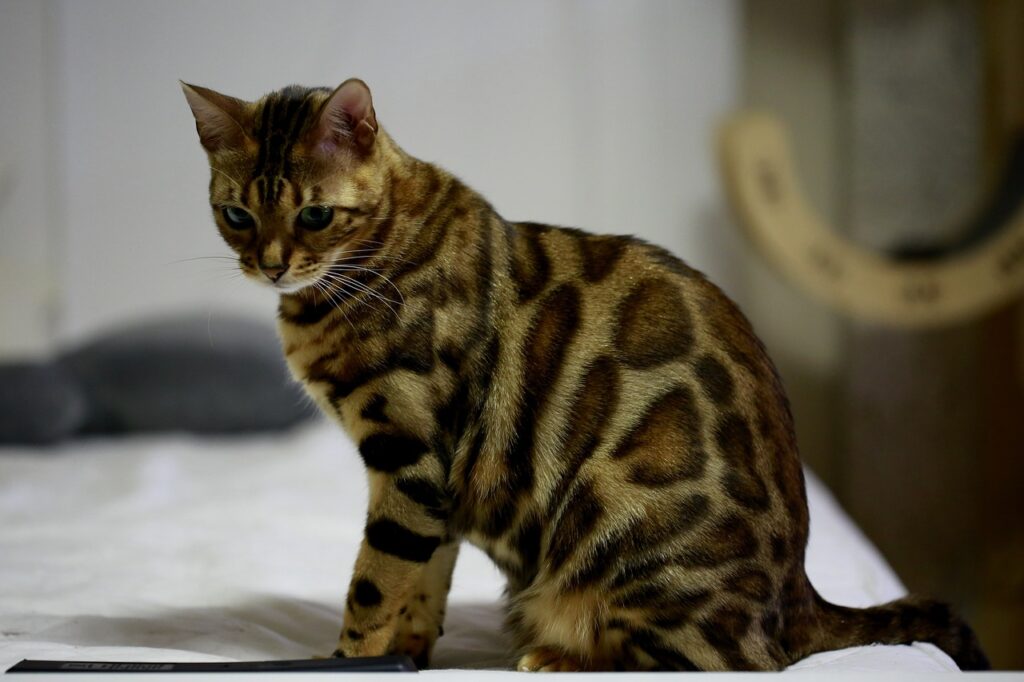
Pets, like people, can succumb to the blues, especially when separation anxiety kicks in. If your usually playful pup is suddenly disinterested in their favorite game or your chatty parrot has fallen silent, they might be withdrawing. This emotional retreat is their way of coping with loneliness. Reassure them with extra doses of affection and consider investing time in behavior modification training. Their mood can significantly improve with routine, attention, and love, reminding them they aren’t alone.
9. Physical Symptoms
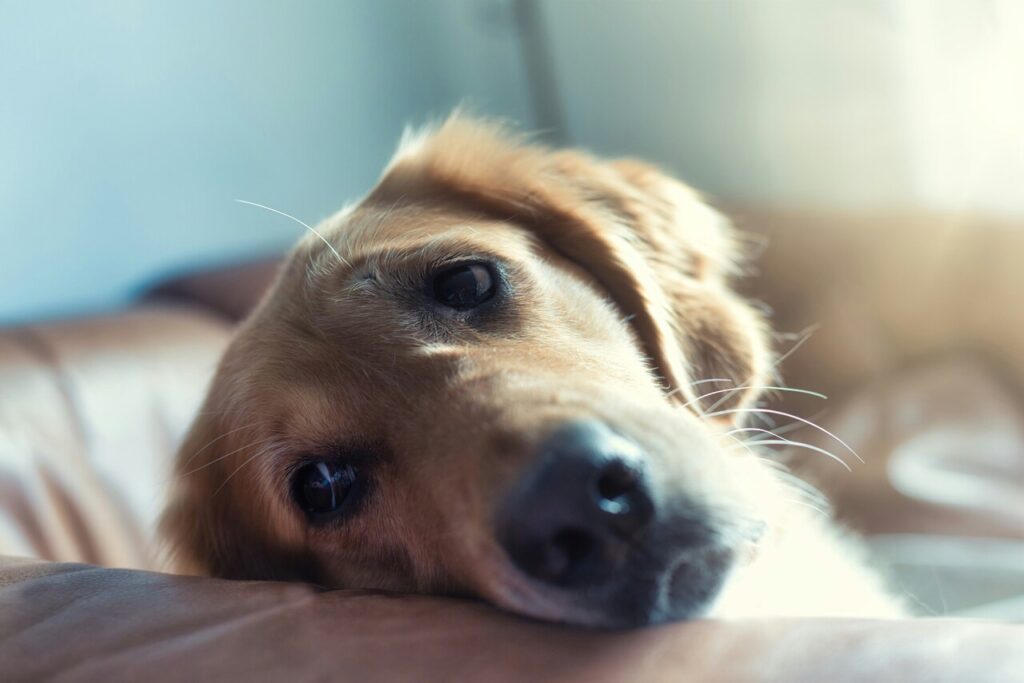
Just like humans, pets can manifest stress through their bodies. If your pup or kitty is panting excessively, drooling more than usual, or even shaking, they might be feeling the pangs of separation anxiety. Some animals may develop digestive issues, leading to accidents in the house even if they’re well-trained. Keep an eye out for self-inflicted injuries; excessive licking or chewing on paws or tails can be a sign they’re trying to cope with being alone. Recognizing these physical symptoms early can help manage your pet’s anxiety effectively.
10. Seeking Constant Attention
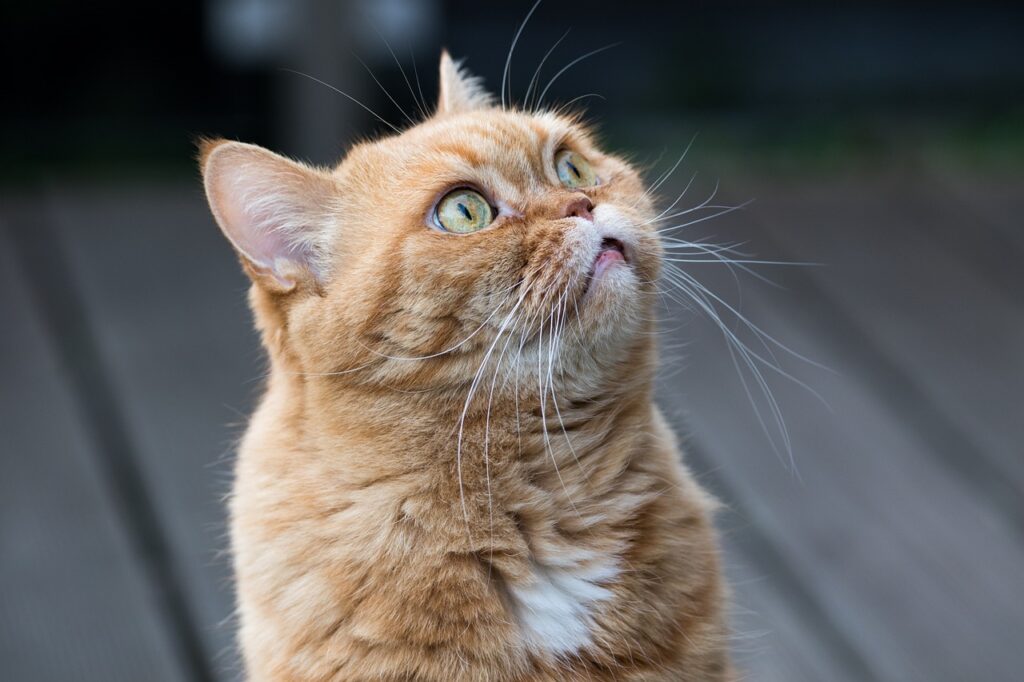
Does your furry friend become your shadow, following you from room to room? That’s one sign they might be dealing with separation anxiety. Pets that demand constant attention may bark, meow, or whine whenever you shift your focus away from them, even for a moment. These behaviors can seem cute but might indicate underlying stress when they’re left alone. Ensuring your pet is emotionally secure before you head out can help minimize their clinginess and support a healthier bond between you both.