

While the thought of keeping a wild animal as a pet might seem exciting, it’s important to remember that these creatures aren’t meant for domestic life. Wild animals have evolved to thrive in their natural habitats, where they can follow their instincts and live freely. Over time, some have attempted to domesticate these animals, but the results are often disastrous. These creatures, no matter how fascinating, simply cannot adapt to the life of a pet. Let’s see 10 wild animals that have been kept as pets with little success, and why they simply don’t belong in a home.
1. Cheetahs

Cheetahs are best known for their remarkable speed, capable of reaching 70 mph in short sprints. Despite their elegance, they’re not suited for life in a home. Cheetahs require large spaces to run, hunt, and interact with other cheetahs, as they are solitary animals by nature. Their instinct to hunt and their need for a specialized diet make them difficult to care for in captivity. Their behavior often becomes unpredictable in confined spaces, making them dangerous to own. Cheetahs, despite their grace, are not meant for life as a pet.
2. Wolves

Wolves, although closely related to dogs, are wild creatures that retain strong pack instincts. Unlike dogs, which have been bred for companionship, wolves thrive in the wild where they can roam in packs. Their need for wide territories and their complex social structures make them difficult to house in a domestic environment. Wolves also have a strong predatory drive, which can lead to aggressive behavior. Even when raised in captivity, they often become unpredictable and dangerous, making them unsuitable as pets.
3. Tigers

Tigers are awe-inspiring animals, revered for their beauty and power. However, they are solitary predators that require large territories to roam and hunt. In captivity, tigers often become stressed due to limited space and the lack of an appropriate environment. Their strength and size make them dangerous, even to experienced handlers. Despite being kept in some private zoos or sanctuaries, tigers don’t adapt well to domestic life. Their complex needs, including diet and mental stimulation, make them impossible to care for properly as pets.
4. Orangutans

Orangutans are highly intelligent creatures known for their ability to form strong bonds with humans. However, their intelligence also makes them incredibly difficult to keep as pets. They require a habitat that simulates their natural environment, complete with trees to climb and an array of activities to engage in. Orangutans also have complex dietary needs that are difficult to meet outside of the wild. As they grow, their strength and unpredictable behavior make them increasingly challenging to manage in a household. They simply cannot thrive in captivity.
5. Alligators
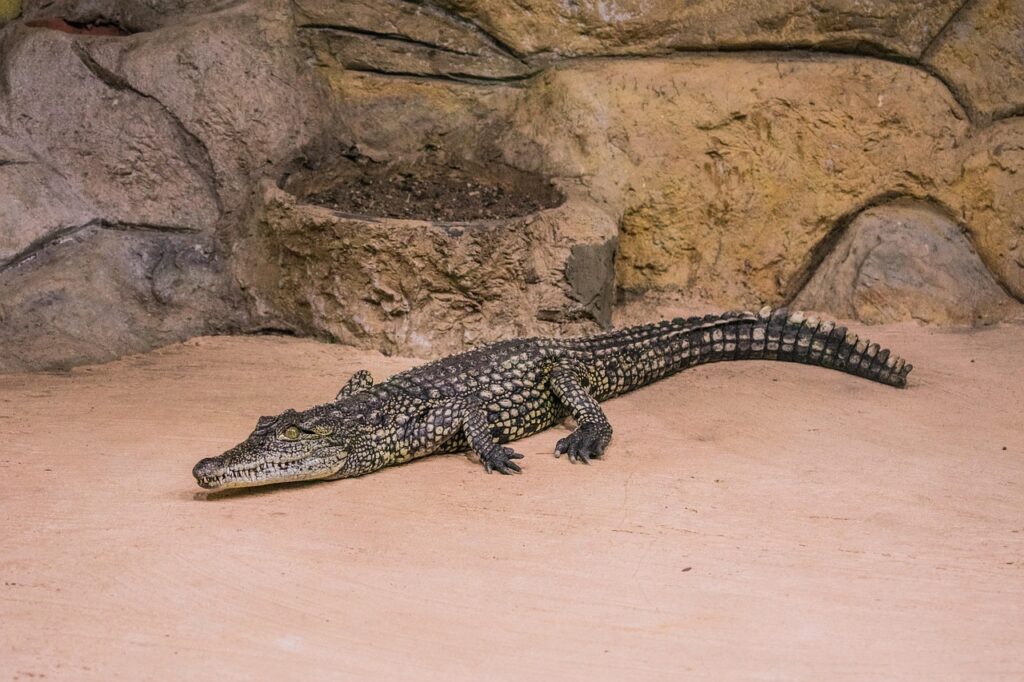
While alligators may appear cute when they are young, they grow to be large, powerful reptiles that pose significant risks. Alligators require a very specific habitat that includes access to water, as well as a diet primarily consisting of meat. As they mature, they become more aggressive and territorial, making them increasingly difficult to handle. Keeping an alligator as a pet is not only dangerous but also irresponsible, as they cannot be properly cared for in a typical household. Alligators are best left in their natural environment or specialized sanctuaries.
6. Elephants

Elephants are incredibly social animals that form strong bonds with their herds. They require vast amounts of space to roam and complex social interactions to thrive. In captivity, they often suffer from physical and mental health issues due to lack of space and proper socialization. Elephants also need a specialized diet that can be difficult to provide in a home setting. Their size and strength make them potentially dangerous, especially when not treated with the respect and care they deserve. Keeping an elephant as a pet is both impractical and harmful to the animal.
7. Sloths

Sloths are known for their slow movements and relaxed demeanor, but they are not domesticated animals. These arboreal creatures require specific environmental conditions, including trees to climb and an adequate diet consisting mainly of eucalyptus leaves. Sloths have very slow metabolisms and can easily become stressed in captivity, which leads to health issues. Their limited mobility and specialized dietary needs make them difficult to care for outside of their natural habitat. While adorable, sloths are best left in the wild where they can thrive naturally.
8. Hyenas

Hyenas are often misunderstood due to their scavenger reputation, but they are intelligent and social animals. However, they are not suitable as pets due to their complex social structure and strong territorial instincts. Hyenas are powerful creatures with a strong predatory drive, and their behavior can be aggressive, especially when they feel threatened. They also require large areas to roam and a diet that suits their scavenging nature. Keeping a hyena as a pet can lead to dangerous situations, both for the animal and for its human owners.
9. Koalas

Koalas are often seen as cuddly creatures, but their specific needs make them unsuitable as pets. These marsupials primarily feed on eucalyptus leaves, which are difficult to source and essential for their health. Koalas also require an environment with plenty of trees to climb and sleep in, which cannot be replicated in a household setting. In captivity, koalas suffer from stress and malnutrition. Their solitary nature and specialized habitat requirements mean they are best suited to the wild, where they can live as they were intended.
10. Bison
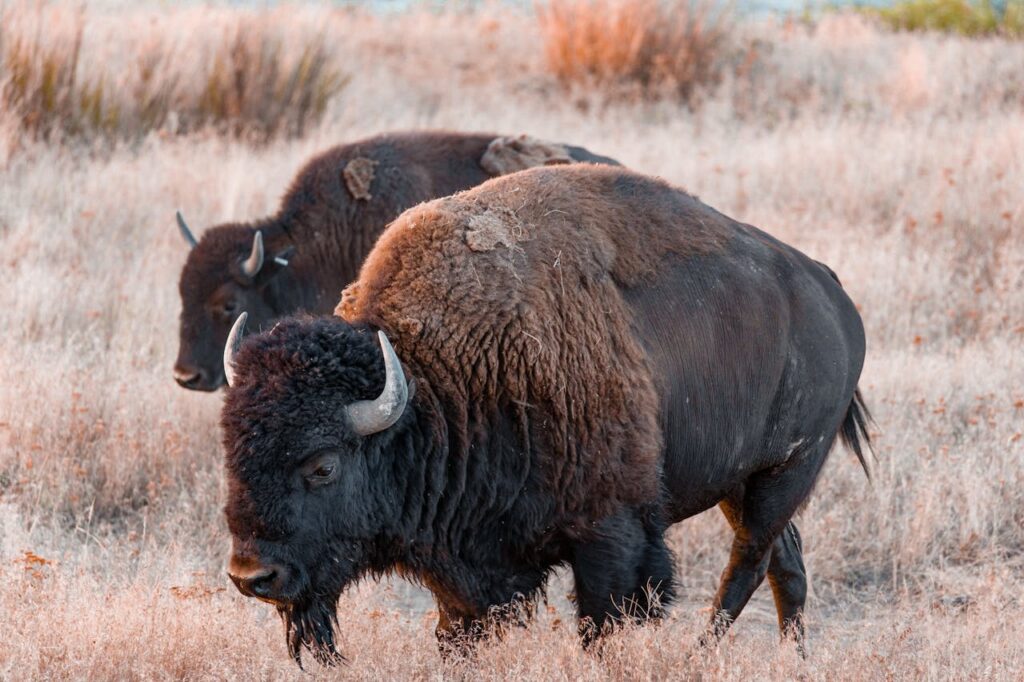
Bison are large, powerful animals that require vast grazing lands to roam. While some have attempted to keep bison as farm pets, their size and strength make them challenging to manage in captivity. Bison are naturally herd animals and thrive when living in groups. They are also territorial, and their behavior can become aggressive, particularly during mating season. Their size and grazing needs make them impractical to keep on private property. Bison are best left in the wild or on large, specialized ranches where they can live as they would in nature.
Love Pets as Much as We Do?

Scroll up and click the ‘Follow’ button to stay updated with the latest heart-warming, hilarious, and helpful pet posts from Pawdown, delivered straight to your Microsoft Start feed and MSN homepage!