

Wild birds can be fascinating with their charming personalities and beautiful songs, but just because they’re friendly doesn’t mean they should be kept as pets. Some wild birds form strong bonds with humans and can be surprisingly social, yet their natural instincts and complex needs make them unsuitable for domestication. Let’s explore 10 wild birds that are friendly but best left in the wild, where they truly belong.
1. Lorikeets

Lorikeets are vibrant, social wild birds known for their playful personalities and colorful plumage. Native to Australia and parts of Southeast Asia, they thrive in tropical and subtropical environments. Despite their friendly nature, lorikeets are not suited for life as pets. Their diet primarily consists of nectar and fruit, requiring a specialized feeding routine that’s difficult to replicate in captivity. Additionally, their high energy and need for constant stimulation can be overwhelming for pet owners, making them better appreciated from a distance in their natural habitats.
2. Aracaris
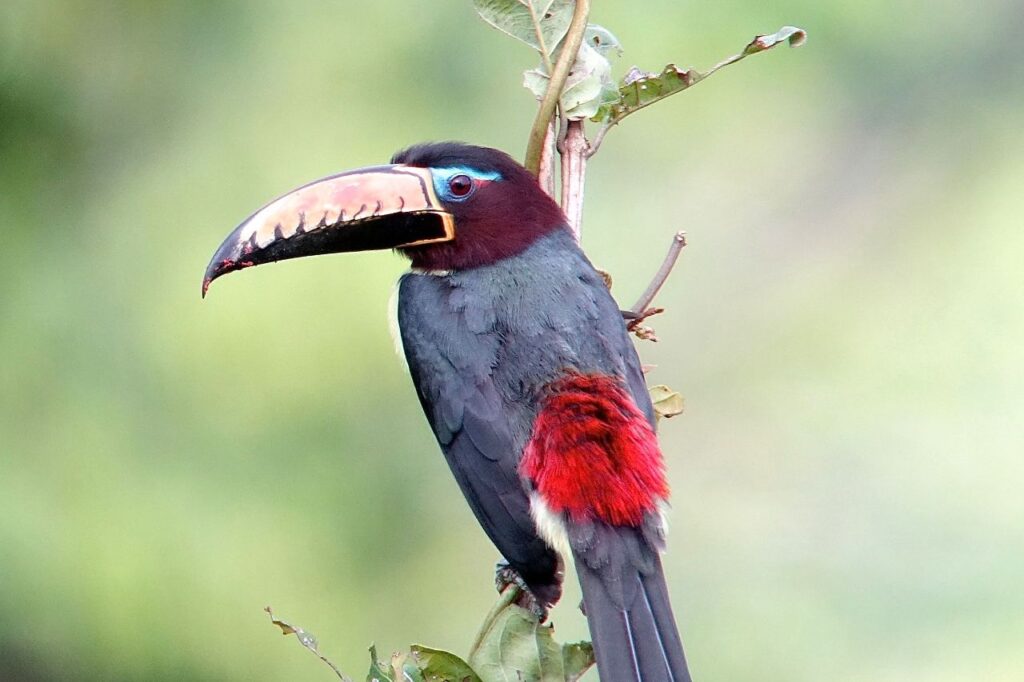
Aracaris are vibrant, social wild birds found in the rainforests of Central and South America. Known for their striking, colorful bills and lively personalities, they often form close bonds with others in their species. However, despite their friendly nature, Aracaris are not ideal pets. They have specific dietary needs, including a mix of fruits, insects, and nuts, and require large, spacious environments to fly and forage. Their natural instincts and high energy levels make them better suited to their native habitats, where they can thrive in a social, stimulating environment.
3. Caiques

Caiques, known as “clown parrots,” are energetic and playful birds native to South America’s rainforests. Their striking colors and friendly nature make them appealing, often forming strong bonds with humans. However, despite their affectionate personalities, Caiques are wild birds with complex needs. They require a balanced diet, plenty of space to fly, and mental stimulation. Their high energy and constant need for social interaction make them better suited to their natural habitat, where they can thrive.
4. Toucans

Toucans, with their striking beaks and vibrant plumage, are captivating birds. While they may appear friendly, they are not suited to life as pets. In the wild, toucans are social creatures that thrive in large, complex environments, requiring plenty of space to roam and forage. Their diet of fruits, seeds, and insects is difficult to replicate in captivity. Toucans are highly active and need ample stimulation, which can be hard to provide at home, often leading to stress and health issues. It’s best to admire these stunning birds in their natural habitat.
5. Macaws

Macaws are stunningly colorful and often known for their friendly demeanor, but they are wild birds that are not meant to be pets. Native to the rainforests of Central and South America, these birds are highly social and form strong bonds with their flock, not humans. While they may show affection toward people in the wild, their complex needs—such as large territories, specialized diets, and social structures—make it difficult for them to thrive in captivity. Macaws are known for their powerful beaks, and when under-stimulated or stressed, they can become aggressive, which can cause harm.
6. Ringneck Parakeets

Ringneck parakeets, known for their vibrant green feathers and distinctive ring-shaped markings around their necks, are often seen as friendly and curious. While they are social birds, forming strong bonds with their human caretakers in the wild, they are not meant to be kept as pets. Their intelligence and active nature require a lot of stimulation, and their loud calls can be disruptive in a home environment. In their natural habitats, Ringnecks thrive in large flocks, which is essential for their mental and social well-being, making them better suited for the wild than domestic life.
7. Amazon Parrots

Amazon parrots are known for their playful and affectionate nature, often forming strong bonds with humans. While they can be friendly and enjoy social interaction, these wild birds are not suitable as pets due to their high intelligence and complex social needs. In their natural habitats, Amazon parrots live in large flocks, where they communicate through vocalizations and engage in intricate social behaviors. Keeping them as pets can lead to boredom, stress, and behavioral issues, as they require constant mental stimulation and a proper environment to thrive.
8. Green-cheeked Parakeets

Green-cheeked parakeets are friendly and social, often forming strong bonds with humans. However, despite their affectionate nature, they are wild birds that thrive in flocks and natural environments. In the wild, they play a crucial role in their ecosystem, foraging for fruits, seeds, and nuts. Keeping them as pets can restrict their natural behaviors, causing stress and health issues. While they can adapt to captivity, they are best appreciated in their natural habitat, where they can interact with their flock and enjoy the freedom to explore.
9. Parrotlets

Parrotlets are small, vibrant birds known for their playful and affectionate nature. While they can form strong bonds with humans, they are still wild creatures at heart. Native to Central and South America, these tiny parrots thrive in flocks and exhibit complex social behaviors that can be difficult to replicate in a domestic setting. Although they’re friendly and curious, Parrotlets have strong territorial instincts, and keeping them as pets may cause stress due to the confinement of their natural habitat. They are best admired from afar, where their social and wild traits can flourish.
10. Blue-headed Parrots
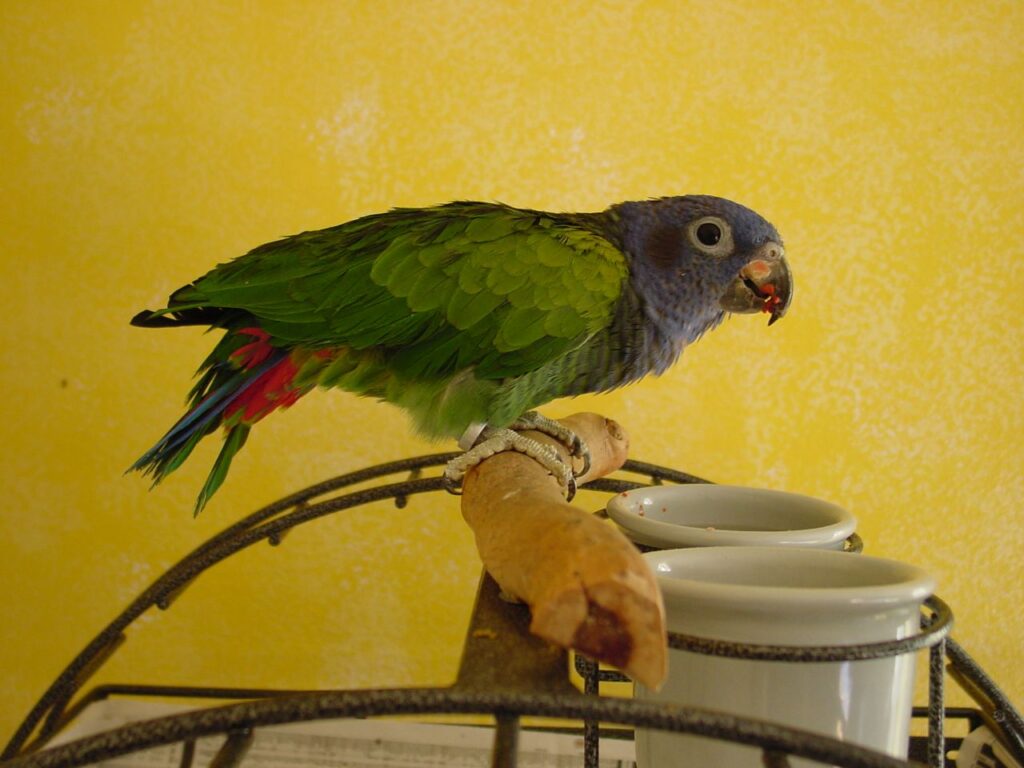
Blue-headed parrots, native to Central and South America, are known for their vibrant plumage and curious, friendly nature. These parrots can be quite social, often forming strong bonds with humans in their natural environment. Despite their charming personality, blue-headed parrots are wild birds that require vast space, mental stimulation, and specific diets to thrive. Their natural instincts, including foraging and flying long distances, make them difficult to care for in captivity, which is why they’re best admired in the wild rather than kept as pets.
Love Pets as Much as We Do?

Scroll up and click the ‘Follow’ button to stay updated with the latest heartwarming, hilarious, and helpful pet posts from Pawdown, delivered straight to your Microsoft Start feed and MSN homepage!