
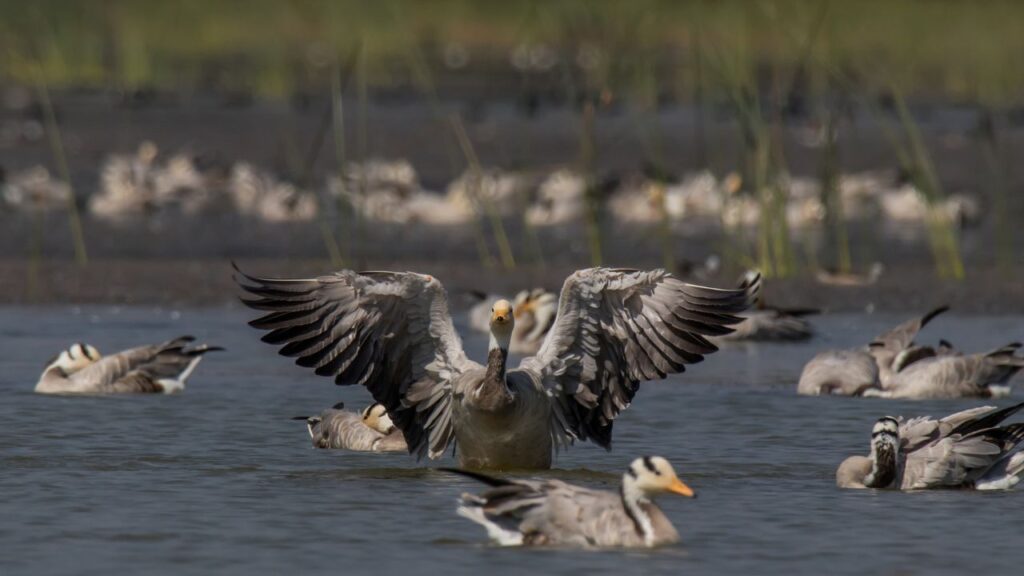
Across skies, seas, forests, and plains, animals embark on some of the most extraordinary journeys in the natural world. Migration isn’t just a seasonal shift—it’s a daring feat of endurance, instinct, and survival. From tiny insects to massive mammals, creatures travel thousands of miles guided by invisible compasses and ancient rhythms. These awe-inspiring movements shape ecosystems, inspire science, and remind us of nature’s intricate choreography. Whether it’s a butterfly crossing continents or a whale navigating open oceans, these wild migration facts reveal just how far life will go to thrive.
1. Arctic Terns: Masters of Distance
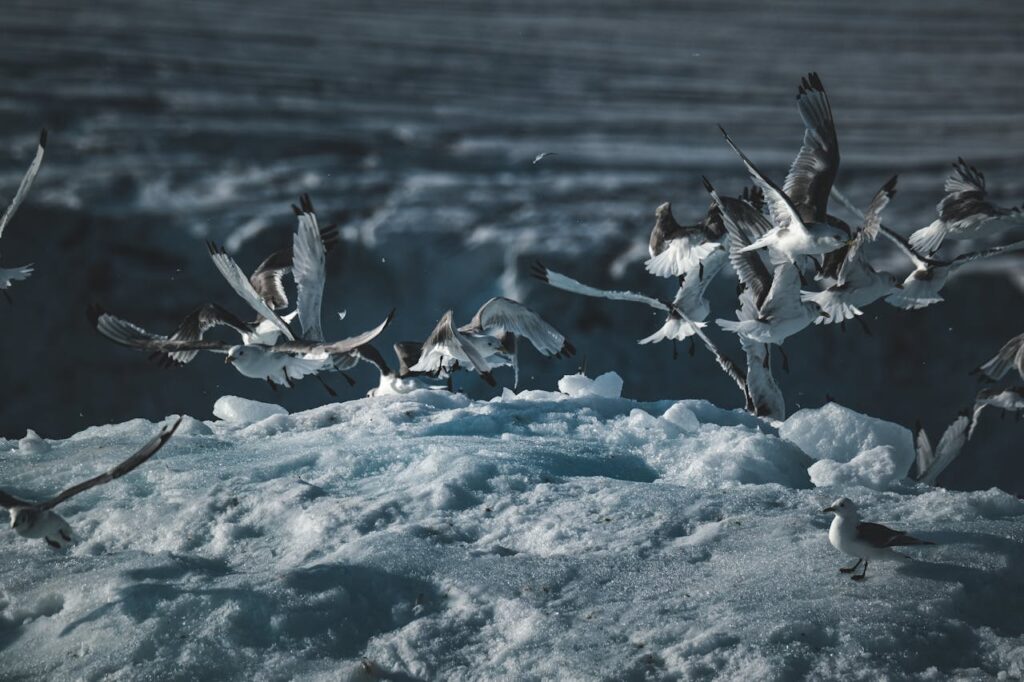
Renowned as the ultimate globetrotters, Arctic terns embark on a breathtaking migration from the Arctic to Antarctic regions and back, covering roughly 44,000 miles annually. These small but mighty birds witness two summers each year, maximizing their feeding and breeding opportunities. With a lifespan of up to 30 years, an individual tern can travel over a million miles in its lifetime. Their navigation skills, believed to be guided by the Earth’s magnetic fields, make them a marvel of nature. Their epic journey showcases the incredible endurance and resilience found in the animal kingdom.
2. Monarch Butterflies: Fragile Travelers

Monarch butterflies undertake one of the most extensive insect migrations, traveling up to 3,000 miles from North America to central Mexico to escape the harsh winter. With their delicate wings and vibrant orange and black patterns, they traverse perilous conditions, relying on favorable winds and thermals. This journey spans several generations, with offspring picking up where their predecessors left off. Their migration is a miraculous feat of genetic memory and environmental adaptation, underscoring the complex and intricate cycles that govern the lives of these fragile travelers.
3. Wildebeest: The Great Exodus
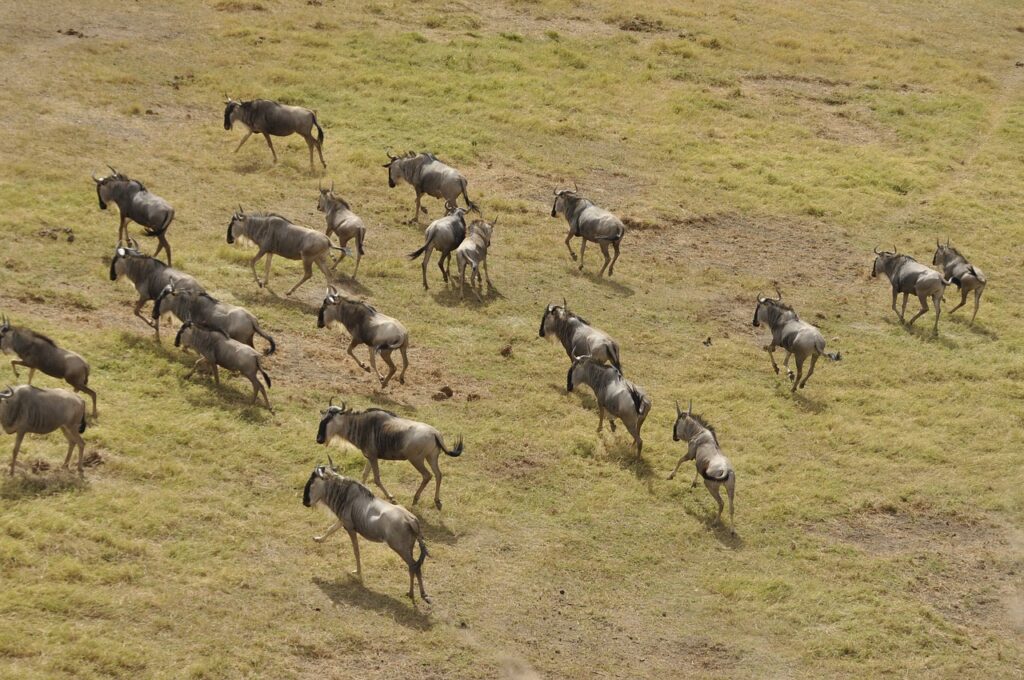
Every year, the vast Serengeti plains come alive with the rhythmic pounding of over 1.5 million wildebeest hooves. This great migration, a continuous loop of survival, takes them across treacherous rivers and predator-packed terrains in search of greener pastures. Accompanied by zebras and gazelles, the wildebeest migrate 1,200 miles, demonstrating impressive herd coordination and an innate sense of timing. Their dramatic river crossings symbolize the sheer scale and spectacle of nature’s cycles, providing a vital ecological boost to the regions they journey through.
4. Salmon: Against the Current
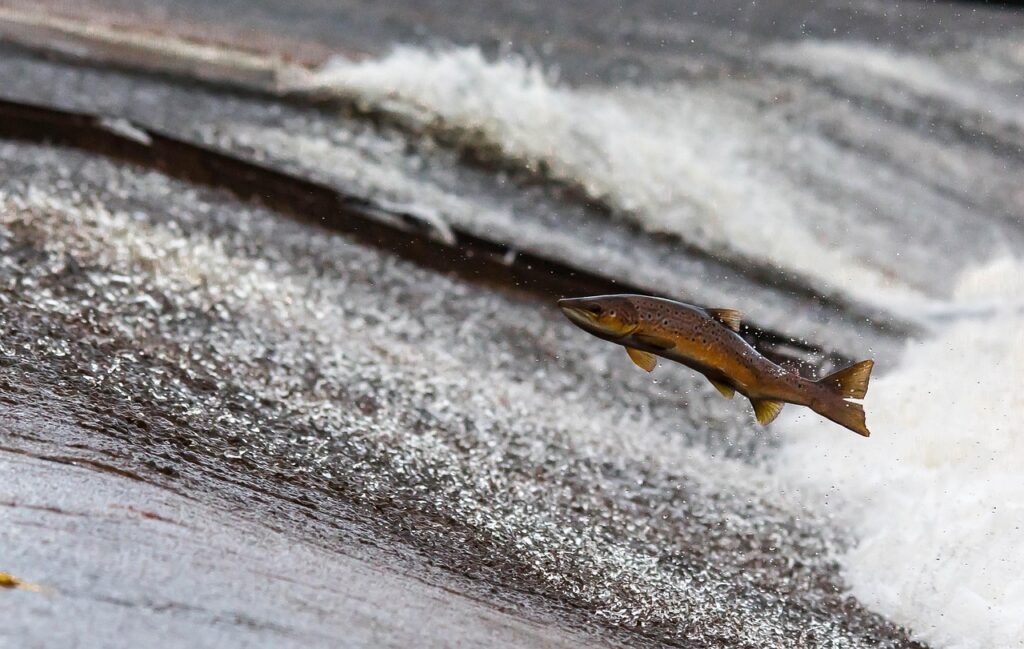
Embarking on one of nature’s most grueling challenges, salmon migrate from the ocean back to their birthplace in freshwater streams to spawn. Each journey is fraught with predators, waterfalls, and turbulent waters, testing the endurance of these remarkable fish. According to data from NOAA, they can leap over obstacles up to 12 feet high, driven by a magnetic sense and olfactory cues that guide them home. This relentless upstream battle ensures the continuation of their species, highlighting the extraordinary determination and ancestral instincts that dominate their lives.
5. Caribou: Endless Journey
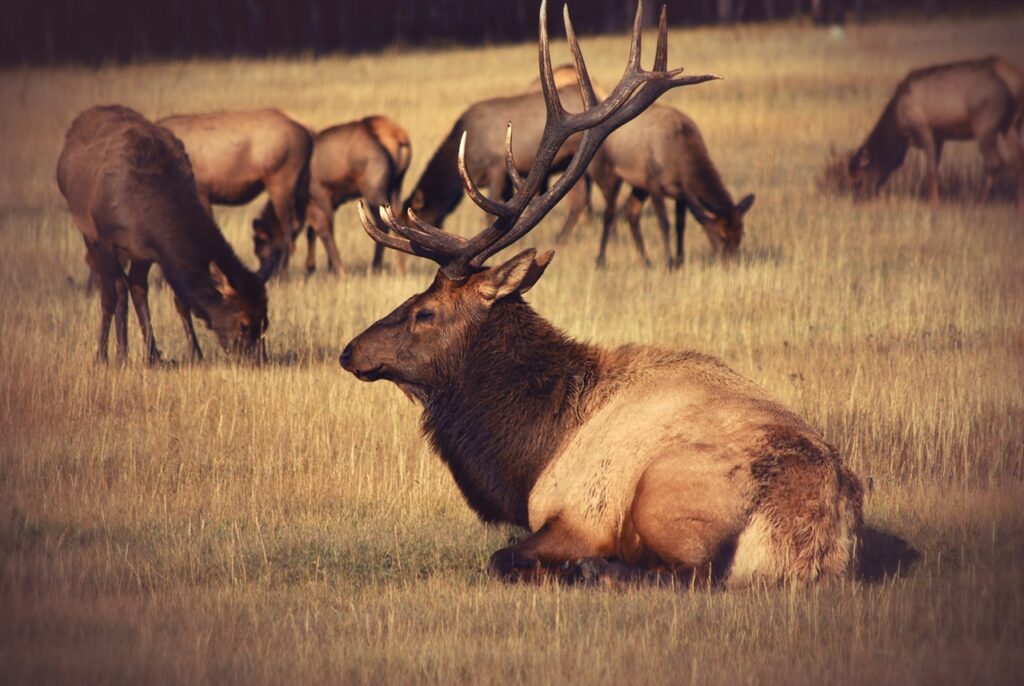
Caribou, also known as reindeer, are true to their nomadic nature, traversing up to 3,000 miles annually in North America’s tundra. They pursue fresh grazing grounds with the changing seasons, a dance dictated by the availability of food and favorable weather. Traveling in vast herds, their migrations shape the landscape, influencing the flora and providing nourishment for predators and scavengers alike. The sight of thousands of caribou moving in unison is a testament to the interconnectedness of ecosystems and the age-old rhythms dictated by nature’s clock.
6. African Elephants: Water Seekers
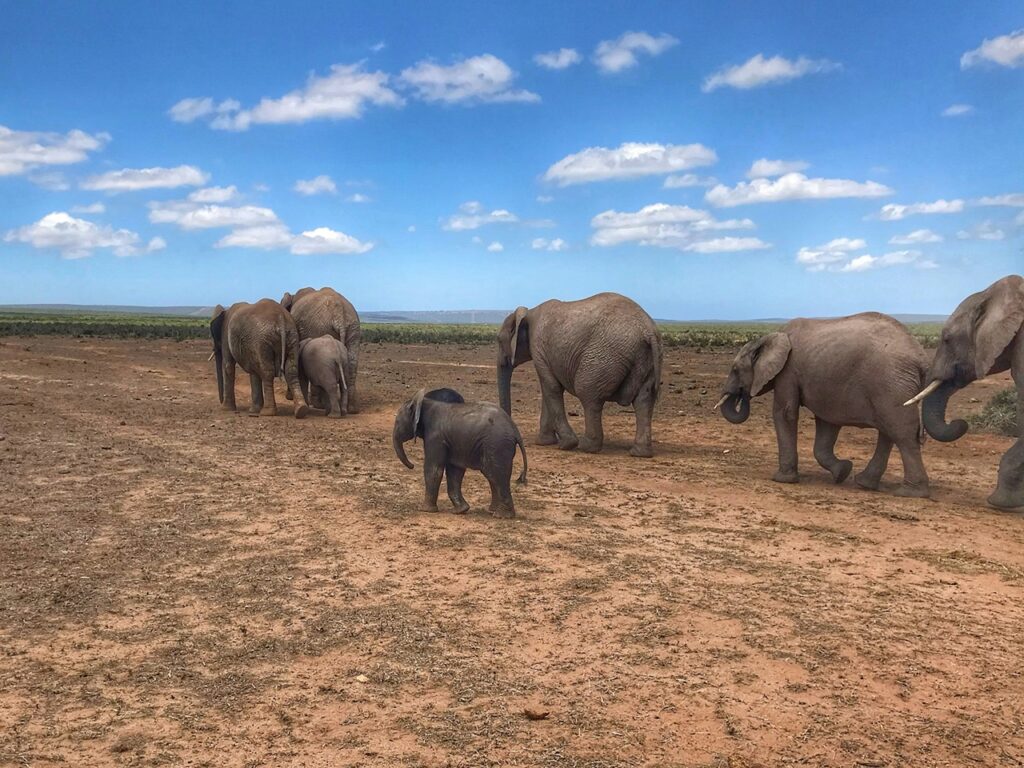
African elephants are renowned for their incredible migratory treks in search of water. These intelligent giants travel hundreds of miles across dry savannas during the harsh African dry season. Their journey is driven by an acute sense of smell and memory, allowing them to locate water sources from a distance. Elephants manage to traverse challenging terrains, often moving in family groups led by matriarchs who guide them based on recollections of previous routes. These migrations not only ensure their survival but also play a crucial role in shaping the ecosystems through which they travel.
7. Humpback Whales: Oceanic Voyagers
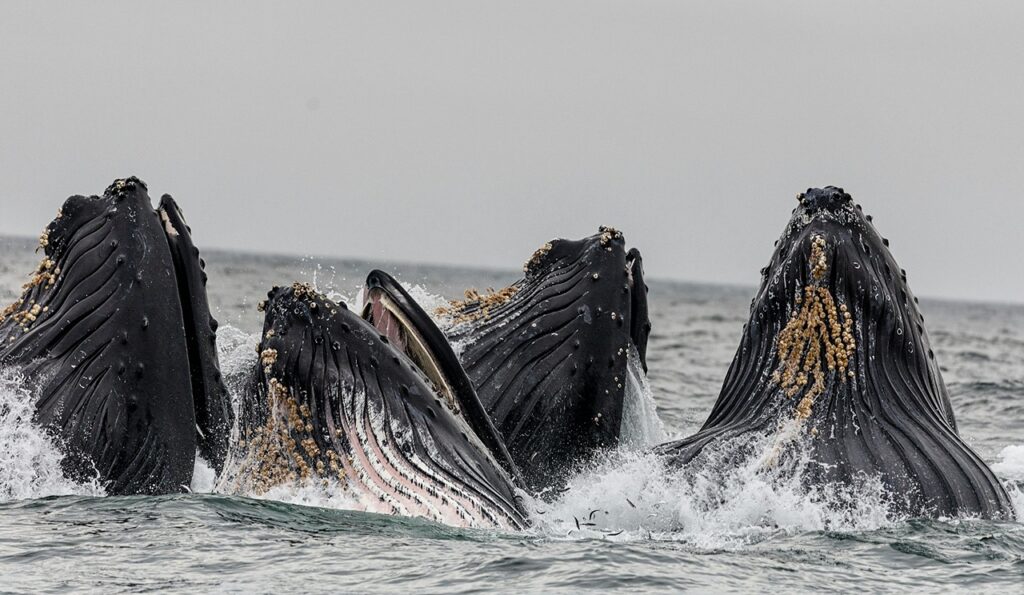
Humpback whales embark on one of the longest migrations of any mammal, traveling up to 16,000 miles annually. These majestic creatures migrate from polar feeding areas to tropical breeding grounds, a journey fueled by a need to reproduce in warmer waters. Their migration is a mesmerizing spectacle, with humpbacks known for breaching, tail slapping, and complex songs that resonate over vast distances. According to data from marine studies, their migration aids in nutrient cycling, benefiting ocean ecosystems globally. These astounding journeys embody both strength and grace, captivating marine enthusiasts worldwide.
8. Dragonflies: Aerial Navigators

Dragonflies, nimble and vibrant, undertake remarkable migratory flights that span continents. Some species, like the globe skimmer, migrate over 11,000 miles, a feat that rivals many larger animals. Despite their delicate appearance, dragonflies are resilient navigators, using wind currents and weather patterns to aid their flight. Their journeys are essential for survival, as they migrate to find suitable breeding conditions and evade harsh climates. The endurance and precision of these tiny insects during migration are astonishing and play a vital role in maintaining ecological balance by controlling mosquito populations.
9. Red Crabs: Island Pilgrims

On Christmas Island, red crabs create one of nature’s most stunning migrations. Annually, millions of these crabs scuttle from the dense tropical forests to the coast to breed and release their eggs into the ocean. This dramatic event, synchronized with the lunar cycle and seasonal rains, transforms landscapes into a sea of red. Their migration not only captivates the human imagination but also significantly influences the island’s ecosystem. By aerating the soil and dispersing seeds during their journey, these crabs ensure the health of their forest habitat, showcasing nature’s intricate interconnections.
10. Bar-Headed Geese: Himalayan Flyers
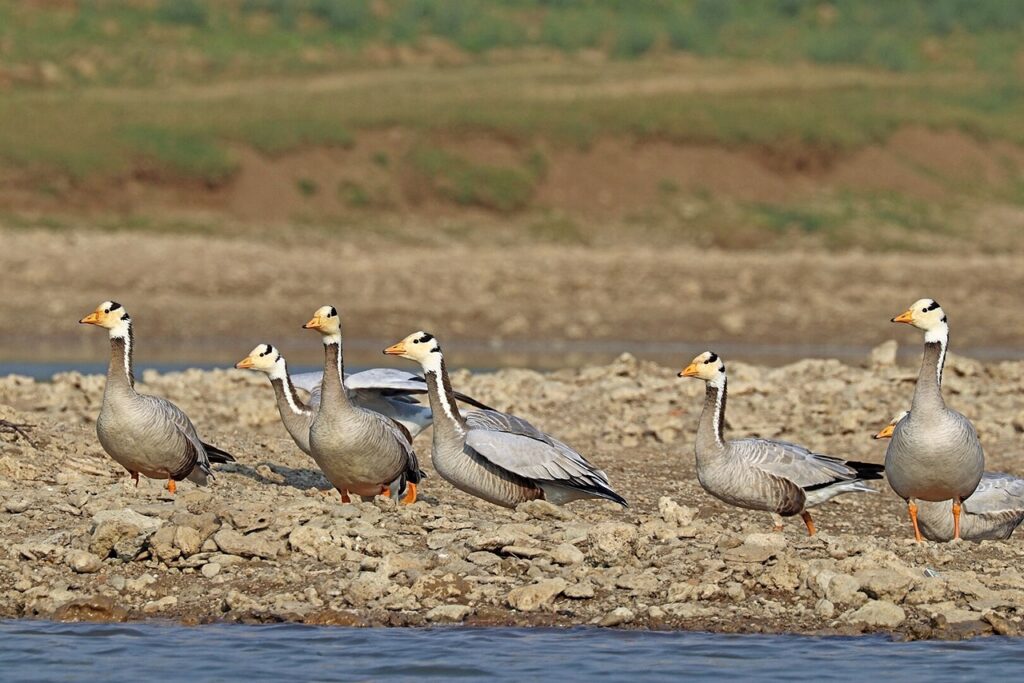
Bar-headed geese undertake a remarkable migration, flying over the Himalayas at altitudes surpassing 29,000 feet. These birds are adapted to high-altitude conditions, possessing efficient oxygen uptake and muscular endurance that allow them to withstand thin mountain air. Their migration spans from Southeast Asia to the Tibetan Plateau, a journey fueled by breeding needs. What science says, as documented in avian biology studies, is that these feats contribute to understanding physiological adaptation and survival strategies. Their breathtaking journey across some of the world’s highest peaks highlights nature’s astounding resilience and adaptability.