
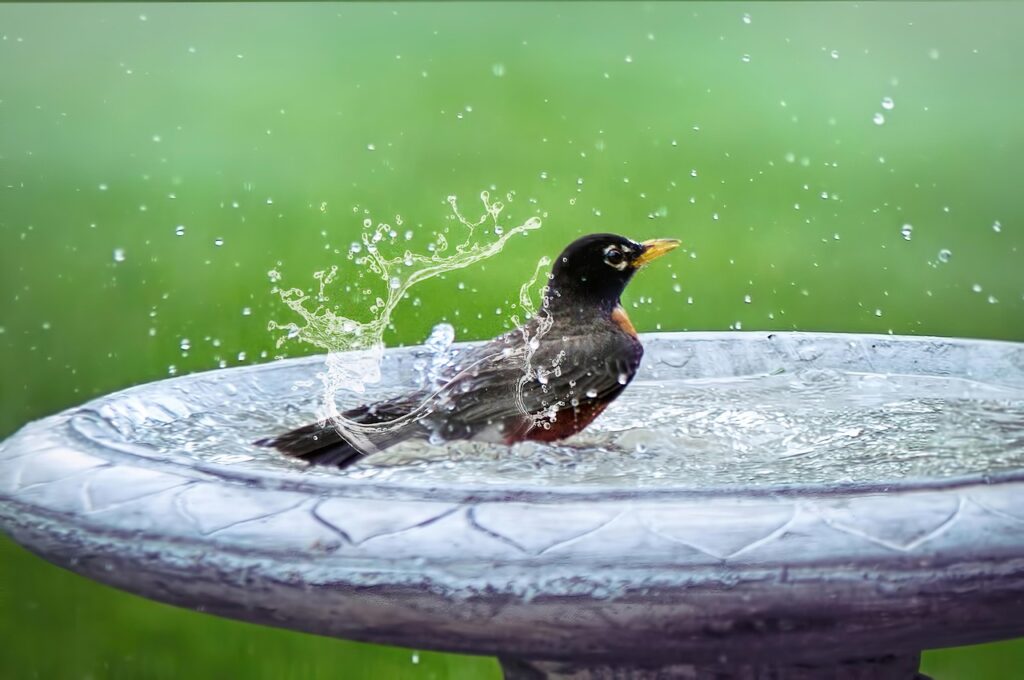
Is your backyard missing the delightful flutter of birds? A well-maintained birdbath might just be the magical ingredient to turn your garden into a bustling avian paradise. However, common birdbath blunders can unintentionally deter our feathered friends. Fear not! We’ll guide you through simple tweaks to create a welcoming sanctuary for birds, ensuring both you and your winged visitors enjoy every moment. From perfect placements to the joys of fresh water, let’s dive into how you can transform your outdoor space into a haven of chirping bliss.
1. Choosing the Wrong Location
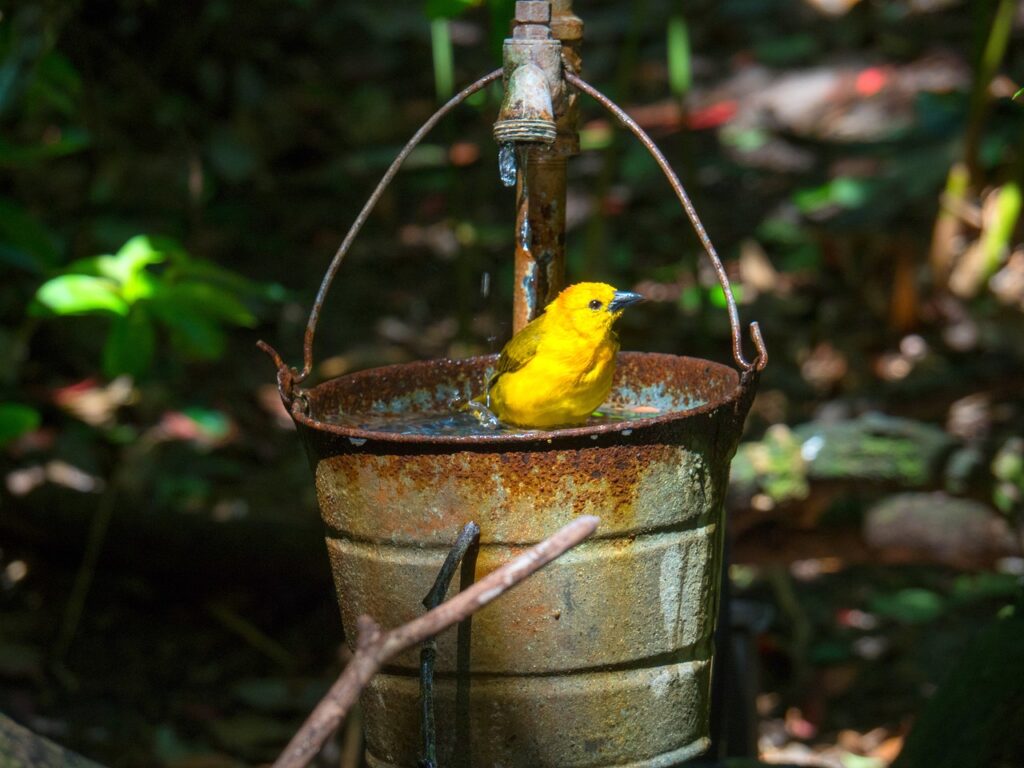
Location, location, location! Just like real estate, birdbaths are all about being in the right spot. While it might be tempting to place the bath smack-dab in the middle of your lawn, the wrong location can make birds hesitant. Opt for a shady area near trees or shrubs, offering birds quick escape routes from predators. Avoid placing it too close to bird feeders, as scattered seeds can lead to a mess. Get this right, and you’ll find your birdbath becoming the neighborhood hotspot in no time. Remember, a little cover goes a long way in making birds feel safe and at home.
2. Using Deep Birdbaths
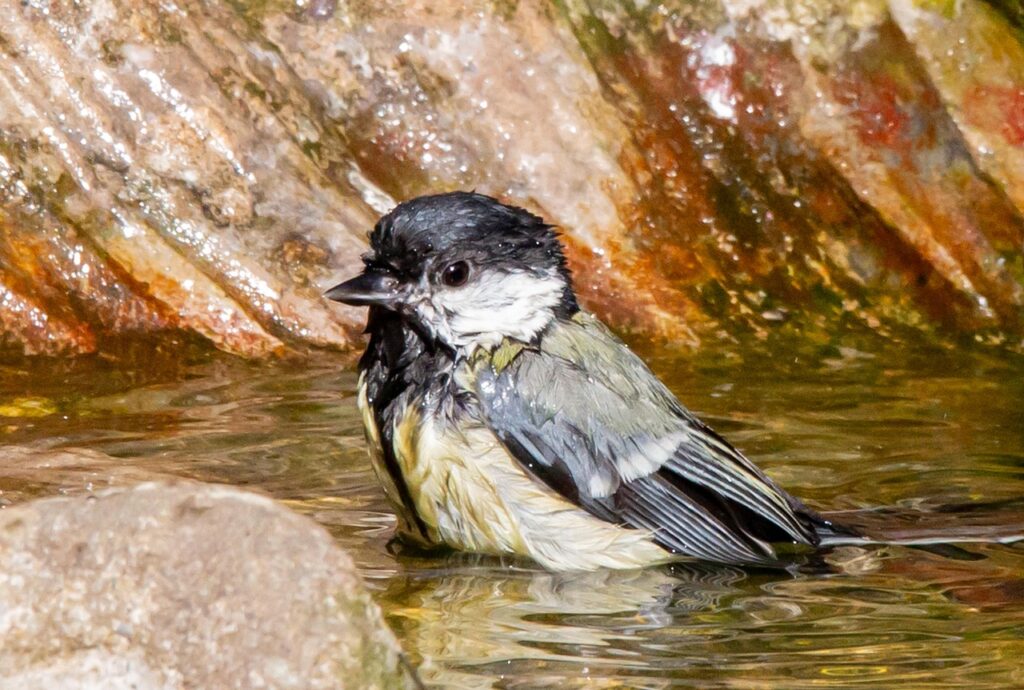
A deep, pool-like birdbath might look fabulous, but it’s not the best fit for our avian pals. Most birds prefer wading through shallow waters, as it mirrors their natural watering holes. If your birdbath is too deep, consider adding stones or pebbles to reduce the depth and offer a solid footing. This minor adjustment ensures birds can splash around without fear. Whether they’re preening their feathers or just enjoying a quick sip, a shallow bath creates a more inviting atmosphere, boosting the bird traffic to your garden oasis.
3. Ignoring Regular Cleaning
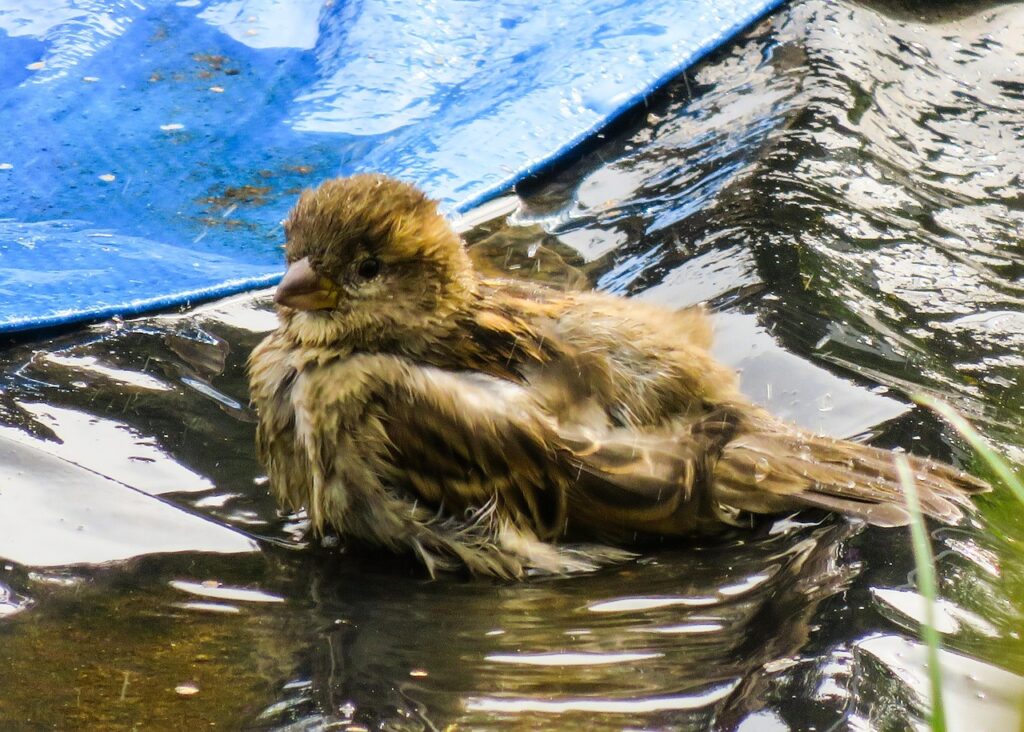
Neglecting to clean your birdbath is a surefire way to keep it devoid of visitors. Stagnant water can quickly become a breeding ground for algae and harmful bacteria, which is a big no-no for birds. Make a habit of scrubbing your birdbath every few days with a brush and mild soap, followed by a thorough rinse. This not only keeps the water crystal clear but also ensures it’s safe for birds to enjoy. With a clean setup, you’ll likely see an increase in chirping guests, all eager to bask in the sparkling, welcoming environment you’ve created.
4. Neglecting Fresh Water
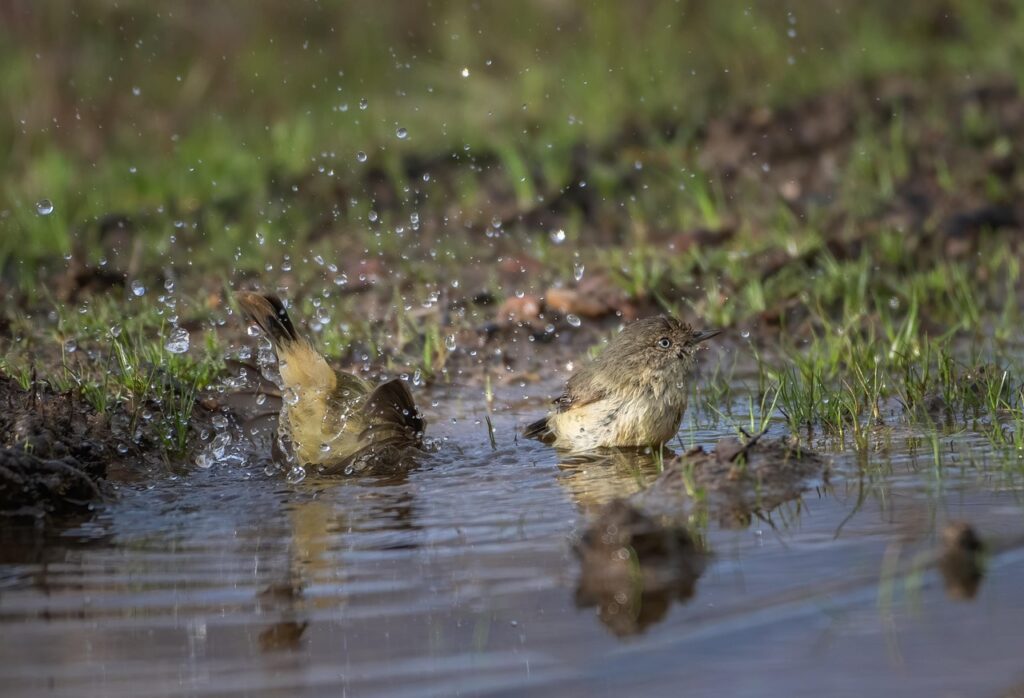
Think of your birdbath like a five-star restaurant for birds—stale water just won’t cut it! Regularly refreshing the water is key. Birds are naturally drawn to the sound of moving water, so consider adding a small fountain or dripper to keep things lively. Not only does fresh water attract more birds, but it also ensures they stay healthy and hydrated, especially during scorching summer months. By prioritizing cleanliness and freshness, you’re granting birds a luxurious retreat that will keep them coming back for more delightful dips and sips.
5. Choosing Slippery Surfaces
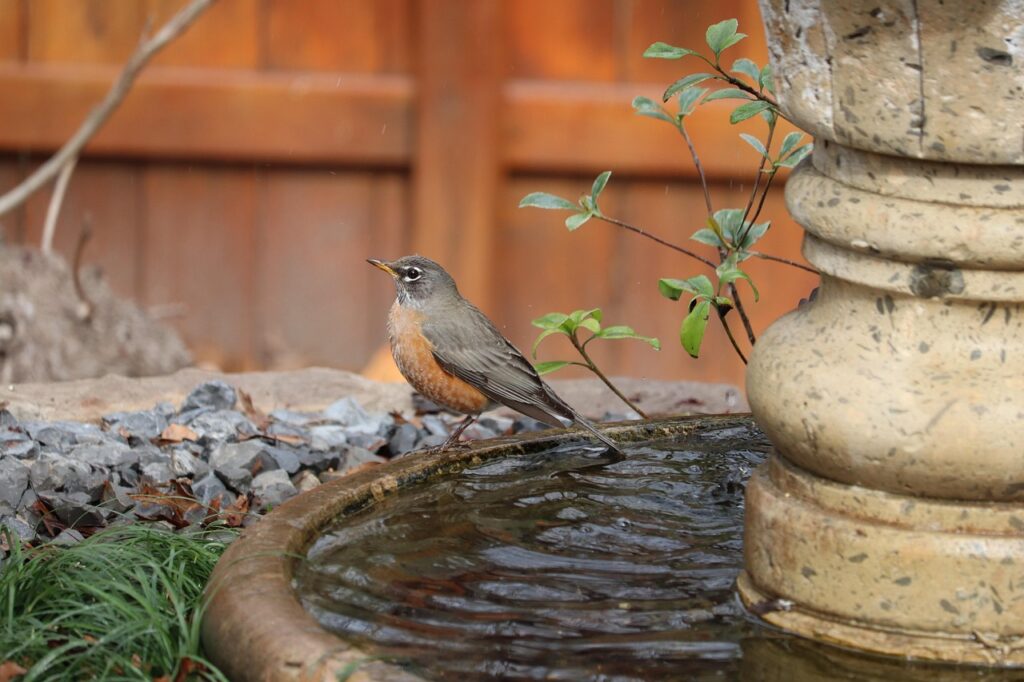
Imagine a bird swooping down for a refreshing sip, only to slide and flounder on a slippery surface. It’s not a pretty picture! Birdbaths with slick finishes can be treacherous for our feathered friends. Birds need a stable grip to splash and play safely. Opt for natural, textured materials like stone or concrete to provide a secure footing. Avoid those sleek glass or polished metal finishes, as they turn a joyful oasis into an unwelcome skating rink.
6. Overlooking Predatory Risks
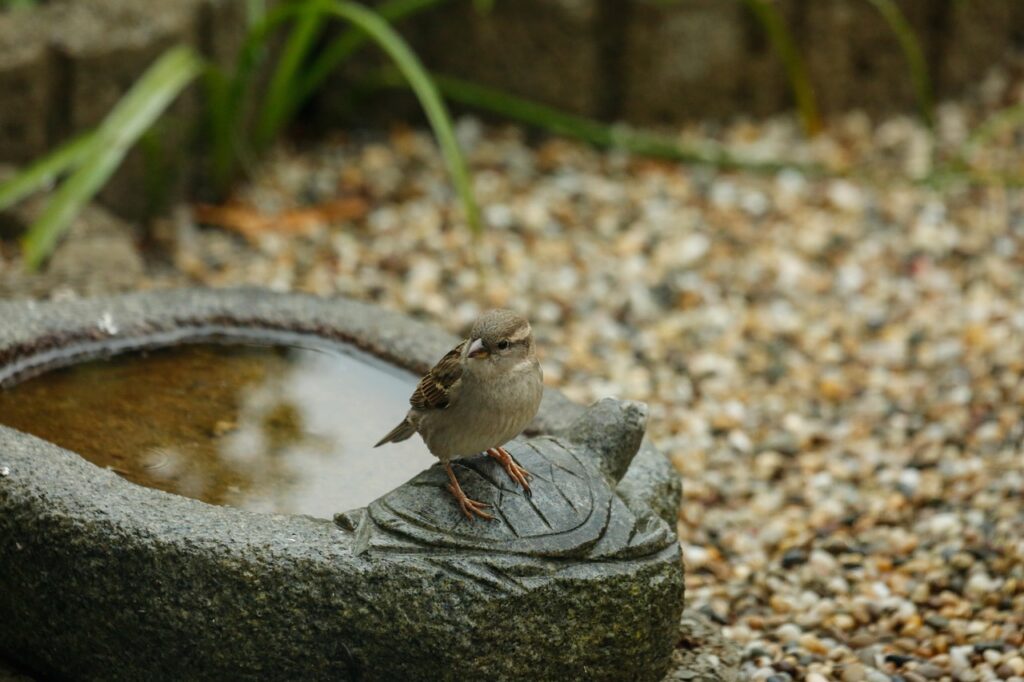
Placing your birdbath in an open area may seem great for visibility, but it makes birds sitting ducks for predators. Cats, hawks, and even snakes can take advantage of an exposed birdbath, turning it into a feeding ground. Instead, position your bird oasis near shrubs or trees. These natural covers give birds a quick escape route and a sense of safety, allowing them to drink and preen without a worry in the world. Keep it tactical yet serene for a harmonious birdwatching spot.
7. Using Poor Materials
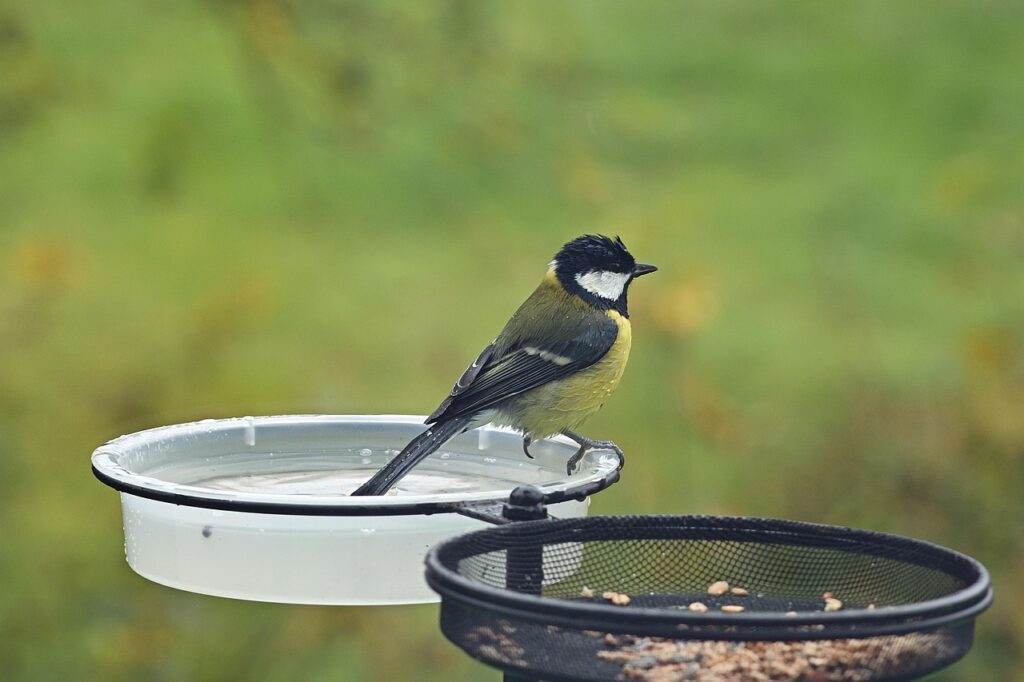
Choosing the right materials for your birdbath isn’t just about aesthetics—it’s about functionality and longevity. Materials like metal can overheat in the sun, making the water too hot for birds. Similarly, plastic can degrade quickly under harsh weather conditions. Invest in durable and safe materials like concrete or glazed pottery. These options stand the test of time and keep the water temperature moderate, ensuring your backyard watering hole remains inviting year-round.
8. No Winter Maintenance
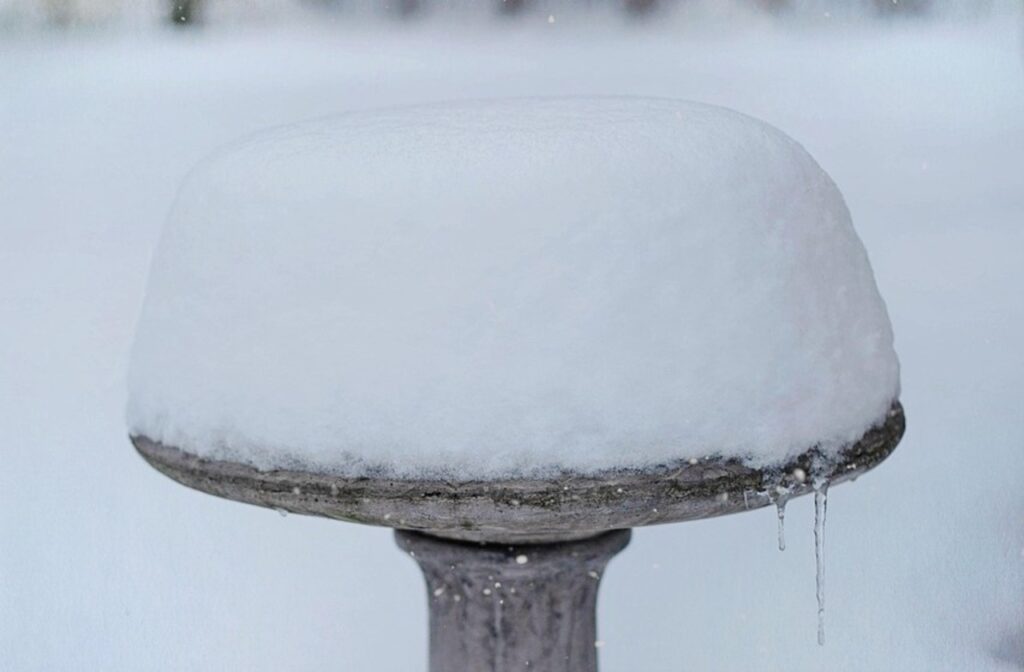
Letting your birdbath freeze in winter cuts off a vital water source when birds need it most. Many natural options freeze solid, leaving birds without hydration. To fix this, use a heated birdbath or add a safe birdbath de-icer to keep water available. If those aren’t options, refilling a shallow dish with warm water a few times daily can help. Just be sure to avoid metal basins, which can freeze faster and harm tiny feet.
9. Too Much Sun
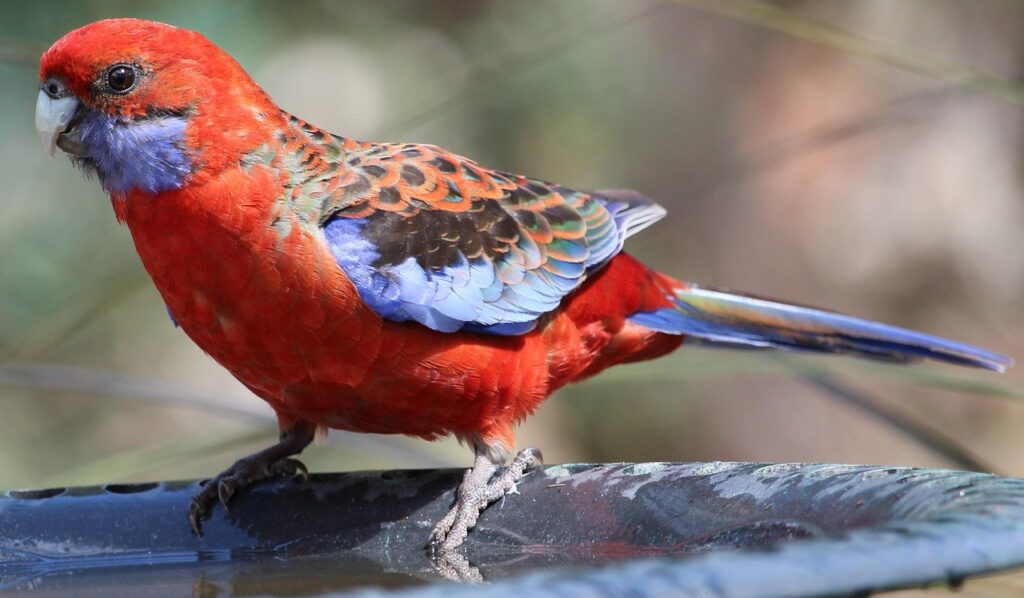
Placing a birdbath in direct sunlight might seem like a good idea, but it often does more harm than good. The sun speeds up evaporation, leaving birds with less water, and it promotes algae growth that can make the bath dirty and unsafe. Hot water can also be uncomfortable for birds, driving them away. A better choice is a shaded or partly shaded spot, ideally near trees or shrubs. It keeps the water cooler and cleaner while offering birds shelter from predators and harsh weather.
10. Mosquito Breeding Ground
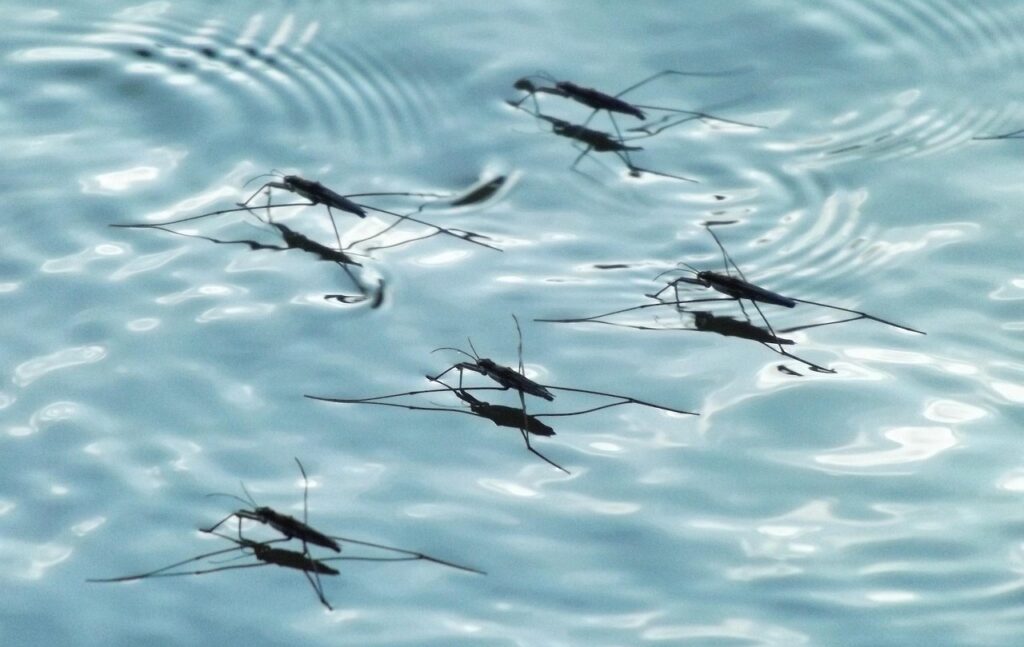
Still water left sitting too long can quickly become a breeding ground for mosquitoes, turning your peaceful birdbath into a potential health risk. Mosquito larvae thrive in stagnant water, and once they take hold, it can be hard to control the spread. The fix is simple: change the water every couple of days and give the basin a good scrub at least once a week. Adding a solar-powered fountain or dripper keeps the water moving—something birds enjoy and mosquitoes can’t stand.
11. Lack of Visibility
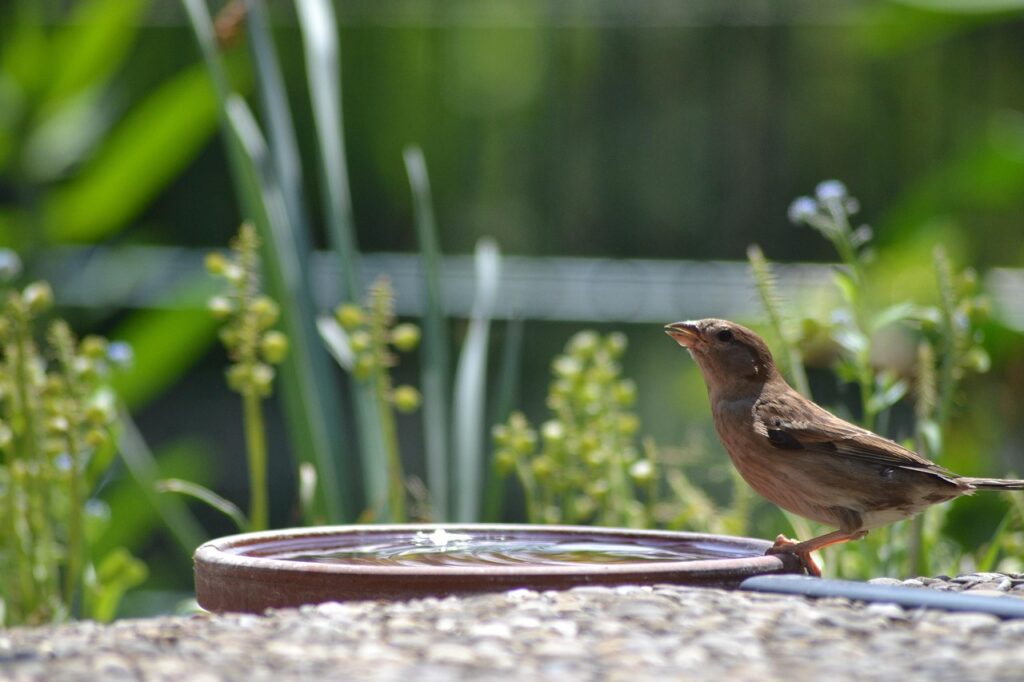
If birds can’t spot your birdbath from above, they may fly right past it without ever knowing it’s there. When a birdbath blends into the background or sits under dense foliage, it becomes nearly invisible to passing birds. To fix this, place the bath in a lightly shaded but open area where it can be seen from the sky. Adding reflective stones or a gentle drip feature can help catch light and movement, drawing birds in. Visibility is key to turning a hidden bath into a busy bird hotspot.