
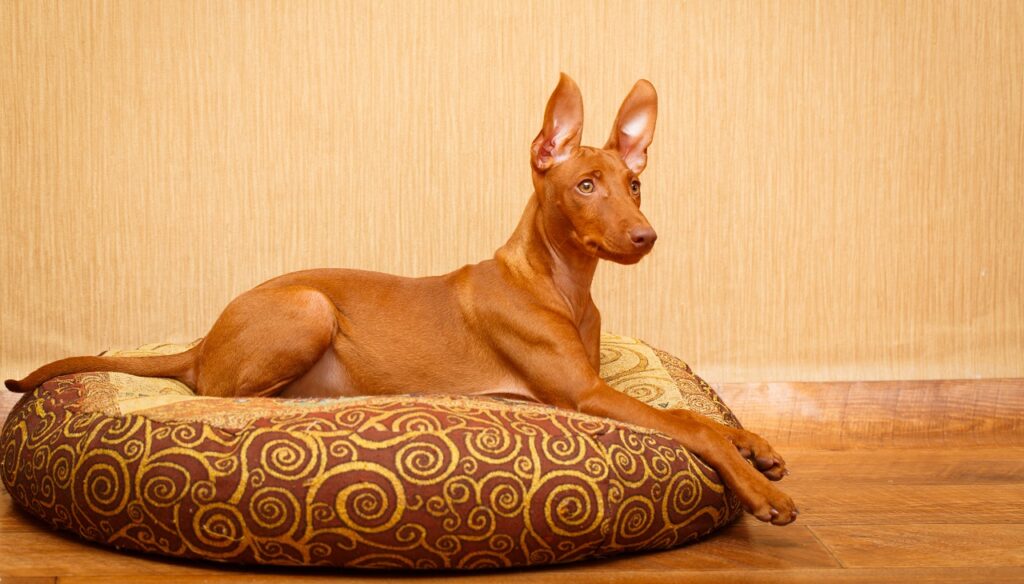
Dogs have played a vital role in human civilization for thousands of years, not just as companions but also as sacred beings revered by ancient cultures. Some breeds were believed to have divine connections, acting as protectors, spiritual guides, and even guardians of the afterlife. These dogs were often featured in religious ceremonies, mythology, and art, symbolizing power, loyalty, and wisdom. Here are some dog breeds that held sacred status in ancient cultures.
Pharaoh Hound (Ancient Egypt)

The Pharaoh Hound, often associated with Anubis, the Egyptian god of the afterlife, was highly regarded in ancient Egypt. These sleek, elegant dogs were believed to guide souls to the underworld and were often depicted in hieroglyphics and tomb paintings. Pharaoh Hounds were favored by nobility and used for hunting, symbolizing both protection and divine guidance. Their strong hunting instincts and affectionate nature made them ideal companions for Egyptian rulers, reinforcing their revered status in society.
Xoloitzcuintli (Aztec and Maya Civilizations)

The Xoloitzcuintli, or Xolo, was considered sacred by the Aztec and Maya civilizations, believed to possess healing powers and a deep spiritual connection with the afterlife. These hairless dogs were often buried alongside their owners to serve as guides in the underworld. The Aztecs also thought Xolos could ward off evil spirits and illness, making them a crucial part of religious ceremonies. Today, the breed remains a cultural symbol in Mexico and is even recognized as the country’s national dog.
Shih Tzu (Ancient China)

In ancient China, the Shih Tzu was revered as a sacred companion of Buddhist monks and Chinese royalty. These small, lion-like dogs were believed to bring good fortune and protection, often kept in temples as spiritual guardians. The breed’s name translates to “lion dog,” referencing its association with the Buddhist symbolism of lions as protectors of sacred spaces. Shih Tzus were so highly valued that they were rarely given as gifts, reinforcing their exclusive status within imperial circles.
Greyhound (Ancient Greece and Rome)

Greyhounds held a special place in ancient Greek and Roman societies, associated with both nobility and mythology. The breed was linked to the goddess Hecate, who was often depicted with a Greyhound by her side. Known for their incredible speed and grace, Greyhounds were prized as hunting dogs and often appeared in art, symbolizing loyalty and protection. Romans believed that owning a Greyhound brought good luck and that the breed’s keen senses could detect spiritual presences, making them favored among aristocrats and priests.
Tibetan Terrier (Ancient Tibet)

Despite its name, the Tibetan Terrier is not a true terrier but rather a sacred breed raised in Buddhist monasteries. These dogs were considered good luck charms and were never sold—only given as gifts to bring blessings to the recipient. Tibetan Terriers were believed to have protective qualities, guiding monks through the rugged Himalayan terrain and offering companionship during spiritual meditations. Their strong connection to Tibetan culture persists today, as they are still seen as symbols of luck and devotion.
Basenji (Ancient Africa)

The Basenji, often called the “barkless dog,” was highly esteemed by ancient African civilizations, particularly in Egypt and Central Africa. These dogs were considered sacred hunters, assisting in tracking and guarding village settlements. Pharaohs and tribal leaders kept Basenjis as status symbols, and their images were even found in ancient Egyptian tombs. Their unique vocalization, a yodel-like sound, was believed to carry spiritual significance, further enhancing their mystical reputation.
Lhasa Apso (Ancient Tibet)

The Lhasa Apso was traditionally bred by Tibetan monks as a sentinel dog for monasteries. These small but vigilant dogs were believed to house the reincarnated spirits of monks who had yet to attain enlightenment. Lhasa Apsos were never sold but gifted as a token of good fortune and divine blessing. Their presence in temples and homes was thought to ward off evil spirits, and their protective instincts made them indispensable guardians of sacred sites.
Japanese Chin (Ancient Japan)

The Japanese Chin, a breed deeply associated with nobility and spirituality, was highly prized in the imperial courts of Japan. These delicate and refined dogs were often seen accompanying aristocrats and were treated as living treasures. Some historical accounts suggest that Japanese Chins were believed to embody the spirits of noble ancestors, making them sacred companions to the elite. Their playful and affectionate nature only added to their revered status.
Saluki (Ancient Middle East)

One of the oldest known breeds, the Saluki was revered in ancient Middle Eastern civilizations, particularly among the Sumerians and Egyptians. Often referred to as the “royal dog of Egypt,” Salukis were mummified and buried alongside their owners to accompany them in the afterlife. Their incredible speed and hunting abilities made them invaluable companions to nobility and rulers, who regarded them as gifts from the gods.
Kangal (Ancient Anatolia)
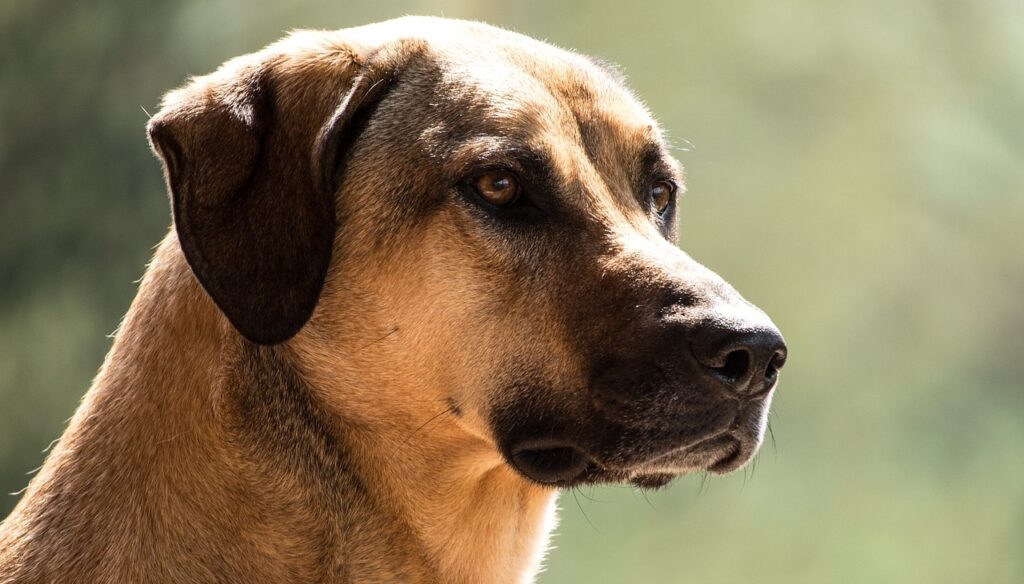
The Kangal, a powerful guardian breed from ancient Anatolia (modern-day Turkey), was considered a protector of livestock and sacred lands. These dogs were entrusted with defending flocks from predators and were treated with great respect by shepherds and villagers. Their strength and intelligence made them highly revered, and in some traditions, they were seen as divine guardians sent to watch over communities. The Kangal’s role as a protector continues today, solidifying its reputation as one of the most respected guardian breeds in history.
Icelandic Sheepdog (Norse Culture)

The Icelandic Sheepdog, believed to have been brought to Iceland by Viking settlers, played a vital role in Norse society. These hardy dogs were cherished for their ability to herd livestock and guard homes against intruders. In Norse mythology, they were often seen as spiritual protectors, helping travelers navigate through harsh landscapes. Icelandic Sheepdogs were regarded as symbols of good fortune, and their companionship was thought to bring safety and guidance to their owners. Today, they remain a treasured part of Icelandic heritage.
Love Pets as Much as We Do?

Scroll up and click the ‘Follow’ button to stay updated with the latest heartwarming, hilarious, and helpful pet posts from Pawdown, delivered straight to your Microsoft Start feed and MSN homepage!