

Choosing the perfect feline companion requires more than just a glance at their adorable whiskers. Understanding the differences between male and female cats can make a world of difference in your home. From their playful antics to subtle behavioral clues, these distinctions can guide you to the right furry match. Dive into the fascinating world of feline behavior and physiology as we explore what makes male and female cats unique. Whether you’re seeking a rambunctious playmate or a reserved cuddle buddy, this helps you to find the purr-fect fit.
1. Size and Build Differences

In the feline kingdom, gender often dictates the size and strength of a cat. Male cats generally sport larger builds, often boasting muscular frames and sturdy necks. This extra bulk might make them appear more imposing, but it also adds to their charm and allure. Females, on the other hand, typically present a more petite and agile form, perfect for graceful leaps and swift movements. Understanding these physical differences can help you anticipate their activity level and spatial needs, ensuring your new furry friend has the right environment to thrive.
2. Behavioral Traits

If you’re drawn to a particular feline personality, knowing the behavioral traits associated with each gender can be enlightening. Male cats tend to be more outgoing and adventurous, often seeking interaction and displaying a zest for exploration. In contrast, female cats may exhibit more reserved behavior, preferring quiet observation over boisterous play. While these tendencies offer a general guideline, remember that each cat’s personality is unique. Observing these behaviors can help you match your expectations with your feline friend’s natural disposition.
3. Territorial Nature

Territorial tendencies in cats can influence how they interact with their environment and other pets. Male cats are often more inclined to mark their territory, especially if not neutered. This behavior might involve spraying or aggressive posturing to establish dominance. Females, while also territorial, generally assert themselves through subtle and strategic maneuvers. Understanding these instincts is vital for maintaining harmony in multi-pet households and can inform decisions about space-sharing and territorial boundaries.
4. Social Interaction

The social dynamics in play between male and female cats often reflect their individual personalities. Male cats frequently exhibit more social behavior, engaging eagerly with both humans and other animals. They might enjoy being the center of attention, relishing every petting session and playtime opportunity. Females tend to be more selective with their affection, often forming strong bonds with certain people or pets. These social preferences can impact your household’s atmosphere, influencing how inclusive or exclusive your feline family may become.
5. Aggression Levels

When it comes to the temperament of your feline friend, gender can play a role in how they express aggression. Male cats, especially those who are unneutered, might exhibit more territorial behavior such as spraying and catfighting. This is largely due to the presence of testosterone, which fuels these behaviors. In contrast, female cats tend to be more reserved and less likely to display outward aggression, though they might become feisty when protecting their young. It’s essential to remember that spaying and neutering can greatly influence these behaviors.
6. Health Concerns

Male and female cats can face different health challenges over their lifetimes. Males are more prone to urinary tract infections and blockages due to their narrower urethras, which can become serious if not treated promptly. On the other hand, female cats who are not spayed are at risk for pyometra, a severe uterine infection. Furthermore, spaying and neutering can reduce the risk of certain cancers in both genders. Regular veterinary check-ups are the best way to catch these issues early, ensuring your kitty stays in top-notch health.
7. Grooming Needs
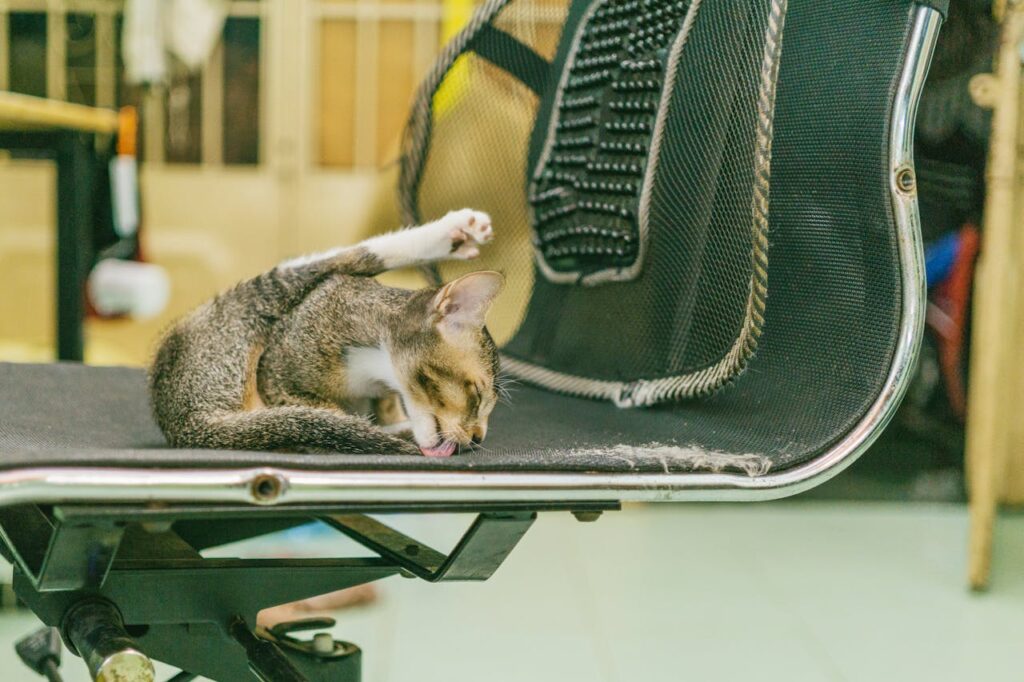
In the realm of grooming, male and female cats generally have similar needs, but their personalities might influence their desire for it. Males often indulge less in self-grooming, especially if they’re less active, which might require a little more help from their human companions to keep their coats sleek and healthy. Females, on the other hand, tend to be more meticulous groomers, perhaps due to nurturing instincts. Regardless of gender, consistent grooming sessions will keep your furry friend looking and feeling fabulous.
8. Cost Differences

When considering the costs associated with owning a cat, gender can slightly tilt the scale. Neutering male cats is typically less expensive than spaying females, which is a more complex procedure due to the uterine surgery involved. Additionally, medical bills might differ depending on gender-specific health issues, like urinary problems in males or reproductive issues in unspayed females. Beyond these initial expenses, the daily cost of food, toys, and vet care remains quite similar, proving that the joys of feline friendship are priceless, no matter the gender.
9. Lifestyle Compatibility

Choosing between a male and female cat can vary depending on your lifestyle. Male cats are often more laid-back, making them ideal for those with a busy schedule. They tend to be affectionate, enjoying lengthy cuddle sessions. Female cats, on the other hand, are known for their independence. They’re perfect if you appreciate a little more “me time” in your household. Each cat’s personality is unique, but these general tendencies can help ensure a harmonious fit with your daily routine.
10. Family and Environment

If your household includes kids or other pets, understanding how male and female cats interact is crucial. Male cats generally adapt well to bustling environments and are known for their social nature. They’re often more playful and adventurous. Female cats can be more reserved, thriving in calmer settings. They’re usually more territorial, requiring a peaceful corner to call their own. Tailoring your choice to the existing dynamics of your home can lead to a more balanced and peaceful coexistence.
11. Time Commitment

When it comes to the time you can commit to a pet, gender might influence your decision. Male cats are typically more clingy and enjoy companionship, which means they’ll demand more of your time for play and affection. Conversely, female cats are more content with occasional interaction, thriving in solitude. If you have a packed schedule but still want a furry friend waiting at home, a female cat might suit your lifestyle better. However, every cat is different, so consider individual personalities too.