
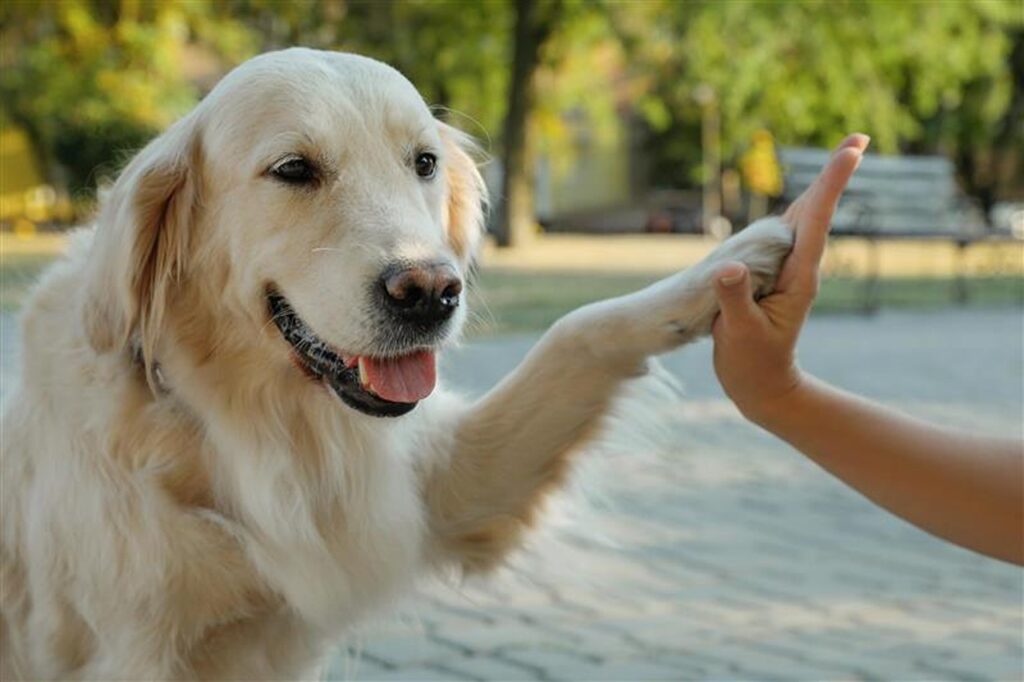
Dogs have evolved alongside humans for millennia, mastering the art of interpreting subtle human behaviors, intentions, and emotions. Beyond familiar commands like “sit” and “stay,” our canine friends comprehend an astounding array of nuanced cues. They grasp our emotional states, discern hidden intentions, and even detect shifts in our physical health. Often, we unknowingly send mixed or unintended signals, leading dogs to unexpected behaviors. Understanding these quirky cues your dog genuinely recognizes can strengthen your bond and prevent unintentional miscommunication, enhancing the already profound relationship between you and your furry companion.
1. Subtle Body Movements

Dogs interpret even the slightest human movements, understanding intentions from mere gestures. Simply shifting your weight or reaching casually towards keys signals your dog that you’re preparing to leave, often triggering anxiety or excitement. Dogs notice these minimal cues through careful observation of repeated patterns. If you want to avoid unintentionally stressing your pet, vary your routine slightly or mask obvious signals by occasionally handling keys without leaving. Recognizing your dog’s sensitivity to subtle movements can help minimize confusion and stress, promoting clearer communication and a calmer environment for both you and your observant canine companion.
2. Eye Contact Nuances

Dogs deeply comprehend human eye contact, distinguishing between friendly gazes and stern, corrective stares. Mutual eye contact releases oxytocin, reinforcing emotional bonds, but prolonged staring can intimidate or confuse your dog, mistakenly communicating aggression. Dogs also recognize intentional versus accidental gazes, responding differently based on your perceived intention. To send clear messages, maintain soft, gentle eye contact during affection or praise and reserve intense staring only for serious corrections. Awareness of how your gaze is interpreted ensures that eye contact remains an effective communication tool rather than a source of unintended stress or anxiety for your dog.
3. Your Emotional Changes
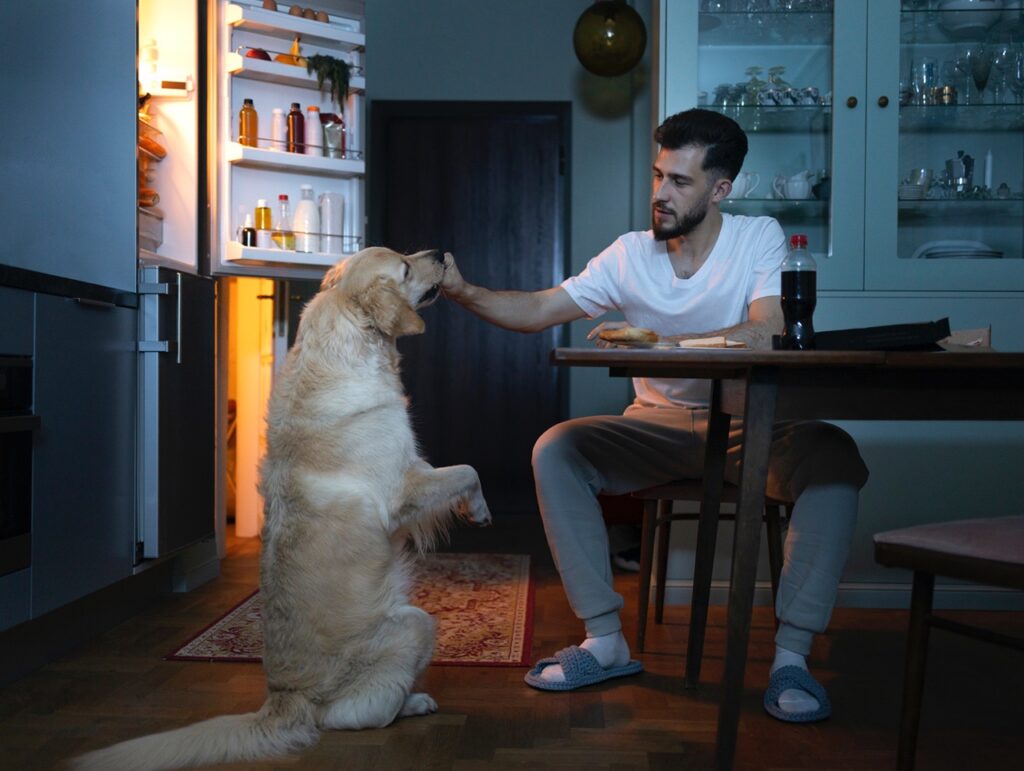
Dogs don’t just sense emotions—they deeply understand them. They detect happiness, sadness, or frustration through facial expressions, body language, and even scent. Dogs will cautiously comfort a sad owner or become playful when sensing joy. If you’re stressed or angry, your dog may become anxious, mirroring your emotional state. Being mindful of your emotional displays around your dog helps prevent unintended distress. Managing visible frustration or sadness, especially when directly interacting with your dog, can reduce confusion, ensuring your emotional cues consistently foster trust, comfort, and clarity in your pet’s understanding of your intentions.
4. Differences in Human Voices
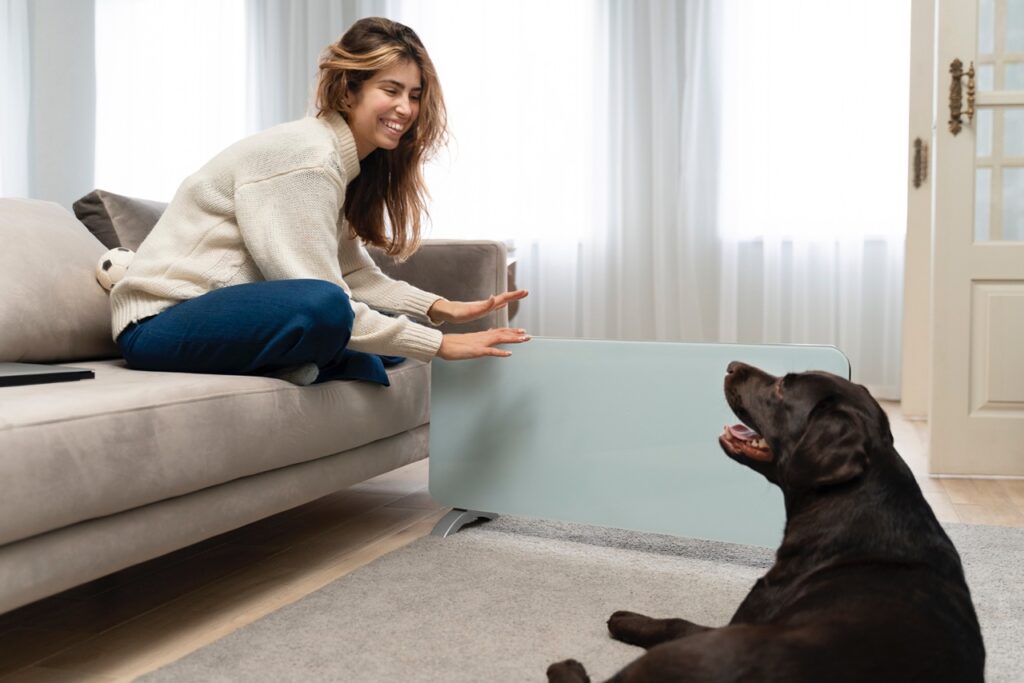
Dogs identify and respond distinctly to different human voices, even understanding specific names. They recognize tone and can differentiate friendly or angry speech. Dogs often display anxiety or excitement depending on vocal cues alone. When multiple household members give inconsistent commands or tones, dogs become confused about expectations. Consistency in commands, tone, and wording between family members greatly improves your dog’s clarity. Using uniform vocal signals reduces misunderstandings, providing your dog with reliable cues and a more predictable environment, strengthening your bond and enhancing obedience through clearer communication.
5. Timing and Routine Patterns

Despite lacking clocks, dogs astonishingly grasp routine schedules. They anticipate events like walks, meals, and your return home, displaying excitement or anxiety accordingly. Alterations to established routines cause dogs confusion, stress, or frustration. Maintaining consistent feeding, exercise, and social interaction schedules helps dogs predict and trust their daily environment. If necessary to change routines, gradually introduce new timings. Being mindful of your dog’s internal understanding of timing and schedules allows for smoother transitions, reducing stress and confusion, ensuring your dog feels secure and confident in their predictable and stable daily structure.
6. Your Attention Levels

Dogs keenly recognize whether you’re attentive or distracted, behaving differently based on your focus. They cleverly exploit moments of distraction, attempting forbidden actions like stealing food or sneaking onto furniture. This demonstrates sophisticated cognitive awareness of human attention. Clearly signaling when your attention is engaged helps your dog distinguish acceptable behaviors. Reinforcing obedience consistently when you’re fully attentive teaches dogs clear boundaries. Understanding your dog’s perception of your attention ensures effective training, reduces misbehavior during distractions, and enhances your overall communication by aligning your responses to your dog’s clever interpretations of human attentiveness.
7. Human Relationships Dynamics

Dogs understand intricate human relationships, identifying authority structures, family ties, and emotional bonds. They observe interactions, discerning friend from foe, helper from antagonist. Dogs often align their affection and obedience accordingly, preferring individuals who display kindness toward their owners. Conflicting signals or inconsistent behavior within family dynamics confuse dogs, complicating their understanding of hierarchy and boundaries. Maintaining clear, consistent relational dynamics and authority signals within the household helps your dog navigate human interactions comfortably. Acknowledging your dog’s insight into human relationships promotes balanced behaviors, reduces confusion, and encourages stronger, healthier bonds across your entire household.
8. Fairness and Equality
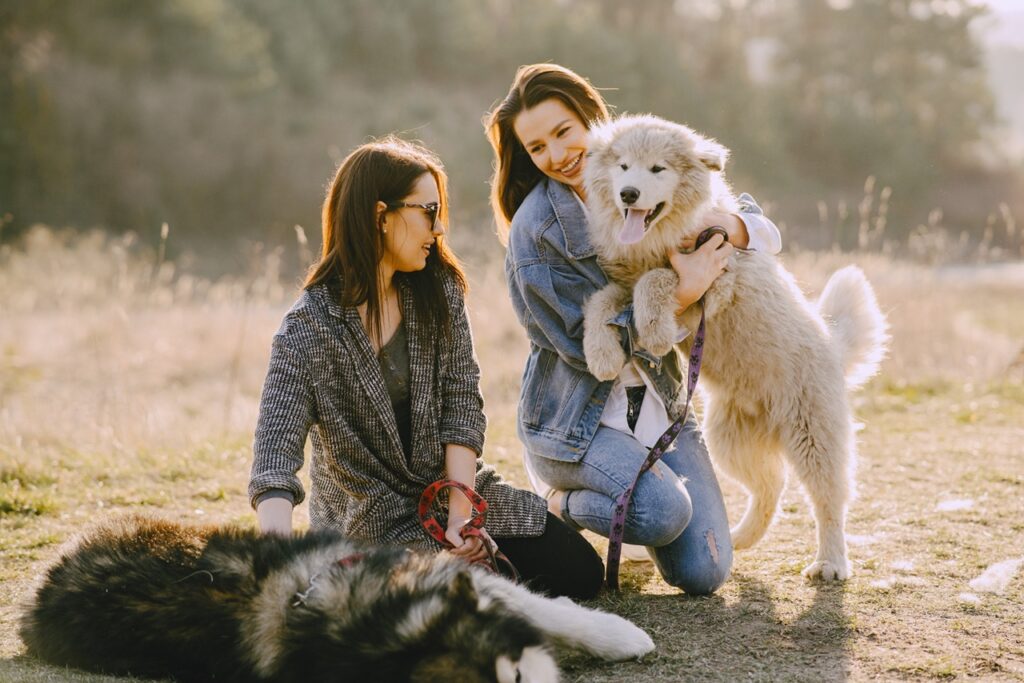
Surprisingly, dogs possess a keen sense of fairness, becoming visibly agitated when treated unequally compared to other pets. They refuse tasks if another dog consistently receives superior rewards for identical behaviors, recognizing inequity instinctively. Inadvertently rewarding pets inconsistently fosters confusion, jealousy, and behavioral problems. Ensuring equal treatment and consistent rewards helps reinforce positive behaviors. Your awareness of your dog’s fairness perception prevents accidental resentment or behavioral issues, emphasizing consistent, fair interaction with all pets, promoting harmonious coexistence, reducing tension, and ensuring your dog remains motivated and positively engaged in your training and interaction routines.
9. Health and Physical Changes

Dogs detect subtle health shifts in humans, recognizing illnesses or pregnancy through scent, behavior, or physiological cues. Often before clinical symptoms arise, dogs exhibit protective, attentive behaviors signaling their awareness. Misinterpreting these signals, owners may overlook health alerts or interpret protective behavior incorrectly as disobedience or clinginess. Recognizing your dog’s heightened sensitivity to physical changes allows early health interventions and fosters appreciation for their intuitive protective instincts. Properly responding to their cues with gratitude and understanding strengthens trust, reduces stress-related behaviors, and maintains harmony, reinforcing your unique, health-conscious bond with your canine companion.
10. Environmental Awareness
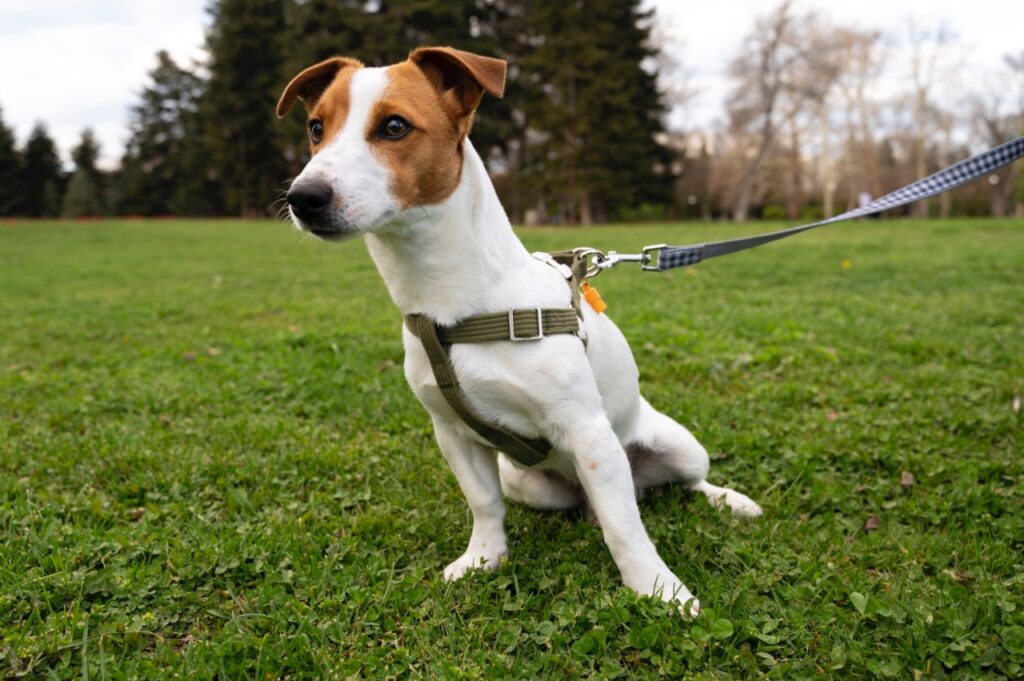
Dogs rapidly identify when something within their environment is abnormal or potentially threatening, noticing intruders, moved furniture, or approaching storms before humans become aware. Misinterpreting barking or agitation as irrational behavior undermines trust and frustrates dogs who genuinely attempt communication. Understanding their acute environmental awareness helps you respond appropriately to their alerts. Acknowledging their natural protective instincts with validation rather than dismissal promotes confidence, reduces unnecessary anxiety, and effectively utilizes their innate capabilities.
11. Deceptive or Misleading Behaviors
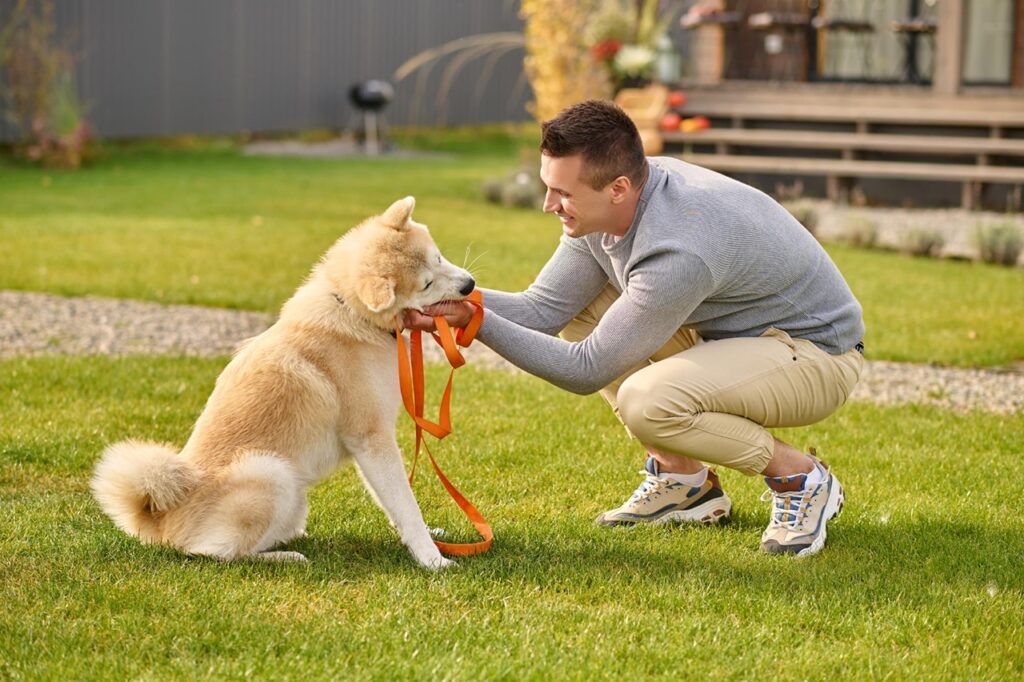
Perhaps most surprisingly, dogs understand and sometimes engage in deceptive behaviors, deliberately distracting humans or other animals to achieve their goals. Recognizing your dog’s sophisticated cognitive abilities to manipulate situations encourages clear boundaries and consistent correction when necessary. Appreciating their cleverness without inadvertently rewarding deceptive behaviors ensures your dog maintains healthy respect and obedience.